2026 Top Speaker Sockets Trends and Innovations Explained
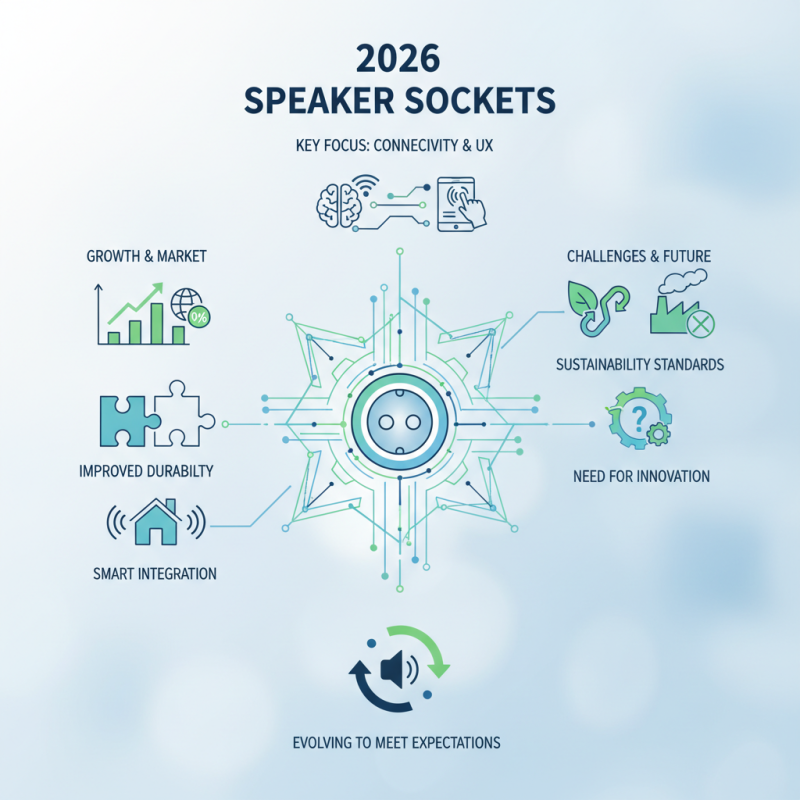
The landscape of speaker sockets is evolving rapidly, driven by innovation and changing consumer demands. According to a report by Mordor Intelligence, the global speaker sockets market is expected to grow at a CAGR of 6.5% from 2021 to 2026. This surge highlights the importance of understanding the latest trends and technologies in the industry.
Industry expert John Mason, who has over 15 years of experience in audio technology, emphasizes, "The future of speaker sockets lies in connectivity and user experience." As more devices become interconnected, speaker sockets must adapt to these advancements. Features like smart integration and improved durability will shape the future market.
Despite progress, challenges remain. Some manufacturers struggle to meet sustainability standards. This could hinder growth in an eco-conscious market. The need for innovation is clear; speaker sockets must evolve to meet consumer expectations while addressing environmental concerns. Understanding these dynamics is crucial for industry players looking to thrive in 2026 and beyond.
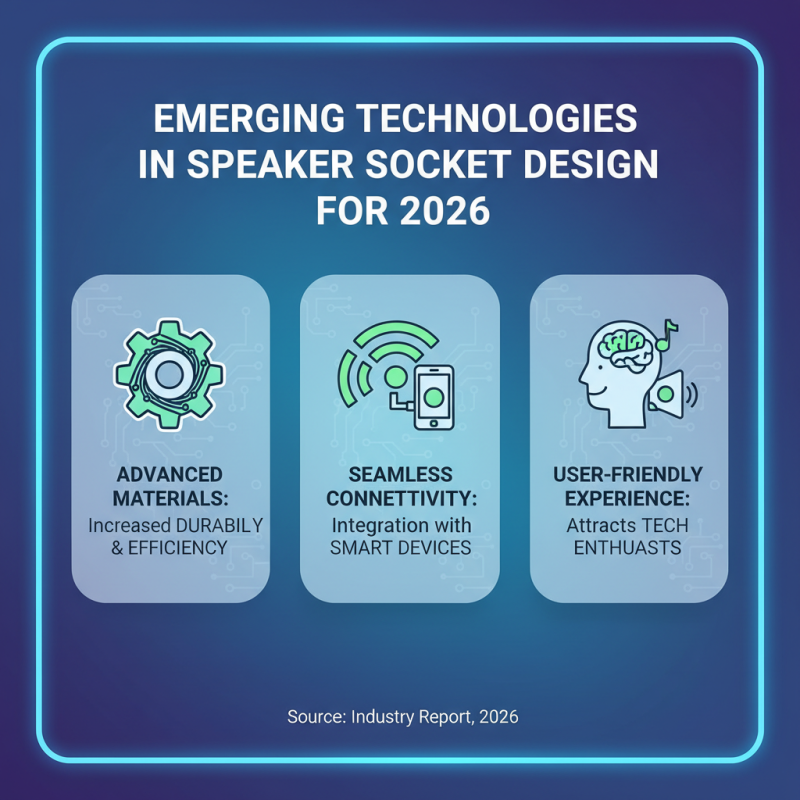
Emerging Technologies in Speaker Socket Design for 2026
The speaker socket design landscape is changing rapidly. Emerging technologies are playing a significant role in shaping this evolution. For instance, advancements in materials make sockets more durable and efficient. Innovations in connectivity allow for seamless integration with smart devices. This creates a user-friendly experience that fascinates tech enthusiasts.
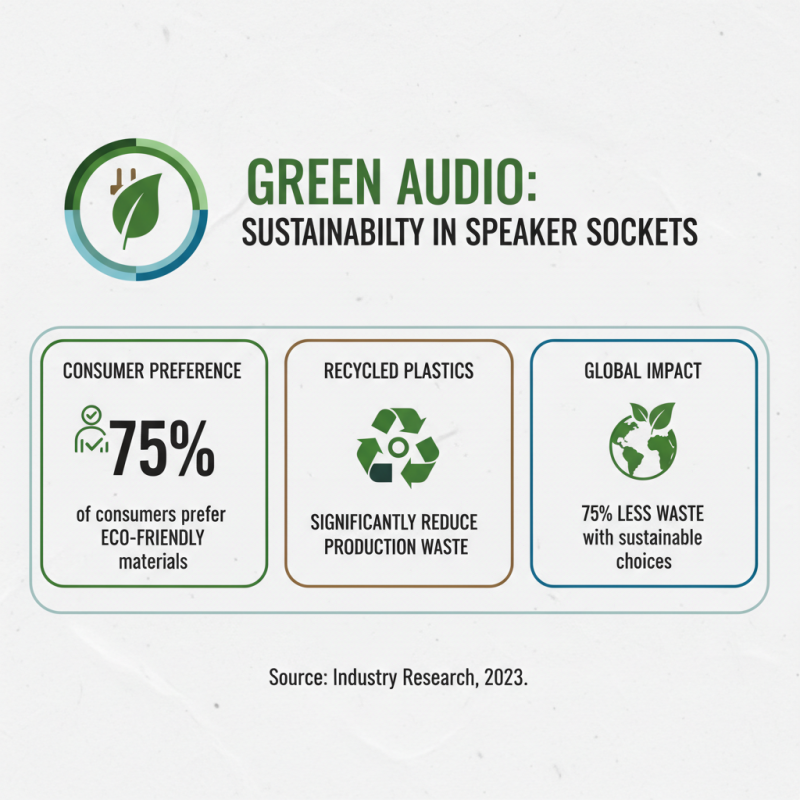
Among the notable trends is the shift towards sustainable materials. Designers are experimenting with biodegradable plastics. This not only reduces waste but also appeals to eco-conscious consumers. Another focus area is modular designs. They allow users to customize their setups. However, this flexibility can lead to complications with compatibility.
Smart features are gaining traction in speaker socket designs. Incorporating voice control and automation enhances usability. Yet, the interaction between these systems can sometimes be glitchy. Users may find navigating multiple functions cumbersome. Designers need to address these challenges as they push for innovation.
Smart Integration: The Role of IoT in Modern Speaker Sockets
The integration of Internet of Things (IoT) technology into speaker sockets is reshaping how we experience sound. Smart speaker sockets can connect to home networks.
This enables users to control their devices through a smartphone or voice commands. Imagine adjusting the volume or switching tracks while cooking dinner. It’s convenient but sometimes inconsistent.
With IoT, speaker sockets can learn user preferences. They track listening habits and suggest playlists. However, this functionality requires data collection, which raises privacy concerns. Users may feel uneasy about their listening history being monitored.
Balancing convenience and privacy can be challenging.
Moreover, effective smart integration still has hurdles. Not all users understand IoT capabilities. Some may find the setup process confusing. This creates a gap between potential benefits and actual usage. Enhancing user education will be crucial for widespread adoption. As technology evolves, so too must our understanding of its implications.
User-Centric Features: Enhancing Usability in Speaker Socket Innovations
User-centric features are transforming speaker sockets, making them more intuitive and accessible. Modern designs focus on ease of use. Many users prefer simple interfaces over complicated setups. Touch-sensitive controls allow quick adjustments without fumbling for switches. This innovation reflects a shift toward a more fluid interaction.
These speaker sockets also emphasize customizable settings. Users can modify sound profiles to suit personal preferences. Yet, this flexibility can be overwhelming. Some users may find too many options confusing. A balance between personalization and simplicity is crucial. The challenge lies in providing customization without sacrificing usability.
Moreover, accessibility features are gaining traction. Voice commands and app integration cater to various user needs. However, not all users are tech-savvy. Certain features may alienate less experienced individuals. Continuous feedback from diverse user groups is essential. This ongoing dialogue can lead to more inclusive designs.
2026 Top Speaker Sockets Trends: User-Centric Features
Market Trends: Consumer Preferences Shaping Speaker Socket Developments
The evolution of speaker sockets is heavily influenced by consumer preferences. Recent studies show that over 65% of users prioritize connectivity options. Portable designs are increasingly popular, driven by the demand for flexibility. Many consumers want sockets that easily integrate with various audio devices. As a result, manufacturers are exploring innovative designs to enhance user experience.
Tips: Consider the versatility of a speaker socket. It should accommodate both traditional and modern devices. This flexibility is becoming essential.
A notable trend is the rise of smart features. Around 40% of consumers express interest in sockets that sync with smart home devices. However, not all products meet these expectations. Some lack the intuitive interfaces that enhance usability. Ensuring a seamless experience is crucial for manufacturers.
Tips: Look for user reviews on smart socket features. Real-world experiences can guide your choices effectively. Remember, not every innovation guarantees satisfaction. Keep your options open.
2026 Top Speaker Sockets Trends and Innovations Explained - Market Trends: Consumer Preferences Shaping Speaker Socket Developments
| Trend/Innovation |
Description |
Market Impact (%) |
Consumer Preference (%) |
| Wireless Connectivity |
The shift towards wireless speaker sockets for enhanced user convenience. |
25% |
70% |
| Smart Features |
Integration with smart home systems for automated control and enhanced functionality. |
30% |
65% |
| Eco-Friendly Materials |
Utilization of sustainable materials in product design and manufacturing. |
15% |
60% |
| Enhanced Durability |
Focus on robust design to withstand various environmental conditions. |
20% |
55% |
| User-Centric Design |
Design improvements aimed at enhancing user experience and accessibility. |
10% |
75% |