Dual Rca Cable Best Options for High Quality Audio Connections?
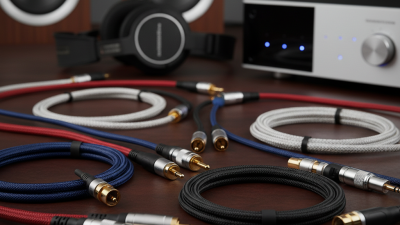
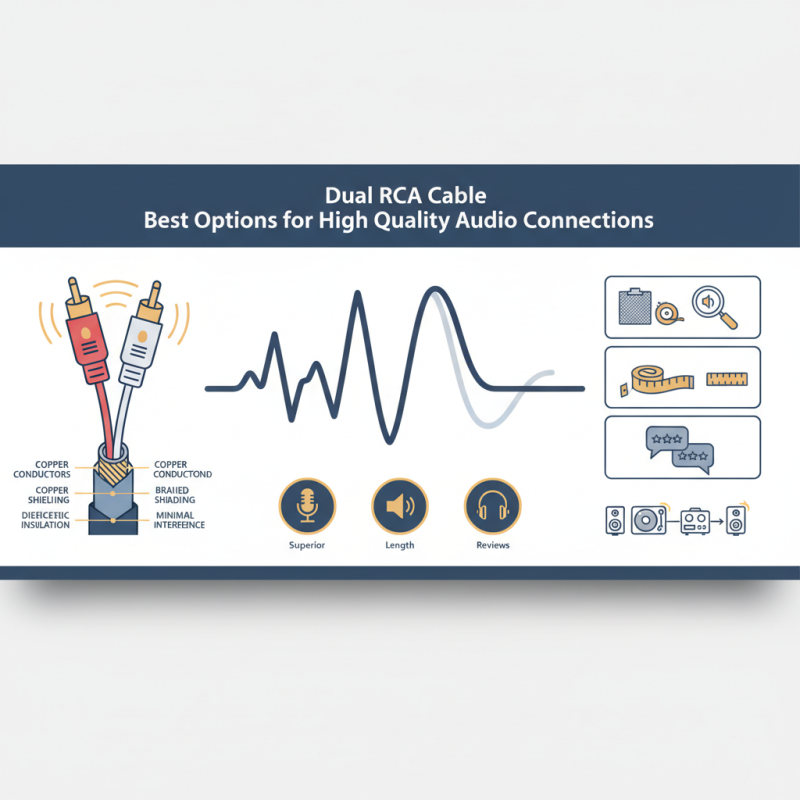
When it comes to high-quality audio connections, the choice of cables plays a vital role. One of the best options for delivering superior sound is the Dual RCA Cable. These cables are designed to transmit audio signals with minimal interference. Their construction typically involves two connectors for the left and right audio channels, ensuring a rich sound experience.
Choosing the right Dual RCA Cable can make a noticeable difference in audio performance. Users often overlook the importance of quality when selecting cables. Not all Dual RCA Cables are created equal; some may not provide the clarity you desire. It is essential to consider factors like materials and length.
Many audiophiles find disappointment when their cables fall short of expectations. The texture and build quality can affect sound delivery. Investing time in research pays off. Reading reviews and comparing options helps find the best fit for your audio setup. A well-chosen Dual RCA Cable can elevate your listening experience to new heights.
Understanding Dual RCA Cables: Basics of Audio Connectors
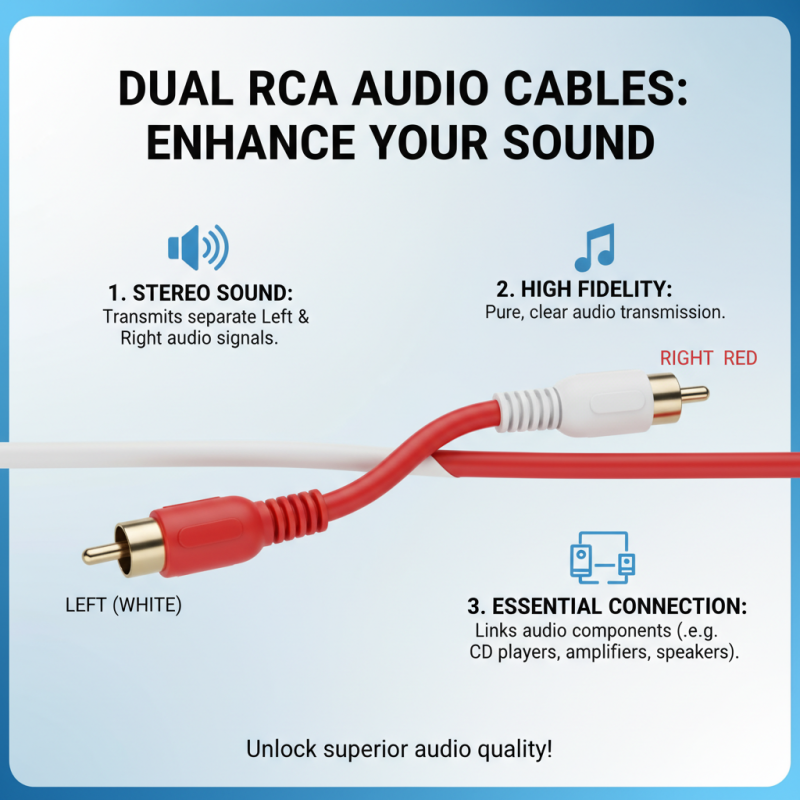
Dual RCA cables are essential for connecting audio devices. These cables transmit stereo sound in high fidelity. Understanding their design can enhance your listening experience.
RCA connectors are quite familiar. They have a simple mechanism. The red and white plugs indicate right and left audio channels. This design dates back to the 1940s. Yet, many still prefer RCA for analog connections. A recent industry report states that RCA cables account for 15% of audio equipment connections today. Despite being older technology, they provide reliable performance.
It's crucial to note not all RCA cables are created equal. Some use inferior materials. This can lead to signal degradation. Many audiophiles report issues like background noise with low-quality cables. The thickness of cable insulation can impact sound clarity. Choosing the right cable increases the overall audio experience. High-quality options exist, but they can be expensive. Balancing budget and quality is a common struggle for enthusiasts. Always reflect on your listening needs before making a purchase.
Key Features of High-Quality Dual RCA Cables in Audio Systems
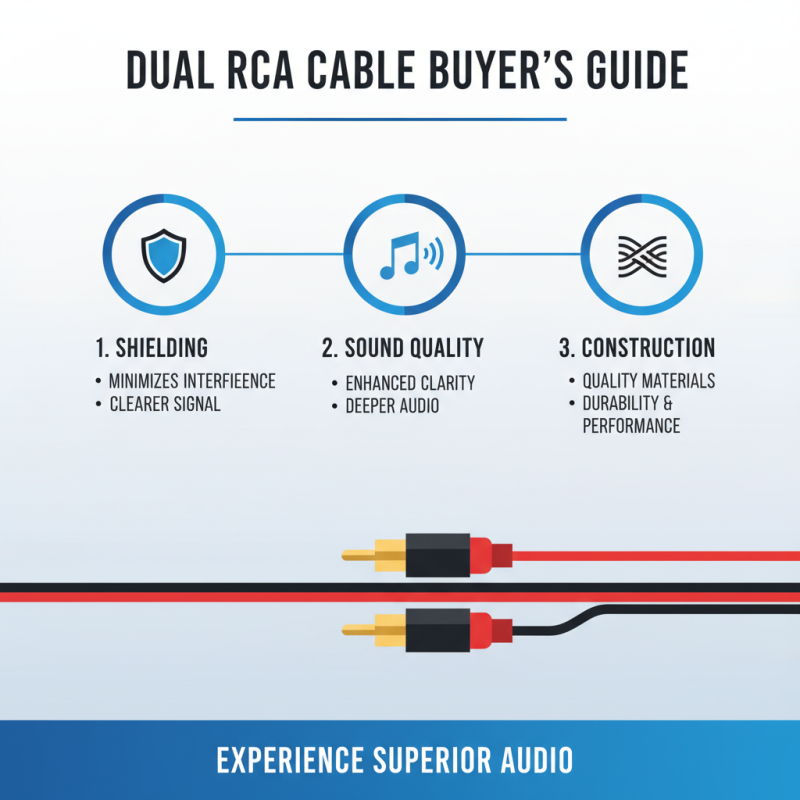
When choosing dual RCA cables, several key features impact audio quality. The construction quality is vital. Look for cables with thick shielding to avoid interference. Poor shielding can distort sound. A typical high-quality cable may have three layers of protection. This significantly reduces external noise.
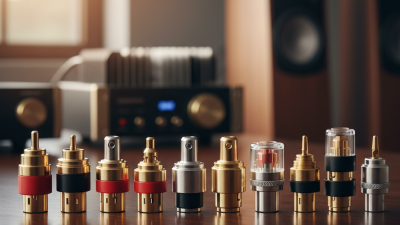
Another feature to consider is the connector type. Gold-plated connectors resist corrosion and maintain a reliable connection. However, they can be costly. A balanced connection reduces signal degradation. This is crucial for long-distance runs. Research shows that a balanced line can reduce noise levels by up to 60%.
Tip: Always measure the distance between your devices before buying. This helps in selecting the right cable length.
Tip: Consider the gauge of the wire. A lower gauge means thicker cables, which can handle more power and reduce signal loss.
Keep in mind that even higher-quality cables may not eliminate all noise. Sometimes, they can introduce a new set of issues. Regularly check connections for wear and tear. Quality control is essential, but human error can’t be overlooked. Opt for vendor reliability and rigorous testing. This can make a difference, ensuring your audio system delivers the best performance.
Audio Quality Comparison of Dual RCA Cables
This chart displays the audio quality comparison of various dual RCA cables based on key features such as signal clarity, build quality, and frequency response. The data reflects subjective ratings derived from user feedback on a scale of 1 to 10.
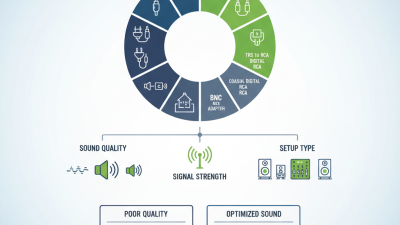
Comparing Dual RCA Cable Types: Shielding, Materials, and Performance
When choosing dual RCA cables, several factors affect audio quality. Shielding is essential. It protects against interference. Look for cables with high-quality shielding. This will keep your sound clear.
Material matters too. Copper connectors are preferred for audio connections. They provide better conductivity. Gold-plated connectors resist corrosion. This can enhance durability. Poor materials can lead to degraded sound quality. Always check the specifications for the best results.
**Tips:** Always test cables before use. A short test can reveal potential issues. A loose connection often goes unnoticed until it’s too late. Look for customer reviews that mention performance. Real user feedback can guide your choice.
Impact of Cable Length on Audio Quality: Guidelines and Considerations
The quality of an audio connection can greatly depend on cable length. For dual RCA cables, longer lengths can mean more signal degradation. This degradation often results in a loss of clarity and richness in sound. Shorter cables generally provide a cleaner signal. It’s usually best to keep cable runs as short as possible.
**Tips:** Always measure the distance between your devices before purchasing cables. This avoids getting cables that are too long. Look for cables that balance length with your setup needs. Adjusting the placement of devices can help minimize cable lengths.
Overly long cables might seem convenient, but they can cause interference. You may notice a drop in audio fidelity. If you need longer runs, consider using higher quality cables. Ultimately, it’s about meeting your specific needs with trial and error. Reducing unnecessary length is often more effective than relying on expensive alternatives.
Dual RCA Cable Best Options for High Quality Audio Connections
| Cable Length |
Material |
Shielding Type |
Frequency Response |
Impedance |
| 3 ft |
Oxygen-Free Copper |
Double Shielded |
20 Hz - 20 kHz |
75 Ohm |
| 6 ft |
Copper Clad Aluminum |
Single Shielded |
20 Hz - 25 kHz |
75 Ohm |
| 10 ft |
Pure Copper |
Double Shielded |
20 Hz - 30 kHz |
75 Ohm |
| 15 ft |
Silver Plated Copper |
High Precision Shielding |
20 Hz - 25 kHz |
75 Ohm |
| 25 ft |
Oxygen-Free Copper |
Dual Shielded |
20 Hz - 20 kHz |
75 Ohm |