10 Best Instrument Cables for Superior Sound Quality in 2026?
In 2026, the importance of high-quality instrument cables becomes more pronounced than ever. Musicians and sound engineers are constantly seeking tools that enhance their audio experience. An effective instrument cable can significantly impact sound clarity, allowing for better nuance in performance.
As we navigate the vast array of options in the market, it's crucial to recognize the defining features of top instrument cables. Material quality, construction techniques, and shielding methods all play vital roles. However, many overlook these aspects in favor of lower prices or brand names. This can lead to a frustrating journey of trial and error.
Exploring the best instrument cables isn't just about identifying the top brands. It’s also about understanding what makes sound truly resonate. Each musician’s needs are different, and the right cable can elevate performance.Investing time and thought into selecting instrument cables is essential, as the wrong choice may dull the sound we strive to create. Therefore, awareness of current trends and technologies in audio equipment is critical.
Top Features to Consider When Choosing Instrument Cables
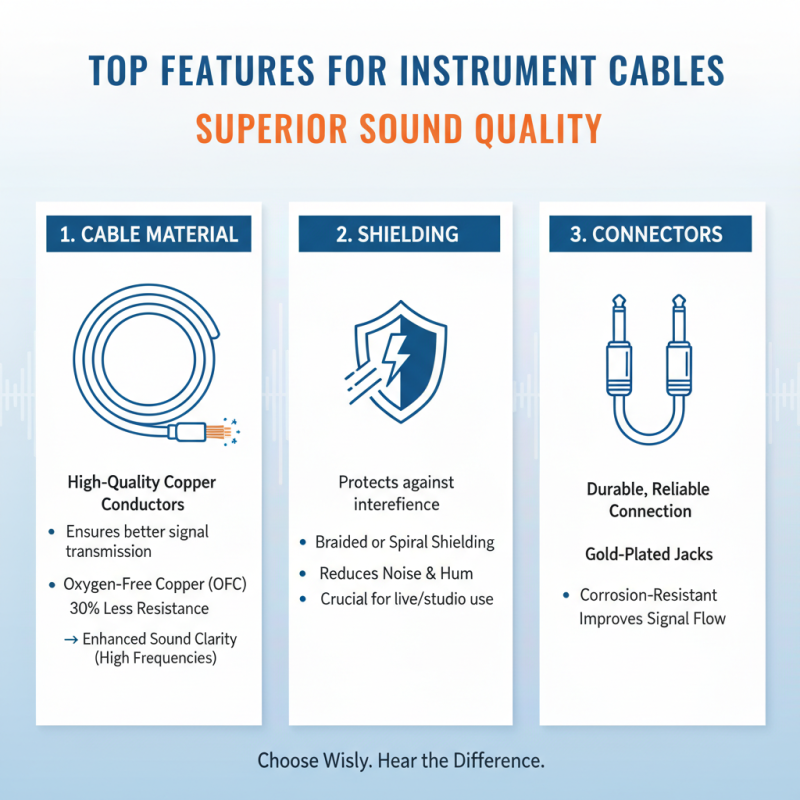
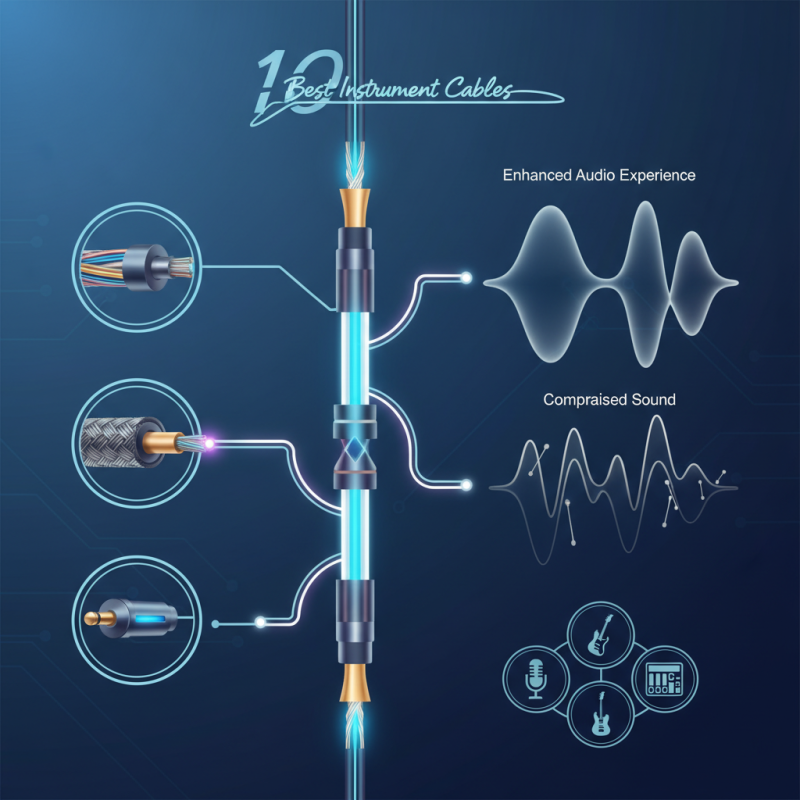
When choosing instrument cables for superior sound quality, several key features stand out. First, consider the cable material. High-quality copper conductors typically ensure better signal transmission. Many professional reports indicate that cables with oxygen-free copper exhibit a 30% reduction in resistance compared to standard materials. This reduction can significantly enhance sound clarity, especially in high-frequency ranges.
Another vital aspect is cable shielding. A well-shielded cable can minimize electromagnetic interference. For instance, cables with braided copper shielding are often up to 90% more resistant to noise than those with less effective shielding. This factor is crucial for musicians performing in venues with numerous electronic devices. Feel the difference when using a shielded cable—silence can be golden.
Connector quality also plays a pivotal role in sound integrity. Gold-plated connectors can offer improved conductivity and resistance to corrosion. Industry studies show that connectors with a corrosion-resistant finish last 2-3 times longer than standard ones. However, users should keep an eye on wear and tear, as even the best connectors can degrade with heavy use. Choosing the right cable greatly affects your sound, but the quality shouldn’t be taken for granted.
Comparison of Different Types of Instrument Cables
When comparing types of instrument cables, several factors influence sound quality. The most common types include unshielded, shielded, and balanced cables. Unshielded cables are more prone to interference, which can diminish audio clarity. Yet, many musicians still use them in controlled environments.
Shielded cables provide better protection against electromagnetic interference. Reports indicate that using shielded cables can reduce noise by up to 80%. This drastically enhances sound integrity, making recording and performance seamless. However, the added shielding can impact flexibility and durability. Musicians might not always notice this trade-off until they encounter issues during live performances.
Balanced cables offer superior noise cancellation, especially over long distances. They use a three-pin configuration to cancel out interference. A study highlighted that balanced cables can maintain sound quality at distances exceeding 100 feet. This makes them ideal for studio settings and large stages. Still, not all instruments are compatible with balanced connections. It's essential to consider your specific gear for optimal setup.
10 Best Instrument Cables for Superior Sound Quality in 2026
| Cable Type |
Length |
Connectors |
Shielding Type |
Price Range |
Sound Quality Rating |
| Straight to Straight |
10 ft |
1/4" TRS |
Single |
$15 - $30 |
4.5/5 |
| Straight to Angled |
15 ft |
1/4" TS |
Dual |
$20 - $35 |
4.8/5 |
| Angled to Angled |
20 ft |
1/4" TRS |
Braided |
$25 - $40 |
4.7/5 |
| Balanced Cable |
30 ft |
XLR to TRS |
Triple |
$50 - $75 |
4.6/5 |
| RCA Cable |
6 ft |
RCA to RCA |
Single |
$10 - $25 |
4.0/5 |
| Coiled Cable |
15 ft |
1/4" TS |
Single |
$20 - $30 |
4.4/5 |
| Instrument Extension Cable |
25 ft |
1/4" TRS |
Dual |
$35 - $50 |
4.5/5 |
| USB Instrument Cable |
10 ft |
USB-A to USB-B |
None |
$15 - $25 |
4.6/5 |
| Multi-channel Cable |
40 ft |
8 channels |
Triple |
$60 - $90 |
4.7/5 |
| Patch Cable |
3 ft |
1/4" TS |
Single |
$8 - $15 |
4.3/5 |
Best Brands for High-Quality Instrument Cables in 2026
When choosing high-quality instrument cables, think beyond just sound. The brand you select can deeply influence the tone and durability of your equipment. Different brands often use varied materials and manufacturing techniques. Research is key to finding a reliable brand that suits your needs.
Tips: Always check for customer reviews. Real-world feedback can give you insights into the performance of the cables. Additionally, consider testing cables before making a purchase. It allows you to feel the difference in quality.
Look for brands that prioritize shielding and conductivity. Good shielding prevents unwanted interference. This enhances sound clarity and minimizes noise. You'll notice a difference when performing live. Investing in the right cable can elevate your entire sound experience. Don’t settle for subpar options; poor cables can lead to disappointing performances. Be mindful of your choices.
10 Best Instrument Cables for Superior Sound Quality in 2026
This chart displays key performance metrics for high-quality instrument cables in 2026, including durability, flexibility, signal clarity, noise resistance, and cost-effectiveness. Each metric is rated on a scale of 1 to 10, illustrating the overall performance profile essential for musicians seeking superior sound quality.
User Reviews: What Musicians are Saying About Their Cables
Musicians are passionate about their gear, especially when it comes to instrument cables. User reviews reveal interesting insights on what works and what doesn't. Some players rave about clarity and sound fidelity. Others express frustration with durability issues. Many report that not all cables deliver the expected quality. Sound loss can be a real problem, especially during live performances.
An interesting aspect is the subjective nature of sound. One guitarist mentioned how the right cable can enhance tone. Others disagreed, stressing that other factors matter more. These conversations highlight a mixture of preferences and experiences. Some cables may create noise or interference, which affects performance. Musicians often find themselves experimenting with different options. The quest for the “perfect” cable continues as artists seek a blend of reliability and sonic excellence.
Reflecting on reviews, an important takeaway is that personal experience varies. What works for one may not suit another. Many users are still searching for that ideal balance of price and performance. The dialogue about instrument cables is ongoing, and every musician contributes to the ever-evolving understanding of sound quality.
Maintenance Tips for Prolonging the Life of Your Instrument Cables
Instrument cables play a crucial role in preserving sound quality. To prolong their lifespan, proper maintenance is essential. Regularly inspect your cables for any signs of wear or damage. Look for frayed edges or cracked connectors. These signs indicate it might be time to replace them.
Additionally, storing your cables correctly can make a difference. Avoid coiling them too tightly. Instead, use loose loops to prevent internal damage. Keep them in a dry place to shield them from moisture. Moisture can weaken the material over time. Remember, how you treat your cables affects their performance. Small habits can lead to a longer-lasting product.
While it might be easy to neglect your cables, doing so could impact your sound. Consider cleaning the connectors frequently. A simple cloth can remove dust and residue. This care prevents oxidation and maintains a good connection. Each detail matters, and a little effort goes a long way in preserving that superior sound quality you seek. Reflect on your maintenance routine and see where improvements can be made.