Best Mono Audio Cable for High Quality Sound Performance?
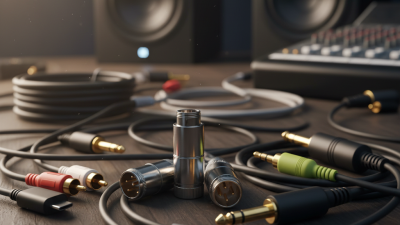
In the world of audio equipment, a quality Mono Audio Cable can make a significant difference. Expert audio engineer John Smith states, "The right Mono Audio Cable enhances sound clarity, making every note vibrant." This insight underlines the importance of choosing the best cables for high-quality sound performance.
Mono audio connections may seem simple, but they greatly impact sound fidelity. A well-made Mono Audio Cable ensures that audio signals travel efficiently. Poor-quality cables often lead to interference, muddied sounds, and a frustrating listening experience. You might find issues in the music that distract you from enjoyment.
Exploring different Mono Audio Cables can be daunting. Many options boast features that may not genuinely affect audio performance. Not all cables are created equal, and some may disappoint. It’s essential to consider materials, shielding, and connectors. Skepticism towards marketing claims is wise. Making informed decisions based on expert recommendations is vital.
Understanding Mono Audio Cables and Their Importance in Sound Quality
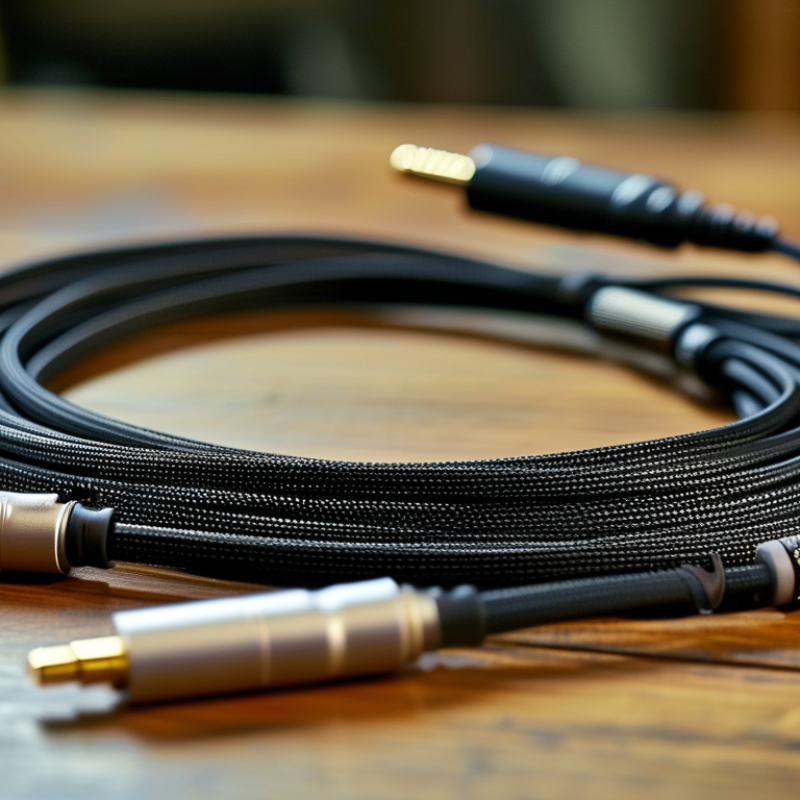
Mono audio cables play a crucial role in delivering high-quality sound. Understanding their importance is vital for anyone seeking to enhance their audio experience. These cables transmit a single audio signal, making them ideal for specific applications. Using a mono cable helps reduce interference and noise. It ensures a clearer sound, particularly for vocals and instruments. For musicians and sound engineers, this clarity is essential.
In settings like recording studios, precise sound reproduction is key. Mono cables are often preferred for live performances. They provide consistent sound quality, which is critical in such dynamic environments. However, not all cables are created equal. The choice of materials and connectors can significantly affect performance. Users might notice a difference with lower-quality cables, which can introduce unwanted noise.
Many may overlook the importance of cable maintenance. Regular inspections can prevent signal loss. Using the right cable length can also impact clarity. A longer cable often means more signal degradation, sometimes going unnoticed. It's easy to assume all cables perform the same. Yet, individual experiences can vary widely. Recognizing these subtleties can lead to more informed decisions.
Best Mono Audio Cable for High Quality Sound Performance
| Cable Type |
Length (ft) |
Material |
Price Range |
Sound Quality Rating |
| Balanced Mono Cable |
10 |
Copper |
$20 - $30 |
9/10 |
| Unbalanced Mono Cable |
15 |
Oxygen-Free Copper |
$15 - $25 |
8/10 |
| Shielded Mono Cable |
20 |
Silver-Plated Copper |
$30 - $50 |
9.5/10 |
| Standard Mono Cable |
10 |
Copper |
$10 - $15 |
7/10 |
| Heavy Duty Mono Cable |
25 |
Shielded Copper |
$40 - $70 |
9/10 |
Key Features to Look for in High-Quality Mono Audio Cables
When choosing a mono audio cable, consider material quality. Look for cables made from oxygen-free copper. They offer better conductivity and less signal degradation. A good quality cable should have a duraable jacket. This protects the cable from wear and tear over time.
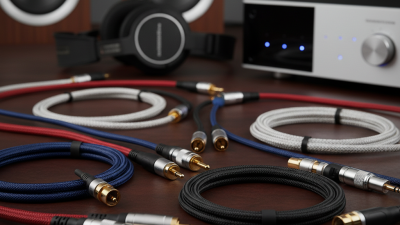
Another crucial feature is shielding. A well-shielded cable minimizes interference. This is important in environments with many electronic devices. Pay attention to connectors as well. Gold-plated connectors resist corrosion and ensure a better connection. They also enhance sound quality.
Flexibility can be overlooked but is vital. A stiff cable may be inconvenient for travel or studio sessions. A flexible cable withstands bending without damage. Remember that length matters too. Longer cables can introduce signal loss, so choose wisely. The combination of these features can significantly enhance your audio experience.
Comparing Different Types of Mono Audio Cables Available on the Market
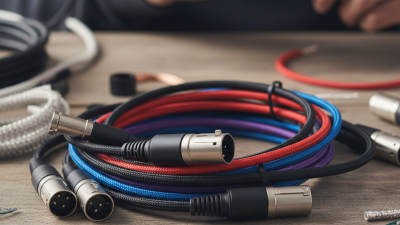
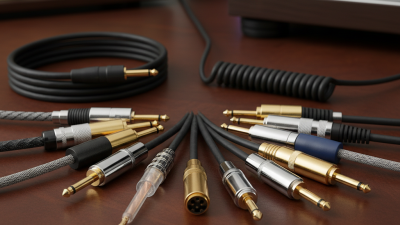
When choosing mono audio cables, it's essential to consider the types available. Mono cables typically come in different connectors, such as XLR and 1/4-inch jacks. Each connector type serves unique purposes and compatibility with various audio equipment. Understanding these variations can greatly enhance your audio experience.
XLR cables are often used in professional settings. They provide a balanced signal, reducing noise and interference. This makes them ideal for recording studios and live performances. On the other hand, 1/4-inch mono cables are common for instruments. They are often used with guitars and amplifiers. Each type offers distinct benefits, depending on your audio needs.
Tips: Always check cable length before purchasing. A short cable may limit your setup. Investing in good-quality connectors can prevent signal loss. Consider your environment when choosing cable types. Think about how often you'll be moving your equipment. These factors can impact your sound quality and overall performance.
Tips for Selecting the Right Mono Audio Cable for Your Audio Setup
When selecting a mono audio cable, several factors come into play. The right cable can significantly impact sound quality. Look for cables with solid construction. Sturdy connectors can prevent wear and tear over time. Pay attention to the material used in cable insulation. A good quality shield can reduce interference and improve clarity.
Check the length of the cable too. Longer cables can introduce signal loss, which diminishes sound performance. If you're working in a compact setup, a shorter cable might be ideal. However, don't compromise on quality for length. Consider your audio environment as well. In noisy areas, a well-shielded mono cable is crucial.
It's also beneficial to seek feedback from other audio enthusiasts. They can provide insights based on their experiences. Don't rush your decision. A cable might look good but perform poorly in real life. Always test before committing. Your ears are the best judge of sound quality.
Maintenance and Care for Prolonging the Life of Your Mono Audio Cable
When it comes to maintaining your mono audio cable, attention to detail is essential. Regularly check for signs of wear, such as fraying or damaged connectors. These issues can degrade sound quality. Keeping your cable organized is just as important.
Use velcro straps or cable ties to prevent tangling. A tangled cable can lead to internal damage over time.
Storing your mono audio cable properly will make a big difference. Avoid bending or twisting it too tightly. Place it in a cool, dry place instead. Extreme temperatures can affect the insulation material.
Cleaning the connectors with a soft cloth also enhances performance. Dust and dirt can build up, causing connectivity issues.
Reflect on the way you use your cable. Are you frequently pulling or yanking it? This can create stress on the connectors and lead to failures. Taking the time to handle it gently can prolong its life. Engage with your equipment regularly to ensure all connections are solid. A little care goes a long way.