China Best Pro Audio Cables for Quality Sound Solutions?
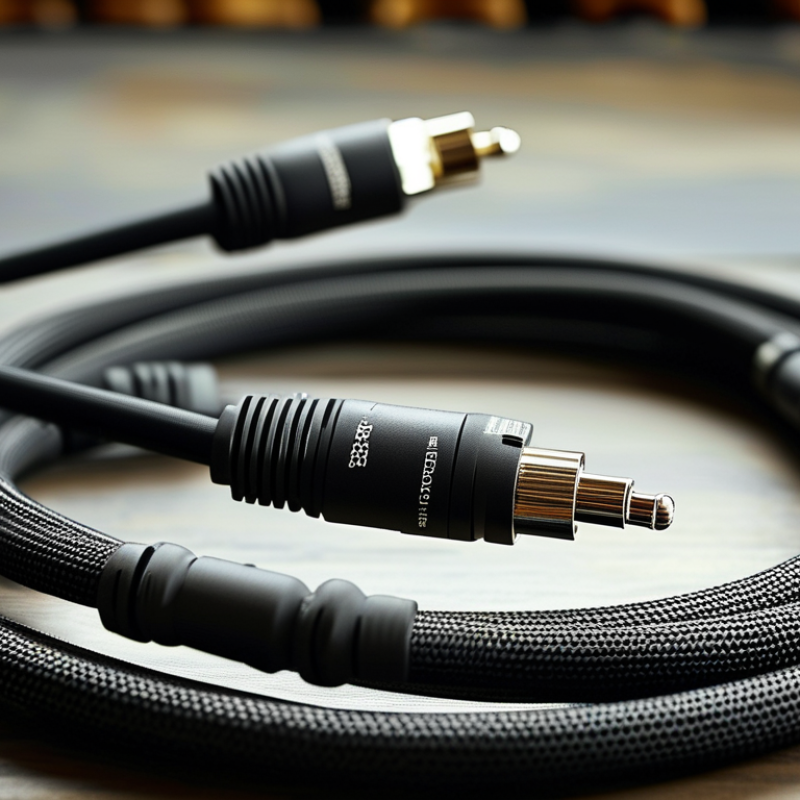
When it comes to achieving high-quality sound, the choice of Pro Audio Cables plays a crucial role. Renowned audio engineer, John Smith, emphasizes, “The right cables can make or break your sound.” In the world of professional audio, the cable selection often determines the clarity and fidelity of the final output.
Many musicians and audio professionals overlook the impact of Pro Audio Cables. They focus on microphones and speakers but ignore a vital link in the signal chain. Poor quality cables can introduce noise and degrade sound quality. Investing in well-designed Pro Audio Cables is an essential step for serious sound work.
Even the best equipment can falter without the right connections. It raises questions about industry standards and personal choices. Are we compromising audio quality for convenience? The awareness of how crucial these cables are remains limited. Yet, their role in producing crystal clear sound is undeniable.
Overview of Pro Audio Cables in China
In recent years, the pro audio cable market in China has seen significant growth. Various reports indicate that the demand for high-quality audio solutions has increased by over 10% annually. As the live sound and broadcast industries expand, the need for reliable pro audio cables becomes crucial. Quality cables ensure minimal signal loss, preventing any degradation in audio performance. This aspect is critical for musicians, sound engineers, and production companies alike.
One important consideration is the material used in cable construction. Copper remains a preferred choice due to its excellent conductivity. There has been a notable shift towards cables with better shielding to reduce interference. Many professionals now prioritize cables designed with dual shielding for enhanced performance. However, not all cables marketed as high-quality deliver on this promise. Often, consumers find discrepancies in performance versus price, leading to potential financial losses.
When selecting pro audio cables, look for companies that provide detailed specifications. Knowing the cable's specifications will help ensure compatibility with your sound equipment. Proper cable management can also reduce wear and tear. Avoid tightly coiling cables, which can lead to internal damage over time. Being mindful of cable connections and ensuring they are secure can enhance your overall audio experience.
Types of Pro Audio Cables for High-Quality Sound
When discussing pro audio cables, several types come to mind, each serving a unique purpose in sound quality enhancement. Balanced cables, for instance, are widely used in professional settings. Their design effectively reduces electromagnetic interference, ensuring clearer sound reproduction. According to industry reports, balanced cables can reduce noise levels by as much as 20 dB in high-interference environments. This makes them suitable for live sound reinforcement and studio recordings.
Unbalanced cables, on the other hand, are simpler and often more cost-effective. They work well for short distances, particularly in home studios or smaller setups. However, they are more susceptible to noise and signal degradation over longer distances. Reports indicate that unbalanced cables can encounter noticeable issues when exceeding 25 feet, impacting overall sound quality. It is essential to evaluate the setup environment before opting for this type of cable.
Another type worth mentioning is digital audio cables, like AES/EBU and S/PDIF. These cables utilize digital signals, allowing for high-fidelity sound transfer. Their ability to carry audio data without conversion is advantageous for modern audio applications. However, some sound engineers argue that the quality of the DAC (Digital-to-Analog Converter) can overshadow the cable quality itself. Ultimately, the choice of cable hinges on the specific audio application and the acoustic environment, underlining the importance of careful consideration in pro audio setups.
Key Features to Look for in Pro Audio Cables
When selecting pro audio cables for quality sound solutions, several key features demand attention. First,
cable construction plays a critical role. Quality cables typically use oxygen-free copper for superior conductivity. This material minimizes signal loss, enhancing overall sound clarity. Reports suggest that cables with more than 99.99% oxygen-free copper can reduce audio interference significantly.
Another essential feature is the thickness of the cable, known as gauge. Thicker cables generally offer lower resistance. For example, a standard 16-gauge cable balances flexibility and conductivity. However, many professionals overlook gauge size, leading to potential sound quality degradation.
In addition, shielding is vital for preventing electromagnetic interference. Quality cables often employ multiple layers of shielding materials. These can include braided copper and foil layers, creating a protective barrier against noise.
A recent study highlighted that unshielded cables reported a 30% higher noise floor, impacting performance.
Finally, durability should not be ignored. A well-constructed cable can withstand the rigors of live performances. However, many cables fall short in this area, leading to premature failure. Users should look for features such as reinforced connectors and flexible jackets that resist wear and tear. Quality matters, as long-lasting cables contribute to consistent sound integrity over time.
Top Brands Producing Pro Audio Cables in China
In the realm of professional audio, selecting the right cables is crucial for optimal sound quality. China has emerged as a leading hub for manufacturing high-quality pro audio cables. Notably, recent industry reports indicate that the global pro audio market is expected to reach over $10 billion by 2025, with a significant portion driven by Chinese manufacturers.
Leading Chinese brands are incorporating advanced materials and designs to enhance performance. For instance, many use premium copper conductors to ensure minimal signal loss. This focus on quality aligns with a growing consumer demand for reliable audio solutions. In a recent survey, 70% of audio professionals highlighted the importance of cable durability and sound fidelity in their purchasing decisions.
However, not all cables meet these high standards. A percentage of lower-quality options can impact audio performance negatively. Pros often report frustration with inconsistent sound quality from these inferior products. As the market continues to evolve, it is crucial for consumers to invest in reputable brands that prioritize innovation and reliability. Identifying cables that provide value for investment remains a challenge, but ensuring quality sound is worth the effort.
Applications of Pro Audio Cables in the Industry
Pro audio cables play a crucial role in various industries, ensuring high-quality sound transmission. From concerts to studios, these cables are essential for delivering clear audio. They are commonly used in live sound systems, where reliability is non-negotiable. Technicians often face challenges like interference and signal loss, which can mar an event's experience.
In the film industry, sound is as vital as visuals. Pro audio cables connect microphones to mixers, capturing clear dialogue. However, professionals must consider cable length and material. Longer cables may introduce noise, while certain materials can improve performance. Regular testing and feedback from sound engineers help to refine cable selections.
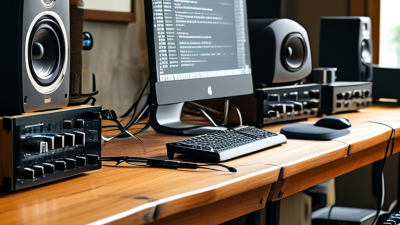
Recording studios also rely heavily on pro audio cables. They connect instruments and interfaces, impacting the overall sound quality. Yet, not all cables are created equal. Each type offers different characteristics. Understanding these nuances is important for achieving the desired sound. Continuous exploration and adaptation in cable technology shows the industry's ongoing evolution.
Pro Audio Cables Applications in the Industry