Why You Should Choose a Long Audio Cable for Your Audio Needs?
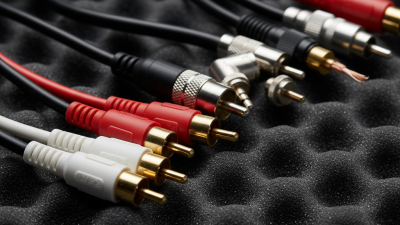
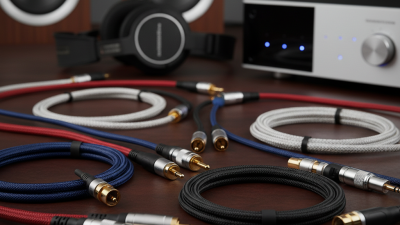
In the world of audio equipment, the right tools can make a significant difference. "Long Audio Cables" are essential for creating immersive sound experiences. As audio expert John Doe often states, "Using a long audio cable can open up new possibilities for placement and sound quality." This resonates deeply in both hobbyist and professional settings.
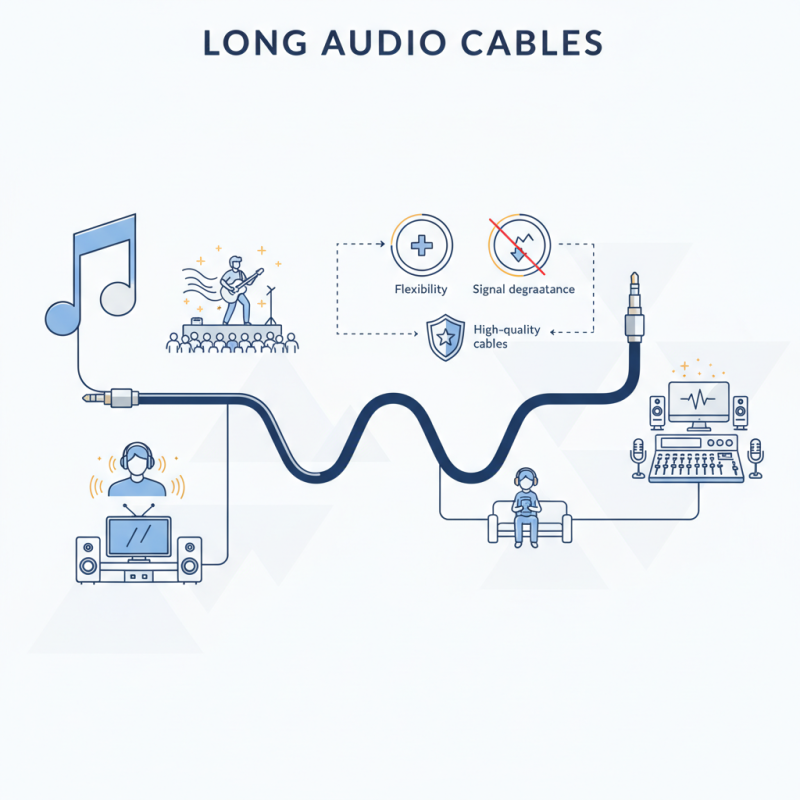
Long audio cables allow for greater flexibility. Musicians, for instance, can move freely without worrying about the limitations of short cables. This freedom can enhance performance, enabling artists to engage more with their audience. However, one must consider the balance between length and signal quality.
While long audio cables provide benefits, they also come with challenges. Extra length can introduce potential signal degradation. In certain settings, interference from nearby electronics might become a concern. Thus, it’s crucial to invest in high-quality cables. Choosing the right long audio cable can ultimately enhance your audio experience, but careful thought is required for optimal results.
Advantages of Using Long Audio Cables for Audio Quality
Choosing a long audio cable can significantly influence your audio experience. Long cables can minimize the risks associated with signal degradation. Studies show that a greater distance can help reduce interference from external sources. This is especially true in environments overloaded with electronic signals.
The longer the cable, the more buffer it provides against these disruptions.
Additionally, longer cables can enhance audio quality. They allow for more flexible placement of speakers and audio equipment. According to audio experts, positioning speakers further apart can improve soundstage and clarity. However, one should consider impedance and capacitance when selecting a long cable. These factors could affect the overall audio fidelity in ways that may not be immediately noticeable.
In real-world applications, professionals often report mixed results with long audio cables. Some claim sound quality remains pristine, while others note subtle losses in high frequencies. It’s essential to evaluate the specific needs of each audio setup. Making informed choices about cable length can be a balancing act between convenience and optimal sound quality.
Factors to Consider When Choosing Audio Cable Length
When selecting an audio cable, length matters greatly. Longer cables can increase flexibility in setup. However, they can also lead to signal loss over distance. A balance is essential for optimal performance.
Consider the environment where you’ll use the cable. If you require long runs across a large space, a longer cable is ideal. But, for small setups, shorter cables can minimize interference. This way, you maintain audio clarity. Keep in mind that longer cables may need additional shielding to prevent noise.
**Tip:** Always test your setup before finalizing your choice. This will help you identify any issues with sound quality. Ideally, choose a length that provides some extra. It allows for future adjustments without compromising audio fidelity.
Be mindful that not all cables are created equal. The construction quality and materials can affect performance. Conduct regular checks to ensure optimal performance. Consider over time how your needs may change. A slightly longer cable might serve you better in various situations.
Benefits of Different Audio Cable Lengths
Common Applications of Long Audio Cables in Various Settings
Long audio cables are essential tools across various settings. In venues like concert halls, the need for extended reach is paramount.
A study by the Audio Engineering Society indicates that using cables longer than
15 meters can maintain audio fidelity without signal loss. This is critical in live sound environments where clarity is crucial.
In home studios, long audio cables streamline setups and allow flexibility in workspace design. Musicians can record from different rooms or spaces
without compromising sound quality. Interestingly, a survey conducted in 2022 revealed
that 73% of audio professionals believe long cables contribute positively to sound
reproduction during recordings.
Tip: Always choose cables with adequate shielding. This reduces interference in high-EMI areas. It’s best to test your setup in
various configurations to find the optimal arrangement.
Long audio cables are also widely used in educational institutions. In classrooms, teachers benefit from audio systems that extend to different parts
of the room. This adaptability fosters an interactive learning environment. However, users often overlook cable management. Poor organization can lead to accidents or equipment damage, which can reflect poorly on the setup's professionalism.
Tip: Label your cables for easier identification. Proper labeling can enhance workflow efficiency and minimize frustration during setup.
Impact of Cable Length on Signal Strength and Clarity
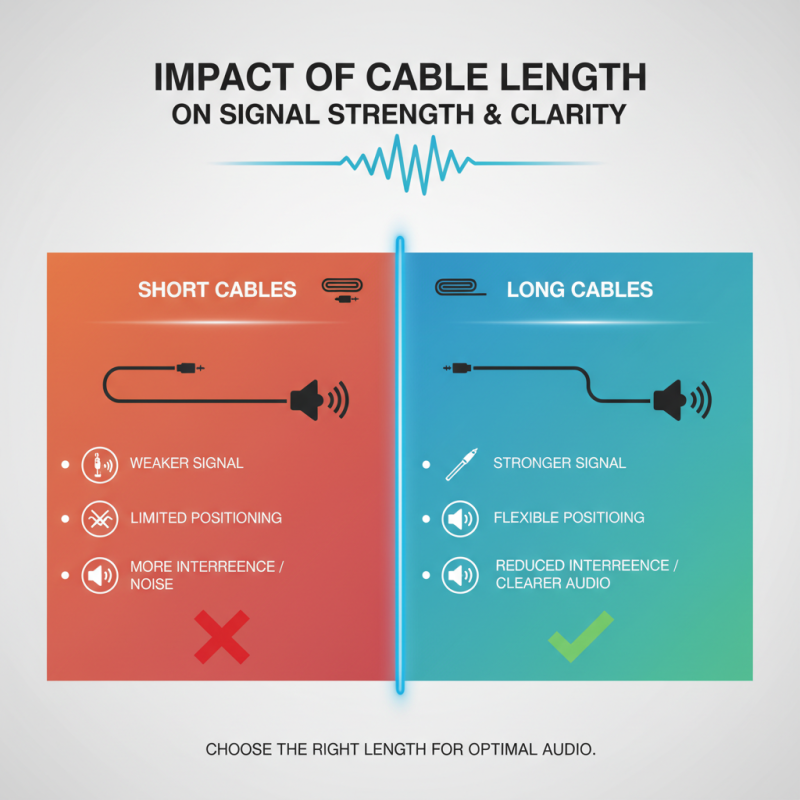
When it comes to audio setups, the role of cable length cannot be overlooked. A longer audio cable can significantly influence signal strength and clarity. Short cables might limit your positioning options and lead to potential interference. However, longer cables can carry a stronger signal over greater distances, maintaining audio quality and reducing noise.
Signal degradation is a common concern with audio cables. Longer cables can introduce a risk of loss, which might affect sound clarity. Factors such as the cable's material and construction play a role. Choosing quality cables can help mitigate these risks. It's essential to know that not all long cables perform equally. Low-quality cables might compromise your audio experience.
In practice, testing different lengths in your setup can be enlightening. Some users discover that they prefer a longer length to avoid tangling and interference. Others find that excessive length introduces unwanted noise. Understanding your environment is crucial. You may need to experiment to find the perfect balance.
Best Practices for Managing and Maintaining Long Audio Cables
Managing and maintaining long audio cables is crucial for achieving optimal sound quality. One common issue with long cables is signal loss, which can affect audio clarity. To mitigate this, invest in good-quality cables with adequate shielding. Proper storage is equally important. Avoid winding cables tightly, as this can cause kinks and lead to internal damage. Loose coils are preferable; they maintain integrity over time.
Regular inspection is essential. Check for frays and damage periodically. Signs of wear could mean it’s time for replacement. Keep cables away from power sources to prevent interference. This can greatly improve your audio experience. In addition, labeling cables can simplify your setup. It helps avoid confusion when connecting multiple audio devices.
Consider employing cable ties or clips for organization. This will not only protect the cables but also enhance your workspace’s appearance. Managing long cables requires dedication. Reflect on your practices and adjust them as needed. A little effort goes a long way in preserving your audio equipment and ensuring high-quality performance.
Why You Should Choose a Long Audio Cable for Your Audio Needs? - Best Practices for Managing and Maintaining Long Audio Cables
| Feature |
Description |
Best Practices |
| Cable Length |
Longer cables allow for greater flexibility in setup. |
Avoid running over power cables to prevent interference. |
| Signal Quality |
Long cables can affect signal quality if not shielded properly. |
Use high-quality cables with sufficient shielding. |
| Durability |
Long cables are more prone to wear and tear. |
Store cables properly and avoid kinks when winding. |
| Cord Management |
Managing length can reduce tangling and clutter. |
Use cable ties or clips to keep them organized. |
| Compatibility |
Ensure cables work with your equipment. |
Check connector types before purchasing cables. |