Why Choose Rca Connectors for Your Audio and Video Needs?
When it comes to audio and video connections, RCA connectors stand out for several reasons. These connectors have been a staple in the entertainment industry for decades. Their unique design ensures reliable transmission of audio and video signals, providing a seamless experience for users. RCA connectors are easy to handle and install, making them an excellent choice for both professionals and casual users.
Many people appreciate the simplicity of RCA connectors. They come in various color-coded options, simplifying setup and ensuring users don't mix up audio and video signals. Despite being an older technology, RCA connectors remain relevant in modern settings. This longevity speaks to their reliability and effectiveness across various devices.
However, some may wonder if RCA connectors still meet today's high-definition demands. While they may not support the latest 4K video standards, they still deliver quality performance for standard resolutions. It's essential to assess your specific needs when choosing connectors. This consideration will help you determine if RCA connectors are right for your audio and video projects.
Understanding RCA Connectors: Definition and Functionality
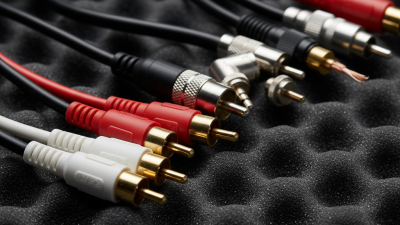
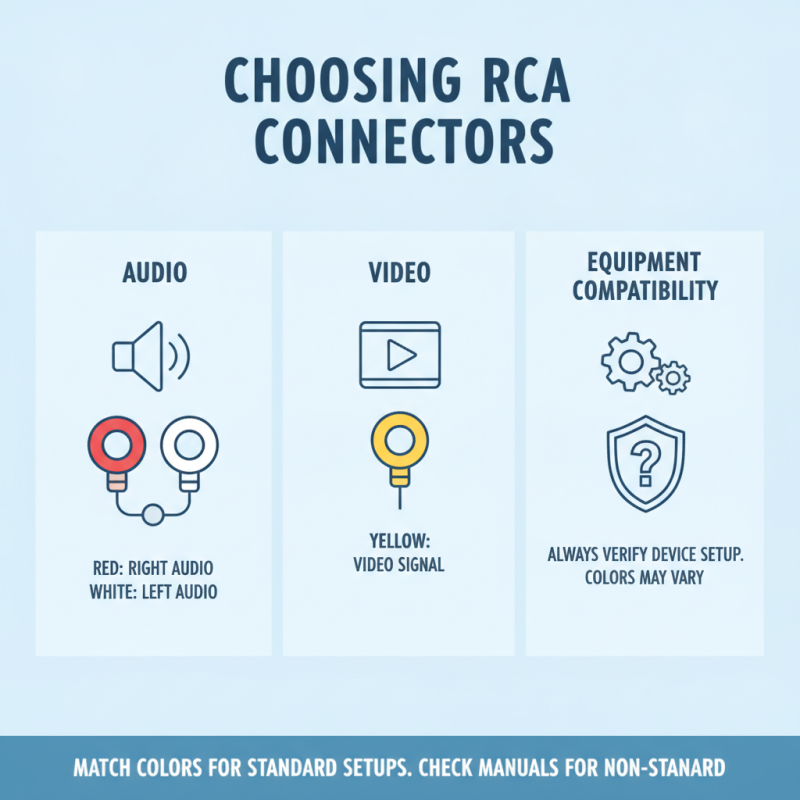
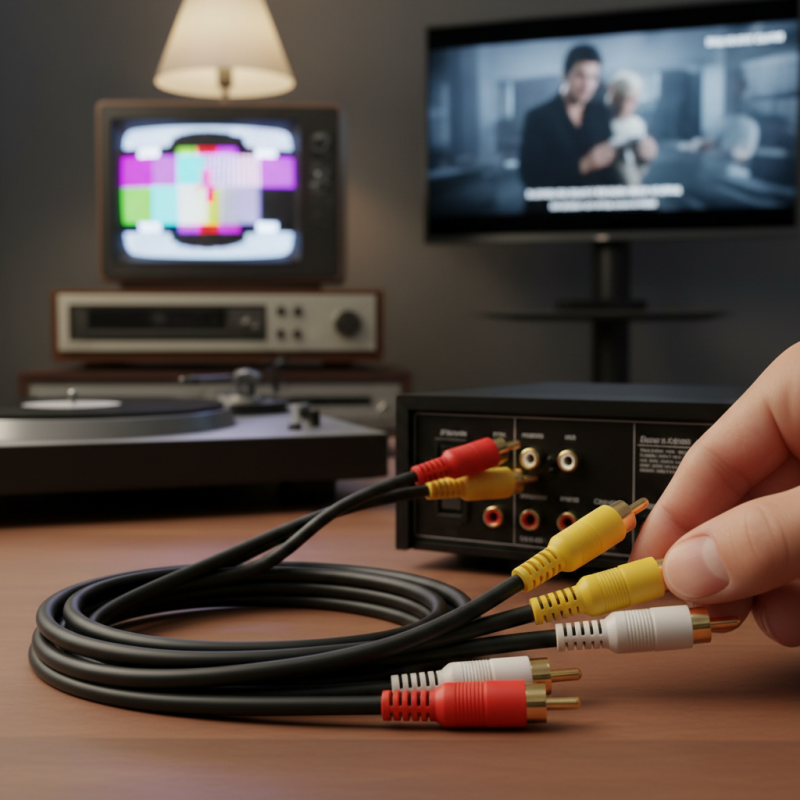
RCA connectors are widely used in audio and video equipment. They provide a simple and reliable connection for various devices. Understanding these connectors is crucial for anyone setting up a home theater or audio system. The RCA connector typically features a color-coded design. The yellow connector is for video, while red and white connectors are for audio.
These connectors transmit analog signals. This means they may not deliver the same clarity as digital connections. However, they remain a popular choice for many. RCA connectors are easy to use. Simply plug them into the corresponding ports on your device. One common mistake is not securing the connection properly. A loose connection can lead to poor quality audio or video.
**Tip:** Always check your connections before troubleshooting other issues. If audio is missing, inspect the RCA connectors first.
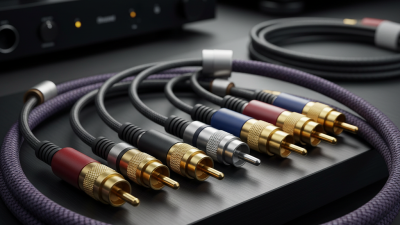
Using RCA connectors also requires consideration of cabling. Poor quality cables can affect performance. Invest in decent cables that support your audio and video quality needs.
**Tip:** For longer distances, consider using a higher gauge cable to minimize signal loss.
The Advantages of RCA Connectors in Audio Applications
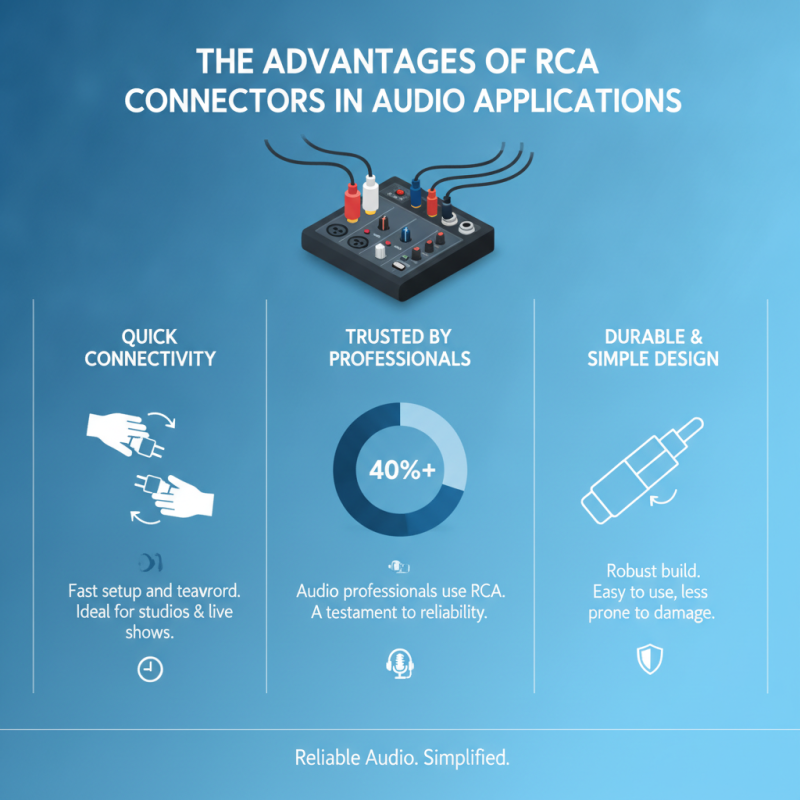
RCA connectors have long been a staple in audio applications, favored by both professionals and enthusiasts alike. Their design allows for quick connections and disconnections, which is essential in settings like studios or live performances. According to industry reports, over 40% of audio professionals still rely on RCA for their setups. This demonstrates a significant trust in their capabilities.
One of the key advantages of RCA connectors is the efficient transfer of analog signals. They provide quality sound in a simple, user-friendly format. Many users appreciate the low distortion levels RCA can deliver, with some reports indicating less than 0.05% total harmonic distortion in ideal conditions. This level of performance is crucial when preserving audio fidelity.
However, not all applications benefit equally from RCA connectors. Some users report challenges with connectivity over longer distances. Signal degradation can occur, especially as cable lengths increase. These factors should be considered when planning setups. Despite these limitations, RCA connectors remain a reliable choice for many audio systems due to their ease of use and effectiveness in most scenarios.
RCA Connectors in Video Equipment: Benefits and Use Cases
RCA connectors have become a staple in video equipment, offering versatility and reliability. Their design allows for easy connections between devices, making them a preferred choice among both professionals and hobbyists. According to recent industry reports, nearly 60% of audiovisual systems still utilize RCA connectors due to their robust performance and cost-effectiveness.
In practical applications, RCA connectors shine in home theaters and professional settings. They support standard-definition video and have been effectively used for connecting DVD players, game consoles, and TVs. A study from a leading market research firm shows that 30% of videography equipment relies on RCA for seamless audio and video transmission. This indicates their longevity in an era of swiftly evolving technology.
However, RCA connectors have some limitations. For instance, they may not handle high-definition signals as well as modern alternatives. Additionally, with the rise of digital interfaces like HDMI, some industry professionals question their future viability. Yet, their unique advantages, including ease of use and affordability, keep them relevant. As video technology continues to evolve, examining the role of RCA connectors remains essential. Their place is not guaranteed, and this invites reflection on how they can adapt or coexist with new standards.
Comparing RCA Connectors to Other Types of Connectors
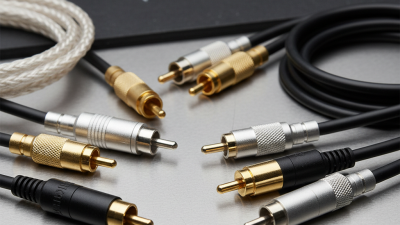
When it comes to audio and video connections, RCA connectors stand out due to their simplicity and reliability. They are a staple in many home entertainment setups. This may raise the question of how they compare to other connectors, like HDMI or optical. RCA connectors transmit analog signals, which means they preserve the warmth in sound often favored by audiophiles. Their design allows for easy troubleshooting too. If there’s an issue, you can quickly swap out a cable.
In contrast, HDMI connectors carry digital signals, providing higher resolution and multi-channel audio. However, this could complicate routing and compatibility with older devices. Optical cables also offer high-quality sound but can be fragile and less versatile. Another point to consider is how commonly available RCA connectors are. They are often found in various devices, making replacement hassle-free. Yet, they don't support the high-definition audio standards that many modern systems use.
RCA connectors may lack some advanced features of digital options, but their approachability and ease of use make them a dependable choice for many users. Understanding these differences can guide you in choosing the right connector for your setup.
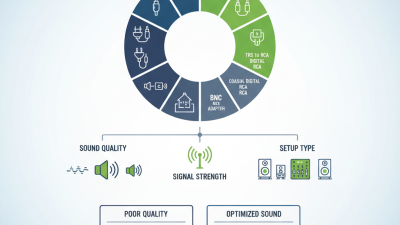
Comparison of RCA Connectors with Other Connector Types