How to Choose the Right Rca Wire for Your Audio Setup?
Choosing the right RCA wire for your audio setup can significantly impact sound quality. Industry expert John Smith, a well-respected audio engineer, emphasizes, "The right cable can transform your listening experience." RCA wires are essential for connecting various audio devices, yet many overlook their importance.
When selecting RCA wires, consider factors like build quality, length, and shielding. Quality materials help reduce signal interference. Shorter lengths often yield better audio clarity. However, you may not always find the perfect wire in a store. Sometimes the options in front of you may feel limiting or confusing.
It’s important to understand your audio needs. Not every RCA wire will suit every setup. Experimenting might be necessary. Recognizing that the best choice can vary will help you refine your search. Ultimately, better choices in RCA wires lead to enhanced audio performance and enjoyment.
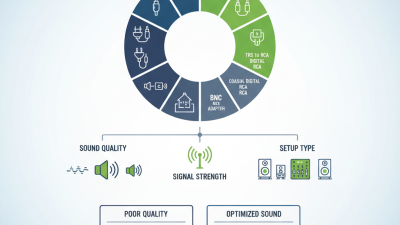
Understanding RCA Wire Types: Differences in Connection and Sound Quality
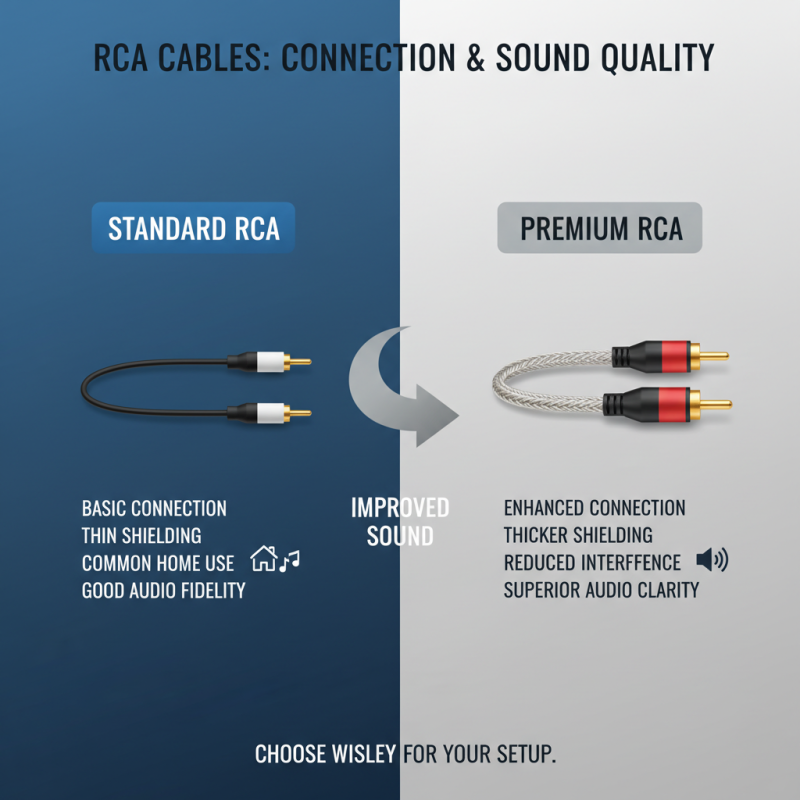
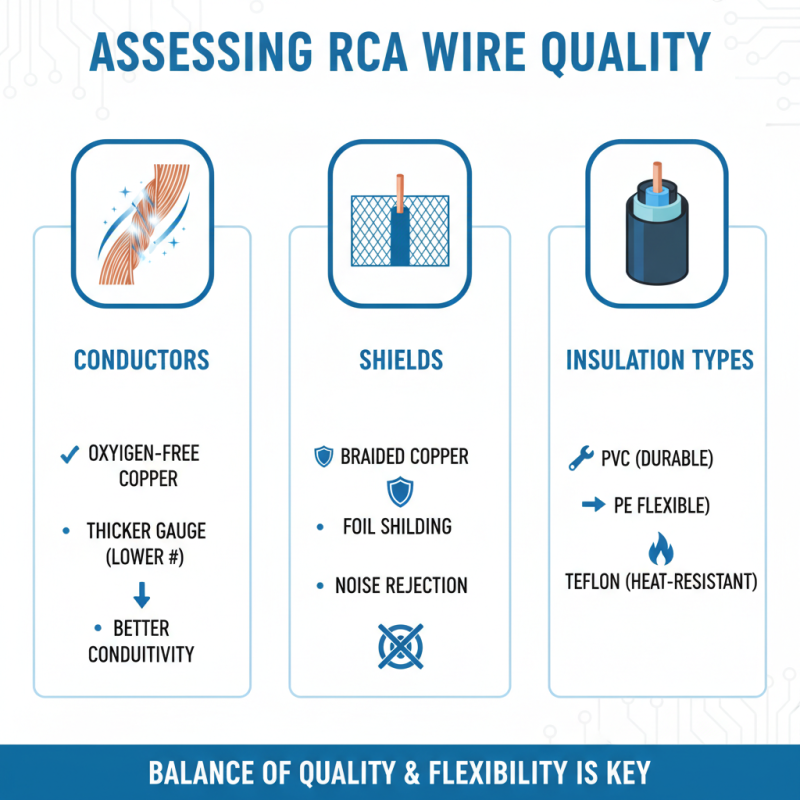
When setting up an audio system, the choice of RCA wire is crucial. RCA cables come in several types, each affecting sound quality differently. Standard RCA cables are designed for basic connections. They work well in most home setups, but may not provide the best audio fidelity. For improved clarity, look at thicker cables with better shielding. These reduce interference, allowing for clearer sound.
The material of the RCA wire also matters. Many cables use copper, which offers excellent conductivity. Some high-end options feature gold plating, enhancing connection quality. However, the real difference lies in how they handle signals. A good quality cable transmits dynamics effectively. Poor cables can compress audio, taking away richness from music or movies.
RCA wire types vary in construction. Coaxial cables, for example, have a solid core that minimizes signal loss. This is great for home theaters or music studios. On the other hand, twisted pair cables can reduce crosstalk. This makes them suitable for setups where multiple signals run parallel. Understanding these differences helps choose the right wire for your needs.
Determining the Right RCA Wire Length for Optimal Signal Transmission
Choosing the right RCA wire length is essential for your audio setup. A longer wire may seem convenient but can lead to signal degradation. Think about the distance between your components. Too much distance can introduce noise and weaken the signal.
Consider the layout of your space. If your components are close together, a shorter cable works best. This minimizes interference. On the other hand, if they are far apart, ensure your cable is long enough to avoid stretching.
Tips: Use cable ties to manage excess wire. This keeps your setup neat and organized. Always check for any signs of damage. Frayed cables can cause poor transmission. Don’t hesitate to experiment with different lengths. You might discover an unexpected improvement in sound quality.
How to Choose the Right RCA Wire for Your Audio Setup? - Determining the Right RCA Wire Length for Optimal Signal Transmission
| Length (Feet) |
Recommended Use |
Signal Quality |
Typical Applications |
| 1-3 |
Ideal for short connections |
High |
Connecting a CD player to an amp |
| 4-6 |
Versatile length for various setups |
Very Good |
TV to receiver |
| 7-10 |
Suitable for larger rooms |
Good |
Professional audio setups |
| 11-15 |
Long runs with caution |
Satisfactory |
Home theaters, complex setups |
| 16+ |
Use with high-quality cables |
Variable |
Large venues and installations |
Evaluating Cost-Effectiveness: Budget vs. High-End RCA Cables
When evaluating RCA cables for your audio setup, consider the balance between budget and quality. Many audiophiles believe that high-end cables provide superior sound quality. Yet, several studies reveal that the differences may not always be perceptible. In a recent report by the Audio Engineering Society, around 70% of listeners couldn't distinguish between budget and premium cables in blind tests.
Budget RCA cables can cost as little as $5, while high-end options can exceed $100. However, the price does not always indicate better performance. For instance, a basic cable with adequate shielding can reduce interference just as effectively as a much pricier model. On the other hand, investing in higher-quality cables has its benefits. They often feature better materials that enhance durability and longevity.
It's essential to reflect on your unique audio needs. If you're an occasional listener or just starting, budget cables might suffice. For dedicated enthusiasts, investing in better cables could be worthwhile. Ultimately, your personal experience and preferences should guide your choice. Listening tests are crucial. Rely on your own ears rather than solely on price tags or specifications.
Common RCA Cable Installation Mistakes to Avoid for Best Audio Performance
When setting up an audio system, RCA cable installation mistakes can lead to poor sound quality. According to a recent audio engineering report, nearly 50% of users failed to secure cable connections properly, which contributes to static and loss of sound clarity. Ensuring a tight connection can drastically improve your audio experience.
Another common error is using cables of varying quality. It’s tempting to mix and match cables, but doing so can degrade performance. A study showed that lower quality cables can introduce noise and distortion. Using uniform, high-quality RCA cables, paired with a good setup, minimizes these risks.
In addition, poor cable routing can be detrimental. Running RCA cables too close to power sources can result in electromagnetic interference. Reports indicate that even short distances from power cords can significantly impact audio clarity. Taking time to properly route cables can prevent these issues and enhance the overall performance of your audio system. Consider this when you design your setup; small choices matter.