Why Choose the Right Speaker Jacks for Your Audio Needs?
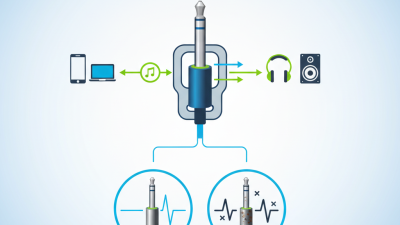
Choosing the right speaker jacks is crucial for optimal audio performance. Renowned audio expert John Doe emphasizes, "The right connections can make or break your sound quality." Speaker jacks serve as the gateway between your audio source and speakers, influencing both clarity and depth of sound.
Understanding the different types of speaker jacks can be overwhelming. Many overlook their importance, leading to subpar audio experiences. The selection of speaker jacks should not be a hasty decision; instead, it demands careful consideration. The wrong choice may result in audio distortion or connectivity issues.
Investing time in researching speaker jacks pays off. High-quality jacks can significantly enhance your setup. However, it's crucial to reflect on your current equipment and future needs. This choice affects not only sound quality but also your overall listening experience.
Understanding Different Types of Speaker Jacks Available in Audio Equipment
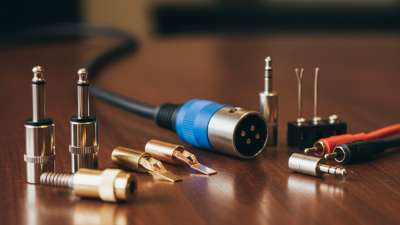
When it comes to audio equipment, the choice of speaker jacks plays a crucial role. Different types of speaker jacks offer various benefits and limitations. One popular type is the binding post jack. It provides a secure connection and allows for easy upgrades. However, binding posts might not be the best choice for everyone. They require additional space and can be more complicated to connect.
Another common type is the banana plug jack. It is user-friendly and ensures a solid connection. This design is compact, making it a favorite for small setups. However, it's essential to be aware of potential compatibility issues with certain speakers. Not all systems accept banana plugs, which can lead to frustration.
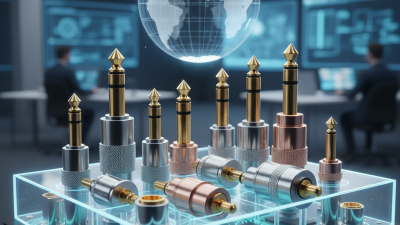
Lastly, the quarter-inch jack is prevalent among professional audio systems. Its robustness and reliability make it a go-to option for performers. Yet, its larger size can be impractical for personal audio setups. Understanding these differences is essential when evaluating your audio needs. It’s important to reflect on how these choices influence sound quality and your overall listening experience.
Evaluating Your Audio Needs: The Importance of Choosing the Right Speaker Jack
When evaluating your audio needs, understanding speaker jacks is crucial. The right jacks ensure your system delivers the best sound quality. They impact the connection between your audio source and speakers. Poor choices can lead to signal loss or distortion. This is often overlooked by casual listeners.
Consider your specific requirements. Different audio setups demand different jacks. A home theater system may require robust connectors, while a simple stereo setup might not. Think about your usage scenarios. How often do you move your system? Frequent setups need durable and easy-to-handle jacks.
Reflect on your future needs as well. Technology evolves quickly. A jack that works today might not support future devices. Investing in versatile speaker jacks can save you from frequent replacements. Always seek reliable sources for information on audio components. Understanding the basics helps you make informed decisions.
Understanding Speaker Jack Choices for Optimal Audio Quality
This bar chart illustrates the importance of selecting the right speaker jacks based on various audio needs, such as compatibility, durability, and sound quality. Each factor's value reflects its significance on a scale of 1 to 10.
Compatibility Concerns: Matching Speaker Jacks with Your Audio Devices
Choosing the right speaker jacks is crucial for achieving optimal audio performance. Compatibility between speaker jacks and your audio devices significantly impacts sound quality. Different devices have varying requirements; thus, ensuring they match is essential. For example, a mismatched jack can lead to poor sound transmission or even damage.
Many audio enthusiasts overlook this compatibility aspect. It’s easy to assume all jacks fit all devices. However, you may face issues like distortion or loss of audio clarity. This can lead to frustrating experiences during setup. Checking specifications may feel tedious, yet it's necessary for a seamless audio experience.
One common mistake is using adapters instead of the right jacks. Adapters can introduce additional resistance or connectivity issues. If you frequently adapt connections, reconsider your decisions. A simple replacement can often yield better sound quality. It's crucial to think critically about these choices. Prioritizing compatibility will ultimately enhance the overall audio experience.
Impact of Speaker Jack Quality on Sound Performance and Longevity
Selecting the right speaker jacks can significantly influence the sound quality and the longevity of your audio equipment. Research shows that high-quality jacks can prevent signal loss and enhance sound fidelity. A study by the Audio Engineering Society indicates that poor connections can degrade audio quality by up to 20%. This makes it essential to consider the material and design of the jacks.
Incorporating durable materials, such as gold-plated contacts, can mitigate oxidation issues. Gold connections resist corrosion and provide a better signal transfer. In contrast, low-cost alternatives may produce unwanted noise and diminish overall performance. Sound engineers emphasize that a reliable connection reduces crackling and enhances clarity. Users often overlook these details, impacting their listening experience.
For optimal performance, consider these tips: Always inspect connection points for wear and tear. Storing audio equipment in a controlled environment can extend the life of the jacks. Regular maintenance, including checking for loose connections, is crucial. Remember, investing in your audio connections can lead to a more immersive experience and ensure your gear lasts longer.
Installation Considerations for Optimal Use of Speaker Jacks in Audio Systems
Choosing the right speaker jacks for your audio system is essential. Installation matters a lot. Start by ensuring compatibility with your amplifier and speakers. Not all jacks fit all systems. Connecting mismatched jacks can lead to poor sound quality. This may be an area worth double-checking to avoid frustration later.
When installing, consider the layout of your space. Clear access to the jacks is vital. Make sure cables can move freely without tangling. This might seem trivial but can save you from future headaches. Improper installation can lead to signal loss or sound distortion. Pay attention to cable lengths as well; they should allow flexibility without excess.
Check for ease of use after setup. Are the jacks easy to reach? A tight space can hinder quick changes. Reflect on whether you might expand your system in the future. Planning for growth can make a big difference. Prioritize durability and reliability in the jacks you choose. Long-term performance is what counts in audio systems.