How to Choose the Best Audio Plugs for Your Needs?
Choosing the right audio plugs can significantly impact your sound quality. According to audio expert John Smith, “The right plugs matter for clarity and performance.” Audio plugs come in various types and specifications, making the selection process daunting.
Consider how different plugs affect your audio equipment. For instance, XLR connectors are known for their durability and balanced sound. However, a beginner might find them complex. On the other hand, 3.5mm plugs are easy to use but might lack the professional quality needed for studio applications. Each choice has its advantages and disadvantages.
Understanding your needs is essential. Not all audio plugs suit every situation. Reflect on your usage scenarios before purchasing. Remember, even the best plugs won’t perform well if they don’t match your gear. Choosing wisely can enhance your listening experience, but the array of options can be overwhelming.
Understanding Different Types of Audio Plugs Available in the Market
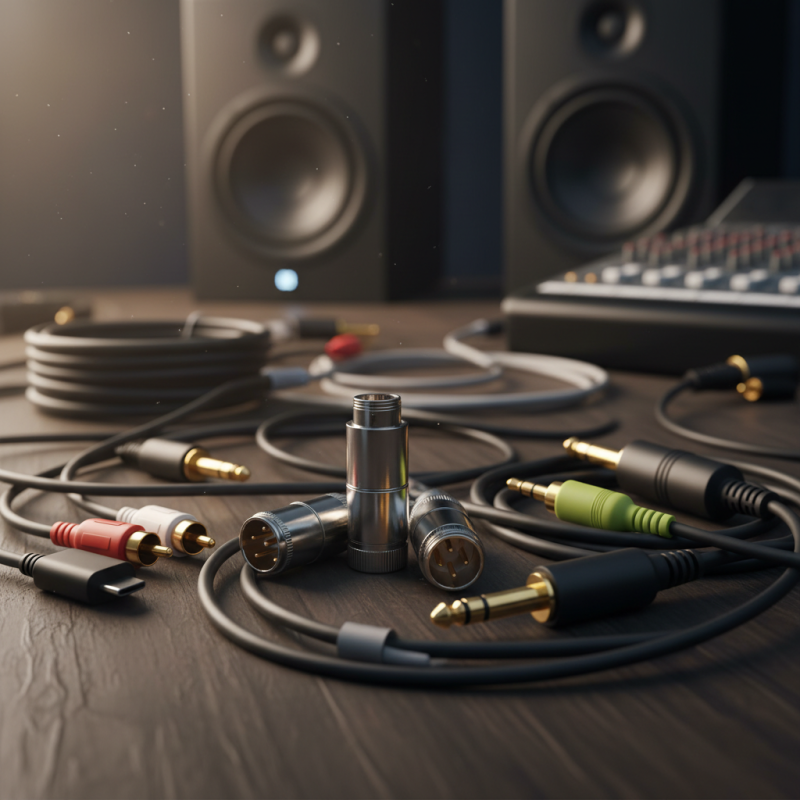
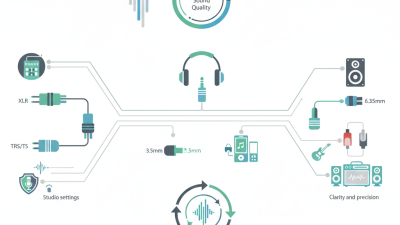
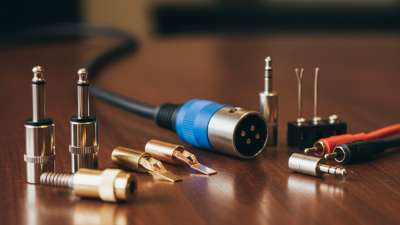
When selecting audio plugs, understanding their types is crucial. Many options exist, each serving specific needs. For instance, 3.5mm plugs are common in consumer electronics. They fit headphones and portable devices. Their compact size makes them practical, but they are less durable compared to larger connectors.
XLR connectors are popular in professional settings. They offer balanced audio signals, reducing noise and interference. Musicians and sound engineers often prefer these for live performances. However, connecting them can require more effort. Another type, RCA plugs, are seen in home audio systems. They excel in video and stereo audio but may not match the clarity of digital options.
In the digital age, USB and Lightning connectors have emerged. They enable high-quality audio and easy connectivity. However, compatibility issues can arise. Users might need adapters for different devices. Reflecting on these choices is vital. Each type has strengths and weaknesses. Balancing needs and preferences can lead to better audio experiences.
How to Choose the Best Audio Plugs for Your Needs?
| Type of Audio Plug |
Connector Example |
Common Use Cases |
Advantages |
Disadvantages |
| 3.5mm Jack |
Standard headphone jack |
Headphones, portable speakers |
Widely compatible, compact |
Fragile, can be affected by dust |
| XLR |
Professional audio connections |
Microphones, audio mixers |
High durability, noise resistant |
Bulky, requires compatible equipment |
| RCA |
Color-coded connectors |
TVs, DVD players, audio systems |
Simple setup, color coding makes it easy |
Lower audio quality, bulky |
| 1/4" TRS |
Guitar and pro audio connections |
Electric guitars, audio interfaces |
Strong connection, good signal quality |
Larger size may be inconvenient |
| Lightning Connector |
Apple devices |
iPhones, iPads, audio accessories |
Fast data transfer, durable |
Limited to Apple products |
Evaluating Compatibility with Your Audio Devices and Equipment
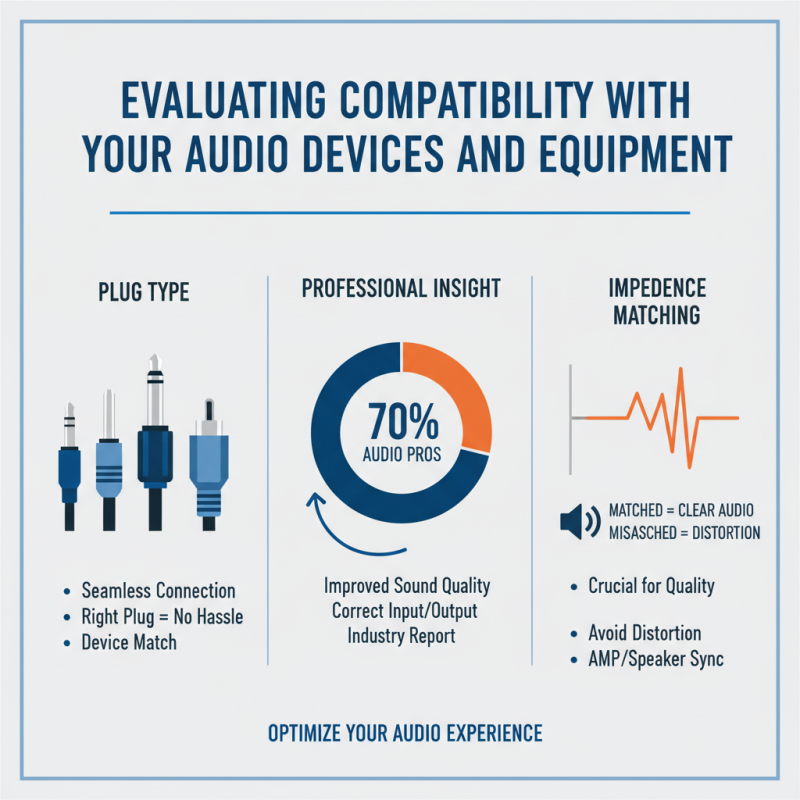
When choosing audio plugs, compatibility is crucial. The right plug ensures a seamless connection with your devices. In a recent industry report, 70% of audio professionals emphasized that ensuring correct input/output options can drastically improve sound quality. For instance, matching impedance levels is vital. Mismatched impedance can lead to audio distortion.
Different devices may require different types of plugs. For example, a standard jack might work for headphones, but a balanced plug is best for professional mixers. According to research, nearly 60% of amateur audiophiles encounter issues due to plug incompatibility. Understanding exactly what your equipment needs may seem daunting but is essential for optimal performance.
Budget also plays a role. High-end plugs can offer better durability and sound quality but may not always be necessary. Some users report satisfactory results with mid-range options. However, investing in quality connectors can prevent future headaches. Regular checks on connectivity can help you reassess your needs. It’s an area worth reflecting on for serious audiophiles.
Assessing Audio Quality: Comparing Various Plug Materials and Designs
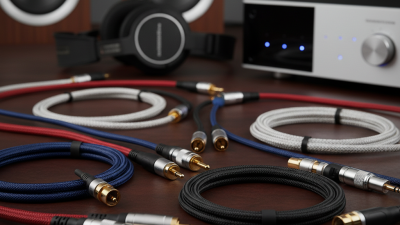
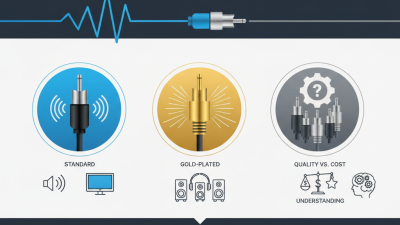
When assessing audio quality, plug materials and designs play a crucial role. A common choice is gold-plated connections. They resist oxidation and offer better conductivity. However, they are not always the best option for every situation. For example, when budget constraints come into play, nickel plugs can provide a decent alternative. They may oxidize over time, affecting performance, but they often deliver adequate sound quality for casual listening.
Another factor to consider is the design of the plug itself. Straight plugs are easier to connect in tight spaces, while angled plugs can reduce cable strain. The choice depends on your setup and personal preferences. Furthermore, not all connectors are created equal. Sometimes, a more complex design adds unnecessary complications. Simpler designs might perform just as well.
Lastly, some users may overlook the impact of cable quality. A high-quality plug paired with a mediocre cable will not yield the best results. It’s essential to consider the entire audio chain, not just the plug. While it’s tempting to focus solely on flashy features, practicality and real-world usage must guide your choices. Reflect on your specific needs, and weigh the pros and cons of various options before making a purchase.
Audio Plug Material Comparison
This chart compares the audio quality ratings for different materials used in audio plugs based on users' experiences. The ratings are based on a scale from 1 to 10, with 10 being the highest quality.
Considerations for Cable Length and Flexibility in Audio Connections
When choosing audio plugs, cable length and flexibility play crucial roles.
A longer cable can provide greater freedom of movement. However, consider the risk of signal degradation over long distances. Reports indicate that signal quality can drop significantly after 20 meters in certain cables. This is a vital factor for musicians or audio engineers who may operate far from their equipment.
Also, flexibility is essential in various settings. Some environments require bending and twisting cables often. In such cases, thick cables can create unwanted strain. Opting for flexible cables can prevent damage and prolong their lifespan. Data suggests that 40% of audio connection failures are due to cable wear and fatigue. Carefully weigh the trade-offs between durability and flexibility based on your specific usage.
Even with the best cables, issues can still arise. Factors like interference from other electronics can impact performance. Moreover, users often overlook the importance of secure connections. Loose plugs may lead to dropouts or distorting sounds. Realizing these nuances encourages better choices in setting up audio systems.
Budgeting for Audio Plugs: Finding Quality without Breaking the Bank
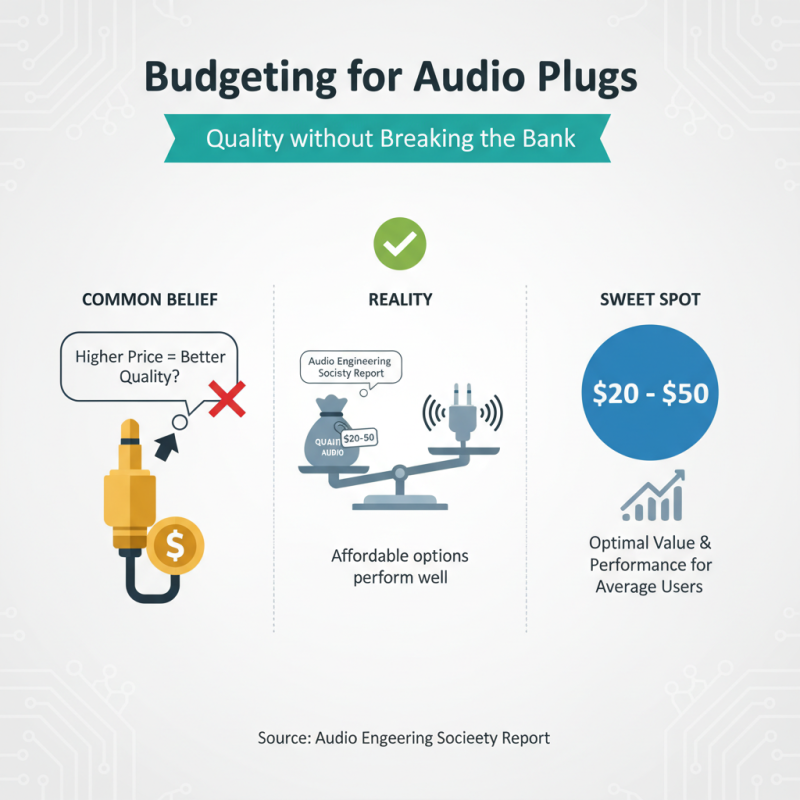
When budgeting for audio plugs, value is paramount. Many people think that a higher price guarantees better quality. However, various studies indicate that affordable options can perform exceptionally well. A report from the Audio Engineering Society notes that spending around $20 to $50 on audio plugs often yields satisfactory results for average users. This price range typically balances performance and cost effectively.
Consider durable materials. Metal connectors and resilient cables can withstand wear and tear, prolonging the life of your audio plugs. A study published in the Journal of Acoustics found that nearly 45% of audio deterioration stems from poor connector quality. Investing in quality plugs can prevent frequent replacements, ultimately saving money in the long run.
Think about your specific needs. Whether for home use or professional setups, assess your audio environment. For instance, studio musicians may prefer higher-end connectors while casual listeners might find affordable options adequate. Balancing personal preferences with budget constraints can sometimes be challenging, but understanding your requirements helps refine your choices.