How to Choose the Best Flat Cable for Your Electronics Needs?
Choosing the right flat cable is crucial for your electronic projects. The flat cable industry has seen a significant growth rate, projected to reach $XX billion by 2025, according to recent reports by Tech Research Inc. The demand for high-performance cables is higher than ever, with advancements in technology driving this need.
“Selecting the right flat cable can either enhance performance or compromise it,” states Dr. John Smith, a leading expert in electrical engineering. This highlights the careful consideration needed when choosing flat cables. The variety of options available can be overwhelming. Factors like material, length, and application play essential roles in the selection process.
Flawed choices can lead to inefficiencies and increased costs. Not all flat cables are created equal. Users should focus on specifications that align with their specific needs. It is essential to weigh the pros and cons of each option. By understanding the intricate details of flat cables, you can make informed decisions that enhance the performance of your electronics.

Understanding Flat Cables: Types and Their Applications
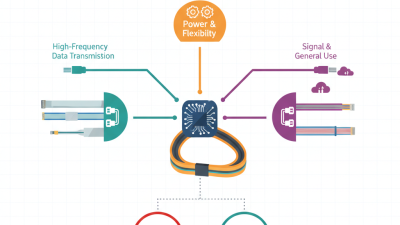
Flat cables play a crucial role in modern electronics, bridging devices with efficiency and flexibility. These cables come in various types, each serving distinct applications. For instance, ribbon cables are commonly used in computer systems, connecting components like hard drives and motherboards. According to a report by Research and Markets, the global flat cable market is forecasted to grow at a CAGR of 7% from 2021 to 2028. This growth is driven by an increasing demand for compact and organized wiring solutions in consumer electronics.
Understanding the specific applications of flat cables is essential when selecting the right type. For example, flexible flat cables (FFC) are favored in spaces where traditional wiring lacks flexibility. They are thinner and can bend easily without compromising performance. Another type, a flat flexible cable (FPC), is often used in smartphones and cameras, where space is at a premium. Industry analysis suggests that over 60% of electronics manufacturers are gravitating towards these solutions for improved design and efficiency.
However, choosing the best flat cable is not always straightforward. Users must consider the cable's current handling capacity, tensile strength, and environmental factors. A mismatch can lead to performance issues. Moreover, while the trend leans towards thinner cables for compact designs, reliability should never be compromised. A balance must be achieved between minimalism and functionality to ensure optimal performance.
Key Factors to Consider When Choosing Flat Cables
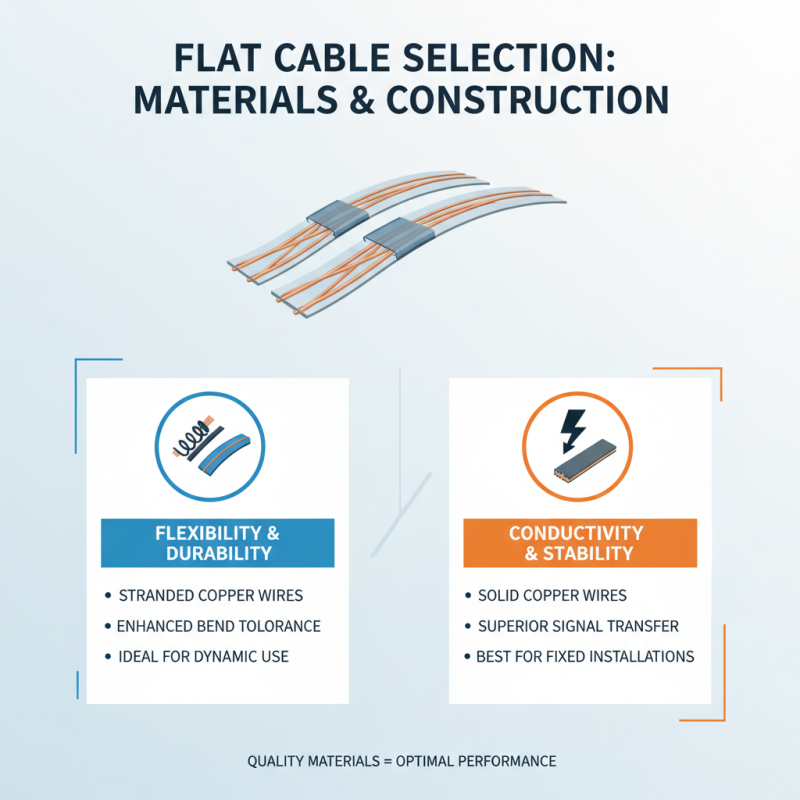
When selecting a flat cable for electronics, several key factors should be at the forefront of your decision. Consider the cable's material and construction. High-quality materials enhance durability and performance. For instance, stranded wires offer flexibility, whereas solid wires provide better conductivity. Ensure you weigh the benefits of flexibility against the need for stability in your projects.
Another essential factor is the cable's compatibility with your devices. Different electronics have specific requirements regarding voltage and data transmission speed. Take time to review the specifications. Furthermore, think about the environment in which the cable will be used. Exposure to heat or moisture can affect performance. Plan for these conditions to ensure longevity.
Lastly, don’t overlook the importance of certification and safety standards. Compliance with industry regulations can save you from future issues. With countless options available, choosing the right flat cable can be overwhelming. Reflect on your priorities and needs before making a final decision. This will lead to a more suited choice for your electronics.
Assessing Voltage and Current Ratings for Flat Cables
When selecting flat cables, understanding voltage and current ratings is crucial. Voltage rating indicates the maximum voltage the cable can safely handle. A cable with a low voltage rating may overheat and fail when used with high voltage devices. It’s essential to match the voltage rating to your applications. For instance, if you are working with a device that operates at 12 volts, ensure the cable supports at least that level.
Current rating is equally important. This value tells you how much electrical current a cable can carry without overheating. A mismatch can lead to cable damage or reduced performance. A cable rated for low current might not support high-performance equipment. Always assess the current requirements of your devices. Also, consider the environment in which the cable will be used. Heat and humidity can impact performance.
Keep in mind that choosing the right flat cable is more than technical specs. Overlooked details can lead to issues. If a cable doesn’t fit well in your setup, it can create resistance and reduce efficiency. It may be tempting to cut costs, but investing in quality flat cables pays off long-term. Reflecting on your past experiences can also guide your decision-making process.
How to Choose the Best Flat Cable for Your Electronics Needs?
| Cable Type |
Voltage Rating (V) |
Current Rating (A) |
Conductor Material |
Insulation Material |
Usage/Application |
| Flat Ribbon Cable |
300 V |
5 A |
Copper |
PVC |
General Electronics |
| Flexible Flat Cable (FFC) |
60 V |
4 A |
Copper |
Polyamide |
LCD Displays |
| Flat Power Cable |
600 V |
10 A |
Copper |
XLPE |
Industrial Equipment |
| SATA Flat Cable |
50 V |
1 A |
Copper |
PVC |
Data Storage Devices |
Evaluating Cable Length and Flexibility Requirements
When selecting a flat cable for your electronics, assessing cable length and flexibility is crucial. The right length ensures your setup is tidy and avoids excess slack. Consider your devices' placement and the distance between them.
Measure accurately before purchasing. Too short means restricted movement; too long creates clutter.
Flexibility is equally important, especially in tight spaces. Cables need to bend without breaking. A rigid cable can lead to damage over time. Look for cables made from materials that allow for flexibility. It can enhance durability in dynamic environments.
Tip: If unsure about length, opt for a slightly longer cable. It's better to have extra length than not enough. For flexibility, try bending the cable in-store to test its limits. This hands-on approach helps avoid future issues. Choose wisely to enhance your electronic experience.
Material and Insulation Choices for Optimal Performance
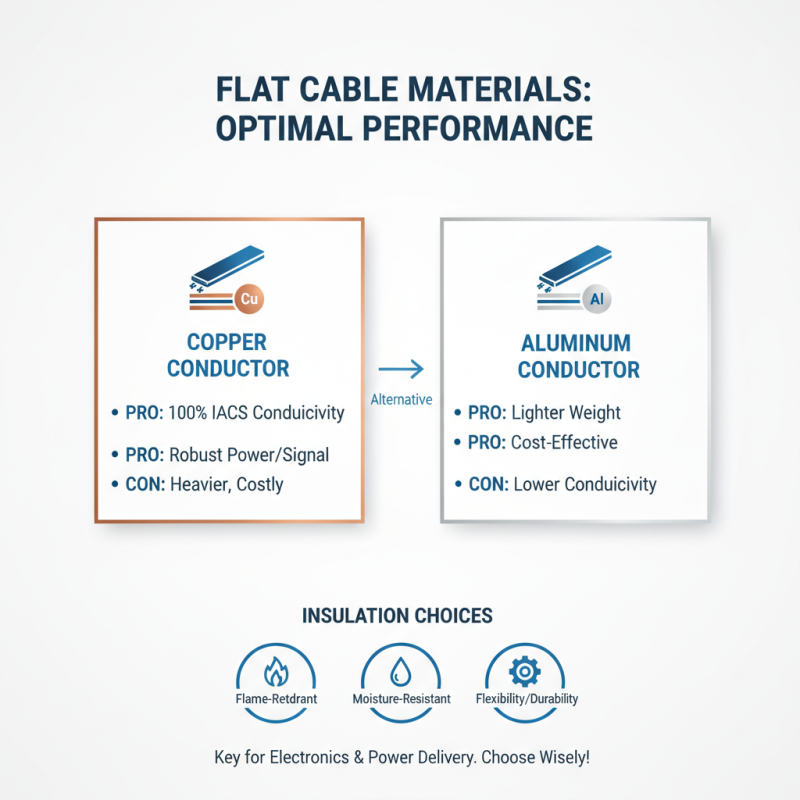
When selecting flat cables for electronics, material and insulation are crucial choices. Copper is a common conductor, known for its excellent conductivity. According to a recent industry report, copper has a conductivity rating of 100% IACS (International Annealed Copper Standard). This ensures optimal performance in delivering power and signals. However, copper may not always be the right choice due to weight and cost factors. In some applications, aluminum can be a lighter and cheaper alternative, albeit with lower conductivity properties.
Insulation materials play a vital role in protecting cables from environmental factors. PVC, polyethylene, and Teflon are popular options. PVC is affordable and flexible but can degrade under high heat. Polyethylene offers better thermal resistance, making it suitable for high-frequency applications. Teflon is top-tier, known for its durability and heat resistance. Yet, it comes with a higher price tag. An industry statistic shows that cables with inadequate insulation can result in a performance drop of 20% or more.
Choosing the right combination can be confusing, as many factors come into play. Overlooking insulation quality can lead to significant failures. Evaluating specific project needs and environmental conditions is essential. Understanding the balance between cost, performance, and reliability is necessary for making informed decisions.