Why is Choosing the Right Instrument Cable Important for Musicians?
Choosing the right instrument cable is crucial for any musician. According to renowned audio engineer Emily Johnson, "The quality of your instrument cable can make or break your sound." Musicians often overlook this important component. They focus on instruments and amplifiers but neglect the cables connecting them. This can lead to disappointing performances.
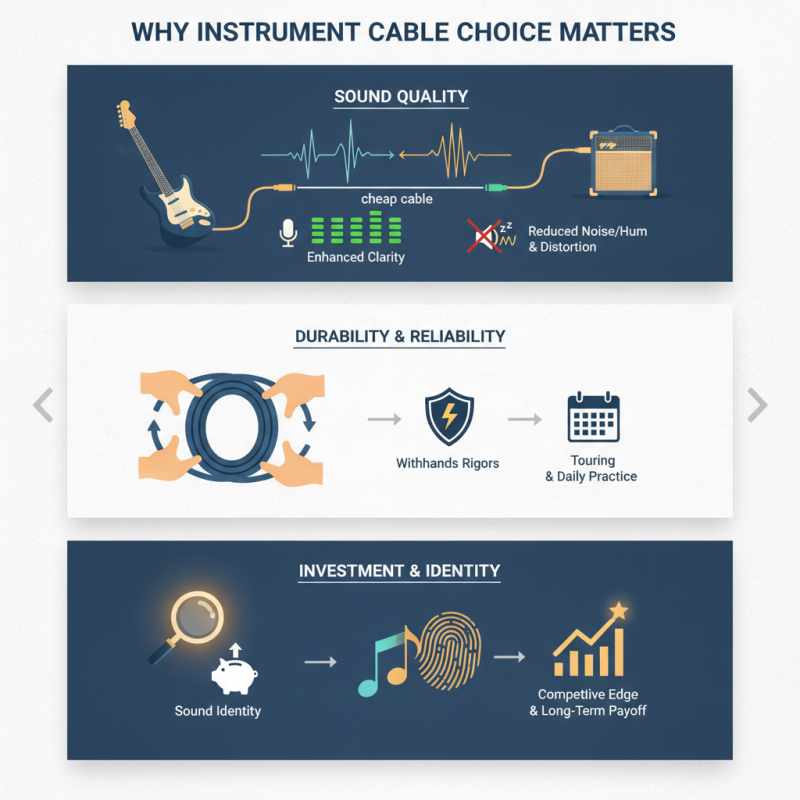
A good instrument cable enhances sound clarity and reduces unwanted noise. Cheap cables can introduce hum and distortion. Musicians should consider durability and flexibility in their choices. A reliable cable can withstand the rigors of touring and daily practice.
Yet, many musicians find themselves reflecting on their decisions. They often wonder if they have chosen wisely. Investing in a quality instrument cable pays off in the long run. It's more than just a connection; it's part of your sound identity. In the competitive music industry, the right choices can set you apart.
The Role of Instrument Cables in Sound Quality for Musicians
Choosing the right instrument cable significantly influences sound quality. A cable acts as the lifeline between the instrument and the amplifier. So, its quality cannot be underestimated. Poor cables can introduce noise and distort the pure sound of the instrument. Think of it like a highway; a clear path is essential for smooth travel.
Different cables use various materials and construction methods. This affects signal clarity and durability. A well-made cable preserves the nuances of an electric guitar or a keyboard. Musicians often overlook this detail. It’s easy to grab any cable, but doing so can lead to frustration. Background hums and drops in signal can ruin a performance.
Reflecting on these factors, musicians should consider their specific needs. Factors like cable length, insulation, and connectors matter. An overly long cable may increase signal loss. Meanwhile, flimsy connectors can break easily. It's clear that careful selection plays a vital role. Choosing the right instrument cable can make all the difference in delivering a flawless performance.
Impact of Cable Length on Signal Integrity and Tone Preservation
Choosing the right instrument cable significantly impacts musicians. Cable length is a crucial factor that often gets overlooked. Longer cables can introduce signal loss and unwanted noise. According to audio engineering studies, a standard instrument cable can lose 10-20% of its signal strength per every 30 feet. This loss can muddy the tone and degrade overall sound quality.
When professionals consider cable length, they understand that each foot adds resistance. A 25-foot cable can alter the frequency response, impacting the instrument's tone. Some musicians report a noticeable difference in clarity and detail with shorter cables. However, it’s essential to balance length with mobility. The right cable length provides freedom of movement without sacrificing sound integrity.
It may seem trivial, yet many musicians struggle to recognize the impact of cable quality. A poorly constructed cable can add noise and hum, overshadowing the musician’s performance. Regularly testing and replacing cables is vital to maintain optimal sound quality. Each component in the signal chain matters. Musicians must evaluate their setup critically. This evaluation promotes better performances and richer tones.
Understanding Different Types of Instrument Cables: Materials and Shielding
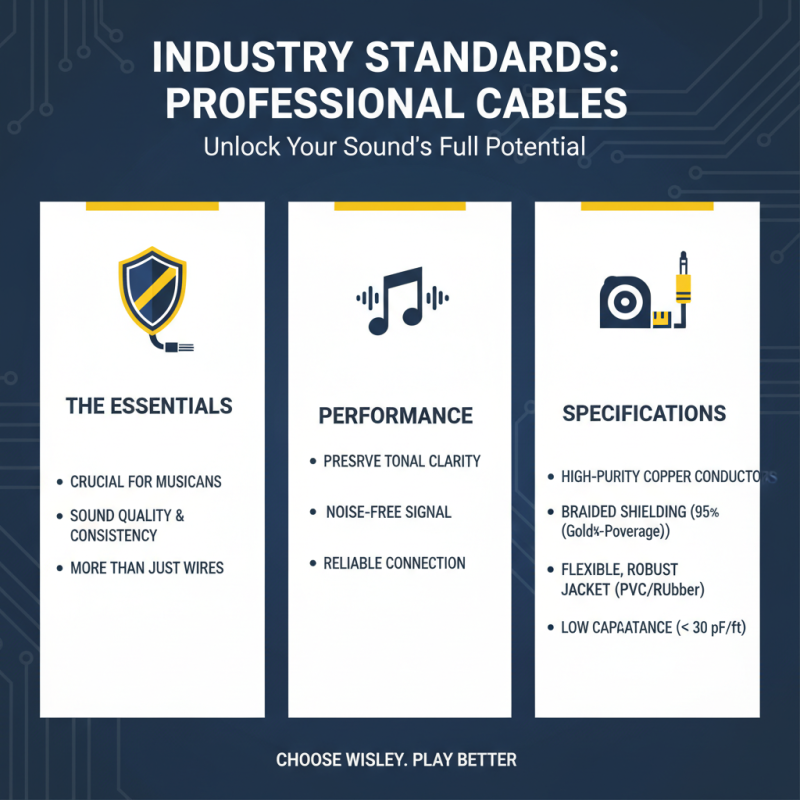
When it comes to instrument cables, understanding the materials and shielding used can make a significant difference in sound quality. The most common materials are copper and oxygen-free copper. Copper is highly conductive, offering less resistance, and delivering clearer tones. According to recent industry reports, roughly 90% of musicians prefer cables made from high-quality copper for optimal performance.
Shielding also plays a crucial role in protecting the signal. Common shielding methods include braided shielding and foil shielding. Braided shields reduce electromagnetic interference, making them ideal for environments with lots of electronic devices. On the other hand, foil shielding provides greater coverage but can be less durable. A survey revealed that 65% of recording engineers prioritize shielded cables to ensure pristine sound.
Tips: Always check the cable length. Longer cables may lead to signal loss. Invest in cables with robust connectors to prevent wear and tear. Don’t overlook the importance of strain relief; it can extend the life of your cables significantly.
Musicians often overlook these details. The choice of cable can alter performance dramatically. Many find that cheap cables can produce unexpected noise or signal loss. It’s worth experimenting with different types to discover what works best for your setup.
How Cable Connectors Influence Performance and Reliability
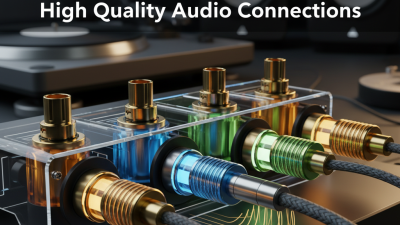
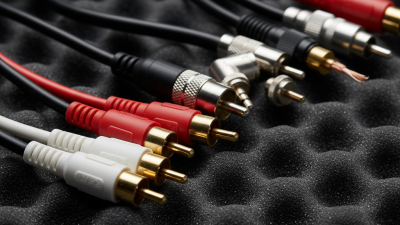
Choosing the right instrument cable is crucial for musicians. Cable connectors play a pivotal role in the overall performance. They serve as the link between your instrument and amplifier. Poor-quality connectors can introduce noise and distortion. This can disrupt your sound and affect your performance.
When selecting connectors, consider the material and design. Gold-plated connectors resist corrosion and ensure better conductivity. However, they can be more expensive. Sometimes, we choose cost-effective options that may not provide reliability over time. You might notice that sound quality fluctuates during live performances. This issue often stems from subpar connections.
Regularly inspect your cables and connectors for wear and tear. A frayed cable can lead to unwanted signal loss. It’s easy to overlook these details until problems arise. Pay attention to the fit of the connectors. Loose connections can create intermittent signals that are frustrating during use. Each detail matters in achieving the desired sound, so take the time to evaluate your gear.
Importance of Instrument Cable Quality for Musicians