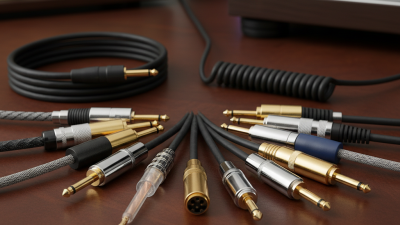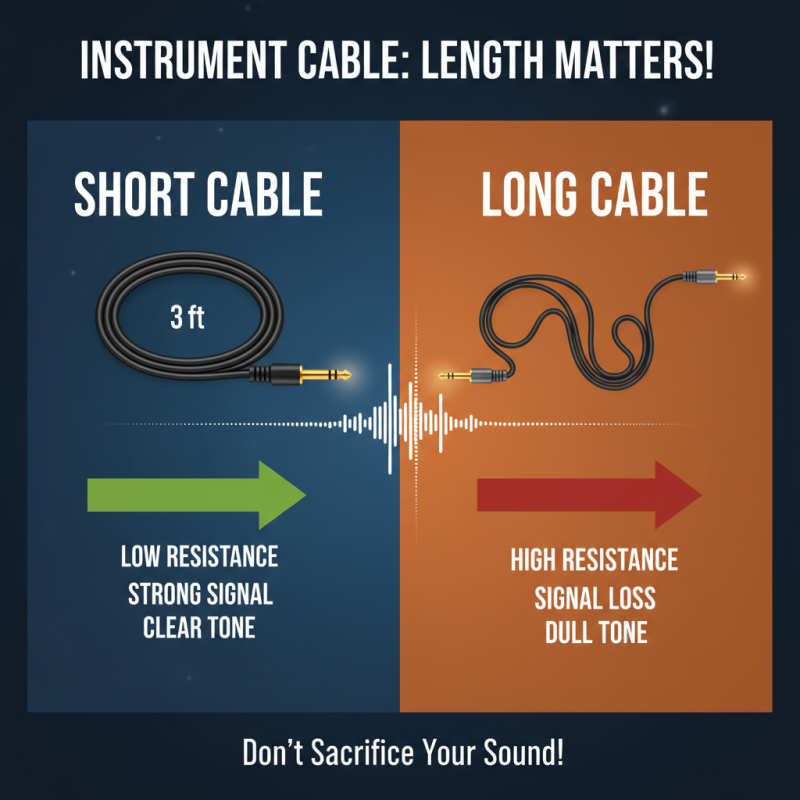
Choosing the right instrument cable is essential for any musician. The quality of your sound is greatly influenced by this often-overlooked component. A good instrument cable ensures clarity and minimizes noise.
When selecting an instrument cable, consider the length needed. A longer cable can introduce signal loss. Materials also matter. Look for durable connectors and shielding to avoid unwanted interference. Pay attention to the gauge; thicker cables often deliver better sound quality.
Consider your specific equipment too. Different instruments may work better with various cables. Reflect on your personal experience with sound quality. Have you noticed distortion? This could be a sign you need a better instrument cable.
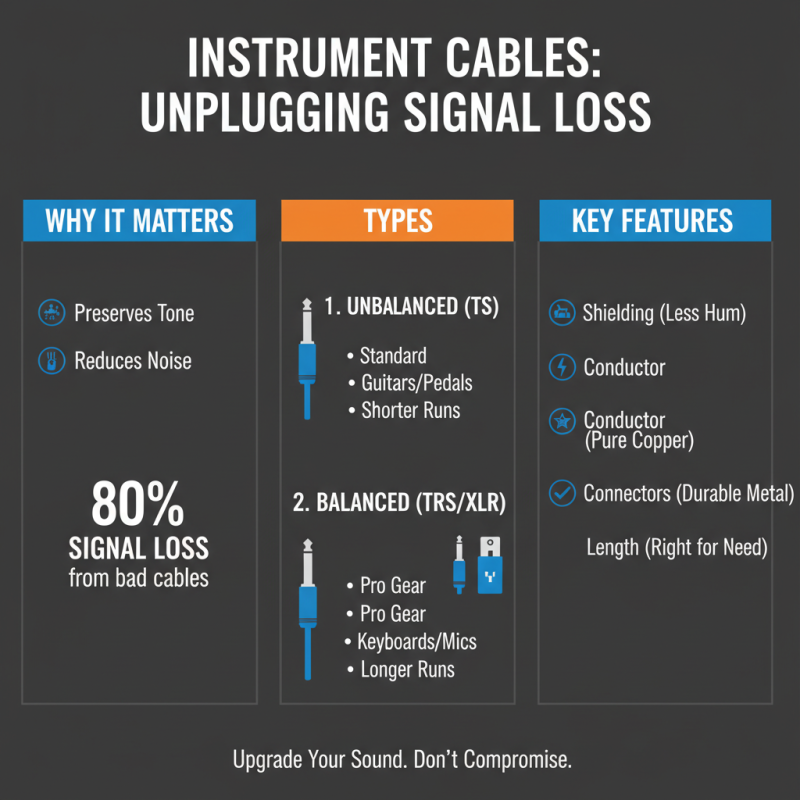
Choosing the right instrument cable is essential for any musician. Understanding the different types of instrument cables can vastly improve your sound quality. In fact, according to industry reports, up to 80% of signal loss in audio gear can be traced back to inferior cables.
There are several types of cables to consider. Mono cables are common for electric guitars. They carry one signal, making them straightforward but limiting for multi-instrument setups. On the other hand, stereo cables allow for richer sound. They can transmit two signals, which can enhance your musical expression. Yet, using stereo cables may complicate your connection, so weigh your options carefully.
**Tips:** Always opt for a cable with high-quality connectors. These can make a significant difference in durability. Remember, length matters. A longer cable may lead to signal degradation, so keep it short if possible. Testing different cables with your gear can also reveal surprising results. Don’t assume the most expensive options are the best. Often, a mid-range cable may suit your setup perfectly.
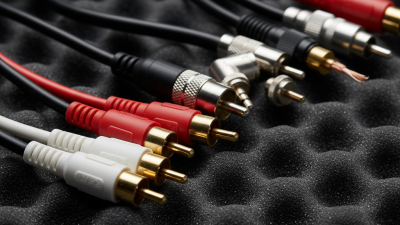
Choosing the right instrument cable can feel overwhelming. There are several factors to think about. First, consider the type of signal. Your guitar or keyboard demands a high-quality cable. Look for cables that provide reliable signal transmission. Shielding can play a crucial role as well. A well-shielded cable minimizes interference and noise.
Next, think about the length of the cable. Longer cables can introduce unwanted signal loss. If you're playing on stage, a 20-foot cable might be necessary. However, for practice, a shorter cable works just fine. Pay attention to the connectors as well. They should fit snugly. Loose connections can lead to frustrating dropouts.
Lastly, consider durability. A well-built cable can withstand the rigors of frequent use. Look for reinforced connectors and a sturdy outer jacket. Some cables can fray or break easily. Reflections on personal experiences can guide your choice. It's not just about price; it’s about quality too. Take time to find a cable that fits your unique needs. After all, this small component can significantly affect your sound.
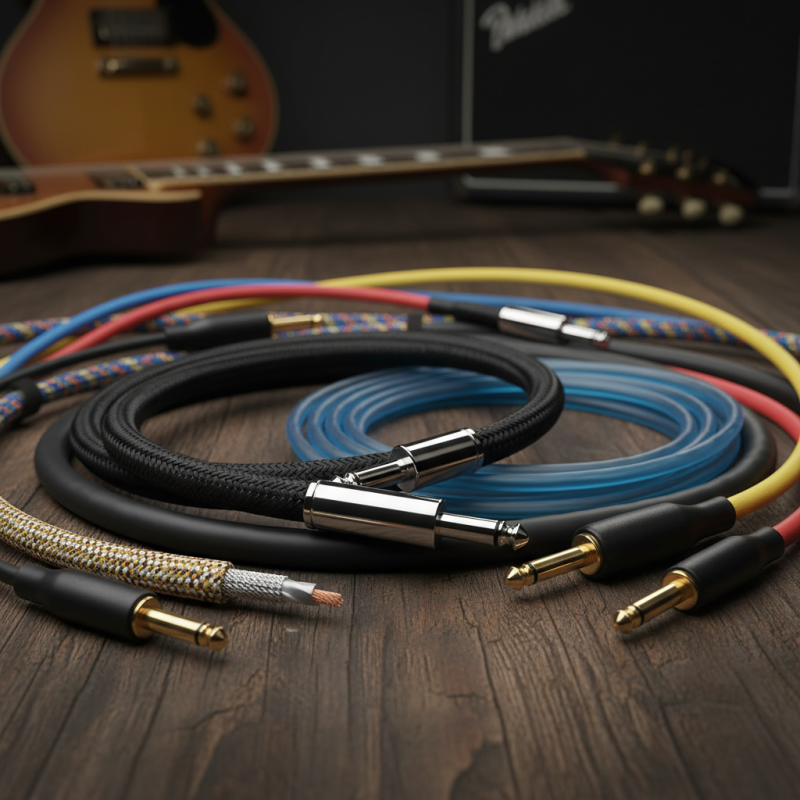
When choosing an instrument cable, length matters. Longer cables can lead to signal loss. This happens due to resistance. Every foot adds a little more drag on the sound. Musicians often overlook this. They’ll grab the longest cable on sale, thinking it’s just convenience. But is it?
Shorter cables are usually best for studio use. They maintain a clearer tone. When you’re playing live, you might need more length for movement. But think about the venue. A long cable can tangle easily, causing frustration mid-performance. If the cable is too long, the sound may degrade. You don’t want to lose clarity on stage.
Consider how you feel when using different lengths. Does a longer cable make you less precise? Experiment. Test various lengths in your space. Some cable runs could dampen levels, changing how you play. What works for one setup may not for another. Reflect on your choices. A little thought goes a long way.
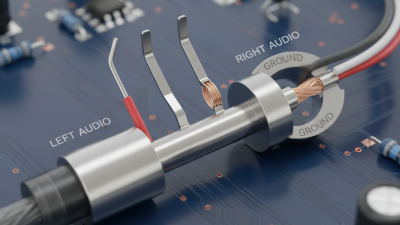
When choosing an instrument cable, the quality of materials and construction is vital. High-quality cables often use oxygen-free copper. This type of copper reduces resistance and interference. Look for cables with durable outer jackets. This construction protects the internal wires from wear and tear. Pay attention to the connectors as well. Neutrik or similar connectors can greatly enhance durability.
Consider the length you need. Longer cables can introduce signal loss. If you often run between stages, invest in shorter cables to maintain clarity. Some cables may look appealing but aren't built for durability. They might fray or break easily, rendering them unreliable. It’s easy to overlook this, but quality often impacts performance.
Reflect on the importance of shielding. A well-shielded cable will minimize noise. Many musicians find cheap cables that don’t shield properly. They often regret this choice during performances. Not all cables perform the same over time. Regularly check for wear to ensure the best sound possible. If you notice distortion or intermittent sound, it may be time to reassess your current choice.
| Cable Type | Material | Length | Shielding | Connector Type | Price Range |
|---|---|---|---|---|---|
| Standard Instrument Cable | Copper | 10 ft | No Shielding | 1/4" TS | $10 - $20 |
| High-Quality Shielded Cable | OFC Copper | 20 ft | Braided Shielding | 1/4" TS | $30 - $50 |
| Ultra-Durable Cable | Copper with PVC insulation | 15 ft | Foil Shielding | 1/4" TS | $25 - $40 |
| Premium Noise-Reducing Cable | OFC Copper | 10 ft | Double Shielding | 1/4" TRS | $40 - $70 |
| Coiled Instrument Cable | Copper | 25 ft | No Shielding | 1/4" TS | $15 - $25 |
Choosing the right connectors for your instrument and gear is crucial. Many musicians overlook this aspect, which can lead to poor sound quality. Research shows that about 30% of audio issues originate from weak or faulty connections.
When selecting connectors, consider both durability and conductivity. Neutrik reports that their connectors provide better reliability than standard options. Look for gold-plated connectors. They resist corrosion, ensuring optimal signal transfer. However, not all gold connections are created equal. Some may still degrade over time due to environmental factors.
Tip: Regularly inspect your cables and connectors. Replace any damaged parts to maintain sound quality. Don’t neglect your gear – it can greatly impact performance. Choosing budget options may seem attractive, but they often compromise sound integrity. Quality connectors provide peace of mind. Invest in good ones, but remember they need care too. Regular cleaning can extend their lifespan. Don't overlook these details. Every tiny aspect matters in your overall setup.