How to Choose the Right PC Speaker Cable for Your Setup?
Selecting the right PC speaker cable is crucial for optimizing your audio experience. Many users overlook the significance of cable quality. According to a recent industry report, 75% of audio enthusiasts believe that cables impact sound clarity. PC speaker cables can significantly affect your setup's overall performance.
When choosing a cable, consider the length and material. Copper cables offer better conductivity but may vary in quality. A study shows that 50% of users experience sound loss with inadequate cables. This highlights the need for careful selection.
Reflecting on personal experiences, many have faced issues with tangled or frayed cables. A poorly chosen PC speaker cable might lead to disappointing audio outcomes. Users must research options and select wisely, ensuring compatibility with their devices.
Understanding Different Types of PC Speaker Cables Available
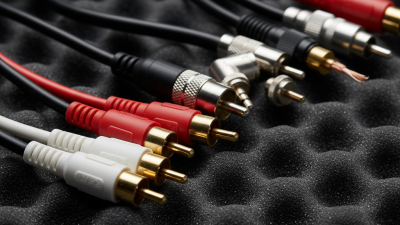
When choosing the right PC speaker cable, understanding the different types is crucial. There are various options available. The most common types are RCA, 3.5mm, and optical cables. Each serves unique purposes. RCA cables are often used for connecting speakers to older audio equipment. They consist of two plugs, often color-coded. They can be effective, but signal quality can vary.
3.5mm cables are ubiquitous in modern setups. They are easy to find and simple to use. However, the audio quality may not be optimal for audiophiles. Optical cables use light to transmit audio signals. They are great for digital sound, reducing unwanted noise. Yet, they require specific ports. Not all devices support them.
Consider the length of the cables as well. Too long a cable can lead to signal degradation. If the cable is too short, it may not reach the speakers. Weigh your options carefully. The right choice depends on your specific needs and equipment compatibility. Sometimes, trial and error is part of the journey. Take your time to find what works best.
Identifying the Compatibility of Cables with Your Audio Equipment
Choosing the right PC speaker cable requires careful consideration of compatibility with your audio equipment. Different systems use varying connectors. Check if your speakers have 3.5mm, RCA, or optical inputs. Knowing this helps narrow down cable options.
Once you've identified the connectors, think about cable length. Measure the distance from your PC to your speakers. Short cables can reduce clutter. However, longer cables might be necessary for larger setups. Just remember, longer cables may affect sound quality.
Additionally, consider whether your setup includes a receiver or sound card. These devices often dictate the type of cable needed. Not all cables deliver the same performance. Researching user experiences can offer valuable insight. Sometimes, trial and error leads to the best results. Don't hesitate to experiment with different cables to find the right match for your audio goals.
Factors to Consider for Cable Length and Quality
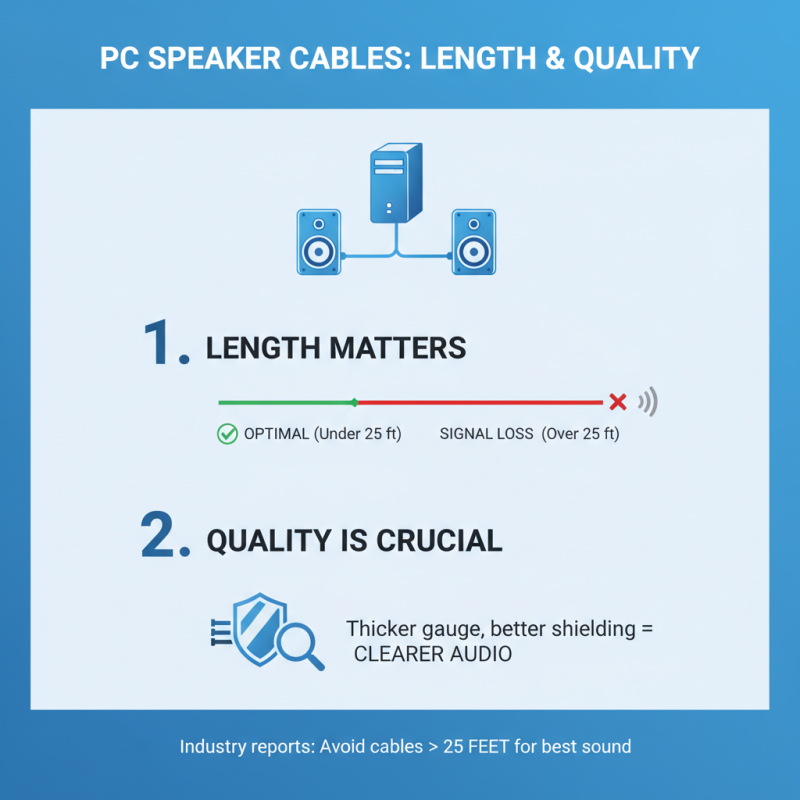
When selecting PC speaker cables, length and quality are key factors. The ideal cable length should match the distance from your computer to the speakers. According to industry reports, longer cables can lead to significant signal loss. A cable exceeding 25 feet might diminish audio quality noticeably. Many users overlook this detail, thinking any length will work fine.
Quality also matters greatly. Not all cables are created equal. Some low-cost options may not provide adequate shielding. Poor shielding can introduce noise into the audio signal. Research indicates that well-shielded cables can reduce interference by up to 40%. Many hobbyists push this aside, hoping budget options will suffice.
Pay attention to cable specifications. Consider the gauge, which measures the thickness of the wire. Thicker wires generally offer better conductivity. However, choosing a thicker cable for shorter distances may be unnecessary. Users often face a dilemma here: balancing cost against performance without clear guidance. It's vital to ensure the cables do not compromise your audio experience.
Examining Cable Connectors and Their Implications
When selecting a PC speaker cable, the type of connectors you choose is crucial. Connectors can differ significantly in design and functionality. Common types include RCA, TRS, and XLR. The right connector can enhance sound quality and reduce interference. For instance, XLR connectors are often preferred in professional environments due to their balanced audio transmission.
Tip: Consider your current setup. If your speakers support XLR, opt for those cables for a cleaner sound. Always check compatibility with your audio interface or sound card.
Different cables carry different implications for sound quality. Studies show that cables with higher-quality materials, such as oxygen-free copper, often result in lower signal loss. However, while a higher price might suggest better quality, not all expensive cables perform significantly better in practical use.
Tip: Experiment with various connectors. Sometimes, a less expensive option may deliver similar results. Assess the sound quality in your space before making a final decision. You can miss out on great audio if you solely focus on brands or costs.
How to Choose the Right PC Speaker Cable for Your Setup? - Examining Cable Connectors and Their Implications
| Connector Type |
Cable Length (feet) |
Shielding Type |
Max Supported Frequency (kHz) |
Typical Use Case |
| 3.5mm TRS |
3 to 10 |
Unshielded |
20 |
General Consumer Use |
| RCA |
5 to 15 |
Coaxial |
20 |
Home Theater Systems |
| XLR |
10 to 50 |
Balanced |
20 |
Professional Audio |
| 1/4" TRS |
6 to 30 |
Twisted Pair |
20 |
Musical Instruments |
| Optical |
6 to 30 |
Digital |
Unknown |
High-Quality Digital Audio |
Budgeting for Your PC Speaker Cable Needs and Upgrades
When setting up your audio experience, budgeting for speaker cables is essential. Many overlook this critical aspect. They often focus solely on the speakers themselves. But the right cable can enhance sound quality significantly. Low-cost cables might save money upfront, but they can lead to poor audio performance. Spending a bit more could mean a much better experience.
Think about your audio needs. Do you need long cables for a spacious setup? Or shorter cables that keep everything neat? Factor in the type of insulation and gauge. Thicker cables usually deliver better sound quality. However, they might cost more. It’s a trade-off worth considering. Sometimes, an expensive cable isn't a guarantee of quality. Research thoroughly and read reviews.
Upgrades can be tempting, especially if you're passionate about audio. However, impulse buying can hurt your budget. Set a reasonable limit for your cables. Don't forget to consider future needs. You might want to rearrange your setup eventually. So, flexible options are ideal. Finding the right balance between quality and cost takes time and thought. If you rush, you may regret your choices later.