How to Choose the Right Rca Ends for Your Audio Setup?
Choosing the right RCA ends for your audio setup can be challenging. RCA connectors are essential for transmitting audio signals clearly and effectively. Many enthusiasts often overlook this critical component. Data from the Audio Engineering Society suggests that poor-quality RCA ends can degrade sound performance by up to 30%. This emphasizes the importance of selecting the right connectors.
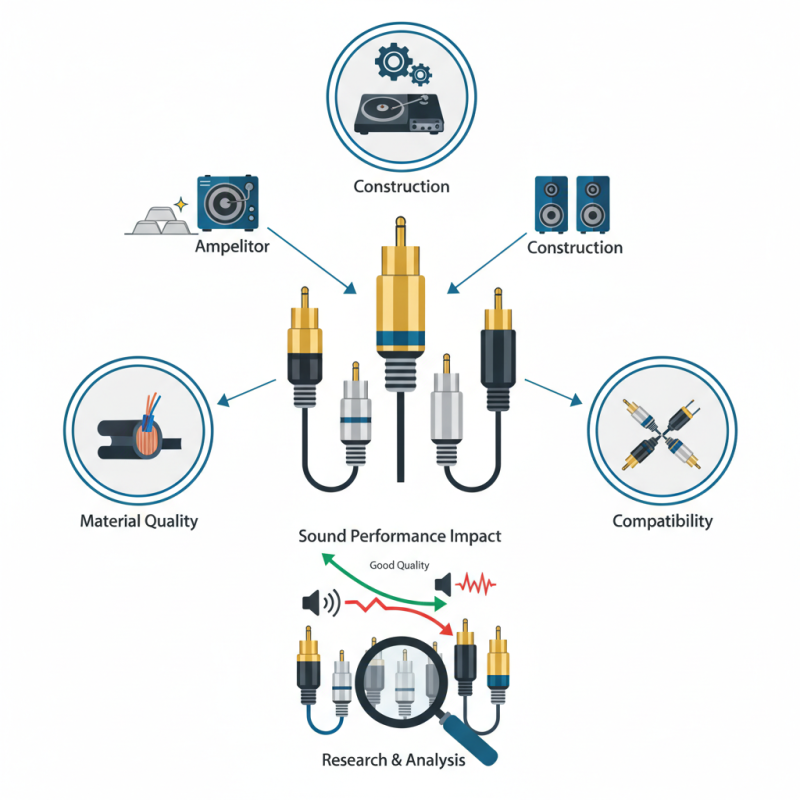
According to John Markson, a leading audio engineer, “The right RCA ends can make or break your audio experience.” His expertise underlines the need for careful consideration when selecting audio components. Factors such as material quality, construction, and compatibility with existing equipment play significant roles.
Investing time in research is crucial. Many users report dissatisfaction due to choosing subpar RCA ends. Basic errors, such as mismatched impedance or low-quality materials, can lead to loss of fidelity. Taking the time to understand and analyze different RCA options can lead to a significantly enhanced audio experience.
Understanding RCA Connector Types and Their Functions
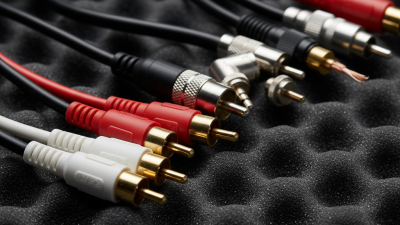
When setting up an audio system, understanding RCA connector types is crucial. RCA connectors come in several varieties, each serving different functions. The standard RCA plug is often used for audio and video inputs. It connects various devices like speakers, TVs, and gaming consoles. The color coding—red for right audio and white or black for left audio—ensures proper connectivity.
Tips to remember: Always check the type of RCA connector your system requires. If possible, consider gold-plated connectors for improved conductivity and durability. However, these can be pricier, so weigh the benefits against your budget.
For a more specialized setup, consider the use of RCA Y-splitters. These are handy for connecting multiple devices. However, using too many splitters can degrade sound quality. It’s essential to balance your needs against the potential for signal loss. Always test your connections to ensure optimal performance.
Assessing Compatibility with Your Audio Equipment
When setting up an audio system, compatibility is key. Not all RCA ends are created equal. The type of connectors you choose must align with your equipment specifications. This can prevent sound quality loss and connection issues. Take the time to review your devices. Check their manual for compatible RCA ends.
Types of RCA connectors vary. Some are designed for video, while others are for audio. You may find other variations like mono or stereo. Using the wrong type can lead to disappointment. The sound might be distorted or even non-existent. Evaluate your current cables. Are they in good condition? Damaged cables can compromise audio performance.
It’s also important to think about length. Longer cables can introduce unwanted noise. Shorter ones often provide a cleaner signal. Decide what works best for your setup. Experiment with different lengths if you notice interference. This process requires patience and testing, but it’s worth it. Each piece of equipment has unique needs. Understanding these will improve your overall experience. Don't overlook the power of the right connectors.
Audio Equipment Compatibility with RCA Ends
Identifying the Right Cable Length for Your Setup
When selecting RCA ends for your audio setup, cable length is crucial. An appropriate length ensures optimal sound quality and prevents clutter. Measure the distance from your audio source to your receiver or speakers. Add some extra length for flexibility. This prevents tension on connections, which can damage cables over time.
Shorter cables can minimize signal loss. However, they may limit placement options. Longer cables provide flexibility, but they can introduce interference. Consider the environment. If your setup is near other electronic devices, a shorter cable may be wise. Test various lengths to find what works best.
Always check the quality of materials used. Cheaper cables may wear out quickly. Invest in quality connectors and shielding to enhance durability. Make adjustments as you fine-tune your audio. Remember, your setup is unique. Regular evaluation is key.
How to Choose the Right Rca Ends for Your Audio Setup? - Identifying the Right Cable Length for Your Setup
| Cable Length (Feet) |
Use Case |
Recommended RCA Ends |
Notes |
| 3 |
Connecting a TV to a Sound System |
Standard RCA Ends |
Ideal for short distances |
| 6 |
Connecting a DVD Player to a Home Theater |
Gold-Plated RCA Ends |
Better signal quality |
| 10 |
Subwoofer Connection |
High-Frequency RCA Ends |
Recommended for bass applications |
| 20 |
Connecting Devices in Different Rooms |
Shielded RCA Ends |
Minimize signal interference |
Exploring Quality and Material Considerations
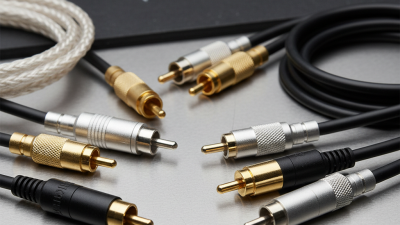
When selecting RCA ends for your audio setup, the quality of materials plays a crucial role. Connectors made of metals like gold or silver provide enhanced conductivity. This ensures a clearer signal, which translates to better sound quality. Plastic connectors may be more affordable but can diminish audio performance over time. If your budget allows, investing in high-quality materials can result in a noticeable improvement.
Tips: Look for connectors with a solid and robust build. A well-made RCA end will often feature a snug fit, preventing accidental disconnections. This attention to detail is vital in maintaining a reliable audio experience.
Keep in mind that thicker cables may also contribute to sound quality. The cable gauge can affect the signal strength, especially over longer distances. However, thicker cables can be cumbersome and less flexible. Reflect on your specific needs when making this decision. A balance between usability and performance is necessary for a satisfying audio setup.
Budgeting for RCA Ends and Accessories
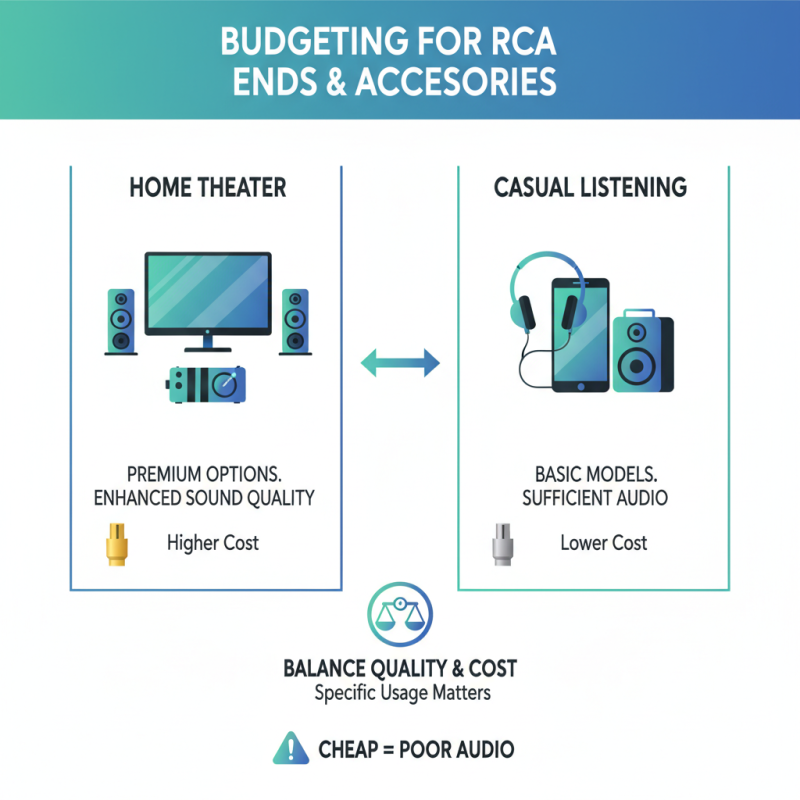
When budgeting for RCA ends and accessories, clarity on your needs is essential. Consider the settings where you plan to use them. For home theaters, investing in premium options may enhance sound quality. In contrast, casual listening setups could suffice with basic models. It’s important to balance quality and cost based on your specific usage. Cheap RCA ends might save money upfront but could lead to poor audio performance.
Additionally, think about extra accessories you may need. Items like connectors or adapters can increase total costs. If you’re connecting various devices, adding a few extra dollars for compatible accessories is wise. Avoid overlooking the importance of quality cables. Poorly made cables can cause interference or degrade audio signals, affecting your overall experience.
Reflect on your choices as you spend. It's tempting to opt for the lowest prices, but remember that quality often comes at a premium. Being aware of frequent sales or specials can aid your budgeting. Consider getting advice from audio enthusiasts online. They often share insights about budget-friendly options without sacrificing quality. A thoughtful approach to budgeting can yield a satisfying audio setup.