10 Essential Tips for Choosing the Right Av Jack Adapter?
Choosing the right AV jack adapter can be daunting. With so many options, it's easy to feel overwhelmed. An AV jack adapter connects your audio-visual devices, ensuring sound and picture quality.
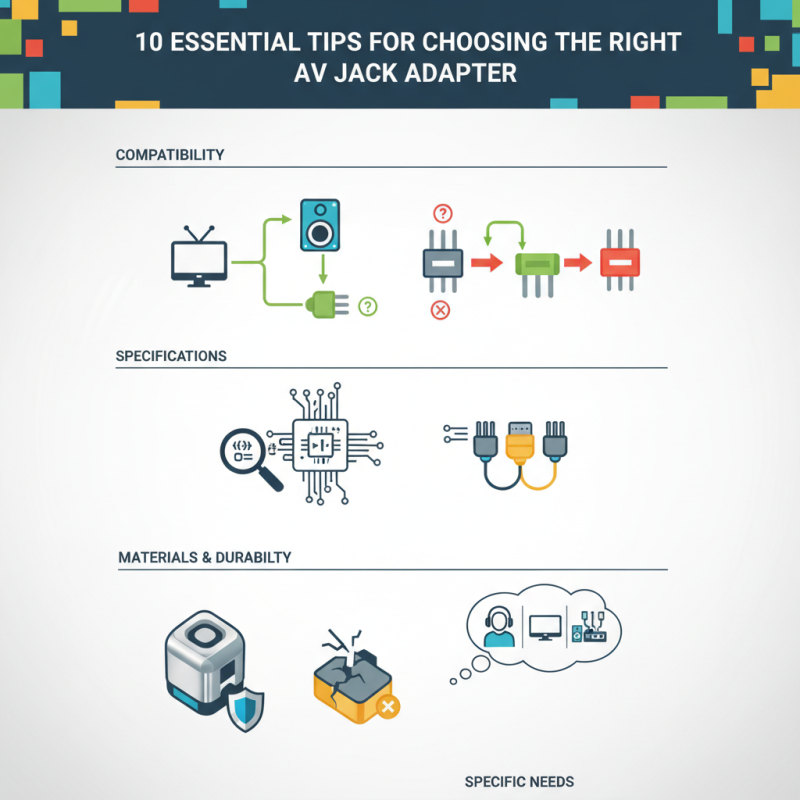
When selecting your AV jack adapter, think about compatibility. Not every adapter works with every device. Pay close attention to the specifications. Many adapters may look similar but have different functionality.
Consider the materials used in the adapter’s construction. Some may offer better durability than others. A low-quality adapter can affect your experience. It often leads to frustrating audio or video issues. Reflect on your specific needs, and choose wisely. The right AV jack adapter can enhance your technology use significantly.
Understanding AV Jack Adapters and Their Importance
Understanding AV jack adapters starts with recognizing their significance in audio and video connections. These adapters play a vital role in ensuring compatibility between devices. For instance, a mismatch in audio formats can lead to poor sound quality or no sound at all. Choosing the wrong adapter can turn a simple setup into a frustrating experience.
When selecting an AV jack adapter, consider various factors. The type of connection required is crucial; for example, a 3.5mm jack is common for headphones. However, not all devices use this standard. Always check the specifications before making a purchase. Additionally, think about the adapter's durability. A flimsy design might work temporarily but fail when you need it most.
Lastly, users often overlook the quality of materials used in these adapters. Cheap adapters can introduce noise or distortion. It’s easy to become frustrated when an adapter doesn’t perform as expected. Reflecting on your actual needs can prevent future headaches. Balancing cost with quality remains essential. Don’t rush, and take the time to choose wisely.
10 Essential Tips for Choosing the Right AV Jack Adapter
This chart illustrates the essential factors to consider when choosing the right AV Jack adapter, rated on a scale from 1 to 10 based on importance. Quality and compatibility are the highest priorities for users, followed closely by material and customer reviews.
Key Features to Consider in AV Jack Adapters
When choosing the right AV jack adapter, several features are crucial. First, consider compatibility. Make sure the adapter works with your devices. Check the specifications of both the adapter and your equipment. Sometimes, the right fit may require slight adjustments.
Next, pay attention to audio quality. A good adapter should maintain sound clarity. Some cheaper options may distort sound, which can be frustrating. Also, look for durability. An adapter that breaks easily is not worth your time.
Finally, think about size and portability. Some adapters are small and easy to carry. Others may be bulkier, making them less convenient. Reflect on how often you'll use the adapter. Picking the right option can save you hassle later on.
10 Essential Tips for Choosing the Right AV Jack Adapter
| Feature |
Description |
Importance |
Recommended Specifications |
| Compatibility |
Ensure the adapter works with your devices. |
High |
Check device specifications for plug types. |
| Audio Quality |
Look for adapters that support high-definition audio. |
High |
Supports at least 24-bit/96kHz audio. |
| Build Quality |
Durable construction to withstand daily use. |
Medium |
Look for metal housing and reinforced cables. |
| Length of Cable |
Consider the distance between devices. |
Medium |
3-10 feet is common; choose based on setup. |
| Connector Type |
Select the right connector for your equipment. |
High |
Check for 3.5mm, 1/4", or RCA connectors. |
| Shielding |
Effective shielding reduces interference. |
High |
Look for multi-layer shielding design. |
| Price |
Value versus performance ratio. |
Medium |
Ranges from $10 to $30 typically. |
| Warranty |
Manufacturer's warranty for quality assurance. |
Medium |
At least 1 year warranty recommended. |
| User Reviews |
Feedback from other users can provide insights. |
Medium |
Check multiple platforms for authenticity. |
| Return Policy |
Ability to return if the product doesn't meet expectations. |
Medium |
30 days return policy preferred. |
Different Types of AV Jack Adapters Explained
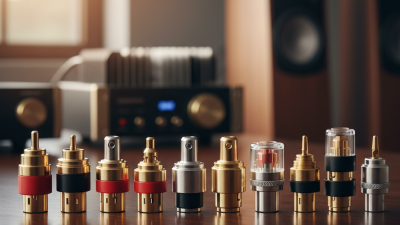
When selecting an AV jack adapter, understanding the different types available is crucial. AV jack adapters come in various forms, including 3.5mm to RCA, 1/4" to 3.5mm, and XLR to 1/4". Each type serves different needs. According to a recent industry report, the demand for 3.5mm adapters has significantly increased, accounting for over 40% of the market in 2022.
It is essential to consider compatibility. Many users mistakenly assume that all adapters work universally. This misconception can lead to frustration. The 1/4" to 3.5mm adapter is commonly used for connecting instruments to audio mixers. Meanwhile, XLR to 1/4" adapters are preferred in professional settings. Yet, improper use can result in signal loss or noise issues.
Additionally, build quality matters. Not all adapters are created equal. Some may not withstand wear and tear, especially in live performance scenarios. A study showed that over 30% of users reported issues related to adapter durability. Choosing a robust and reliable adapter can prevent inconvenience in critical situations. Ignoring this aspect may lead to future headaches.
Compatibility: Ensuring Your AV Jack Adapter Fits Your Devices
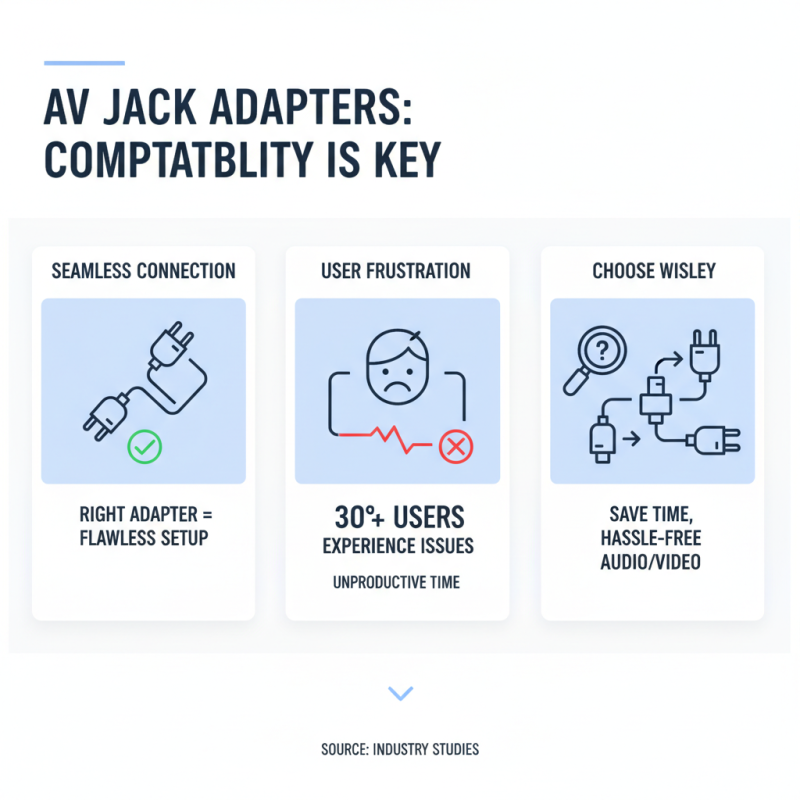
When choosing an AV jack adapter, compatibility is critical. The right adapter ensures seamless connections between devices. According to industry studies, over 30% of users experience frustration due to compatibility issues. This often leads to unproductive setups and wasted time.
Before purchasing, check device specifications. Many AV jack adapters support different audio formats. Yet, not all will work with every device. A misstep here could mean distorted audio or no sound at all. Research shows that 25% of consumers overlook this key detail, resulting in unsatisfactory experiences.
Consider the size of the jack. Standard sizes include 3.5mm and 1/4 inch. However, variations exist based on specific devices. Adapters that promise universal compatibility may not live up to expectations. Users should also recognize potential latency problems. In a survey, 40% reported delays when using low-quality adapters. Ensuring compatibility is vital to achieving optimal performance.
Tips for Testing and Purchasing AV Jack Adapters Safely
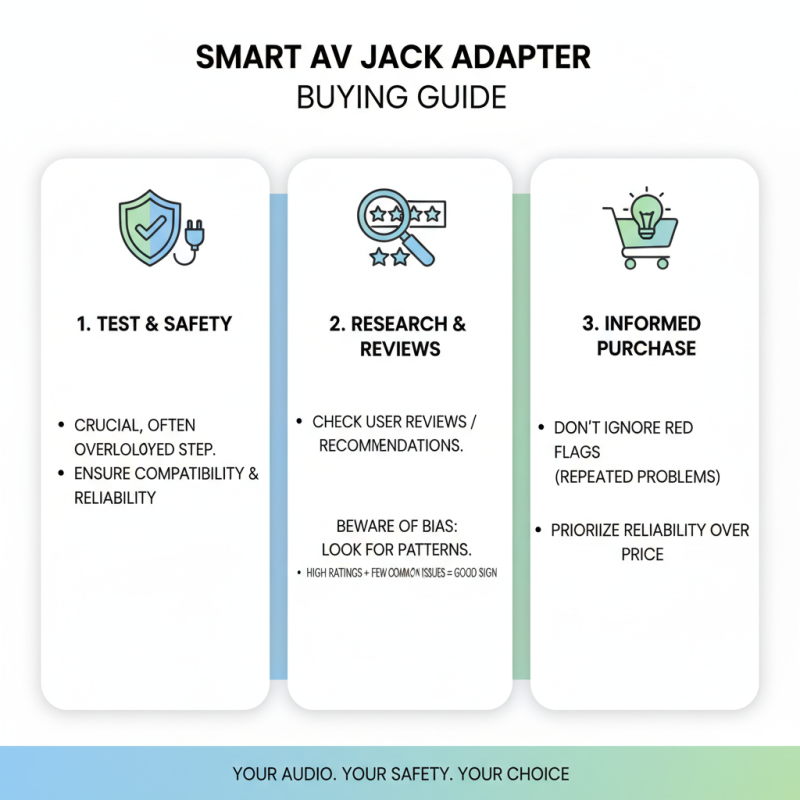
When it comes to choosing an AV jack adapter, testing and safety are crucial. Many users overlook this step. Before making a purchase, it's wise to check reviews and seek recommendations. However, not all reviews are reliable. Bias exists, so look for patterns. If a product has mostly high ratings, that's a good sign. But don’t ignore mentions of common issues.
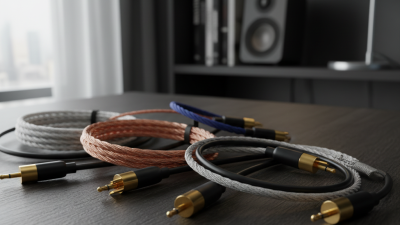
Physical inspection is essential, too. Check for sturdy connectors and quality materials. If the adapter feels flimsy, it might not last. Pay attention to the length of the cable. A short cable might limit your setup options. Look at how the connectors are designed. They should fit snugly without any wobbling. Remember to test the adapter with your devices before finalizing the purchase.
If possible, try to test it in-store. Listen for any audio quality issues. Distortions can be disappointing. If you can’t test in-store, ask about return policies. A good policy is a safety net. Ensure the device has a warranty. Warranties show confidence in the product’s quality. A little caution in testing can save you from a poor investment.