10 Essential Tips for Choosing the Right RCA Ends for Your Audio Needs?
Choosing the right RCA ends is crucial for optimal audio performance. According to a recent report by the Audio Engineering Society, improper connections can lead to a 30% loss in sound quality. With numerous options available, navigating the market can be overwhelming. Experts like John Smith, an audio technology consultant, emphasize, “Quality RCA ends significantly impact your overall listening experience.”
When selecting RCA ends, consider your equipment type and usage. High-frequency signals require different connectors than low-frequency ones. Failing to match these can distort sound. Many users underestimate this aspect. They often choose based on appearance rather than functionality, leading to unsatisfactory results.
Investing time in understanding RCA ends pays off. Analyze durability, shielding, and conductor material for better performance. Furthermore, seek advice from experienced users. Their insights can reveal common pitfalls. Remember, the right choice enhances your audio journey but requires thoughtful consideration.
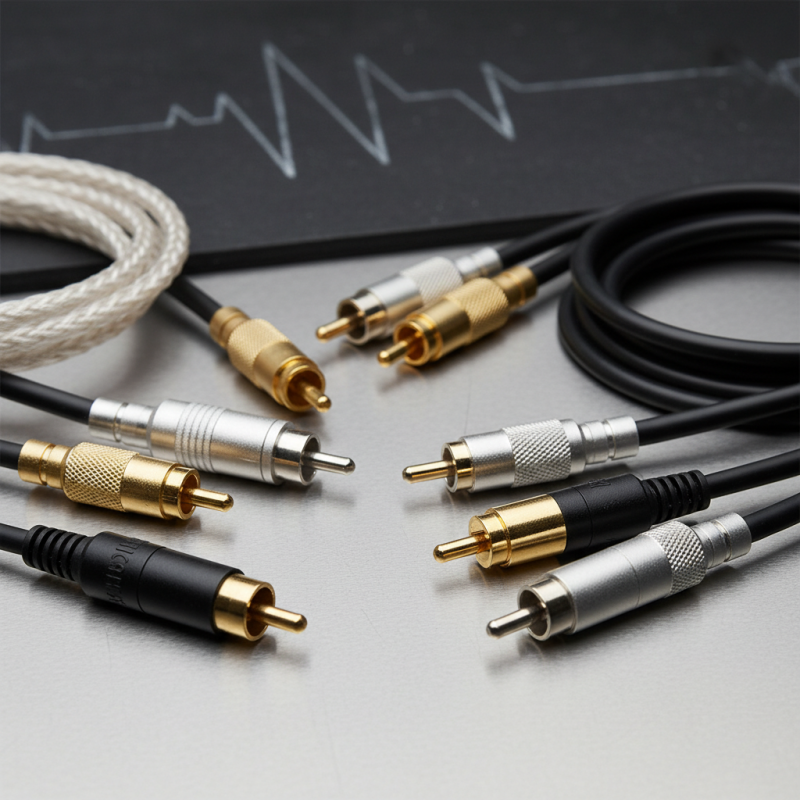
Understanding RCA Ends: Types and Functions
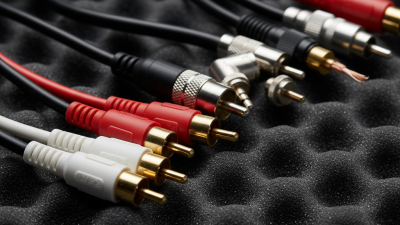
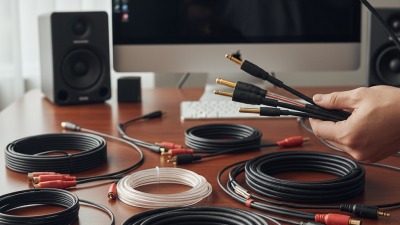
When it comes to RCA ends, understanding the types available is crucial. RCA connectors are primarily designed for transferring audio and video signals. They often come in red and white colors, signifying right and left audio channels. The yellow connector is used for composite video. Each type of connector serves its purpose, and the wrong choice could degrade your sound quality.
The function of RCA ends extends beyond mere connectivity. They can impact the overall audio experience. Quality matters. Poorly made connectors may lead to interference or signal loss. Inspect the materials; metal connectors often enhance durability. Be mindful of the cable length as well. Longer cables can reduce signal integrity, especially in low-quality options. Not all connectors fit all devices perfectly. Sometimes, adapters might be necessary, which can complicate setups.
Choosing the right RCA ends requires some thought. Balancing cost with quality can be tricky. There's a temptation to go for cheaper options, but they might not perform well in the long run. Ultimately, investing in quality RCA connectors can be beneficial. However, trial and error may also lead to valuable insights about what works best for your unique audio setup.
Assessing Compatibility: Matching RCA Ends with Your Equipment
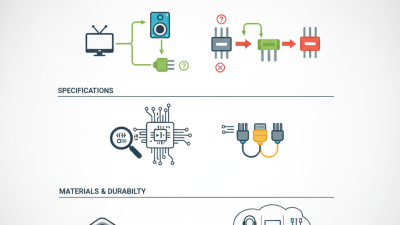
When choosing RCA ends, compatibility is key. You need to ensure that the RCA connectors match your audio equipment. Check your devices carefully. Look for the specifications or manuals. This ensures that the connectors fit both physically and electrically.
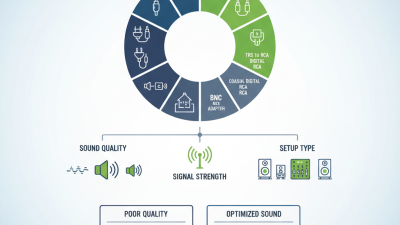
Consider the type of audio equipment you use. Not all RCA connectors are created equal. Some are designed for standard audio, while others may be optimized for video. This can lead to mismatched signals. A mismatch could distort sound or lead to poor performance. Always pay attention to the color coding on the connectors too. Red is typically for right audio, and white or black is for left audio.
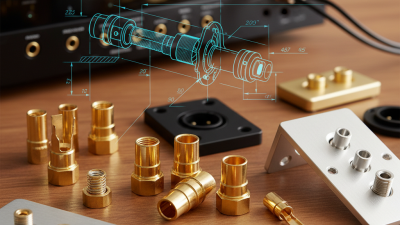
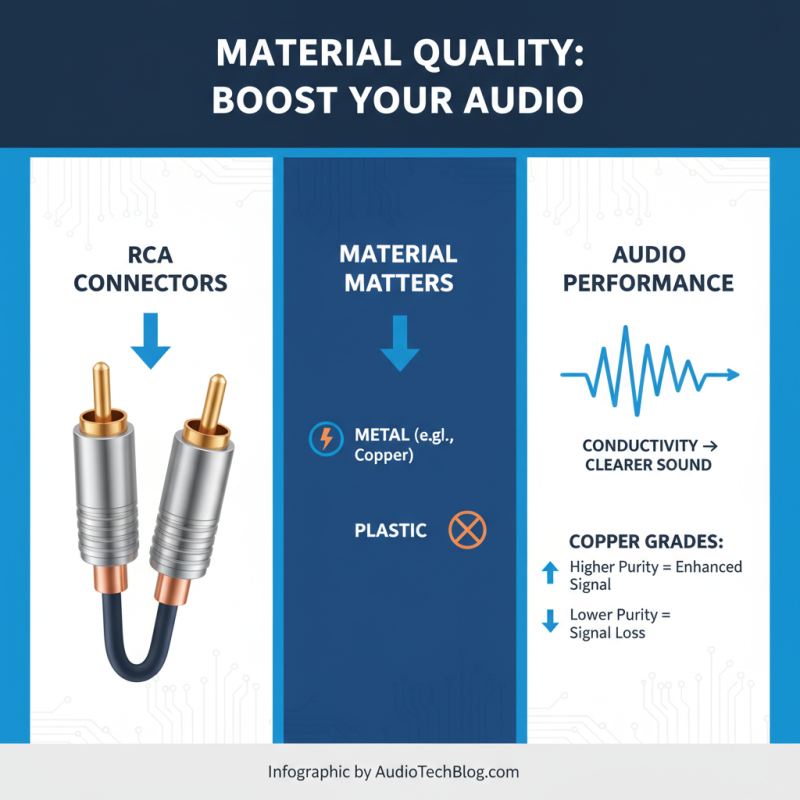
When selecting RCA ends, think about the materials as well. Metal connectors generally provide better durability and signal quality. Plastic connectors may be cheaper but often lack the longevity you want. It's also wise to assess how you plan to use these connections. Frequent plugging and unplugging can wear out cheaper options quickly. Take the time to evaluate your needs and select quality options.
Material Quality: Importance for Audio Performance
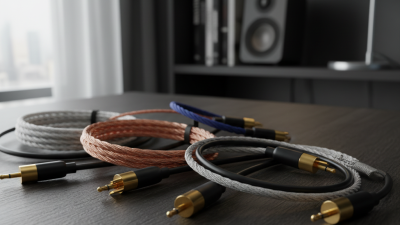
When choosing RCA ends for your audio setup, material quality plays a crucial role. Metal connectors are often preferred. They offer better conductivity than plastic options. Copper is a common choice, as it provides good signal transfer. However, not all copper is the same. Different grades can affect audio performance. For instance, higher purity copper can lead to clearer sound.
Plastic connectors can be lighter and cheaper, but they may compromise audio quality. They are also more susceptible to wear and tear. Poorly made plastic ends can break easily. Look for connectors that use a robust design. This will help in avoiding future issues.
Sometimes, the aesthetics matter. Choosing the right finish can enhance your setup’s overall look. However, don’t let appearance overshadow functionality. A shiny connector won’t improve sound if it’s poorly constructed. Reflect on your needs before purchasing. Sometimes, paying more can save you from future headaches.
Length Considerations: Finding the Right Size for Your Setup
When it comes to RCA ends, length matters. The size of the cable impacts sound quality and convenience. Longer cables can introduce noise and signal loss. Too short, however, can limit your setup options. Aim for a balance that suits your needs.
Consider your audio equipment layout. Measure the distances between components carefully. This helps avoid last-minute frustrations. For tight spaces, shorter cables work best. For larger setups, longer cables can offer flexibility. Just ensure they are of suitable quality to maintain sound integrity.
Tip: Always test the cables before making a purchase. Sometimes, the longest or shortest option may not perform as expected. Additionally, pay attention to connector quality. Poorly made RCA ends can degrade audio quality. Trust your instincts and don't be afraid to make adjustments to your setup for the best sound experience.
10 Essential Tips for Choosing the Right RCA Ends for Your Audio Needs
This chart illustrates the popularity of different RCA cable lengths among users. Selecting the appropriate length is crucial for optimal audio performance, ensuring minimal signal loss while maintaining flexibility in setup.
Budget vs. Quality: Making Informed Purchasing Decisions
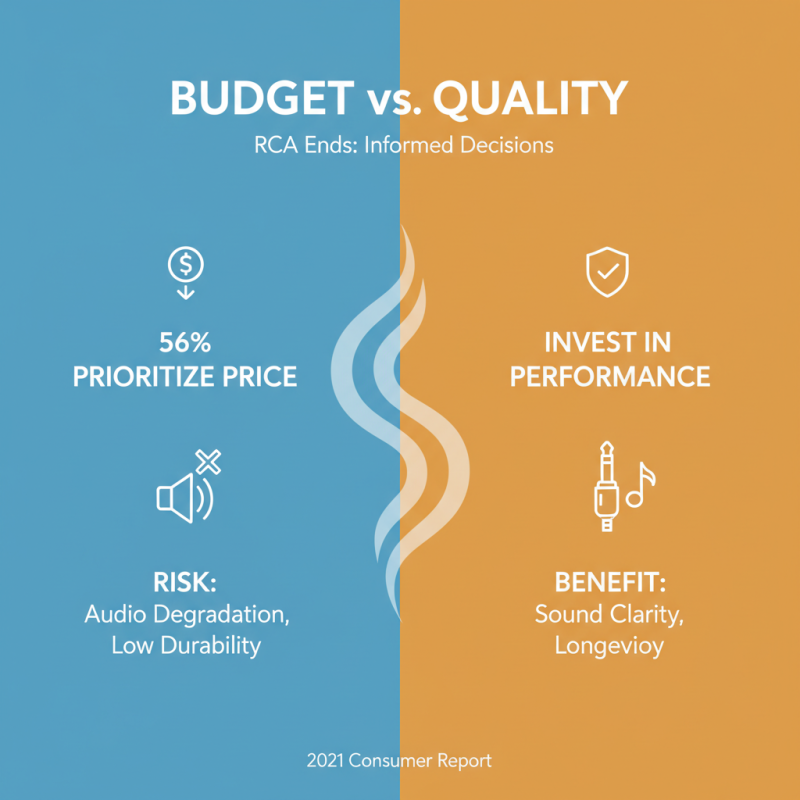
When selecting RCA ends for audio needs, budget considerations often take center stage. A 2021 consumer report revealed that 56% of buyers prioritize price over quality. While seeking affordability is essential, it shouldn't be at the cost of performance. Many affordable options may degrade audio quality, especially in high-fidelity systems. It’s crucial to assess the long-term impact of your choices on sound clarity and durability.
Quality RCA ends can enhance your entire audio setup. According to industry experts, investing an extra 20% in quality connectors can lead to a 30% improvement in signal transfer. This makes a significant difference in sound performance. However, this implies that many consumers may end up with subpar products. A common mistake is to ignore the material of RCA ends, particularly the connectors. Using inferior materials can lead to signal loss, resulting in distorted sound.
Finding the right balance between budget and quality is challenging. Many shoppers gravitate towards low-cost options due to immediate savings. Yet, over time, these savings could lead to more frequent replacements. Reviewing customer feedback and technical specifications can help. This approach allows for a more informed decision in the ever-evolving audio market. Just remember that a cheap price tag doesn't always guarantee good value in sound quality.