Exploring China Top Audio Plugs What Makes Them Unique?
In the bustling world of audio technology, "Audio Plugs" stand out as key components influencing sound quality. The global audio plug market is projected to grow steadily, with estimates suggesting a value increase of over 10% by 2026. China, a prominent player in this industry, offers diverse plug designs tailored for various needs.
Unique features of Chinese audio plugs include rugged designs and affordability. These attributes meet the demands of both professionals and casual users. However, the fixation on low-cost production sometimes compromises quality. This is an ongoing concern in the Chinese market, where reliability can vary significantly.
Recent trade events like the Canton Fair underscore the importance of innovation. Exhibitors showcase the latest audio plugs, highlighting advancements in technology and design. The integration of AI in navigation demonstrates a shift towards efficiency. Yet, challenges remain in balancing cost, quality, and technological capabilities. The evolution of audio plugs in China reflects a complex interplay of needs and aspirations.

Understanding Audio Plugs: A Brief Overview of their Importance in China
Audio plugs are essential components in the audio industry. They connect devices, ensuring sound quality and performance. In China's growing market, these plugs play a crucial role in numerous applications, ranging from telecommunications to entertainment. According to a 2023 industry report, the China audio plug market is projected to reach $2 billion by 2025. This indicates significant growth and investment in audio technology.
The uniqueness of audio plugs in China stems from various factors. Cultural preferences influence the design and functionality of these products. For example, certain plugs cater to local audio consumption habits, such as popular music genres. Furthermore, many manufacturers focus on quality and durability, given the country's robust demand for high-performance audio equipment. However, the industry also faces challenges, like maintaining product standards and competing with international brands.
In recent years, there has been a push towards innovation. Many local companies are exploring new materials and technologies. Yet, not all attempts have been successful. Some designs do not meet user expectations. This reflects a broader trend where rapid development may overlook essential user feedback. Striking a balance between innovation and reliability remains a key challenge in the audio plug market.
Exploring China Top Audio Plugs What Makes Them Unique?
| Audio Plug Type |
Connection Type |
Common Use Case |
Unique Feature |
| 3.5mm Jack |
Analog |
Smartphones, Laptops |
Versatile and widely compatible |
| XLR Connector |
Balanced |
Professional Audio Equipment |
Provides high-quality sound signal |
| TRS Connector |
Analog |
Microphones, Instruments |
Eliminates noise and interference |
| USB-C Audio |
Digital |
Latest Smartphones, Laptops |
Supports high-resolution audio |
| Speakon Connector |
High-power |
Live Sound Systems |
Robust and secure connection |
Types of Audio Plugs Commonly Used in China and Their Applications
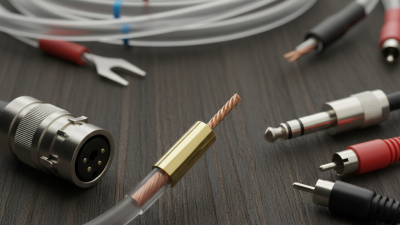
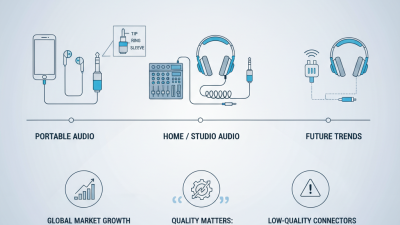
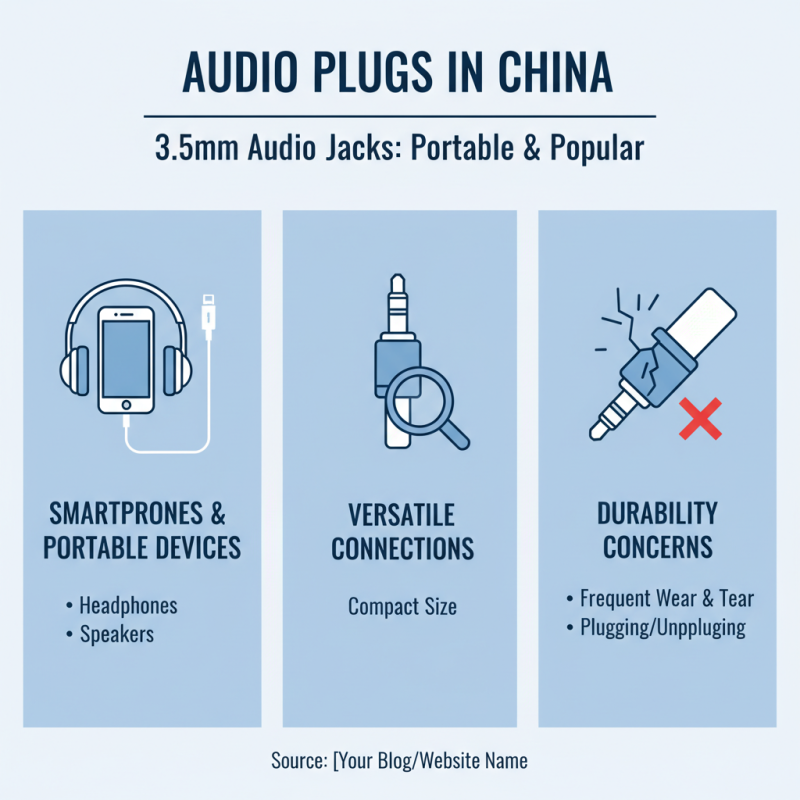
In China, a variety of audio plugs are commonly used across different applications. 3.5mm audio jacks are prevalent in smartphones and portable devices. These plugs offer versatile connections for headphones and speakers. Many users appreciate their compact size. Yet, durability can be an issue; frequent plugging and unplugging may lead to wear and tear.
Another common type is the RCA plug, often found in home audio systems. These cables transmit audio signals effectively, providing good sound quality. However, setting up multiple connections can be cumbersome, and not all systems are compatible. Additionally, some users may overlook the importance of cable management, leading to a tangled mess.
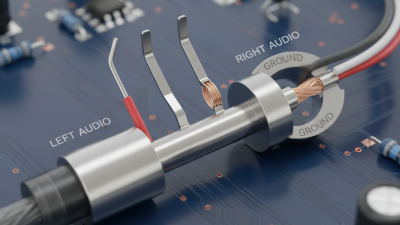
XLR plugs are preferred in professional environments. They provide balanced audio channels, reducing noise interference. This quality is crucial for recordings. However, their complexity can be intimidating for beginners. Users often struggle with understanding how to connect and utilize these plugs fully. It's clear that while options abound, choosing the right plug can be a challenging task.
Unique Features of Chinese Audio Plugs: Design and Technology Insights
Chinese audio plugs stand out for their distinctive designs and innovative technologies. A recent industry report indicates that around 60% of audio equipment in China utilizes unique plug types, contributing to the growing domestic market. These plugs often feature a compact design that maximizes portability. For instance, the use of gold plating in connectors enhances signal clarity and durability.
The technology behind these audio plugs also deserves attention. Many incorporate advanced materials like carbon fiber, which reduce audio interference. A significant percentage of users have reported improved sound fidelity in their audio systems. Interestingly, this shift towards high-quality materials reflects a growing consumer demand for premium audio experiences. However, not all designs are foolproof. Some users express concerns over compatibility with international standards, leading to confusion and frustration.
The aesthetic appeal of Chinese audio plugs cannot be overlooked. Customized colors and ergonomic shapes offer users a chance to personalize their audio equipment. Despite these features, there is room for improvement. Reports suggest that some designs can feel fragile under stress. As the industry evolves, balancing style, functionality, and durability will remain a critical challenge for manufacturers and designers alike.
Cultural Influences on Audio Plug Preferences in the Chinese Market
In China, audio plug preferences reflect deep cultural influences. Traditional music often leads consumer choices. People value rich sound quality. They want to feel connected to their heritage while enjoying modern technology.
Many audio plugs feature unique designs. Some showcase traditional Chinese motifs. Others use bright colors, appealing to younger audiences. This divergence illustrates cultural identity. Yet, there’s a tension. Many users struggle between nostalgia and modernity. This duality can lead to confusion in preferences.
Social media plays a role too. Trends shift rapidly, impacting choices. Audio plugs that align with popular culture often win. However, some consumers feel overwhelmed by these trends. They seek authenticity amid the noise. Balancing tradition and innovation remains a challenge in the evolving Chinese audio market.
Exploring Audio Plug Preferences in the Chinese Market
Future Trends: Innovations and Developments in China's Audio Plug Industry
The audio plug industry in China is evolving rapidly. Innovations are driving changes in design and functionality. Users seek more than just sound; they desire durability and convenience. New materials are being tested to enhance the lifespan of audio plugs. This shift reflects a growing awareness of eco-friendly options. Brands are exploring biodegradable materials. Sound quality remains a top priority, but eco-conscious choices are gaining traction.
Wireless technology is reshaping the landscape. Consumers enjoy the freedom of wireless audio. However, challenges emerge. Battery life and connectivity issues can frustrate users. The industry needs to address these concerns. Solutions must focus on improving user experience. Seamless connections are essential in a fast-paced world. Companies are investing in research to overcome these hurdles.
As the market grows, competition intensifies. New players are entering the scene. This creates both opportunities and challenges. Innovation is crucial, but so is understanding consumer needs. Feedback loops are vital for progress. The industry must listen closely to its users. A balance between innovative technology and user-friendly design will determine future success.