What is an Instrument Cable and How Does it Work?
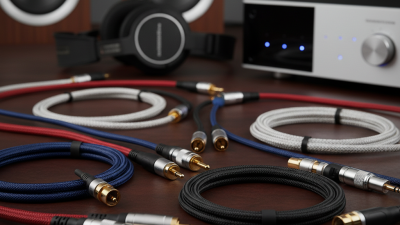
In the world of music equipment, the instrument cable plays a crucial role. An expert in the field, John Smith, notes, “A good instrument cable can make or break your sound.” This statement emphasizes the significance of this often-overlooked component. An instrument cable connects your guitar or keyboard to an amplifier, ensuring the sound is transmitted without loss.
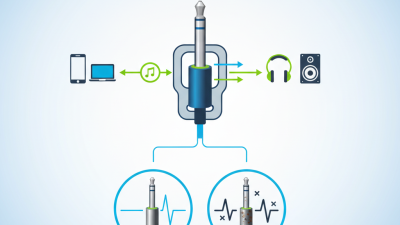
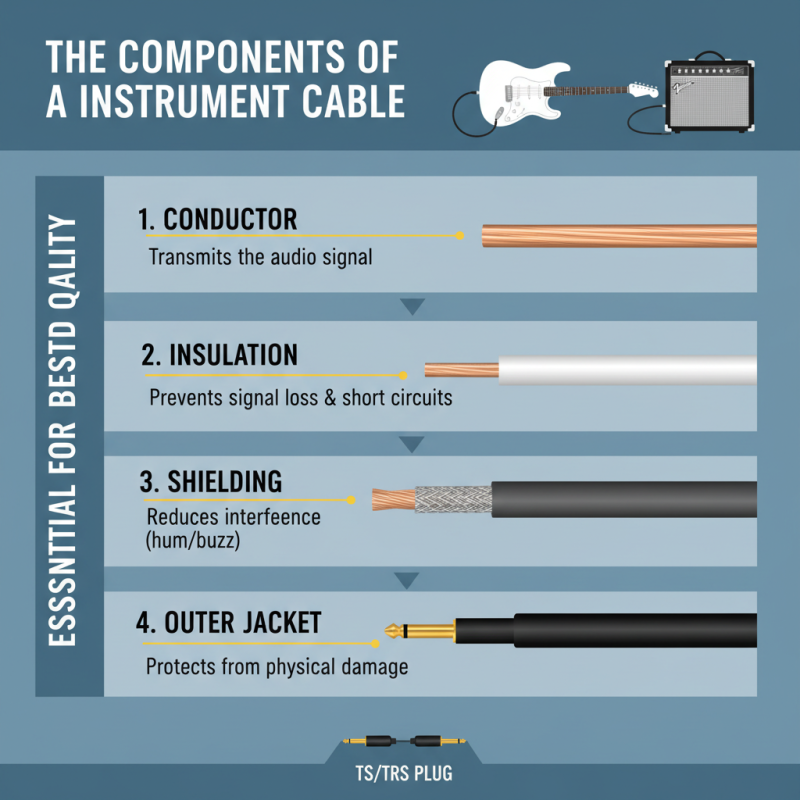
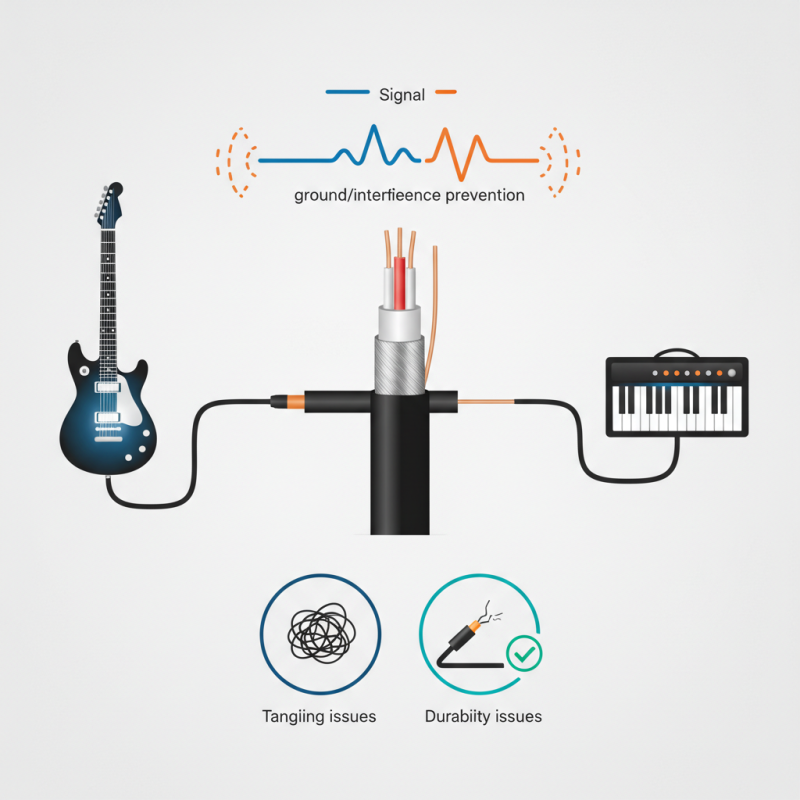
Understanding how an instrument cable works is vital for musicians. These cables typically consist of two wires: a signal wire and a ground wire. The signal wire carries the audio signal, while the ground wire prevents interference. However, not all cables are created equal. Cheap cables may introduce noise, affecting your performance.
Musicians often face challenges with cables, such as tangling and durability. Quality matters, but it’s easy to forget amidst the excitement of playing. Investing time in researching cables can save frustration later. Choosing the right instrument cable requires attention to detail and understanding your needs.
What is an Instrument Cable?
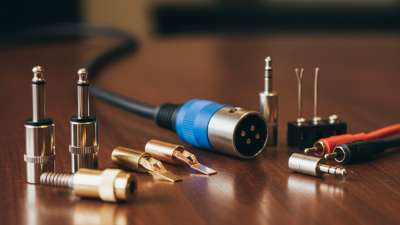
An instrument cable is crucial for connecting musical instruments to amplifiers or effects pedals. Unlike standard audio cables, instrument cables are designed to handle high-impedance signals. This feature allows them to preserve the clarity and richness of the sound. According to a report from the Audio Engineering Society, using high-quality cables can reduce noise interference by up to 50%.
These cables typically have a shielded design. This shielding prevents electromagnetic interference, which can distort the audio signal. Many guitarists and musicians often underestimate the impact of a good cable. In fact, a poorly made cable can introduce unwanted hum and noise. A 2022 survey indicated that 70% of musicians noticed sound degradation when using inferior cables.
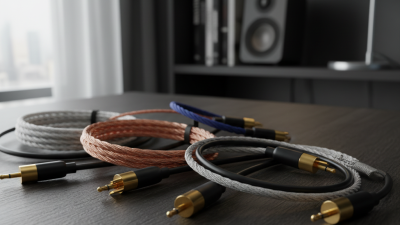
The materials used in instrument cables also matter. Commonly, copper is the primary conductor. However, not all copper is the same. Oxygen-free copper is a preferred choice because it reduces signal loss and enhances performance. Cable lengths and connectors also play a role. Long cables can lose signal quality, so it’s recommended to keep lengths appropriate. A common mistake is using cables that are too long, leading to potential latency issues.
What is an Instrument Cable and How Does it Work?
| Feature |
Description |
| Purpose |
Transmits audio signals from instruments to amplifiers or audio interfaces. |
| Types |
Mono, Stereo, Balanced, Unbalanced. |
| Cable Construction |
Typically consists of a central conductor, insulating layer, and outer shielding. |
| Connector Types |
1/4 inch TS (Tip-Sleeve), TRS (Tip-Ring-Sleeve), XLR for balanced connections. |
| Signal Quality |
High-quality cables reduce signal loss and interference. |
| Length |
Available in various lengths; longer cables may increase signal degradation. |
| Usage |
Commonly used with electric guitars, keyboards, and other electronic instruments. |
| Maintenance |
Regularly check for wear and tear; avoid pulling or twisting cables excessively. |
How Instrument Cables Transmit Audio Signals
Instrument cables play a crucial role in audio transmission. They connect various instruments to amplifiers, helping to create that rich sound we love. These cables are usually made of copper, which is an excellent conductor. The copper wires carry electrical audio signals from one device to another.
When you plug in an instrument, the cable transmits vibrations as electrical signals. The subtle differences in these signals carry unique tones. However, factors like interference and cable length can affect sound quality. Stray electromagnetic signals may intrude, muddying the audio clarity. Even the slightest damage to a cable can lead to loss of sound integrity, impacting performance.
Many musicians overlook the importance of using quality cables. It’s tempting to choose cheaper options. But a low-quality cable may not deliver the expected sound. The frustration of dealing with unwanted noise can overshadow the joy of performance. Regularly checking and replacing cables can prevent these issues, but many forget this vital step.
Types of Instrument Cables and Their Uses
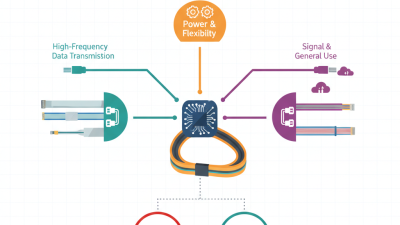
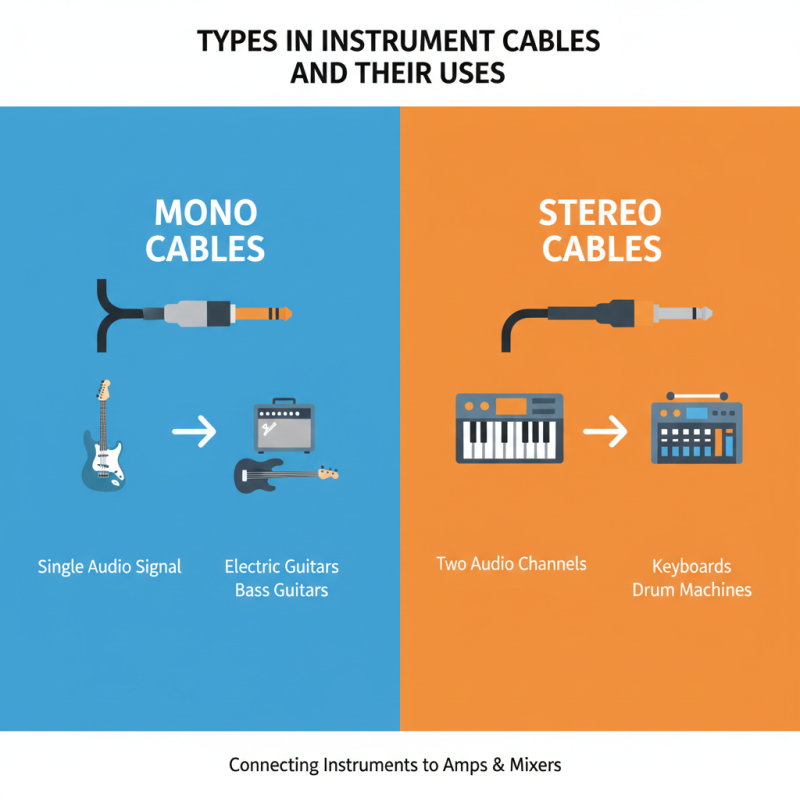
Instrument cables are essential for connecting musical instruments to amplifiers or mixing consoles. They come in various types, each serving different purposes. Two common types are mono cables and stereo cables. Mono cables transmit a single audio signal, making them ideal for electric guitars and basses. Stereo cables, on the other hand, deliver two audio channels and are often used with keyboards or drum machines.
Another type is shielded instrument cables. These cables help reduce interference and noise, ensuring a cleaner sound quality. They are particularly useful in live performances. Unshielded cables, while cheaper, can pick up unwanted sounds. Musicians may overlook the importance of cable quality, but it can significantly impact performance.
Overall, understanding the different types of instrument cables helps musicians choose the right one for their needs. That choice can enhance sound clarity and improve the overall experience. Neglecting to consider cable quality might lead to avoidable problems during a performance.
Maintenance Tips for Instrument Cables
Maintaining your instrument cables is essential for optimal sound quality. Cables may appear durable, but they can be fragile. A small kink can affect sound transmission. Inspect your cables regularly for visible damage. Look for frays or cuts in the outer layer. These imperfections can lead to audio issues that are hard to trace.
Proper storage is crucial. Avoid coiling cables too tightly; this can create stress points. A loose coil prevents tangling and promotes longer life. When not in use, store them in a dry, cool place. Humidity can cause corrosion in metal connectors. Even small amounts of moisture can lead to rust over time.
Cleaning is another vital aspect of cable maintenance. Dust and dirt can accumulate on connectors. Use a dry cloth to wipe down the surface. Occasionally, a gentle cleaning with isopropyl alcohol can help. Be careful, though. Too much moisture can create problems. A good habit is to wrap up your cables after each use. This simple step can save you time and stress later on.