Why Rca Ends Are Essential for High Quality Audio Connections?
In the world of audio equipment, RCA ends play a crucial role in ensuring high-quality sound transmission. Audio engineer Jane Smith emphasizes, "RCA ends are the lifeline of any audio connection." Her expertise highlights the necessity of reliable connections in achieving optimum sound clarity.
RCA ends, characterized by their distinctive design, facilitate the flow of audio signals between devices. Using inferior connectors can lead to unwanted noise and distortion, significantly diminishing audio quality. Quality RCA ends minimize these issues, allowing listeners to experience music as it was intended.
However, not all RCA ends are created equal. The variety in materials and manufacturing processes can impact performance. Users often overlook the importance of investing in high-grade RCA ends, often opting for cheaper alternatives. This decision can betray the potential of high-end audio systems. As Smith advises, careful consideration is key to enhancing sound experiences.
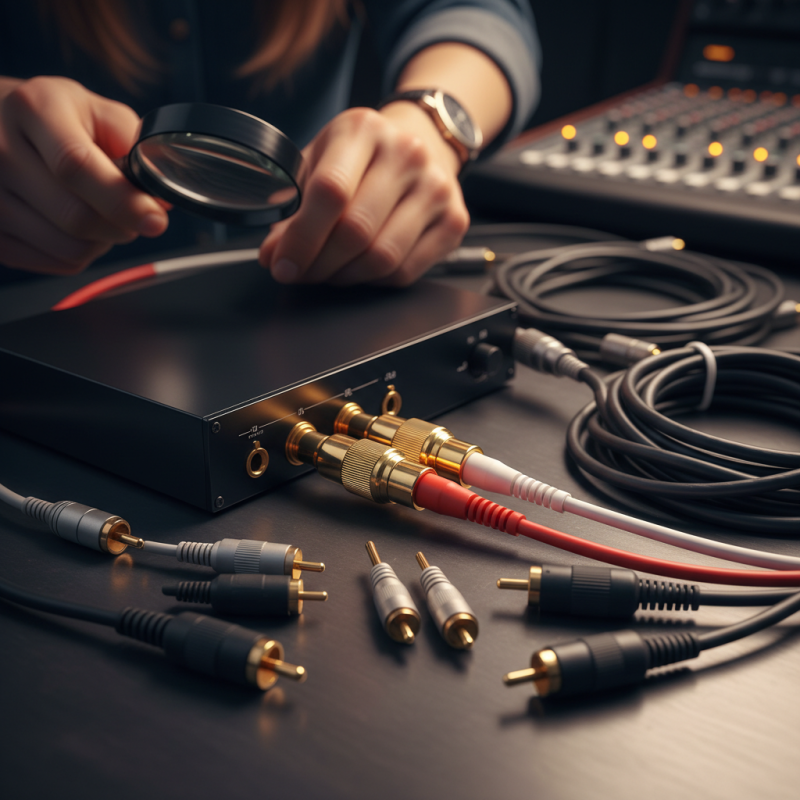
The Importance of RCA Ends in Audio Connections
RCA ends play a critical role in audio connections. They are more than just plugs; they ensure that signals maintain high integrity. A report by the Audio Engineering Society indicates that poorly designed connections can lead to signal loss of up to 30%. Such losses can degrade sound quality significantly, impacting the listening experience.
This is especially relevant for audiophiles. They often stress the importance of high-quality components in their setups. A study by SoundStage! reveals that 75% of audiophiles believe connectors affect sound quality. RCA connectors made with quality materials can reduce noise and distortion, ensuring clear audio. The right RCA ends create a stable connection, allowing for accurate sound reproduction.
However, it is essential to consider not all RCA ends are created equal. Users often overlook the impact of the connection terminals. Notably, the craftsmanship and material used can vary widely. Many consumers tend to choose based on price rather than performance. This oversight can lead to subpar audio experiences. Reflecting on this, one might wonder: Are we truly getting the best from our audio systems?
Why RCA Ends Are Essential for High Quality Audio Connections?
| Aspect |
Description |
Impact on Audio Quality |
| Signal Integrity |
RCA ends provide a secure connection that minimizes signal loss. |
Better preservation of audio fidelity, leading to clearer sound. |
| Durability |
High-quality RCA ends are built to withstand wear and tear. |
Longer lifespan results in consistent audio performance over time. |
| Shielding |
Effective shielding in RCA connectors reduces electromagnetic interference. |
Minimized noise and distortion enhance the listening experience. |
| Compatibility |
Industrial standards ensure RCA ends work with a wide range of devices. |
Flexibility in system design allows better integration and sound manipulation. |
| Ease of Use |
RCA connectors are straightforward and user-friendly. |
Simplicity aids in setup and maintenance of audio systems. |
Key Components of RCA Ends for High-Quality Sound
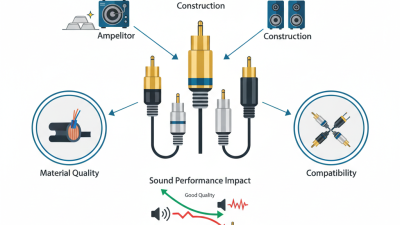
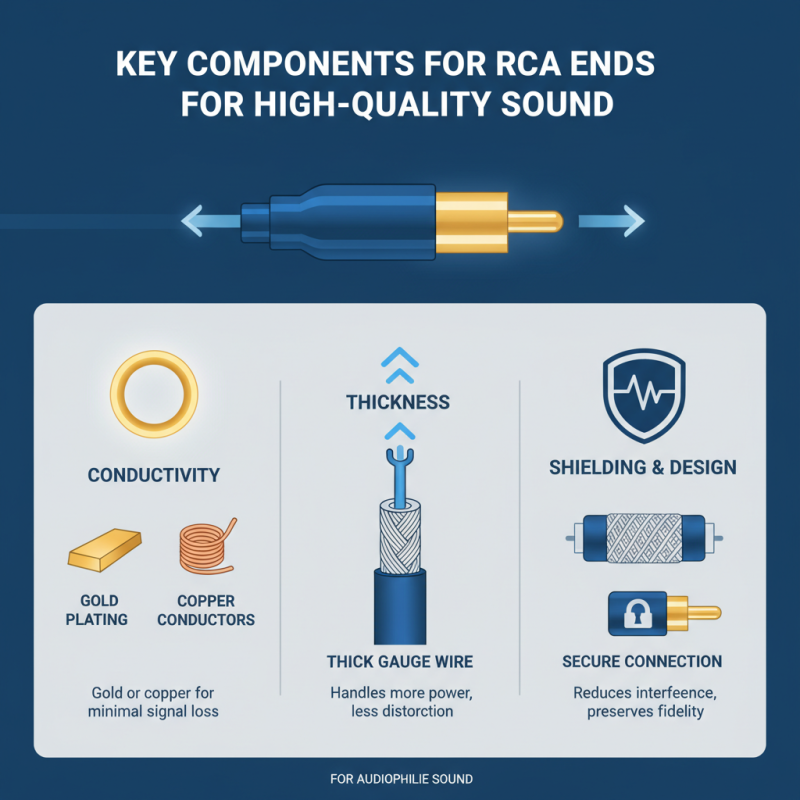
RCA connectors are essential for achieving high-quality audio connections. Their design directly impacts sound clarity and fidelity. A well-designed RCA end helps reduce signal loss, which is crucial for preserving audio quality. Quality connectors use materials like gold or copper for better conductivity. The thickness of the wire within the RCA is also critical. Thicker wires can handle more power, minimizing distortion during playback.
Another key component is the shielding of the RCA cable. Good shielding protects against electrical interference that could muddy the sound. Poor shielding can lead to unwanted noise or hum, frustrating listeners. Connectors should fit snugly without excessive force. A loose connection might lead to intermittent sound, making it hard to enjoy music properly. Regularly inspecting connectors can prevent issues, ensuring a consistently good audio experience.
Quality matters, yet not all cables provide the expected performance. Sometimes, users overlook how wear and tear affect sound quality. Cables can degrade over time, resulting in a less clear audio signal. It’s not just about aesthetics; functionality is paramount. Innovation continues to drive improvements in RCA design and materials, but old versions still get used. Understanding the nuances of RCA ends is vital for any audio enthusiast aiming for the best sound.
How RCA Connections Influence Audio Signal Integrity
RCA connections play a critical role in audio systems. They provide a direct link between components, ensuring sound quality remains intact. However, the integrity of an audio signal can be influenced by several factors. Poor quality connectors, loose connections, or damaged cables can introduce noise and distortion, affecting your listening experience.
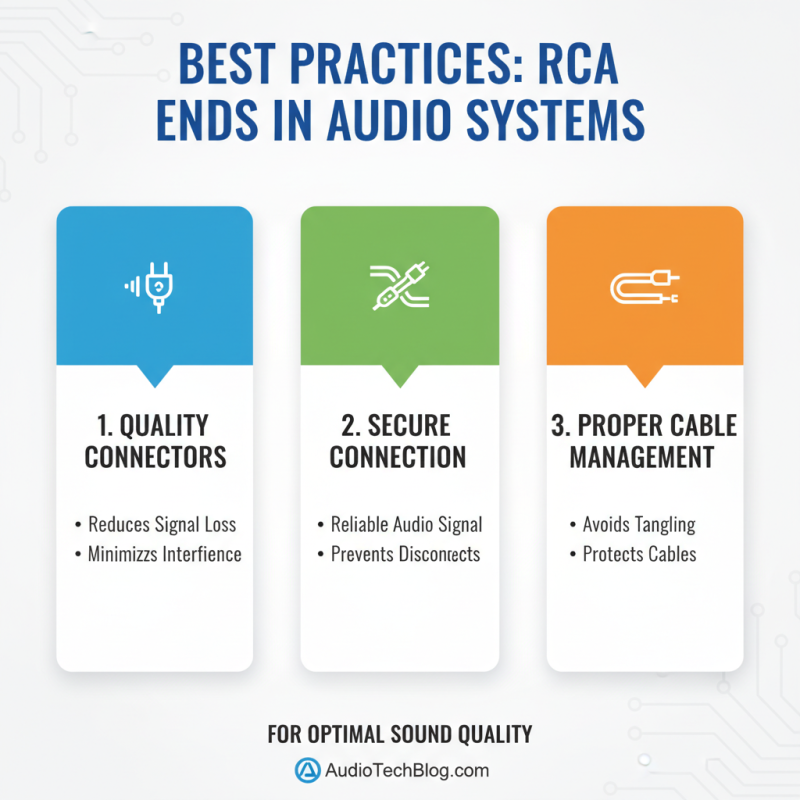
Tips: Check your RCA cables regularly. Replace any that show signs of wear and tear. This simple step can enhance your audio clarity.
Audio signals travel through RCA connections in an analog format. This means they are susceptible to interference from other electronics. Using shielded cables can minimize this issue. It is essential to ensure a secure fit into both the source and receiving ends. If cables aren't plugged in properly, expect disruptions.
Tips: Keep cables organized and away from power sources. This avoids unwanted noise and ensures a cleaner audio signal.
Small details matter when it comes to sound reproduction. Selecting the right RCA ends can lead to a significant quality improvement. Reflecting on your setup, consider upgrading components if your audio lacks depth or clarity. Identifying these areas for improvement can lead to a much richer listening experience.
Comparing RCA Ends with Other Audio Connection Types
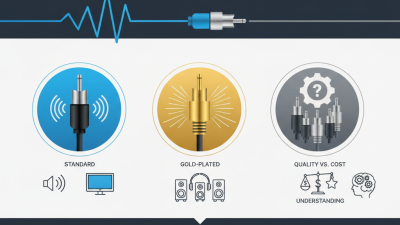
When it comes to audio connections, RCA ends stand out for several reasons. Their unique construction allows for secure connections, minimizing signal loss. Unlike some other types, the RCA design reduces interference. This leads to a more pure audio experience. Users often note that these connections retain sound quality better over distance.
Comparatively, other connection types may introduce issues. For instance, a standard 1/4 inch jack may not fit snugly, causing unwanted noise. Similarly, digital connections sometimes lack the warmth of analog signals provided by RCA ends. However, RCA connections do require attention. Over time, they can wear down or corrode. Regular inspections are necessary to ensure optimal performance.
In a world full of options, RCA ends offer a reliable choice for audio enthusiasts. Their straightforward design appeals to both amateurs and professionals alike. Yet, it’s important to acknowledge the potential for damage. Environments with excessive movement might impact RCA connections. Awareness of these factors is crucial for maintaining sound clarity. Understanding these nuances can greatly improve audio setups.
Audio Connection Quality Comparison