What is a Speaker Jack and How Does it Work?
Speaker jacks play a vital role in connecting audio devices. They enable sound transmission from devices like speakers and headphones. Understanding how speaker jacks work is essential for anyone who loves music or audio equipment.
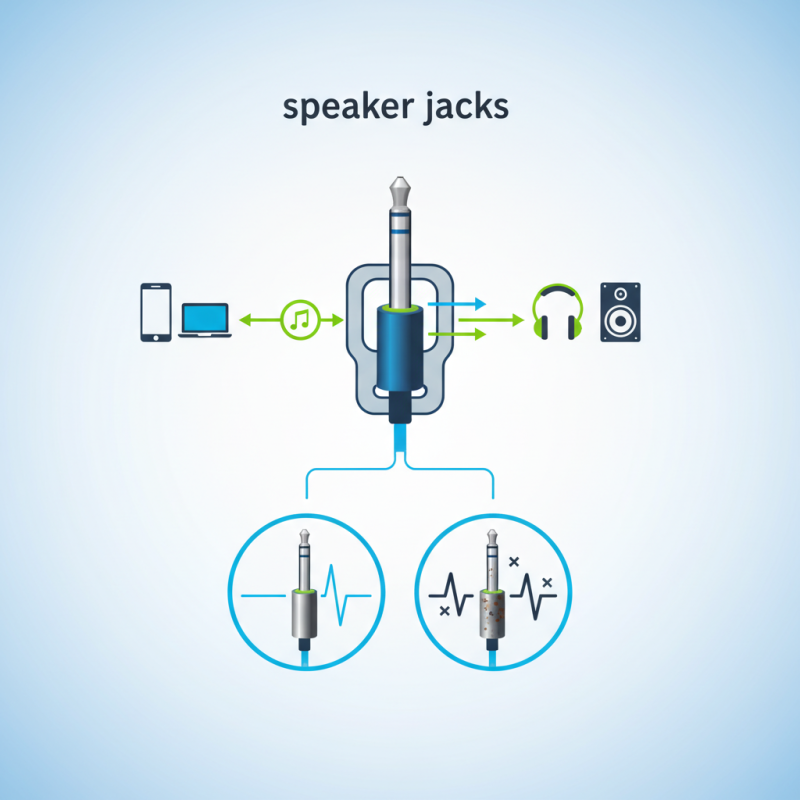
These jacks come in various sizes and types. The most common is the 3.5mm jack, often found on smartphones and laptops. Other sizes exist, but their functions remain similar. When a speaker jack is plugged in, it creates a smooth electrical connection. This connection facilitates the flow of sound signals, bringing music to life.
However, issues can arise with speaker jacks. Sometimes they wear out or accumulate dirt, leading to poor sound quality. Users may find the audio cuts in and out. Reflecting on these problems can help us appreciate the technology behind sound. Understanding speaker jacks can enhance our listening experience and even influence our equipment choices.
What is a Speaker Jack?
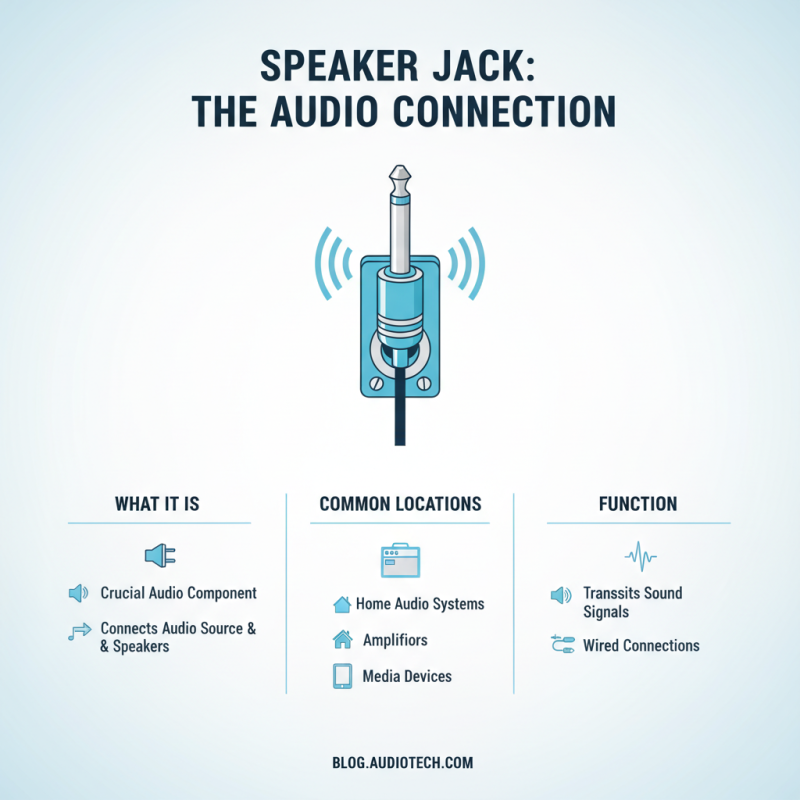
A speaker jack is a crucial component in audio devices. It serves as the connection point between an audio source and speakers. Typically, you will find speaker jacks in home audio systems, amplifiers, or media devices. These jacks allow the transmission of sound signals through wire connections.
The speaker jack works by transferring electrical audio signals. When you plug in a connector, it completes a circuit. This action sends signals from your audio source to the speakers. Essentially, the speaker jack converts electrical energy into sound energy. Most speaker jacks are designed to prevent interference and ensure clear audio output.
Tips: Always ensure that your connections are secure. Loose connections can cause distortion or interruption in sound. Be mindful of plugging and unplugging; rough handling can wear out the jack. It's essential to clean the jack regularly to avoid dust buildup, which can affect performance.
Improper use can lead to damage. For example, forcing a connector into the wrong jack can break the internal components. Understanding your device is key. Not all jacks are alike, and confusion can lead to frustrating audio experiences.
Types of Speaker Jacks and Their Applications
Speaker jacks come in several types, each designed for specific applications. The most common type is the 3.5mm jack. This is widely found in headphones and portable speakers. It’s compact and versatile, fitting into numerous devices. However, its small size can lead to durability concerns.
Another common type is the 1/4 inch jack. Musicians often use this for guitars and amplifiers. It provides a robust connection, which enhances sound quality. Still, it’s bulkier than the 3.5mm jack, making it less suitable for portable use.
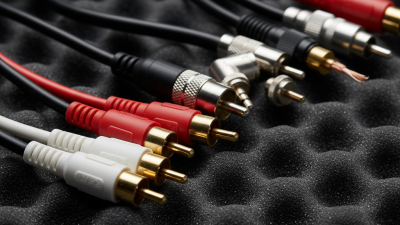
Some devices use RCA jacks, especially in home audio systems. These color-coded connectors make setup easier. Yet, they can be cumbersome and prone to wear over time. Not all users may recognize the differences in sound quality. It’s essential to choose the right jack based on your needs. Understanding the strengths and weaknesses of each type can improve your audio experience.
How Does a Speaker Jack Function?
A speaker jack is a crucial connection point for audio devices. It allows sound signals to travel from an audio source to speakers. The design usually features a metal tip, surrounded by insulator materials. The metal connects with the speaker’s terminal. This simple connection enables sound waves to be produced.
How does a speaker jack function? When you plug in a jack, electronic signals flow through copper wires inside. These signals represent sound waves. As the signal travels, it reaches the speaker’s cone. The cone then vibrates, creating sound. It’s a straightforward yet effective process. However, poor connections can lead to audio issues. Dust or wear can hinder performance.
Understanding these basics is essential for troubleshooting audio problems. Different jacks serve distinct purposes. They may seem similar but vary in quality and design. Testing connections can reveal unexpected issues. Regular maintenance might be needed to ensure optimal sound quality.
Speaker Jack Functionality
Common Issues and Troubleshooting for Speaker Jacks
Speaker jacks are susceptible to various issues that can affect their performance. Common problems include intermittent audio, no sound at all, and distortion. According to industry analyses, around 30% of users experience issues related to audio output from their speaker jacks. This statistic highlights the importance of troubleshooting these components effectively.
A frequent culprit behind sound issues is poor contact between the speaker jack and the plug. Dust and debris can accumulate, preventing a solid connection. Cleaning the jack with compressed air can often resolve this problem. However, keep in mind that physical damage can also be a factor. Research indicates that mechanical wear and tear can lead to crackling sounds or complete failure, particularly in older devices. It’s important to regularly inspect connections.
Another concern arises from wiring problems. A loose connection in the wiring can also result in sporadic audio performance. In some cases, internal components may fail, which requires professional attention. Data shows that around
15% of speaker jack issues stem from internal damage. Identifying these issues early can save time and money, but it’s crucial to remember that not all fixes are straightforward. Some problems may require advanced knowledge and tools to diagnose properly.
Future Trends in Speaker Jack Technology
The evolution of speaker jack technology is fascinating. As audio devices improve, so do the connectors we use. The traditional 3.5mm jack is becoming less common, especially in new smartphones. Today, wireless technology is soaring in popularity. Bluetooth speakers and headphones dominate the market.
However, wired connections still hold a strong appeal. Many audiophiles argue that they provide superior sound quality. The tactile feedback of a jack is satisfying. Yet, we see a trend towards miniaturization. Smaller connectors, like USB-C, are gaining traction. This shift raises questions about compatibility and user experience.
Future trends might lean heavily on smart technology. Imagine a speaker jack that adjusts audio output based on the environment. Or one that communicates with devices to optimize performance. These innovations will require reflection on design and functionality. Ensuring the user remains at the center of this evolution will be key.