What is a Speaker Plug and How Does it Work?
Speaker plugs play a vital role in audio setups. They provide the necessary connection between your speakers and audio equipment. Without them, your sound experience would be incomplete.
Understanding speaker plugs involves knowing their design and function. These components ensure efficient transmission of sound signals. A well-made plug allows for minimal signal loss and clear audio. However, not all speaker plugs are created equal. Some may not fit snugly, affecting performance and sound quality.
The variety of speaker plugs can be overwhelming. While some users prefer simplicity, others seek the best quality. Even the most experienced audiophiles must sometimes reconsider their choices. The right speaker plug can elevate sound in surprising ways. It's a small piece, but it holds significant potential for improving your audio experience.
What is a Speaker Plug? Definition and Overview
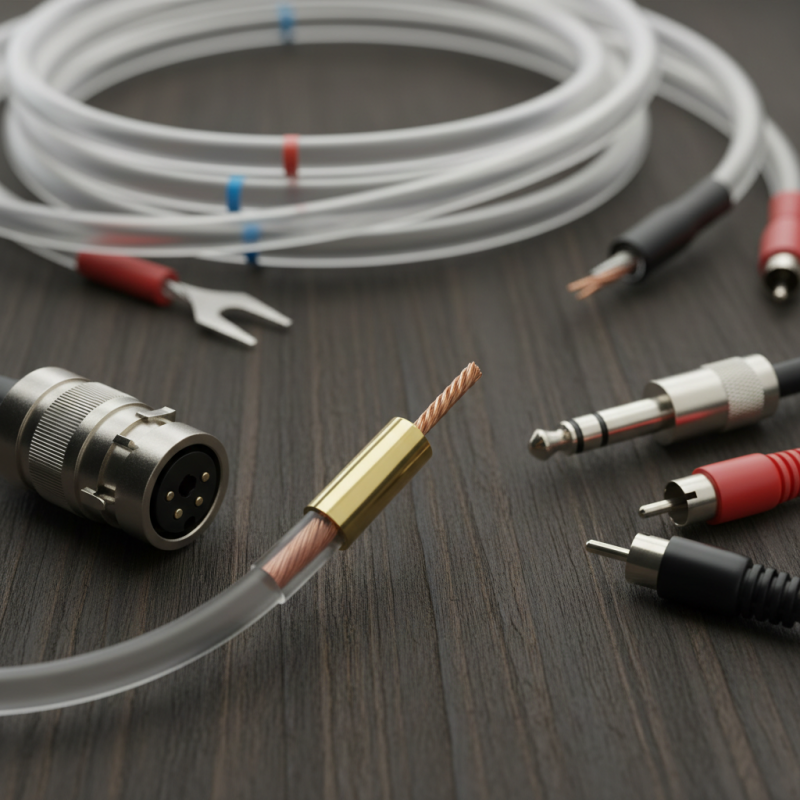
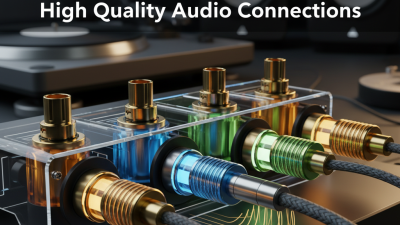
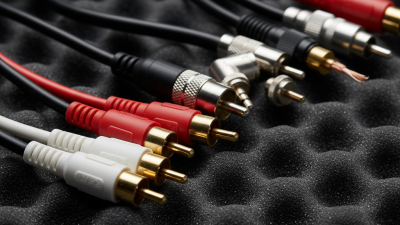
A speaker plug is a device that connects speakers to audio equipment. It typically features a cylindrical metal tip that fits into a corresponding jack. This simple design allows for easy connection and disconnection. You can find various types, including two-pin and three-pin configurations. Each type serves different audio needs and setups.
Speaker plugs use metal contacts to transmit audio signals. These signals travel through wires, allowing sound to emerge from speakers. The quality of these connections can impact sound clarity. If the plug is loose or dirty, it may cause distortion. Regular maintenance might be necessary to ensure optimal performance.
Understanding speaker plugs opens up a world of audio possibilities. However, not all plugs are created equal. Different speakers and receivers have varying requirements. It’s essential to choose the right type to avoid compatibility issues. Sometimes, users overlook this detail, leading to frustrating experiences. Recognizing these nuances helps enhance audio enjoyment.
Speaker Plug Usage Statistics
Types of Speaker Plugs: A Comparison of Common Formats
Speaker plugs are vital components in audio systems. They connect speakers to amplifiers, ensuring sound is transmitted efficiently. Various types exist, each with unique features and uses. Understanding these formats can help users make the right choice.
Banana plugs are popular for their ease of use. They provide a secure connection and are simple to plug and unplug. But, they might not be ideal for all setups. Some may find them bulky.
On the other hand, spade connectors are flat and allow solid connections. They can be tricky to install, though. Users must ensure a proper fit to avoid loosening over time.
Another common type is the bare wire connection. While it requires no additional connectors, it can be messy. Stripped wires can lead to shorts or audio issues. Twist-lock connectors offer reliability but may require special housing. Users must consider the practicality of each type for their specific needs. Choosing the wrong format can complicate even the simplest audio setups.
Key Components and Materials of Speaker Plugs in Audio Systems
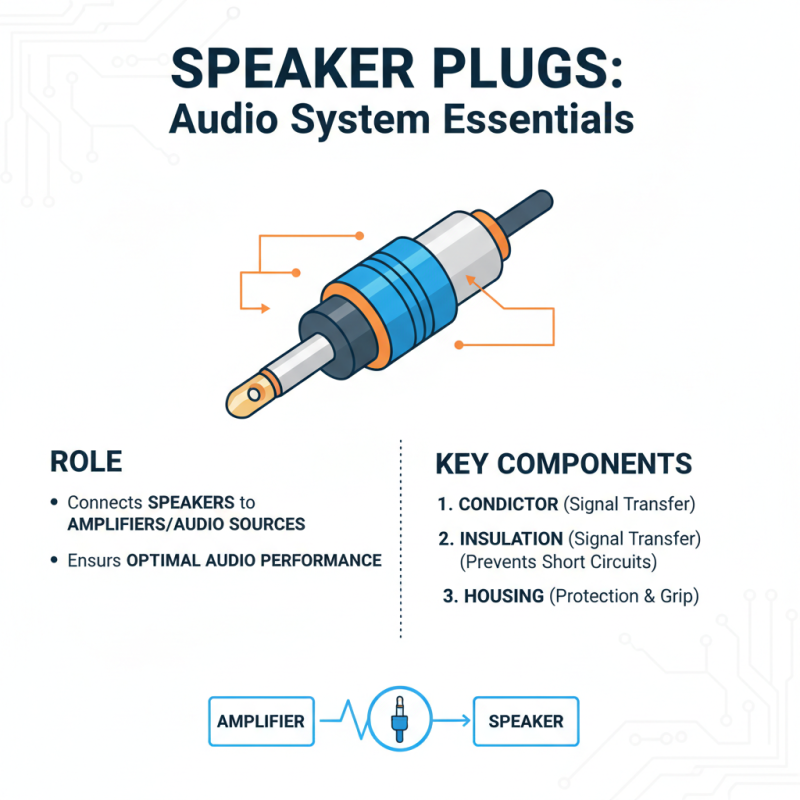
Speaker plugs play a vital role in audio systems. They connect speakers to amplifiers or audio sources. Understanding their key components is essential for optimal audio performance.
Commonly, speaker plugs are made from materials like copper, brass, or gold-plated connectors. These metals ensure reliable conductivity, minimizing signal loss. A high-quality connection is crucial. Poor connections can lead to diminished sound quality.
Tips: Always inspect your speaker plugs for wear. Replace them if frayed or damaged. Regular maintenance helps maintain audio clarity. Also, consider using twisted pairs of wires for speaker connections. This can reduce interference.
Improper installation can lead to issues. Balanced connections are necessary for good audio. Leaving wires exposed or loosely connected might cause noise. Ensure a snug fit on all connections. Small details matter. Proper materials and careful assembly optimize audio experiences.
How Speaker Plugs Connect and Conduct Electricity Effectively
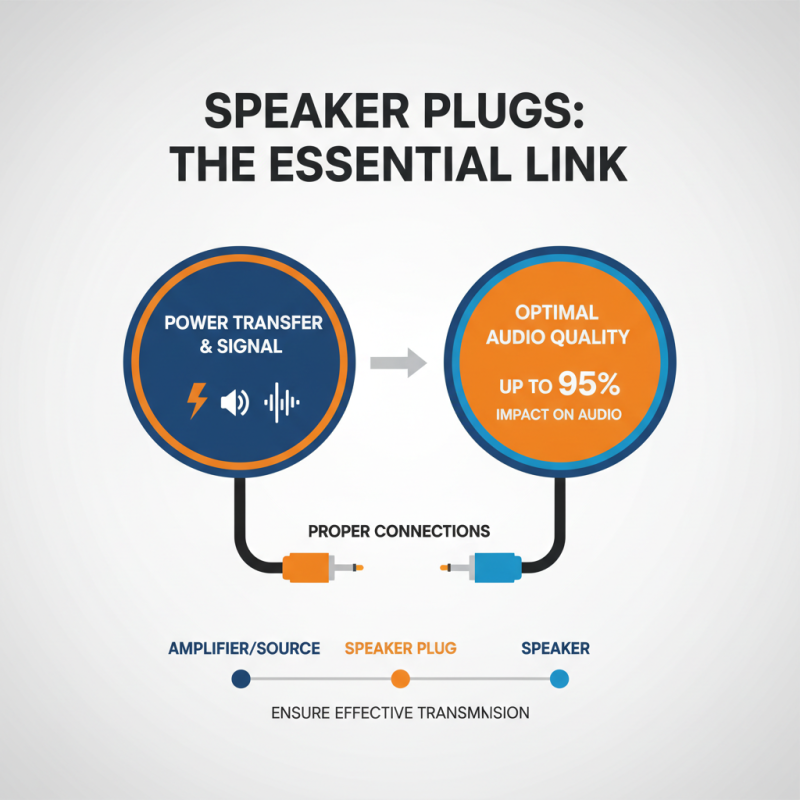
Speaker plugs are essential components in audio systems. They connect speakers to amplifiers or audio sources. These plugs ensure effective power transfer and signal transmission. In fact, up to 95% of audio quality can be attributed to proper connections, according to industry studies.
When a speaker plug connects, it must create a solid electrical contact. This allows for minimal resistance and optimal signal flow. The best speaker plugs often have gold-plated contacts. Gold prevents corrosion and maintains conductivity over time. But not all plugs provide this level of performance. Many budget options might suffer from increased resistance, impacting sound quality.
Additionally, the design of the plug matters. A secure fit is crucial to prevent disconnections. Loose connections can introduce static or distortions. A report from the Audio Engineering Society highlights that poor connections can lead to a 20% loss in audio fidelity. These points illustrate the importance of selecting the right speaker plugs and maintaining them for the best sound experience.
Industry Standards and Specifications for Speaker Plug Performance
Speaker plugs are crucial components in audio systems. They connect speakers to amplifiers, ensuring sound travels efficiently. The design and quality of these plugs affect audio performance. Various industry standards dictate how these plugs should perform.
One key standard relates to conductivity. Good speaker plugs use materials that guarantee low resistance. This impacts sound clarity and overall performance. Plugs also come in different sizes and configurations to fit various systems. Some users overlook these specifications. Choosing the right plug can transform audio experiences.
Additionally, durability is a concern. Plugs should withstand wear and tear. Poor quality plugs can lead to connection issues. These problems are easily avoidable with good choices. Yet, many still opt for cheaper options, risking sound quality. Proper installation matters too. Misalignments can cause interference. Taking time to understand these elements can lead to better outcomes.