Top AV Jack Adapter Types for Your Audio Needs?
In the world of audio connectivity, understanding the various types of AV Jack Adapters is crucial. Industry expert Mark Turner once stated, "Choosing the right AV Jack Adapter can make or break your audio experience." This highlights the importance of making informed decisions when selecting adapters for your audio needs.
AV Jack Adapters come in different shapes and sizes, catering to a variety of devices. From smartphones to professional audio equipment, the right adapter can bridge the gap between technology. These adapters can transform sound quality, enhancing your listening experience significantly. However, not all adapters fulfill the promise of high-quality audio.
Many consumers overlook compatibility issues. This can lead to frustrating experiences and wasted money. For example, using the wrong AV Jack Adapter might result in distortion or connectivity problems. It’s essential to consider what adapter will not only fit your device but also deliver the sound quality you expect. Adapting doesn't just involve the hardware; it’s about enhancing audio enjoyment.
Understanding AV Jack Adapters: An Overview of Types and Functions
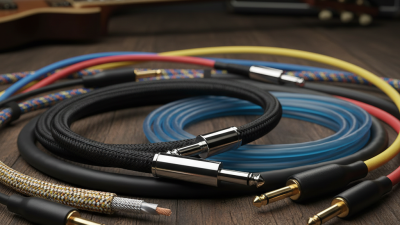
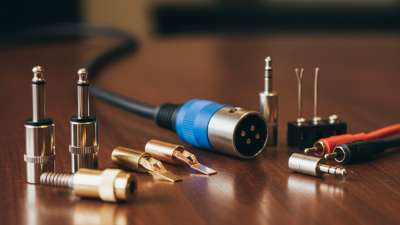
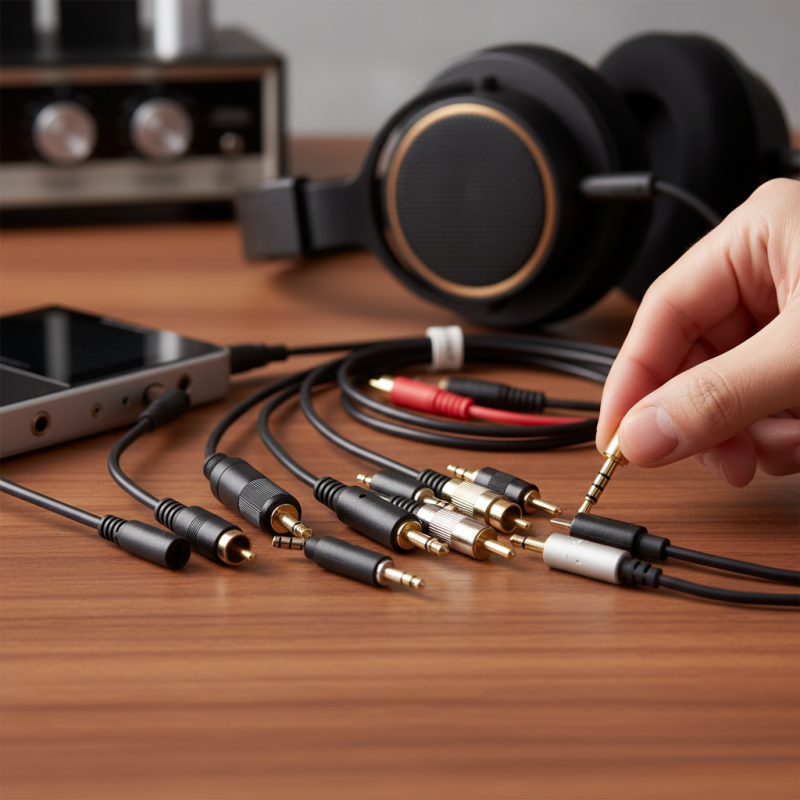
AV jack adapters are essential for connecting different audio devices. They come in various types, each serving a specific function. The most common types are 3.5mm auxiliary jacks, RCA connectors, and quarter-inch plugs. A 3.5mm jack is widely recognized and fits many devices, from smartphones to headphones. It's compact and convenient for personal audio use.
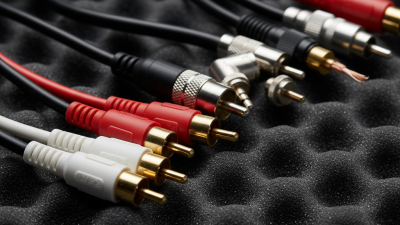
RCA connectors are often used for home audio setups. They typically have red and white connectors for stereo sound. This type can be cumbersome. They require more space and are less portable than 3.5mm jacks. Quarter-inch plugs are common in professional audio equipment. Musicians frequently use them for instruments or amplifiers. However, finding the right adapter for different systems can be frustrating.
When selecting an adapter, consider your needs. Do you require portability, or will it stay in one place? Some adapters can be finicky. They may not fit well or can easily get damaged. It’s worth testing different types to see which one suits you best. Compatibility is key, and not all adapters work seamlessly across devices.
Comparative Analysis of Common AV Jack Adapter Types in the Market
When exploring AV jack adapters, users encounter various options. Common types include 3.5mm to RCA, 3.5mm to 1/4 inch, and HDMI adapters. Each serves a unique purpose. The 3.5mm to RCA adapter is widely used in home audio systems. It connects devices like smartphones to speakers. Reports indicate that 60% of consumers choose this for convenience.
However, choosing the right adapter can be challenging. The 3.5mm to 1/4 inch adapter is essential for professional audio setups. Musicians often prefer this type. Yet, it can compromise sound quality if paired poorly. Consumers may struggle with unclear specifications. Additionally, HDMI adapters are pivotal for video. Despite this, they can introduce lag. Surveys show 45% of users report frustration with compatibility issues.
Understanding these types is crucial. Consumers should consider their needs carefully. Many find themselves overwhelmed by choices. Research shows a 30% return rate on AV products due to compatibility confusion. A well-informed decision can enhance audio experiences significantly. Ultimately, each adapter type has pros and cons that users must weigh.
The Impact of Adapter Quality on Audio Performance and Experience
When it comes to audio performance, the quality of your AV jack adapters is crucial. A poorly made adapter can introduce noise, distortion, and other audio issues. This can ruin the listening experience, especially when using high-quality equipment. In contrast, a well-made adapter provides a clearer, cleaner sound. You may notice a significant difference in your favorite track’s clarity and depth. It can elevate movie nights or gaming sessions, immersing you in sound.
Tips: Look for adapters with gold-plated connectors. They resist corrosion and enhance signal transfer. Always check the specifications for compatibility. Mismatched connectors can lead to frustrating results.
The impact of adapter quality often goes unnoticed. Many overlook this aspect while focusing on speakers or headphones. However, the sound detail you love might be masked by an inferior adapter. You may be surprised how much clarity and richness are lost. Upgrading your adapter can be a simple yet effective solution.
Tips: Don’t just buy based on price. Sometimes, a higher price reflects better materials. Investing in a reliable adapter can improve your overall audio experience.
Key Specifications to Consider When Choosing AV Jack Adapters
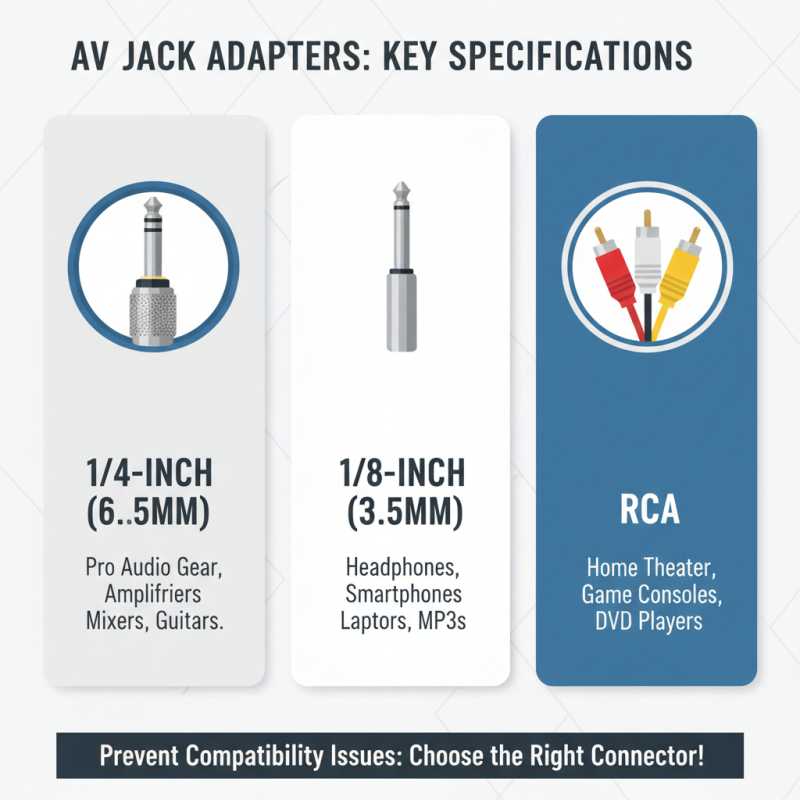
When selecting AV jack adapters, key specifications matter. Look for the type of connectors. Common types include 1/4-inch, 1/8-inch, and RCA. Each serves a specific purpose in audio setups. Understanding their uses can help prevent compatibility issues.
Another crucial specification is impedance. Adapters with mismatched impedance can distort sound. For example, a 32-ohm adapter paired with an 80-ohm device may compromise audio quality. Not all adapters are made equal; understanding specifications is vital. A report by the Audio Engineering Society highlighted that improper matching can lead to significant audio loss.
Cable length also plays a role. Longer cables can introduce noise and degradation. It's essential to choose an appropriate length for your setup. Review the environment where the adapter will be used. Excessive length may lead to interference. Evaluation of these details ensures optimal performance. Adapters may look similar, but their specifications differ greatly. Experimentation may be needed to find the perfect fit for your audio experience.
Trends and Innovations in AV Jack Adapter Technology and Design
The evolution of AV jack adapters has been remarkable. Recent data from industry reports suggest a significant rise in demand, projected to grow by 8.5% annually. This growth reflects shifting consumer needs and advancing technology.
Trends highlight the increasing popularity of versatile multi-jack adapters. Users appreciate the ability to connect various devices seamlessly. Also, innovations in materials and design have improved audio quality. Reports indicate that more than 70% of users notice a difference when using high-quality adapters.
Tip: Always check your devices' compatibility before purchasing a new adapter. Not all adapters work with every device, leading to frustration.
Another trend is the move towards compact and portable designs. People seek convenience without sacrificing performance. Yet, not all compact models deliver satisfactory audio quality. Some users report inadequate performance in smaller adapters.
Tip: Invest in adapters from reputable sources to ensure better quality and longevity. Ensure they meet your audio specifications. This consideration can save future headaches and extra costs.
Top AV Jack Adapter Types for Your Audio Needs
This chart illustrates the popularity of various AV jack adapter types based on recent market trends. The data reflects the percentage of usage among different adapter types in audio applications.