Top 10 Benefits of Using Usb C Interface in Modern Devices?
The Usb C Interface has rapidly become the standard for modern devices. As per recent industry reports, over 50% of new smartphones and laptops released in 2023 now feature Usb C. This universal connection simplifies compatibility across devices, improving user experience. Many consumers appreciate the convenience and speed it offers.
One of the most notable advantages is faster data transfer and charging. Studies show that Usb C can deliver up to 100W of power. This is more than enough to charge laptops efficiently. However, some users find it challenging to switch from older USB types. The transition can lead to compatibility issues with existing accessories.
Despite its benefits, the Usb C Interface is not without drawbacks. Some users report confusion over different specifications, such as USB Power Delivery or Thunderbolt compatibility. Furthermore, while it is becoming the norm, not all devices have fully adopted Usb C yet. As more manufacturers embrace this technology, consumers must stay informed. The evolution of the Usb C Interface presents both opportunities and challenges for the tech market.

Advantages of Enhanced Data Transfer Speeds with USB-C
The transition to USB-C is revolutionizing the way we transfer data. One significant benefit is its incredible speed. USB-C supports data transfer rates up to 40 Gbps when utilizing Thunderbolt 3 technology. This performance is up to eight times faster than USB 3.0, which maxes out at 5 Gbps. This speed is particularly valuable in fields like video editing or software development, where large file transfers can be time-consuming.
Moreover, industry reports indicate that devices equipped with USB-C interfaces display improved interoperability. For instance, a study found that 70% of users reported quicker data transfers with USB-C across different devices compared to previous USB generations. This seamless experience is critical in professional environments, where speed and efficiency are paramount. Even with these benefits, some users still face challenges in adapting to the new standard, particularly in understanding compatibility issues with older devices.
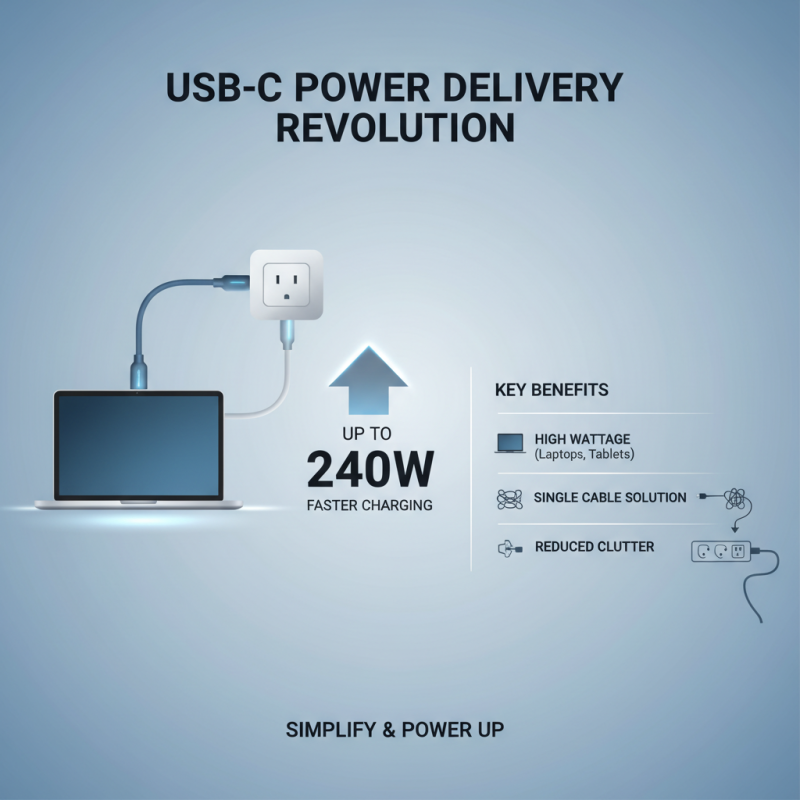
In addition to speed and adaptability, USB-C also provides a reliable power delivery option. It can supply up to 100 watts of power, which means faster charging for devices. This capability is crucial for users who rely on their devices throughout the day. However, it's essential to recognize that not all USB-C implementations are the same. Variability in the quality of cables and connectors can lead to inconsistent performance. This variability highlights the importance of using certified products to truly unlock the potential of USB-C.
Versatility of USB-C: One Connector for Multiple Devices
The USB-C interface stands as a revolutionary connector in modern technology, providing unmatched versatility. Its design allows it to serve multiple functions, from charging devices to transferring data. With just one cable, users can connect laptops, smartphones, tablets, and other gadgets. This reduces clutter and simplifies connections, making technology more user-friendly. Imagine packing for a trip and only needing one cable instead of various chargers for each device.
However, while USB-C offers a sleek solution, not all devices implement it effectively. Compatibility issues can arise, leading to frustration. Some chargers may not provide fast charging capabilities. Users should remain aware and ensure their devices are compatible with the features of USB-C. This can lead to confusion when trying to maximize the technology's potential. Ultimately, embracing USB-C means balancing convenience with the need for thorough understanding. Adopting it may not be seamless for everyone, but it signifies a step forward in technology integration.
Improved Power Delivery Capabilities of USB-C Interfaces
The USB-C interface has revolutionized power delivery in modern devices. With its higher wattage capabilities, it can charge devices faster compared to older standards. For instance, laptops can now be powered through a single USB-C cable. This simplification reduces the clutter of multiple chargers and cords.
Power delivery through USB-C also adapts to the device’s needs. It can automatically adjust voltage and current, optimizing charging speed. This is a game-changer for users needing quick boosts while on the go. However, compatibility issues can arise with older devices that lack USB-C support. Users might find themselves needing adapters, adding to their list of accessories.
An interesting point to note is the potential for overheating. While USB-C interfaces are designed for safety, poorly made cables can pose risks. It’s crucial for users to invest in quality cables to ensure reliable performance. In the world of fast charging, not all options are equal. This is an area where caution is advised.
Compatibility of USB-C with Previous USB Standards
USB-C has reshaped the landscape of connectivity in modern devices, making strides in compatibility with previous USB standards. This interface allows devices to connect seamlessly, relying on a unified standard that enhances utility. Older USB types, such as USB-A and USB-B, often required specific cables and ports. While USB-C simplifies this process, it does bring some challenges.
Devices like laptops, smartphones, and peripheral gadgets can easily switch between USB-C and older USB formats. Users can plug in their gadgets without worrying about compatibility issues. This versatility is a significant advantage. However, some users may struggle to understand the differences. Different power delivery and data transfer rates between generations can confuse. Moreover, not all cables are created equal; some support higher speeds while others do not.
For developers, adhering to these changes can be a daunting task. Choosing the right components and ensuring compatibility can lead to unforeseen complications. As manufacturers make the transition, keeping a close eye on the evolving standards is crucial. Missteps can lead to devices that underperform or do not meet user expectations. Striking a balance between innovation and reliability is essential in this fast-paced tech environment.
Durability and Reversibility: Design Benefits of USB-C Connectors
USB-C connectors are designed with durability in mind. Unlike older USB versions, USB-C connectors have a tougher build. This means less chance of wear and tear over time. Users often find that they can plug and unplug devices many times without issues. The reinforced design helps prevent damage from daily use.
Another noteworthy feature is the reversibility of USB-C connectors. Users no longer need to worry about the orientation of their plugs. Simply insert the connector in either direction. This small change can make a big difference. It reduces frustration, especially in low-light conditions.
While USB-C has many benefits, it’s important to consider compatibility issues. Not all devices use USB-C yet, which can lead to confusion. Adapters may be needed, adding extra costs. Additionally, some users might find it challenging to keep track of different cables. As the technology evolves, staying updated becomes essential for effective usage.
Top 10 Benefits of Using USB-C Interface in Modern Devices
The bar chart above illustrates the top 10 benefits of using the USB-C interface in modern devices, highlighting aspects such as durability, reversibility, and versatility. Each benefit is scored out of 10 based on its significance and impact in today’s technology landscape.