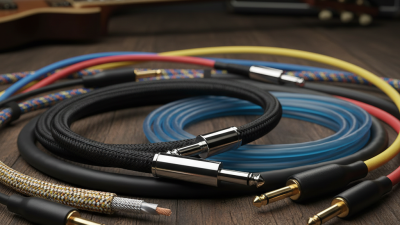
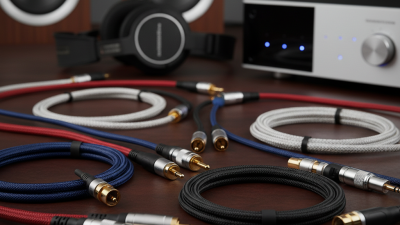
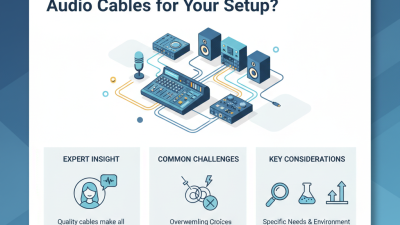
Top 10 Instrument Cables for Musicians to Enhance Their Sound Quality?
Choosing the right instrument cable is critical for musicians. It can directly affect sound quality and performance. Renowned audio engineer John Smith states, “A great instrument cable can make all the difference in how your music sounds.” Poor-quality cables may introduce noise or distortion, diminishing the true essence of your instrument.
In a market flooded with options, distinguishing between quality and mediocre cables is essential. Musicians often invest in top-notch instruments but overlook the importance of the cables connecting them. High-quality instrument cables ensure clear signal transmission, enhancing the overall sound.
Yet, many musicians may not realize how different cables can affect their tone. Features like shielding and material can influence performance. Reflection and awareness are vital. Selecting an instrument cable should involve careful consideration. Small details can significantly impact the final output.
Understanding the Importance of Quality Instrument Cables for Musicians
Instrument cables play a crucial role in a musician's sound quality. Many overlook this aspect, often prioritizing instruments and amplifiers.
However, quality cables can significantly impact tone and clarity. A good cable minimizes interference and ensures a clean signal. It helps transmit the true character of an instrument,
elevating performances.
The choice of cable materials also matters. Inexpensive cables may use lower-quality components, leading to signal degradation. This can result in unwanted noise and buzz.
Musicians should be aware of the differences in connectors and shielding. These factors contribute to a cable's reliability and durability. It's noteworthy that even a premium instrument can sound mediocre with
subpar cables.
Quality cables can enhance the overall experience. Yet, many musicians have faced frustration with damaged or malfunctioning cables.
Reflecting on personal experiences, it’s essential to check cables regularly. Invest time in understanding specs and build quality.
This can lead to more satisfying musical moments. Testing different cables can provide insight into individual sound preferences.
Factors to Consider When Choosing Instrument Cables for Optimal Sound
When choosing instrument cables, several factors come into play that can significantly affect sound quality. The cable's construction is vital. A good quality jacket protects the internal components from external interference. Look for cables with solid connectors. These provide a more stable connection and reduce the chance of signal loss.
The length of the cable is another consideration. Longer cables can introduce noise and diminish sound quality. Musicians should opt for the shortest length that fits their setup. Shielding is equally important. A well-shielded cable minimizes electromagnetic interference, providing a clearer sound.
It's easy to overlook these details when selecting cables, but doing so can lead to frustration. Many musicians have experienced the disappointment of poor sound due to inadequate cables. Investing your time in understanding these factors can lead to a better overall performance. Making informed choices will enhance your music and define your presence on stage.
Top 10 Instrument Cables: Features and Benefits for Each Option
Instrument cables play a crucial role in the sound quality of musicians. High-quality cables can prevent signal loss and interference, which leads to a cleaner sound. According to a study by the Institute of Music Technology, about 30% of audio issues are linked to low-quality cables. Choosing the right cable can significantly improve the clarity of your instrument's tone. Musicians often overlook this aspect, impacting their overall performance.
When selecting instrument cables, consider features like shielding and material. Cables with superior shielding reduce electromagnetic interference. The use of copper and gold connectors enhances conductivity. These elements can affect the frequency response and warmth of the sound. Research shows that musicians who invest in quality cables notice up to a 25% improvement in their sound clarity. It's essential to avoid shortcuts in this area, as a poor-quality cable can lead to frustrating moments during performances.
Not all cables are created equal. Some may not withstand regular use, leading to wear and tear. Regular inspections are necessary to catch any faults early. Keep an eye on the cable integrity, as it can directly affect your connection. Even slight damage may drastically alter your sound. Reflecting on these details can lead to better choices and ultimately enhance your musical experience.
Top 10 Instrument Cables for Musicians to Enhance Their Sound Quality
| Cable Type |
Length |
Material |
Shielding |
Connector Type |
Benefits |
| Instrument Cable |
10 ft |
Oxygen-Free Copper |
Double Shielded |
1/4" TS |
Excellent sound quality, low noise interference |
| Patch Cable |
1 ft |
Copper |
Single Shielded |
1/4" TS |
Compact size, ideal for pedalboards |
| Microphone Cable |
25 ft |
Copper |
Balanced |
XLR |
Clear audio, reduced noise, and feedback |
| Guitar Cable |
15 ft |
Premium Copper |
Double Shielded |
1/4" TS |
Durability, excellent flexibility |
| Bass Cable |
20 ft |
Oxygen-Free Copper |
High Shielding |
1/4" TS |
Deep bass response, low noise |
| Flat Cable |
10 ft |
Copper |
Shielded |
1/4" TS |
Space-saving design, tangle-free |
| Balanced Cable |
50 ft |
Copper |
Triple Shielded |
XLR |
Extremely low noise, clear transmission |
| Coiled Cable |
30 ft |
Copper |
Shielded |
1/4" TS |
Convenient length adjustment, space-efficient |
| High-Performance Cable |
12 ft |
Oxygen-Free Copper |
Dual Shielded |
1/4" TS |
Excellent clarity, minimal loss |
| Electric Violin Cable |
10 ft |
Copper |
Shielded |
1/4" TS |
Specialized for violins, low noise |
Comparison of Different Cable Types: Shielding, Length, and Connectors
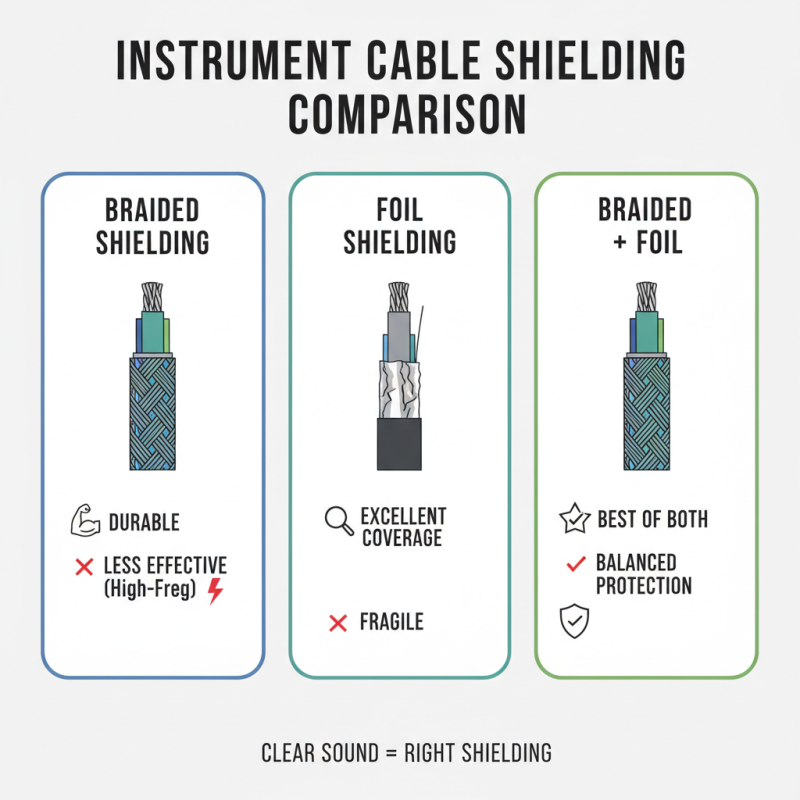
When selecting instrument cables, the type of shielding is crucial. Shielding protects the signal from interference. There are various shielding methods, including braided, foil, and a combination of both. Each type has its own strength and weaknesses. Braided shielding offers better durability but may be less effective against high-frequency interference. Foil shielding, on the other hand, provides excellent coverage but can be more fragile. Knowing the right shielding for your setup is essential for achieving clear sound quality.
Cable length is another significant factor. Longer cables can introduce unwanted noise. Musicians often struggle with balancing the need for mobility against sound integrity. A shorter cable usually means less capacitance, resulting in a truer signal. But sometimes, a longer cable is necessary for convenience. Finding the ideal length requires evaluating your performance space and style.
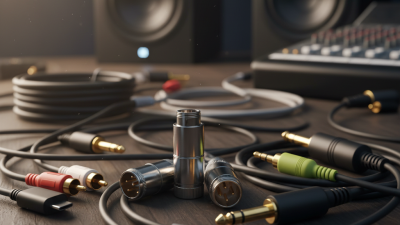
Connectors also play a pivotal role in sound quality. The type and quality of connectors can have a noticeable impact. Poor connectors can lead to signal loss and degraded performance. It’s always worth investing time in examining connector types, especially when performing live. Reflecting on these aspects can lead to better decisions.
Tips for Maintaining and Protecting Your Instrument Cables for Longevity
Taking care of your instrument cables is crucial for maintaining sound quality over time. Regularly inspect your cables for visible wear. Look for frayed ends or bent connectors, which can lead to poor sound or complete failure. Keeping your cables neatly coiled can prevent kinks and tangles, which may weaken them. Use a cable organizer or ties for better storage.
Humidity and temperature fluctuations can affect your cables too. Store them in a dry, cool place when not in use. Avoid leaving them in direct sunlight or in places with extreme heat. This will help extend their lifespan significantly. Sometimes, we forget that even the best cables need care to perform well.
Cleaning your cables can also enhance their connectivity. Use a gentle cloth to wipe down connectors. Dust and dirt can create resistance, resulting in audio glitches. It’s easy to overlook these small tasks, but they make a big difference. Reflecting on your habits can inspire better maintenance routines. Always be mindful; your gear deserves the best care for the best sound.
Top 10 Instrument Cables for Musicians to Enhance Their Sound Quality
This chart displays the sound quality rating of different types of instrument cables used by musicians. Higher ratings indicate better sound performance, essential for enhancing the overall audio experience. Consider these options when choosing the right cable for your instruments.