Top 10 Speaker Plugs Buyers Need to Know in 2026?
As technology continues to evolve, the demand for quality audio equipment is rising. Speaker plugs play a crucial role in this landscape. In 2026, making the right choice can greatly influence sound quality and convenience. Potential buyers must understand the features and options available before making a purchase.
The speaker plug market is expanding, offering a mix of traditional and innovative designs. Choosing the right type enhances audio performance. There’s a wide range of brands, each claiming superiority, making decision-making challenging. Prospective buyers may feel overwhelmed by various specifications and styles. It's essential to cut through the noise and focus on what truly matters.
Investing in high-quality speaker plugs means considering compatibility and durability. Many may overlook these factors, leading to dissatisfaction. Reflecting on choices made in past purchases can help guide future decisions. Remember, quality impacts experience. Prioritize informed choices to elevate your audio experience in 2026.
The Evolution of Speaker Plugs: Industry Trends Leading to 2026
The landscape of speaker plugs is rapidly evolving. As the audio industry progresses, the demand for versatile and high-quality connections is escalating. Reports indicate that by 2026, the global market for speaker plugs will experience significant growth, projected to reach over $1.5 billion. This surge is driven by advancements in sound technology and consumer demands for enhanced audio experiences.
Consumer preferences are shifting towards more durable and flexible options. Traditional plugs are being replaced by connectors that support higher bandwidth and improved durability. Industry professionals anticipate that HDMI and USB-C connectors will dominate speaker plug trends in the coming years. Increased adoption of wireless technology also plays a crucial role, making connectivity easier than ever.
Tip: When choosing speaker plugs, prioritize compatibility with existing devices. Ensure that your choice can handle the bandwidth of newer audio standards.
Another trend involves sustainability. More manufacturers are focusing on eco-friendly materials. This shift not only addresses environmental concerns but also enhances performance reliability. However, this brings challenges. Some consumers may overlook quality for sustainability. Balancing these factors is essential for making informed purchases.
Tip: Research the materials used in plugs. Understanding their impact on sound quality and longevity can guide your decisions effectively.
Key Specifications Buyers Should Consider for Speaker Plugs
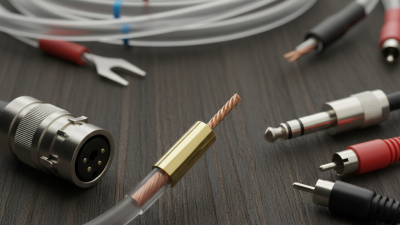
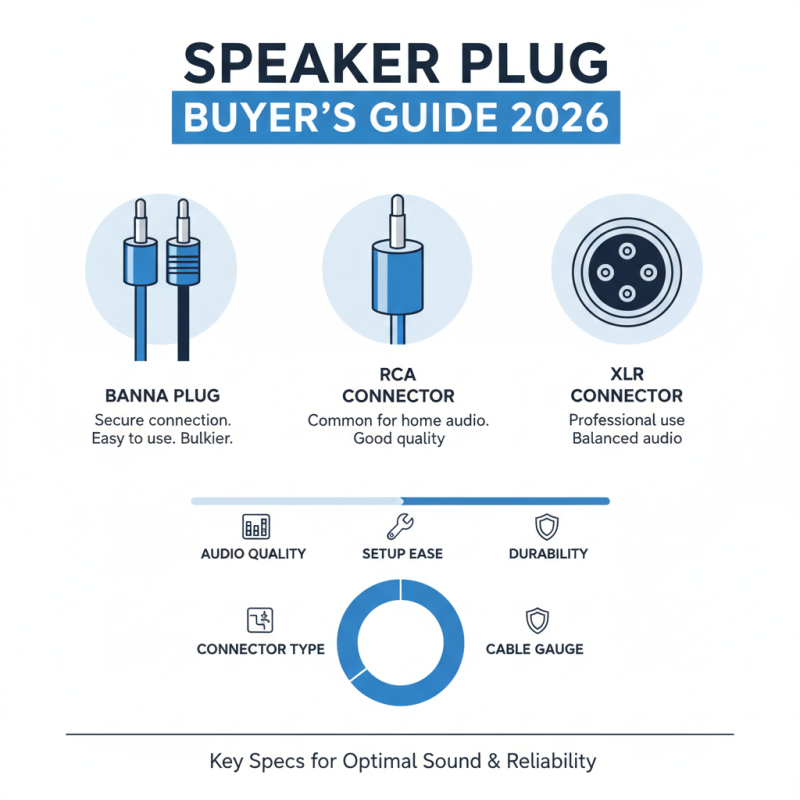
When choosing speaker plugs in 2026, buyers should consider critical specifications carefully. The connector type plays a vital role. Common types include banana plugs, RCA connectors, and XLR connectors. Each type has its own advantages, affecting audio quality and setup convenience. For example, banana plugs provide a secure connection but can be bulkier than others.
Wire gauge is another essential factor. Thicker gauges, like 12 or 14 AWG, minimize resistance and ensure better sound quality. It's crucial to balance gauge thickness with flexibility, especially in tight spaces. Some may opt for ultrasonic soldering, which offers reliability but demands expertise.
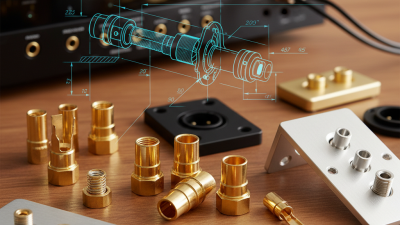
Moreover, users often overlook the materials used in plugs. Quality materials enhance durability and performance. For instance, gold plating prevents corrosion but may not be necessary for all scenarios. Price can reflect quality, but not always; buyers should scrutinize products for real value. While aesthetics matter, they shouldn’t overshadow functionality. Frequent user feedback highlighted dissatisfaction with poor fit in speaker sockets. Choosing the right plug means weighing all these aspects to avoid a frustrating experience.
Impact of Emerging Technologies on Speaker Plug Design and Performance
Emerging technologies are transforming speaker plug design and performance. With advancements in audio processing, the demand for high-definition sound is increasing. New materials and manufacturing techniques improve durability and connectivity. Enhanced plug designs can minimize signal loss and interference. This leads to richer audio experiences. However, these innovations come with challenges.
One concern is compatibility. Not all devices can support new plugs. Users may find themselves facing a frustrating learning curve. Additionally, sustainability is a growing issue. Many new materials may not be environmentally friendly. It's essential to balance performance with eco-consciousness. Manufacturers face the task of innovating while considering the planet.
The rise of smart technology influences design, too. Smart plugs can integrate with various devices, offering seamless audio experiences. Yet, reliability becomes a key factor. If a plug fails during use, it can ruin the experience. Continuous testing and user feedback are crucial for improvement. In the end, while technology drives progress, careful consideration of these complexities is needed.
Market Analysis: Growth Projections for Speaker Plug Sales by 2026
As the speaker plug market evolves, growth projections indicate a significant increase in sales by 2026.
Factors contributing to this growth include the rising demand for high-quality audio equipment and the surge in home entertainment systems.
These trends suggest that consumers are investing more in superior sound technology, creating opportunities for both manufacturers and retailers alike.
Tips for Buyers: When selecting speaker plugs, consider their compatibility with various equipment.
Investigate the materials used, as these can affect sound quality. Look for options that ensure durability and reliability over time.
In addition, pay attention to market trends. Emerging technologies are shaping consumer preferences.
This shift may lead to innovative plug designs that enhance audio experiences.
Evaluating these trends can inform smarter purchasing decisions. Keeping an eye on industry reports can offer insights into what will be popular in the coming years.
Consumer Preferences: What Buyers Look for in Speaker Plug Quality
When purchasing speaker plugs, understanding consumer preferences is crucial. Buyers increasingly prioritize sound quality, durability, and ease of use. A recent industry report indicates that 75% of consumers rank sound fidelity as the most vital attribute. This reflects a growing expectation for high-performance audio in compact designs.
In addition, consumers are looking for materials that resist wear and tear. Quality speaker plugs typically utilize robust designs that can withstand daily use. According to the Audio Engineering Society, durable materials like gold-plated connectors improve signal transmission. This means reduced audio interference during playback.
Tips:
- Always check for user reviews before making a purchase.
- Look for products that provide a warranty.
- Ensure the plugs you consider are compatible with your devices.
- It's essential to see detailed specifications to avoid compatibility issues.
Remember, not all plugs are created equal. Quality may vary significantly, so do your research!