Top Speaker Plugs for Enhanced Audio Experience in Your Setup?
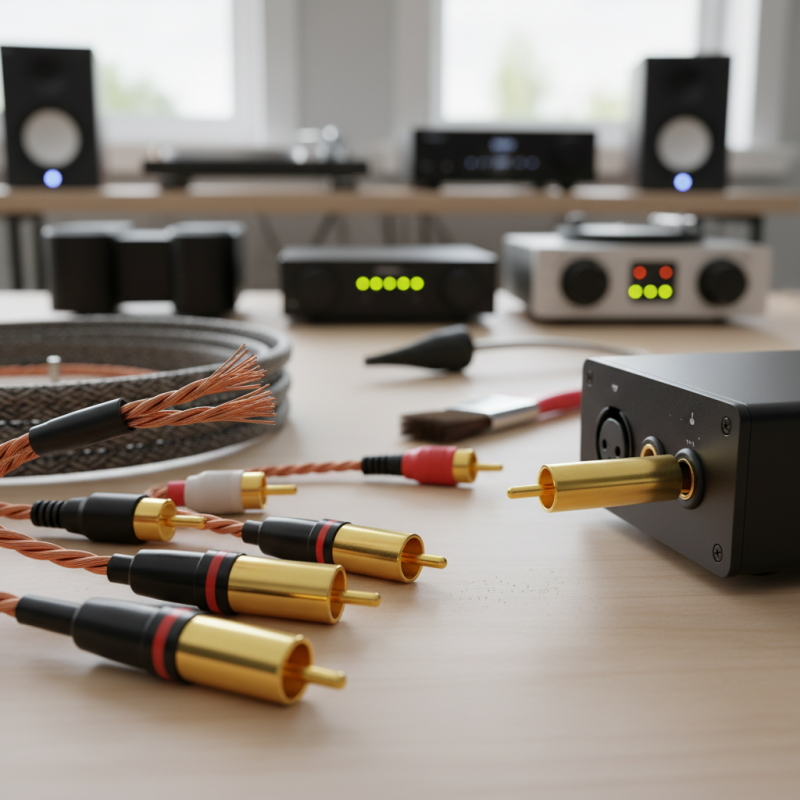
In today's audio landscape, achieving high-quality sound is paramount. Speaker plugs play a crucial role in this quest for an enhanced audio experience. These seemingly small components can profoundly impact sound clarity and overall performance. Choosing the right speaker plugs can elevate your listening experience to new heights.
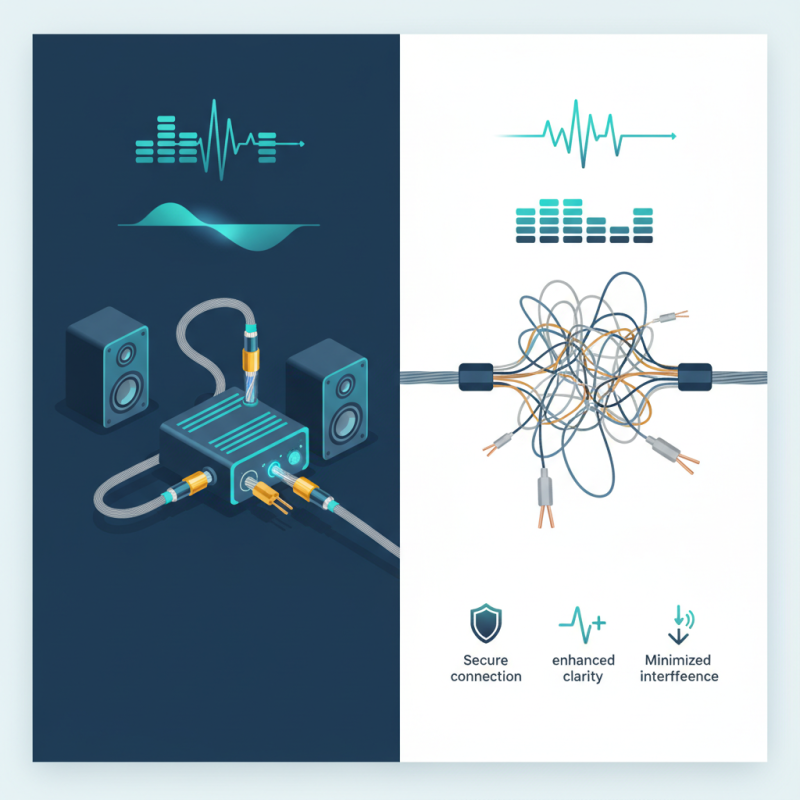
High-quality speaker plugs ensure a secure connection between your audio devices and speakers. They minimize interference, resulting in clearer highs and deeper lows. However, not all speaker plugs are created equal. Some may look appealing but fail in performance. Thus, careful consideration is needed when selecting the right plugs for your setup.
As we explore the world of audio equipment, it's essential to reflect on our choices. Are we prioritizing aesthetics over functionality? Perhaps our current setup lacks the necessary speaker plugs for optimal sound. Often, the smallest details can lead to significant improvements. Investing time in understanding speaker plugs may be the key to unlocking an immersive audio experience.
Types of Speaker Plugs and Their Compatibility with Audio Devices
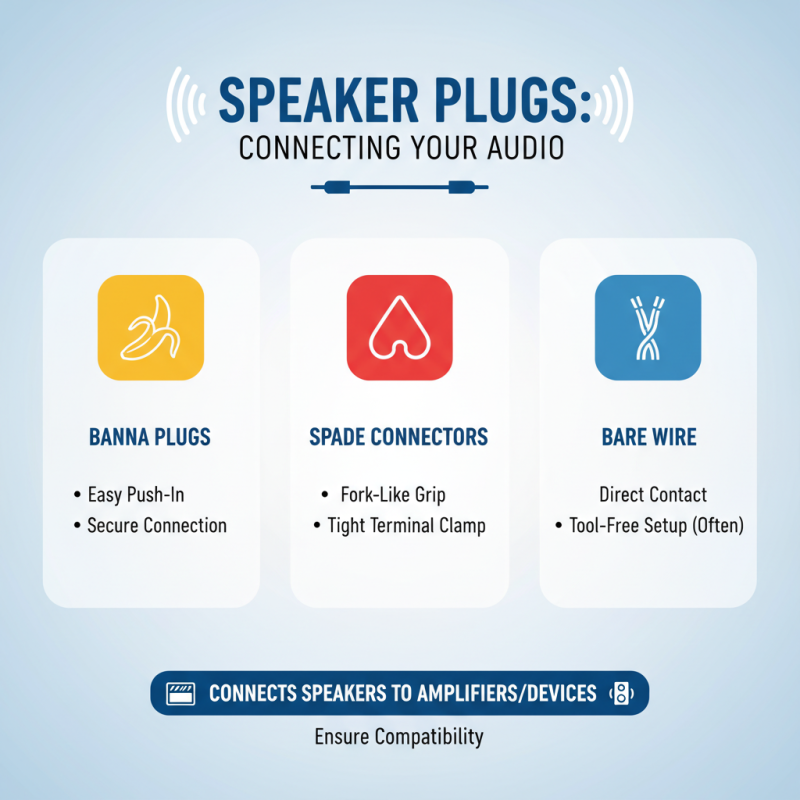
When setting up an audio system, speaker plugs play a crucial role. They connect speakers to amplifiers or other devices. Various types of speaker plugs exist, such as banana plugs, spade connectors, and bare wire connections. Each type has its unique compatibility requirements.
Banana plugs are widely used for their ease and secure connection. They fit into standard binding posts found in most speakers. However, not all speakers accept banana plugs. This can lead to frustration if you’re unprepared. Spade connectors offer a stable connection, but they require specific terminals. Bare wire connections may limit flexibility in setup but are simple and effective.
Understanding the compatibility of speaker plugs is essential. An incompatible plug can cause poor sound quality. Moreover, it may damage components over time. Checking specifications can save headaches later. While experimenting with different configurations, it’s vital to ensure a snug fit. An improper connection might yield unsatisfactory audio performance. Pay attention to these details.
Benefits of Using High-Quality Speaker Plugs for Sound Quality
Choosing the right speaker plugs can greatly enhance your audio experience. High-quality plugs help ensure a solid connection between your equipment and speakers. This connection plays a crucial role in maintaining sound integrity. When connections are poor, you may experience distortion or loss of clarity.
Using better plugs can also minimize interference. Low-quality plugs often allow unwanted noise to creep in. This can muddy the sound and detract from the overall listening experience. You might even find that music sounds flat or lifeless with inferior connections. Investing in high-quality plugs can transform those moments. You may hear details in your favorite songs that you never noticed before.
However, the importance of quality goes beyond just sound. Many people overlook the durability of plugs. Cheap options may wear out quickly, leading to constant replacements. This can be frustrating and expensive in the long run. Reflecting on these issues can help you appreciate the difference that well-made plugs provide. Quality not only improves audio but also saves you time and money.
Factors to Consider When Choosing Speaker Plugs for Your Setup
When selecting speaker plugs for your audio setup, several factors come into play. The connection type is essential. For instance, binding posts and banana plugs offer different levels of convenience and performance. A recent report highlighted that approximately 65% of audiophiles prefer banana plugs for their ease of use. However, some users may find that screw terminals provide a more secure connection.
Wire gauge is another critical consideration. The American Wire Gauge (AWG) scale indicates how thick a wire is. For longer runs, a thicker gauge (lower AWG number) is advisable to minimize signal loss. A study revealed that using a 12 AWG wire can reduce resistance by about 30% compared to a 16 AWG wire over the same distance. This can significantly improve sound quality, especially in high-power situations.
Tips: Always ensure compatibility. Check the specifications of your speakers and amplifiers first. A mismatch can lead to poor performance. Next, consider investing in gold-plated connectors. They resist corrosion and ensure better conductivity. Lastly, engage in regular maintenance. Dust and oxidation can degrade connections over time, impacting audio quality. A simple disconnect and clean can make a noticeable difference.
Installation Tips for Optimizing Performance of Speaker Plugs
Installing speaker plugs correctly is essential for optimizing audio performance. Start by ensuring that the plugs fit well into the jacks. A loose connection can result in poor sound quality. Check for any debris or dust in the sockets before installation. This can interfere with the electrical connection. A clean interface ensures that each plug delivers optimal sound.
Wiring also plays a significant role in performance. Use high-quality cables that can handle the power load. Shorter cables often yield better results, as they reduce signal loss. Avoid twisting wires tightly, as this can create electromagnetic interference. Sometimes, you may need to experiment with placement. Surrounding furniture can absorb sound or cause reflections. This can lead to uneven audio quality.
Consider the environment where the speakers are placed. Hard surfaces can amplify sound, while soft materials can dampen it. Adjusting the positioning can lead to noticeable changes. It is common to overlook this, but small adjustments can significantly enhance your listening experience. Taking time to analyze these factors is crucial for achieving the best audio outcome.
Maintenance Practices to Ensure Longevity of Speaker Plugs
Maintaining speaker plugs is vital for a seamless audio experience. Dirty or worn plugs can significantly affect sound quality. Regularly check your plugs for signs of wear, such as corrosion or frayed wires. Clean them with a soft cloth to remove dust and grime. Simple maintenance can enhance the longevity and performance of your setup.
Store speaker plugs properly when not in use. This prevents unnecessary flexing or pulling, which can damage the connections. Consider using cable organizers to keep them tidy. However, sometimes we overlook this step, leading to tangled wires and premature damage. It’s essential to be mindful of handling and storing them carefully.
Inspect connections before and after use. A loose or dirty connection can cause interruptions in sound. Taking a moment to ensure everything is secure can pay off in the long run. Yet, many users often forget this simple task. Addressing these small issues can lead to a greatly improved audio experience.