Choosing the right Speaker Plugs can affect signal stability, installation speed, and long-term maintenance. Global buyers face many options, including banana plugs, spade connectors, pin plugs, and locking designs. Each format serves different equipment and working conditions.
A useful comparison should examine contact material, plating quality, wire compatibility, insulation, grip, and strain relief. It should also consider amplifier terminals, speaker binding posts, cable thickness, and installation tools. A plug that feels secure on a showroom unit may loosen after repeated movement. Small details matter.
Field experience often reveals the difference. A well-made plug should hold a 12-gauge cable firmly without crushed strands or exposed copper. Its housing should resist cracking near the cable entry. Gold-plated contacts may help resist oxidation, but plating alone does not guarantee reliable performance. That claim needs careful testing.
This guide compares ten Speaker Plugs that international buyers may encounter. It considers practical use, product consistency, supplier communication, and documented specifications. Regional standards and connector preferences can vary, so no single model suits every project. Check dimensions carefully. Confirm compatibility before placing a large order.
Some comparisons remain imperfect. Product batches can change, and online photographs may hide weak construction. Buyers should request samples, inspect the crimp or screw connection, and test fit under realistic conditions. Independent reviews can help, but verified technical data carries more weight. The goal is not to promote the most expensive plug. It is to identify the most dependable match for each audio system, market, and installation environment.
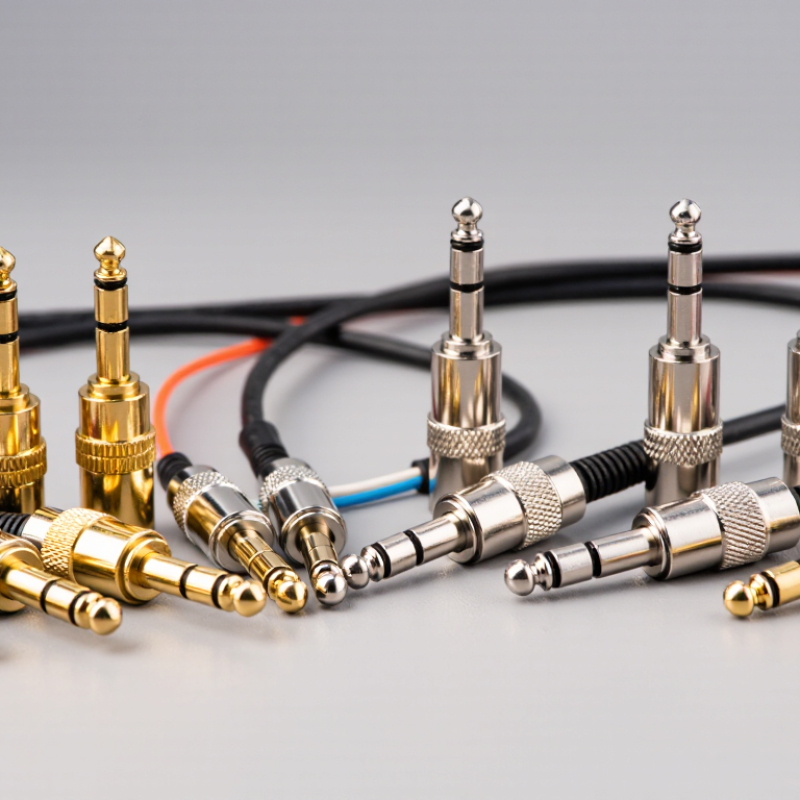
Speaker plugs are the small interface between an amplifier cable and a speaker terminal. Common forms include banana plugs, spade connectors, and straight pin plugs. Each design changes installation speed, contact stability, and cabinet compatibility. In practical purchasing, I check the terminal depth, plug diameter, cable gauge, and locking method before comparing finishes.
The comparison matters because a loose connection can create noise, heat, or intermittent output. A plug with gold-colored plating may resist oxidation, but appearance alone proves little. Contact pressure and machining accuracy matter more. Grand View Research valued the global connectors market at about US$84 billion in 2023, with continued growth expected through 2030. This wider data set includes many connector categories, so it cannot predict speaker-plug demand precisely. That limitation deserves attention.
Audio market estimates also differ by research scope. Mordor Intelligence reported a global audio equipment market measured in the tens of billions of dollars, driven by home, automotive, and professional applications. Buyers should therefore compare supplier test reports, not only market forecasts. Ask for current ratings, pull-force results, conductor compatibility, and corrosion testing. Look for clear dimensional drawings. A good plug should fit firmly without damaging the terminal. It should also accept the intended cable cleanly. My own review habit is simple: test several samples under repeated connection cycles. One sample can flatter a weak design. Bulk pricing can hide that weakness.
When comparing speaker plugs, examine more than appearance or price. Contact resistance is critical because loose connections can reduce signal quality and create heat. Look for stable resistance under repeated insertion tests. Current rating should match the speaker system’s expected load, including short-term peaks. A plug with insufficient capacity may perform well during testing but fail under demanding use.
Material quality also affects long-term performance. Copper-based contacts usually support efficient conductivity, while suitable plating can slow oxidation in humid environments. Check the housing strength, strain relief, and insulation thickness. The plug should fit securely without excessive force. Compatibility matters too. Confirm connector size, cable diameter, polarity markings, and installation method before ordering large quantities. Small differences can cause costly returns.
Tips: Request technical drawings and test reports. Compare samples from different production batches. Test plugs after repeated bending, pulling, and connecting. Do not trust a polished surface alone. It can hide weak internal assembly. Temperature changes deserve attention, especially during shipping or outdoor installation. Sealing may help, but excessive sealing can complicate maintenance. A perfect specification rarely exists; buyers should record which compromise affects their application least.
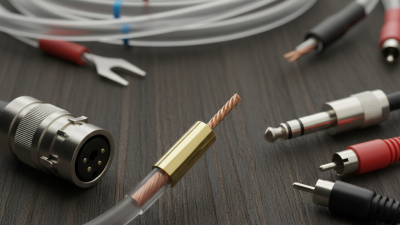
Choosing speaker plugs starts with the installation, not the catalog photo. Banana plugs suit home audio and test benches, where quick insertion matters. Their exposed metal is convenient, but it can short against adjacent terminals. Spade connectors provide broad, stable contact on binding posts. They work well behind amplifiers that rarely move. Pin plugs fit narrow spring terminals and compact wall plates. They are simple. They are easy to overlook.
For live sound, locking speaker connectors are usually more appropriate. Their keyed shells resist accidental unplugging during vibration and cable movement. They also support thicker conductors and repeated setup cycles. Quarter-inch speaker plugs remain common in older systems and small instruments. Confirm the connector’s current rating before using one for high-power loads. An audio connector is not automatically a speaker connector. That mistake can damage equipment.
Global buyers should compare contact material, strain relief, insulation, cable gauge range, and certification documents. Check whether the plug accepts local cable sizes without forcing strands into the clamp. A bright finish may look premium, yet mechanical grip matters more after months of handling. I have found that the cheapest option often fails at the strain relief first. Still, locking hardware can be unnecessary for a fixed listening room. The best choice depends on access, power, vibration, and maintenance habits. No universal winner exists. A careful comparison may reveal one awkward compromise.
Top 10 Speaker Plugs Global Buyers Should Compare?
Top speaker plugs should be compared by compatibility and durability, not appearance alone. Banana plugs fit many binding posts, but their exposed contacts may loosen after repeated handling. Locking banana plugs grip more firmly, making them suitable for vibration-prone installations. Stacking banana plugs add connection flexibility, although their extra openings can collect dust. Dual banana plugs offer clean two-channel connections, but their fixed spacing limits equipment compatibility. Angled banana plugs can reduce cable strain behind shallow cabinets.
Spade connectors create a broad contact area and suit binding posts with threaded terminals. Their performance depends on accurate width and secure tightening. Pin plugs fit narrow spring terminals and compact connection blocks, yet thin pins can bend during rushed installation. Fork terminals provide quick access, while their open shape may slip if the terminal is under-tightened. Spring-loaded plugs are convenient for frequent testing, but their internal mechanisms need careful inspection. Bare-wire-compatible pin designs remain useful for older terminals, though installation takes more time.
From field checks, plated copper contacts usually resist oxidation better than untreated metal. Still, plating thickness and crimp quality matter more than a shiny surface. Measure terminal spacing before ordering dual designs. Check the cable gauge, insulation diameter, and insertion depth. A plug that fits today may fail after several bends. I have also seen expensive-looking connectors loosen because the set screw was poorly tightened. Compatibility is rarely perfect. Local standards and equipment tolerances should be verified with technical drawings, samples, or a small pre-production order.
| Rank | Speaker Plug Type | Mating Interface | Typical Speaker Applications | Polarity / Conductor Configuration | Locking or Retention | Compatibility Considerations | Typical Contact Material | Typical Housing Material | Durability | Best Use Case |
|---|---|---|---|---|---|---|---|---|---|---|
| 1 | 2-Pole Speaker Twist-Lock Connector | Dedicated 2-pole twist-lock socket | Professional passive loudspeakers, power amplifiers, stage-monitor systems | 2 contacts: positive and negative | Quarter-turn mechanical lock | Only mates with the same connector family and pole count; not interchangeable with 1/4-inch plugs | Nickel-plated or silver-plated copper-alloy contacts | Reinforced thermoplastic or nylon | Excellent | Frequent setup and teardown in touring or rental systems |
| 2 | 4-Pole Speaker Twist-Lock Connector | Dedicated 4-pole twist-lock socket | Bi-amped loudspeakers, multi-channel cabinets, professional sound reinforcement | 4 contacts: commonly low-frequency and high-frequency pairs | Quarter-turn mechanical lock | Requires matching 4-pole sockets and correct cable wiring; unused contacts must be wired according to the system design | Nickel-plated or silver-plated copper-alloy contacts | Reinforced thermoplastic or nylon | Excellent | Systems requiring secure locking and multiple speaker circuits |
| 3 | 1/4-Inch TS Speaker Plug | 1/4-inch mono phone jack | Guitar cabinets, instrument amplifiers, older passive speaker systems | 2 contacts: tip positive and sleeve negative | Friction fit; no positive locking mechanism | Common with 1/4-inch speaker outputs, but should not be confused with balanced TRS wiring | Nickel-plated copper-alloy contacts | Metal shell or molded thermoplastic | High | Short-to-medium cable runs and legacy amplifier connections |
| 4 | 1/4-Inch TRS Speaker Plug | 1/4-inch stereo or balanced phone jack | Selected professional audio systems, balanced line connections, some multi-conductor speaker installations | 3 contacts: tip, ring and sleeve | Friction fit; no positive locking mechanism | Must match the equipment wiring; a TRS plug is not automatically suitable for a two-conductor speaker output | Nickel-plated copper-alloy contacts | Metal shell or molded thermoplastic | High | Installations needing a 3-contact phone connection |
| 5 | Single Banana Plug | 4 mm banana socket or binding post | Hi-fi amplifiers, laboratory-style audio connections, home audio speaker terminals | 1 electrical conductor per plug; normally used as a red/black pair | Spring expansion and friction retention | Compatible with 4 mm banana sockets and many binding posts; plug shrouding varies by equipment | Brass or copper-alloy contact with nickel or gold finish | Metal body with plastic or thermoplastic insulation | High | Fast connection and disconnection in home or test environments |
| 6 | Dual Banana Plug | Paired 4 mm banana socket | Stereo amplifiers, bench testing, compact hi-fi installations | 2 conductors with fixed center-to-center spacing | Spring contact and friction retention | Requires compatible spacing and polarity; spacing is not universal across all equipment | Brass or copper-alloy contact with nickel or gold finish | Insulated plastic body with metal contact springs | High | Neat left/right or positive/negative connections with one insertion |
| 7 | Screw-Type Binding-Post Connector | Threaded binding post, bare wire, spade lug or banana plug | Home audio amplifiers, high-fidelity loudspeakers, fixed installations | Usually 1 conductor per terminal; used as a positive/negative pair | Threaded clamping and compression | Very versatile, but terminal openings and banana compatibility depend on the post design | Brass or copper-alloy conductive parts, often plated | Metal terminal with insulated plastic or thermoplastic cap | Excellent | Reliable semi-permanent connections and larger speaker cables |
| 8 | Spring-Clip Speaker Terminal | Spring-loaded push terminal | Compact consumer audio equipment, small passive speakers, low-cost installations | 1 conductor per terminal; normally used as a positive/negative pair | Spring clamp | Usually accepts bare wire only; wire-size capacity and insertion depth are limited | Stamped copper-alloy or steel contact | Plastic terminal block with metal spring mechanism | Moderate | Space-constrained equipment with occasional cable changes |
| 9 | Pluggable Screw Terminal Block | Matching PCB-mounted or panel-mounted terminal header | Installed loudspeakers, distributed audio, commercial and control-system enclosures | 2, 3 or more screw-clamped conductors depending on the terminal position count | Plug-in block with screw-clamped wire retention | Pitch, pole count, keying and wire range must match the mating header | Tin-plated copper-alloy contacts | Flame-retardant insulating thermoplastic | High | Fixed installations requiring removable wiring harnesses |
| 10 | 4-Pin XLR-Style Speaker Connector | Matching 4-pin circular latch connector | Legacy professional loudspeakers, older amplifier and intercom-related audio systems | 4 contacts; pin assignment varies by equipment and cable design | Push-in latch release | Pin assignments are not universal; verify polarity, current suitability and equipment documentation before use | Nickel-plated copper-alloy contacts | Metal or reinforced thermoplastic shell | High | Existing systems that already use a compatible 4-pin circular connector |
Top 10 Speaker Plugs Global Buyers Should Compare?
Global buyers should compare speaker plugs by electrical performance, standards, supplier control, price, and safety. Common options include banana plugs, binding-post connectors, locking connectors, and screw-terminal designs. Check conductor size, contact resistance, current rating, insulation material, and insertion cycles. Fit matters. A plug that feels tight may still loosen under vibration.
Ask suppliers for dimensional drawings, material declarations, batch records, and test reports. Confirm whether documents match the exact model, not a similar product. Requirements may differ across markets, so review applicable IEC, EN, UL, or CSA rules with a qualified compliance professional. Do not guess. Plating thickness also deserves attention, especially in humid warehouses or coastal installations. Unclear test conditions can make a low-priced offer look better than it is.
Pricing should include tooling, samples, packaging, freight, inspection, and replacement costs. Compare landed cost, not only the unit quotation. A reliable supplier should explain tolerances, production capacity, and corrective actions for defects. During evaluation, test ten or more samples for fit, pull strength, contact stability, and heat buildup. One recurring mistake is testing only a perfect sample. That is risky. A slightly higher-cost plug may reduce field failures, but this is not guaranteed without verified data. Procurement teams should record every comparison and revisit assumptions when volumes, climates, or equipment loads change.