Top 10 Speaker Plugs Tips for Global Buyers to Consider
When considering international sourcing, selecting the right Speaker Plugs is crucial. These components play a significant role in ensuring audio quality and compatibility across devices. Buyers must be aware of various factors that influence their choice.
The market is flooded with options, and not all Speaker Plugs are created equal. Understanding the technical specifications, such as impedance and connectors, can save time and resources. Additionally, buyers should reflect on their specific needs, as improper choices can lead to frustrating experiences.
Quality also varies widely. It’s essential to collaborate with reputable suppliers who provide reliable products. Relying solely on price may lead to compromises in durability and performance. By weighing different aspects carefully, buyers can make informed decisions, enhancing their audio setups significantly.
Top 10 Insights for Global Buyers on Speaker Plug Quality Standards
When purchasing speaker plugs, buyers need to focus on
quality standards. Understanding these standards can make a
significant difference in performance and durability. Check for
certifications that indicate compliance with international safety norms.
These certifications can guide buyers towards reliable products. It’s essential to look for
materials that resist wear and tear.
High-quality plastics and metals often indicate better durability.
Many buyers overlook the importance of insulation in plugs.
Proper insulation protects internal components from damage. Vibration and stress during use
can lead to failures. A well-insulated plug enhances longevity and safety.
Take the time to assess plug designs. Some designs
may appear robust but fail under pressure.
Testing is crucial. It reveals how different plugs handle extreme conditions.
In addition, pay attention to compatibility. Not all plugs fit every device.
Understanding specific requirements helps avoid issues later. Following these insights can enhance
your purchasing experience. Yet, always reflect on your choices.
Are your standards high enough? An aspect often ignored
is the feedback from other users. Their experiences can provide valuable insights.
Essential Considerations for Material Durability in Speaker Plugs
Durability is crucial when selecting materials for speaker plugs. High-quality materials withstand wear and tear over time. According to a recent industry report, over 40% of buyers prioritize durability in their purchasing decisions. Poor material choices can lead to increased failure rates and customer dissatisfaction. Therefore, understanding the properties of materials is essential.
Selecting metals like gold or nickel for connectors enhances longevity. These metals resist corrosion and ensure a stable connection. Consider rubber or silicone for insulation. Such materials offer excellent resilience against environmental factors. They prevent dust and moisture from damaging the internal components. Opting for these materials can significantly extend the lifespan of speaker plugs.
Always perform quality tests on materials. Testing for stress resistance can reveal vulnerabilities. Aim for a balance between cost and quality. Sometimes, opting for cheaper materials results in frequent replacements. This approach can end up costing more in the long run. Invest time in researching and understanding material properties before making a purchase.
Understanding Electrical Ratings: Important Specs for Speaker Plugs
When selecting speaker plugs, understanding electrical ratings is crucial. These ratings determine compatibility with various audio equipment. Voltage and amperage specifications play a vital role. A mismatch can lead to malfunction or damage. Pay attention to these details.
Consider tips for optimal performance. Always check the voltage rating of your speaker plugs. A higher voltage might seem advantageous, but excessive power can cause overheating. Likewise, ensure the amperage meets or exceeds your speaker requirements. Insufficient amperage may result in poor sound quality.
Keep in mind the physical design of plugs as well. Some connectors are more durable than others. Look for those with solid metal housing. This choice can enhance reliability over time. Reflect on your needs regularly, as preferences and technology can evolve. Making informed choices will enhance your audio experience.
Evaluating Compatibility: Speaker Plug Types and Their Applications
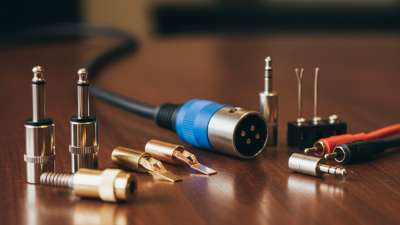
When assessing speaker plug compatibility, understanding the various types available is crucial. Different plugs serve distinct purposes and applications. Common types include quarter-inch jacks, XLR connectors, and RCA plugs. Each one fits specific equipment. For instance, XLR connectors are prevalent in professional audio due to their ability to reduce noise interference. However, if not used correctly, they can still lead to compatibility issues.
Sometimes, buyers overlook the importance of gauge and wire quality. Using the right gauge ensures optimal sound transmission. A thicker wire may enhance performance, but it can also be cumbersome. Additionally, improper connections can lead to signal loss. Users often fail to test their setups adequately before making a purchase. This oversight can be costly, especially when investing in professional-grade equipment. Testing compatibility at multiple levels can prevent such pitfalls.
Furthermore, different regions or countries may have varying standards for plugs. This inconsistency can lead to frustration. Buyers must familiarize themselves with international standards to avoid complications. Understanding these nuances can sometimes feel overwhelming. Yet, detailed research can significantly ease the process. Taking the time to evaluate specific needs is better than rushing into a decision.
Top 10 Speaker Plug Types and Their Applications
Trends in Speaker Plug Technology: Innovations Shaping the Industry
Innovations in speaker plug technology are rapidly transforming the audio industry. Recent studies indicate that the global speaker plug market is expected to grow significantly, with projections estimating a compound annual growth rate (CAGR) of over 6% from 2023 to 2028. This growth is driven by increasing demand for high-fidelity audio and the rise of portable sound devices. Key advancements include enhanced connectivity options, improved durability, and miniaturization that allow for more compact designs.
For global buyers, it is crucial to stay updated on these trends. Focus on plugs that offer robust connections to ensure audio clarity. Look for features like corrosion resistance and heat management, which directly contribute to longevity. The integration of smart technology into speaker plugs is also on the rise. These innovations enhance user experiences by offering automatic adjustments based on surrounding acoustics.
A significant trend is the move towards universal standards. Buyers should consider options that can accommodate various devices universally. This adaptability can minimize costs and increase application versatility. Embracing these changes in technology can lead to valuable advantages in both performance and customer satisfaction. Remember, staying informed and prepared for future developments is just as important as the quality of the products themselves.