



3.5 mm male to male stereo audio cable Complete Guide: From Daily AUX Use to Professional OEM Manufacturing
A 3.5 mm male to male stereo audio cable looks like the simplest part of your setup. It’s small, cheap, and usually the last thing people think about.
Until it ruins a moment.
- Your car music starts crackling.
- The audio in a meeting cuts out when someone bumps the laptop.
- A backing track on stage drops to silence because of a loose plug.
This guide walks through what this cable really is, how it works, how to pick a good one, and what an OEM manufacturer like Jingyi Audio actually does behind the scenes to build solid 3.5 mm stereo cables for brands and system integrators.
Quick definition:
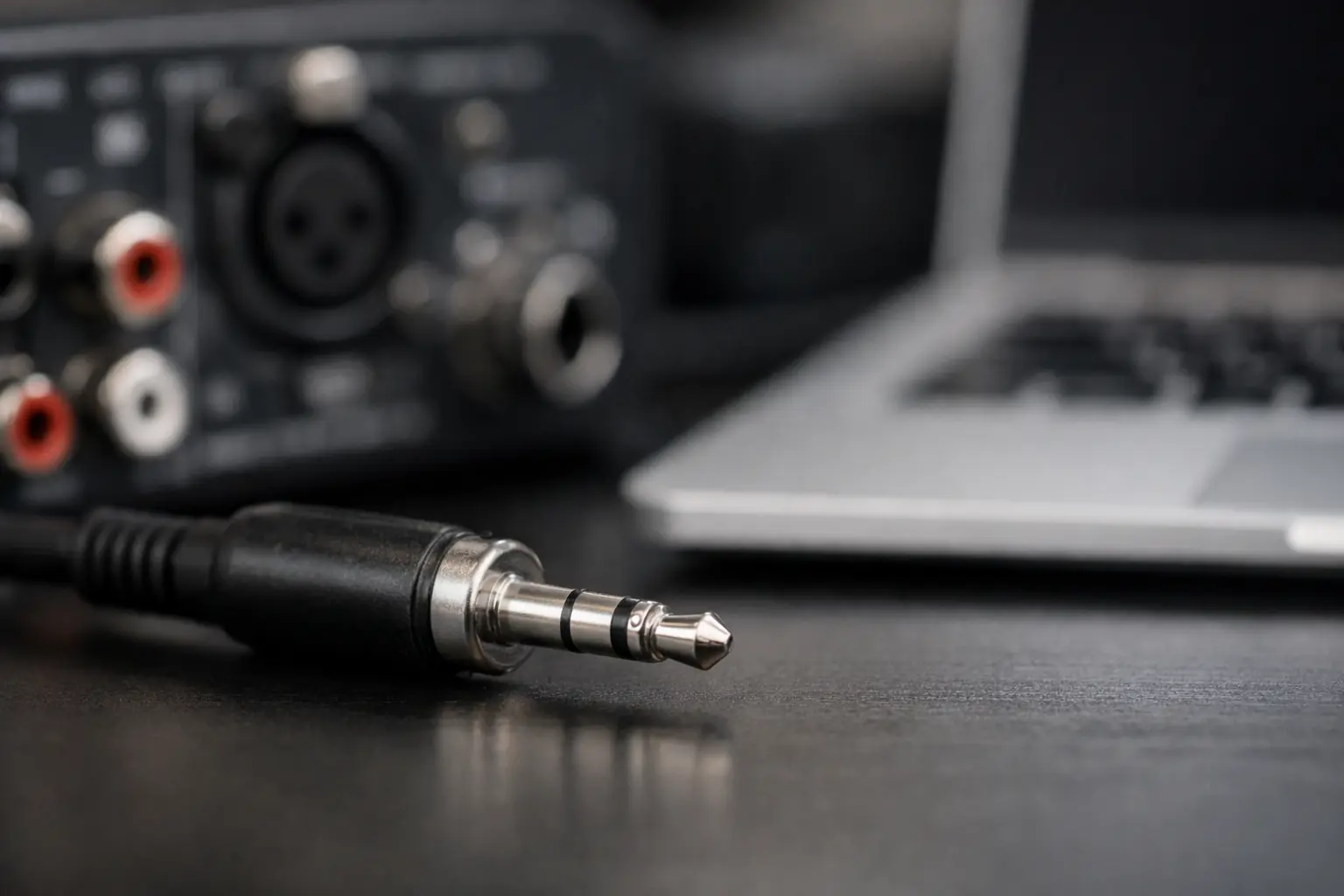
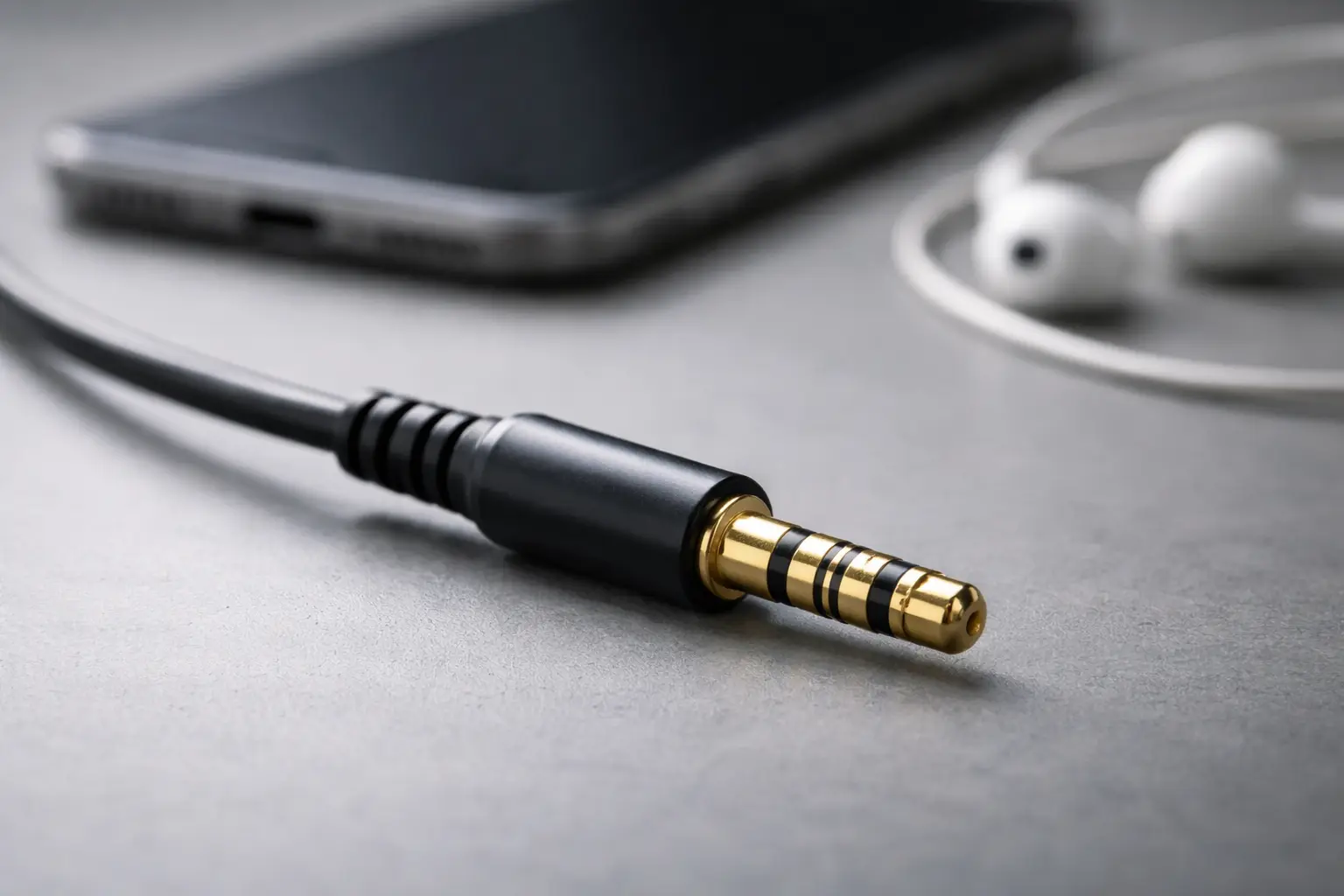
A 3.5 mm male to male stereo audio cable is a TRS cable with the same 3.5 mm stereo plug on both ends, used to connect two devices that each have a 3.5 mm headphone or AUX jack.
What is a 3.5 mm male to male stereo audio cable? (also called AUX / mini jack cable)
The familiar 3.5 mm jack goes by a few names:
- 1/8-inch jack
- Mini jack
- Headphone jack
- AUX jack
- 3.5 mm TRS connector
“Male to male” simply means:
- There is a 3.5 mm plug on both ends, not a socket.
- You can join two devices with 3.5 mm jacks directly.
Common examples:
- Phone → car AUX input
- Laptop → desktop speakers
- Tablet → mixer or recorder
- Portable DAC / DAP → amplifier
Because people see this cable everywhere, it’s easy to treat it like a disposable accessory. But the way it’s built has a real effect on noise, reliability, and how often you have to replace it.
3.5 mm TRS structure: Tip / Ring / Sleeve and stereo signal
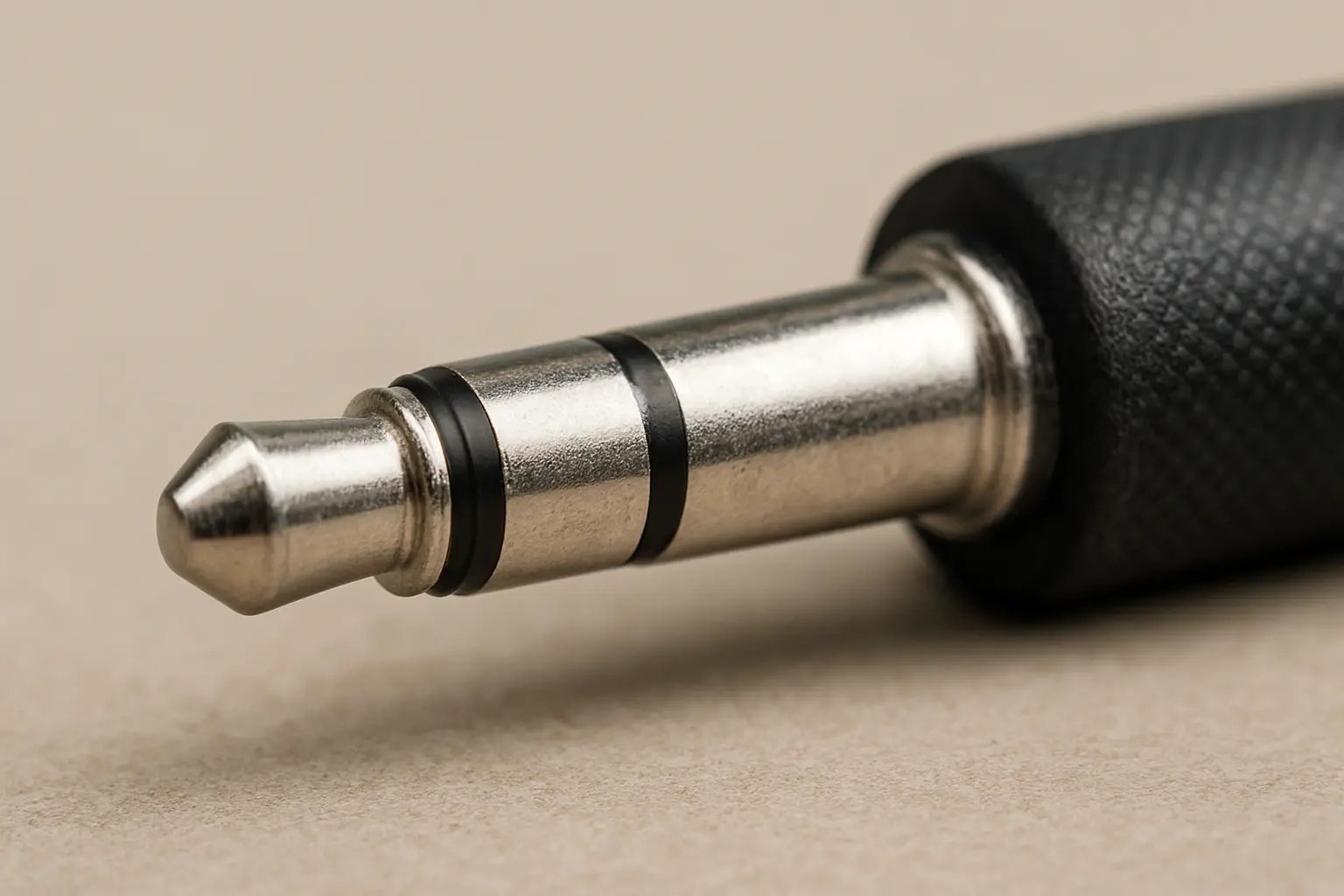
A standard 3.5 mm stereo plug is a TRS connector with three metal sections:
- Tip (T) – carries the left audio channel
- Ring (R) – carries the right audio channel
- Sleeve (S) – ground / shield
Key details:
- It carries stereo sound (left + right).
- It’s an unbalanced connection.
- Both channels share a common ground.
Because it’s unbalanced, a 3.5 mm male to male stereo audio cable is more prone to:
- Electromagnetic noise from nearby power supplies
- Radio interference from phones, Wi-Fi, and wireless mics
- Hum and buzz from ground problems
That’s why things like conductor material, shielding style, and connector quality really matter, even on a “simple” AUX cable.
Typical use cases for a 3.5 mm stereo cable
You’ve probably seen or used this cable in at least one of these ways:
- Car audio – phone or music player into the car’s AUX input
- Desktop audio – laptop or PC into powered speakers or a soundbar
- Home audio – portable DAC / DAP into an amplifier or receiver
- Studio and podcast setups – tablet into a mixer, small recorder into a camera, monitor controller into small speakers
- Education and meeting rooms – laptop into a ceiling speaker system or room amplifier
In each case, this cable sits at the end of the signal chain. If it fails, everything upstream might be fine—but you still hear nothing.
Why 3.5 mm male to male stereo audio cable still matters in a wireless world
With Bluetooth speakers, headphones, and car systems everywhere, it’s fair to ask: do we still need wired 3.5 mm male to male stereo audio cables?
Short answer: yes. A lot of the time.
Low latency and stability: wired 3.5 mm AUX vs Bluetooth
Bluetooth works well for casual listening, but it has some built-in trade-offs:
- Delay – the signal is encoded, sent, and decoded, which takes time.
- Dropouts – crowded environments, walls, and weak batteries can cut the sound.
- Extra steps – pairing, reconnecting, firmware quirks.
A wired 3.5 mm stereo cable:
- Has near-zero delay, limited only by analog hardware.
- Doesn’t depend on radio signal quality.
- Works the moment you plug it in.
That matters a lot when:
- You’re gaming and any delay feels wrong.
- A musician needs to hear their instrument right away.
- You’re streaming or presenting and video must match the sound.
- You’re recording and can’t accept random dropouts.
Compatibility and plug-and-play from vintage gear to new laptops
The 3.5 mm jack has become a common language between many generations of gear:
- Old CD players and portable music devices
- Modern laptops with headphone or combo jacks
- Car stereos with AUX-in
- Small mixers and recorders
- Some TVs and monitors with line-out jacks
A single 3.5 mm male to male stereo audio cable can link many of these without apps or drivers. Just plug in and sound comes out. For installers and OEM buyers, that kind of simplicity reduces support headaches.
Key features that define a high-quality 3.5 mm stereo audio cable
So what separates a cable you can trust from one that fails in a month? Here are the main things to look at.
Conductor: Oxygen-Free Copper (OFC) vs CCA
Inside the cable, the audio signal runs through a metal conductor.
Two common options:
|
Feature |
Oxygen-Free Copper (OFC) |
Copper-Clad Aluminum (CCA) |
|
Base metal |
High-purity copper |
Aluminum with a thin copper coating |
|
Conductivity |
High |
Lower |
|
Resistance (same gauge) |
Lower |
Higher |
|
Flexibility / fatigue |
Good |
Weaker |
|
Audio performance |
Stable, low loss |
More loss, more risk on longer runs |
|
Typical use |
Quality audio and pro cables |
Budget cables |
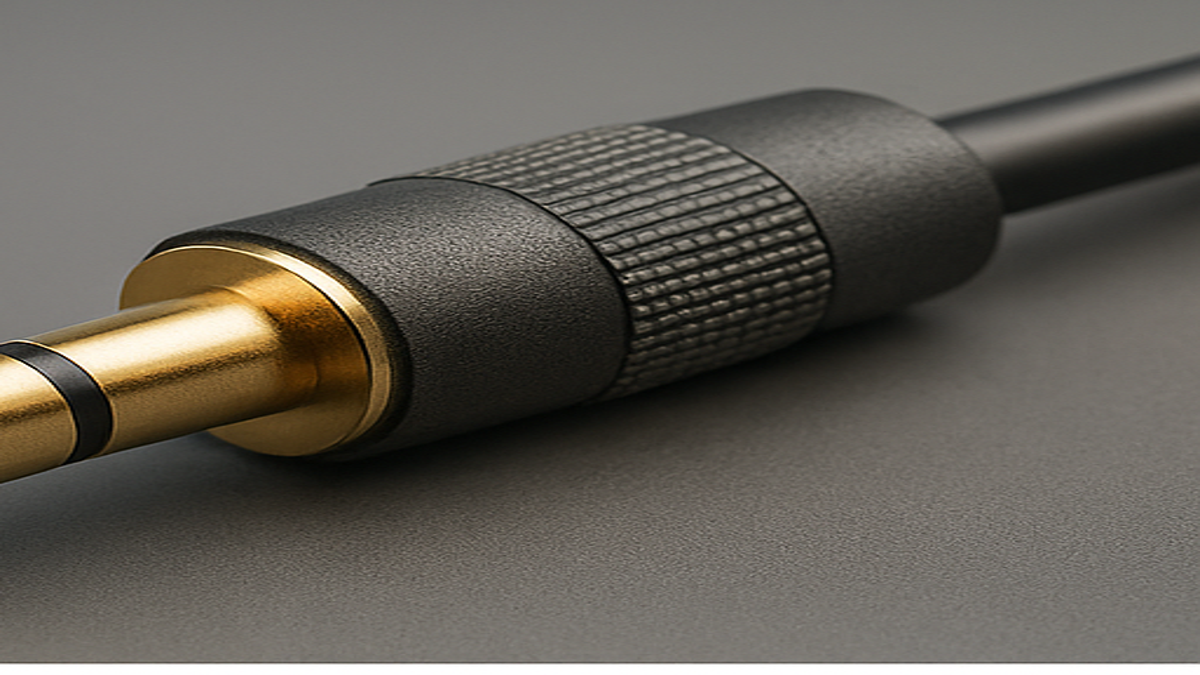
For a 3.5 mm male to male stereo audio cable, OFC is the safer choice. Manufacturers like Jingyi Audio use high-purity OFC (often 99.99%) to:
- Keep resistance low so the signal stays strong.
- Handle bending and daily use better.
- Support wide dynamics without strange distortion.
If a product page clearly mentions OFC instead of just “copper,” that’s a good sign.
Shielding & noise: why braided shield + conductive PVC helps
Because 3.5 mm cables are unbalanced, their shielding is the main defense against noise.
Common types:
- Aluminum foil – cheap and thin; good coverage but can crack when bent a lot.
- Spiral (serve) shield – flexible but can leave small gaps as the cable moves.
- Braided copper shield – lots of fine copper strands woven together; strong and has high coverage.
A serious audio cable may also include a conductive PVC layer over the insulation. This layer helps drain static charge and cuts down on handling noise (that “whoosh” you sometimes hear when a cable rubs against something).
This matters when:
- The cable runs next to power supplies or chargers.
- You’re in a car, with alternator noise and ignition pulses.
- You’re on stage, surrounded by lighting dimmers, wireless systems, and big power lines.
A shielded 3.5 mm audio cable with a braided shield and conductive PVC does a much better job of keeping that noise out than a thin foil wrapper.
Gold-plated connectors, strain relief and daily durability
Connectors take the most abuse. They are plugged, unplugged, stepped on, and bumped.
Things to look for:
- Gold-plated contacts
- Resist oxidation and corrosion.
- Keep contact resistance low over time.
- Reduce the “scratchy” noise when a plug is moved.
- Strong housings
- Metal or thick molded plastic shells protect the solder joints.
- Good designs bring the shield connection close to the front of the plug, helping block RF noise.
- Strain relief
- A flexible section where the cable exits the connector.
- Helps prevent sharp bends that can break conductors or loosen connections.
Factories like Jingyi Audio put their cables through many thousands of bend tests, trying to mirror real use in cars, backpacks, and stage setups.
Specification snapshot: inside a typical Jingyi-style 3.5 mm male to male stereo audio cable
To give you a clearer mental picture, here’s a sample spec profile for a solid OEM-grade 3.5 mm cable:
|
Parameter |
Example OEM Spec (Jingyi-style design) |
|
Connector Type |
3.5 mm TRS male to 3.5 mm TRS male |
|
Conductor Material |
99.99% OFC copper |
|
Wire Gauge |
26–28 AWG (multi-strand) |
|
Insulation |
PE (polyethylene) |
|
Shielding |
High-density braided copper + conductive PVC |
|
Outer Jacket |
Flexible PVC or TPE |
|
Connector Plating |
24K gold-plated contacts |
|
Housing |
Metal or reinforced molded shell |
|
Bend Test Life |
> 10,000 bend cycles at 90° |
|
Available Lengths |
0.5 m / 1 m / 1.5 m / 3 m / 5 m (custom) |
|
Compliance |
RoHS / REACH (on request) |
This kind of table is also the sort of content search engines and AI tools like to pick up when they need a quick answer.
Compatibility matrix: where a 3.5 mm male to male stereo audio cable fits
Here’s a simple way to see what you can hook up with this one cable.
|
Device Category |
Examples |
Use with 3.5 mm M-M cable? |
|
Phones & Tablets |
iPhone (with adapter), Android phones, iPad |
Yes, via headphone / adapter jack |
|
Computers |
Windows laptops, MacBooks, desktop PCs, mini PCs |
Yes, via headphone / line-out jack |
|
Portable Audio |
MP3 players, DAPs, portable DACs, headphone amps |
Yes, to amps or speakers |
|
Car & Home Audio |
Car stereos with AUX-in, AV receivers, soundbars |
Yes, to phone / player / PC |
|
Small Mixers |
Mixers with 3.5 mm stereo input or output |
Yes, for playback or recording |
|
TVs & Monitors |
TVs/monitors with 3.5 mm line out |
Yes, to speakers or soundbars |
Some useful long-tail phrases you can target or keep in mind:
- “3.5 mm male to male stereo audio cable for car AUX”
- “3.5mm PC to speakers cable”
- “AUX cord for phone to car stereo”

A real-world scenario: when a cheap AUX cable fails at the worst moment
Picture this.
You’re about to start a company presentation. Your laptop is plugged into the room’s sound system with a basic 3.5 mm aux cable someone found in a drawer.
The room is full. The video starts. Ten seconds in, the sound cuts out, then comes back with loud crackles every time the table shakes.
What might be going on:
- The plug doesn’t match the jack well, so contact is flaky.
- Inside the cable, a conductor has started to break from repeated bending.
- The shield is thin, so it’s picking up buzz from the power strip under the table.
Later, you swap that cable for a better-built 3.5 mm male to male stereo audio cable:
- OFC conductor
- Solid, gold-plated connector
- Proper strain relief and shield
Next time you present, the audio just works. Nothing fancy—just a cable that doesn’t get in the way.
This is the kind of small detail that event techs, integrators, and car audio installers learn to care about.
How to choose the best 3.5 mm stereo cable for your setup
Let’s turn all of this into simple steps you can actually use.
Length, flexibility and routing: from 0.5 m desktop to 5 m stage runs
Ask yourself a few quick questions:
- How far apart are the devices?
- Will the cable stay mostly still, or be moved a lot?
- Does it need to go around furniture or through a rack?
Some practical rules:
- 0.5–1 m – neat desktop setups, short car runs.
- 1.5–3 m – home audio, TVs, soundbars, small office rooms.
- 3–5 m – small stages, rehearsal rooms, classrooms.
The longer the cable, the more you want good shielding and OFC. For runs around 3–5 m, a cheap, thin cable can start to pick up more noise or lose a bit of top-end detail.
When is a cheap AmazonBasics-style cable enough, and when do you need pro-grade?
There are times when a budget cable is perfectly fine:
- As a backup in your bag.
- For short, low-risk use.
- For casual listening where the odd noise isn’t a big deal.
On the other hand, a higher-quality 3.5 mm male to male stereo audio cable is a safer choice when:
- The cable is part of a permanent install in a car, classroom, or meeting room.
- You’re dealing with live shows, recording, or streaming.
- The cable runs near power strips, lighting, or other noisy gear.
- A failure would waste time, money, or reputation.
The price difference between a basic cable and a well-made one is small compared to the cost of a ruined recording session or an event that goes quiet.
Checklist: quick buyer’s guide for 3.5 mm male to male stereo audio cable
Here’s a simple list you can run through:
- Conductor: Does the spec mention OFC (oxygen-free copper)?
- Shielding: Is there a braided or dense shield, not just “basic” shielding?
- Connector quality: Gold-plated or corrosion-resistant contacts? Do the plugs look solid?
- Strain relief: Is there a flexible section where the cable meets the connector?
- Outer jacket: Does the cable bend easily without feeling flimsy or too stiff?
- Length: Is it long enough but not so long that it becomes messy?
- Maker: Is there a real brand or factory behind it, such as an OEM manufacturer?
- Compliance: For serious projects, are RoHS / REACH documents available?
If you can tick most of these boxes, that cable will likely serve you well.
Behind the cable: how an OEM manufacturer like Jingyi Audio builds 3.5 mm stereo cables
Many aux cables sold on big marketplaces are actually made by OEM factories that you never see. Jingyi Audio is one of those factories, with over 30 years of experience making audio cables, connectors, and stands.
Here’s what happens on the factory side.
From connector machining to cable extrusion: inside a 3.5 mm OEM factory
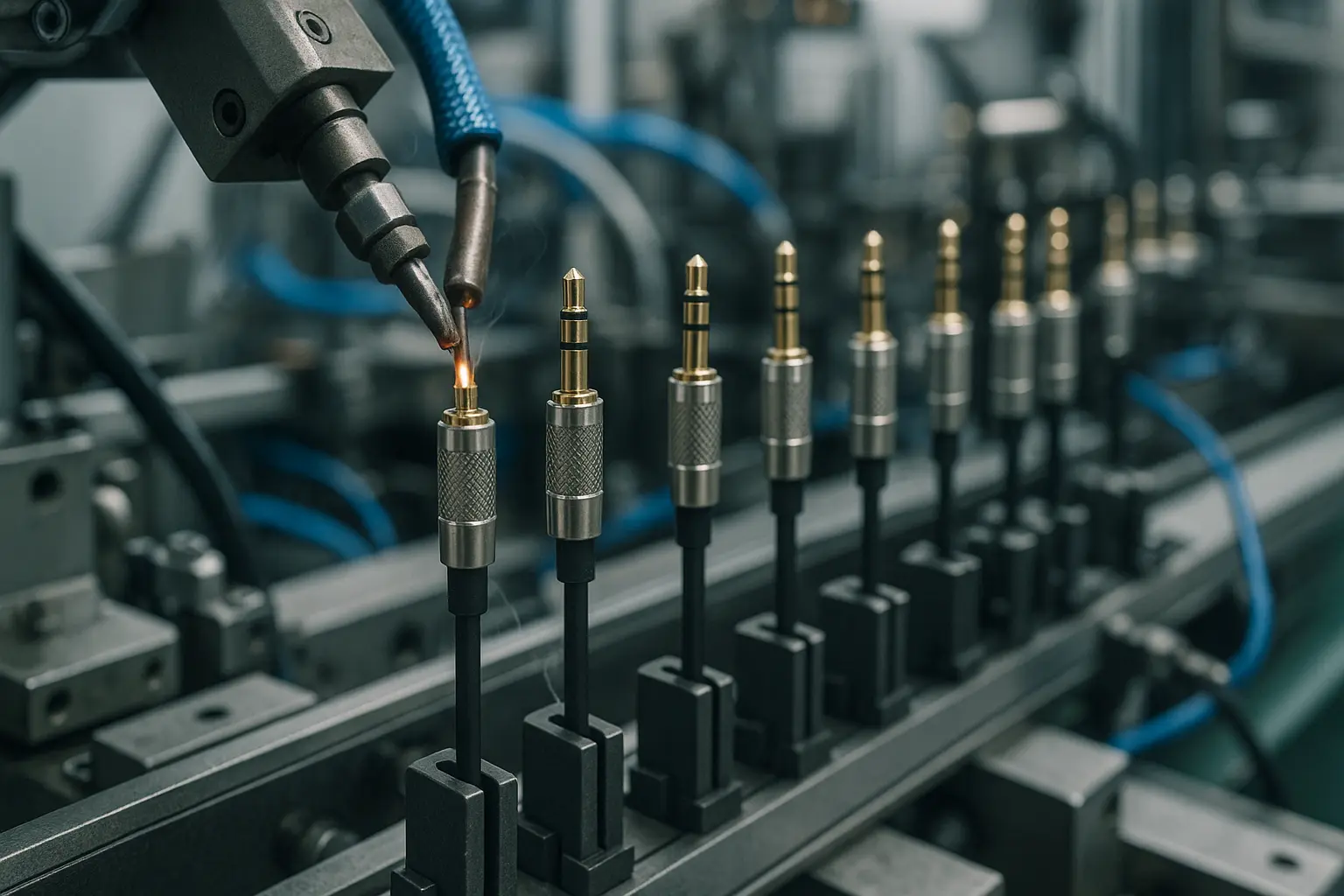
A mature OEM manufacturer takes care of most, if not all, of these steps:
- Connector machining
- Metal shells and tips are turned and milled with tight tolerances.
- Good tolerances mean a snug fit in 3.5 mm jacks with less crackle and wobble.
- High-purity OFC copper is drawn into fine strands, then twisted or bundled.
- Insulation, conductive PVC, braided shield, and outer jacket are applied in layers.
- The tiny contact points in the 3.5 mm plug are soldered by machines that control heat and solder amount.
- This cuts down on weak joints and shorts that can happen with purely manual work.
- Every cable gets a continuity test.
- Samples from each batch go through bend / flex tests and fit checks.
- Visual inspection catches cosmetic or assembly issues.
This is how a simple cable becomes a repeatable product that brands can rely on in large volumes.
Customization: logo, length, packaging and bulk orders
If you’re a brand, integrator, or OEM buyer, you might need more than a standard off-the-shelf cable.
Factories like Jingyi Audio can offer:
- Custom lengths – 0.3 m, 0.8 m, 1.2 m, 3 m, 5 m, or others on request.
- Connector shapes – straight, right-angle, slim shells for tight spaces.
- Color coding – different jacket or ring colors for easy identification.
- Branding – printed or laser-engraved logos on connector shells.
- Packaging – from bulk bags for installers to finished retail packaging.
- Order quantities – MOQs tailored to car audio programs, education projects, or consumer product lines.
If you need a custom 3.5 mm male to male stereo audio cable for your own label or system, working with an OEM like Jingyi Audio lets you design the exact cable you want, then scale it.
Quality control, testing and global compliance (RoHS, REACH, CE)
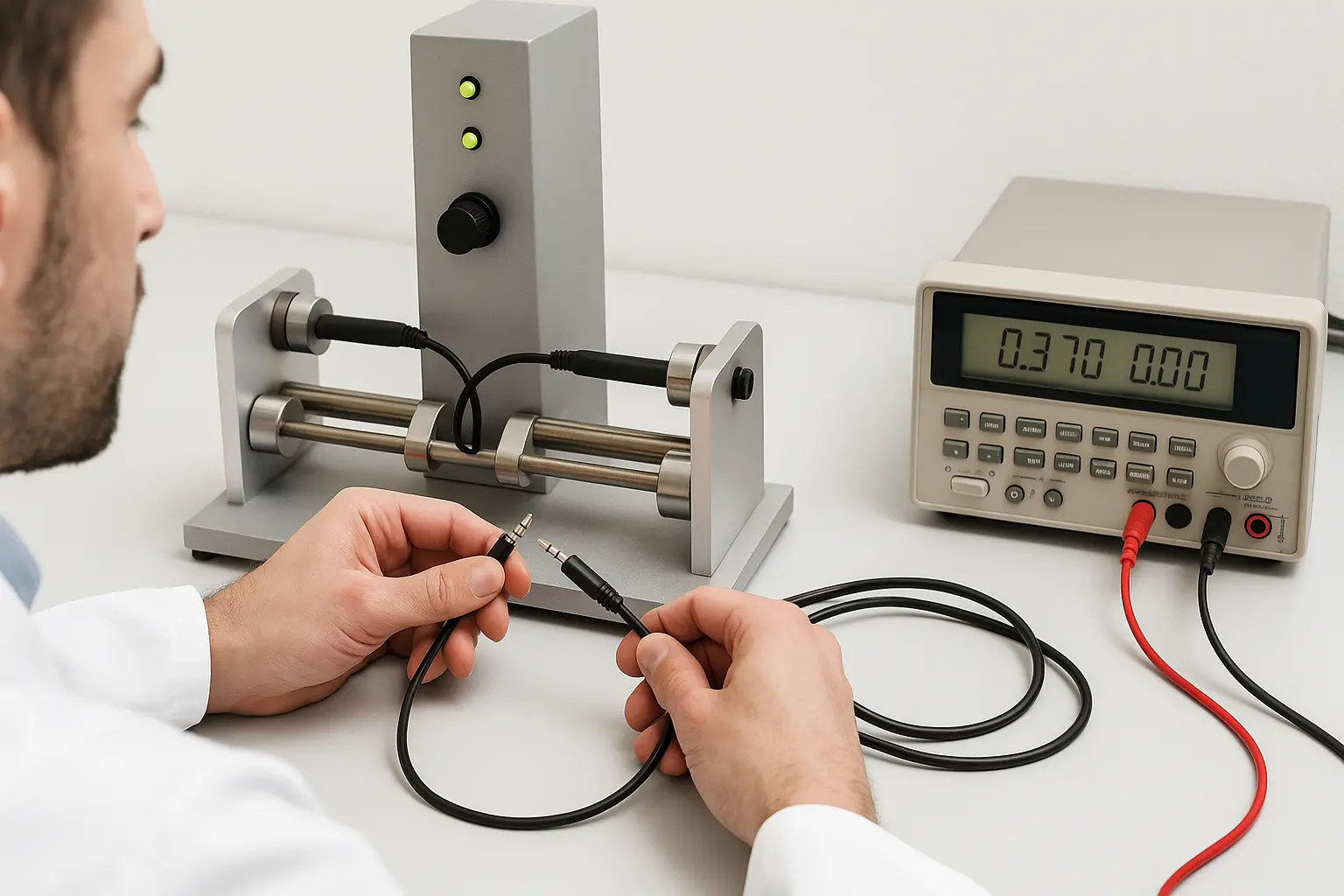
For products that ship around the world, paperwork matters almost as much as the cable itself.
A serious OEM manufacturer:
- Works with RoHS / REACH-compliant materials.
- Can supply test reports and declarations when needed.
- Tracks batches so that any issues can be traced and addressed.
This is important if your 3.5 mm cable is part of:
- A consumer product sold in the EU or other regulated regions.
- An installed system in schools, offices, or public buildings.
- A brand lineup where recalls are very costly.
If you’d like to read more about audio connectors in general, the TRS connector article on Wikipedia gives a good overview of the different plug types and how they evolved.
FAQ: common questions about 3.5 mm male to male stereo audio cable
- Is a 3.5 mm male to male stereo audio cable good enough for Hi-Fi listening?
Yes, as long as it’s built well. A 3.5 mm male to male stereo audio cable with OFC conductors, solid shielding, and good connectors is more than good enough for most Hi-Fi systems. You’ll hear far bigger changes from swapping speakers or headphones than from swapping a decent short cable. That said, a poor cable can bring in buzz, random noise, or dropouts—so it’s still worth avoiding the worst ones.
- Can I use a 3.5 mm male to male stereo audio cable for microphones or balanced audio?
In general, no. A standard stereo 3.5 mm cable is:
- Unbalanced
- Designed for line-level stereo audio
Some consumer devices use 3.5 mm jacks for microphones, often with TRRS connectors and special wiring. For professional microphones and long runs, you’re better off with balanced XLR or balanced TRS cables.
- How do I cut down noise, hum and crackling with AUX cables?
A few simple habits help a lot:
- Use a shielded 3.5 mm audio cable with a decent braided shield.
- Keep it away from power bricks, extension strips, and wall warts.
- Make sure plugs are firmly inserted and not half-seated.
- Avoid long runs of unbalanced cable near high-power gear.
- If moving the cable makes loud crackles, it’s likely damaged—swap it out.
- How long can a 3.5 mm male to male stereo audio cable be without losing quality?
For most setups:
- Up to 3 m – usually fine with a good cable.
- 3–5 m – still okay if the cable is shielded and the source is strong.
- Beyond 5–8 m – you may hear more noise and some loss of high-frequency detail, especially with weak outputs.
If you need to go much further, it’s safer to move to balanced connections or use gear meant for long runs.
- Is there a big difference between cheap and expensive AUX cables?
Not every pricey cable is worth it, but there are real gaps between the cheapest and a well-built mid-range cable:
- Cheap cables often use CCA, thin shielding, and loose connectors.
- Better cables use OFC, stronger shielding, and plugs that fit properly.
If you care about reliability, it usually makes sense to avoid the rock-bottom options and go with something from a known manufacturer or OEM factory.
- Can I order custom 3.5 mm male to male stereo audio cable for my brand or project?
Yes. That’s a common way these cables end up in car kits, school systems, and consumer products.
Factories like Jingyi Audio can:
- Build cables to your length, color, and connector layout.
- Add your logo on the connectors or packaging.
- Meet specific compliance and testing requirements.
- Ship in bulk or in ready-for-retail packaging.
If you’re planning a product range or a large install, working directly with a manufacturer gives you more control over quality and design.
Wrapping up: a small cable that matters more than it looks
A 3.5 mm male to male stereo audio cable is tiny compared to a speaker cabinet or mixing console, but it still matters:
- It carries the final link of your audio.
- It can add noise—or stay quiet and invisible.
- It can fail at the worst time—or just keep doing its job.
By paying attention to conductor material, shielding, connector build, and the factory behind the product, you can sidestep a lot of small but annoying problems.
For everyday users, that means more time listening and less time wiggling plugs.
For brands, integrators, and OEM buyers, it means cleaner installs, fewer returns, and more stable projects.
Manufacturers like Jingyi Audio spend their days turning raw copper and metal into these quiet, reliable links. When you pick a good 3.5 mm male to male stereo audio cable, you’re benefiting from that whole chain of work—so your audio can just play.