


3.5 mm vs 6.3 mm — The Real-World Guide for OEM Audio Buyers (2025 Update)
The debate over 3.5 mm vs 6.3 mm headphone jacks has been around for decades. Engineers, musicians, and OEM manufacturers keep coming back to the same question: which one makes more sense for their product? Both connectors move audio in exactly the same way, yet their size, strength, and purpose make them fit completely different markets.
For U.S. OEM and B2B buyers, choosing the right connector can affect product reliability, return rates, and how customers judge overall build quality. This article breaks down how each connector came to exist, what they’re built for, and how real users and manufacturers look at them today.
🔑 Key Points
- 3.5 mm vs 6.3 mm is mainly about durability and design purpose, not audio quality.
- 6.35 mm (¼-inch) connectors last longer and handle heavy use in studios and live sound setups.
- 3.5 mm jacks dominate portable and consumer electronics because they’re small and inexpensive.
- Poor adapters cause crackling or loose connections—better materials fix that.
- Jingyi Audio makes both connector types for global OEM clients under ISO and RoHS standards.
⚙️ Quick Comparison
|
Feature |
3.5 mm (Mini Jack) |
6.3 mm (¼-inch Jack) |
|
Diameter |
3.5 mm (1/8-inch) |
6.35 mm (1/4-inch) |
|
Common Names |
Mini jack, Aux jack |
Quarter-inch jack, Phone plug |
|
Typical Use |
Smartphones, laptops, gaming gear |
Studio headphones, mixers, guitars |
|
Insertions |
5,000 – 7,000 |
10,000 – 15,000 |
|
Strength |
Light to medium |
Very strong |
|
Signal Types |
TRS, TRRS (stereo + mic) |
TS, TRS (mono or balanced) |
|
Market |
Consumer electronics |
Professional audio equipment |
How It Started — A Short History
📞 The 6.3 mm Jack
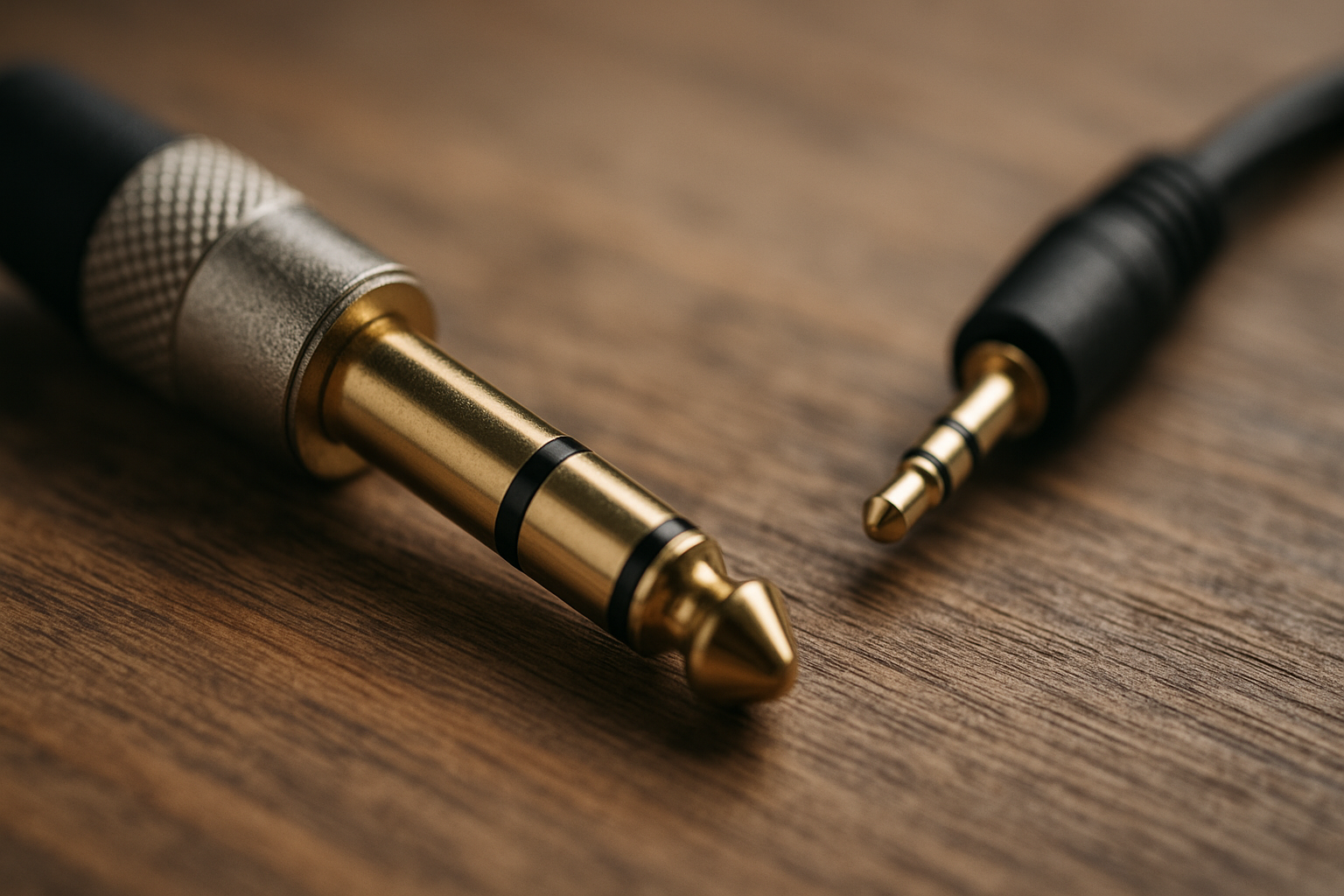
The 6.3 mm connector dates back to the late 19th century. Telephone operators used it in switchboards because it could take thousands of plugs and unplugs each day without breaking. When radio broadcasting and recording grew during the mid-20th century, studios adopted the same connector for reliability.
By the 1960s it had become the go-to option for mixing desks, amplifiers, and electric instruments, setting a pattern that continues today.
🎧 The 3.5 mm Mini Jack
The smaller 3.5 mm version arrived in the 1950s with portable transistor radios. When Sony launched the Walkman in 1979, this tiny jack suddenly became part of everyday life. Its small size fit portable devices perfectly, and it soon spread to laptops, phones, and handheld game consoles.
Even though many smartphones have moved to USB-C, the 3.5 mm connector still appears in digital audio players (DAPs) and gaming gear that require zero-latency audio.
Inside the Plug — TRS, TRRS, and Wiring Standards
🔌 Basic Layout
Both connector types use the same structure:
- TS (Tip-Sleeve) – mono, unbalanced; used for instruments.
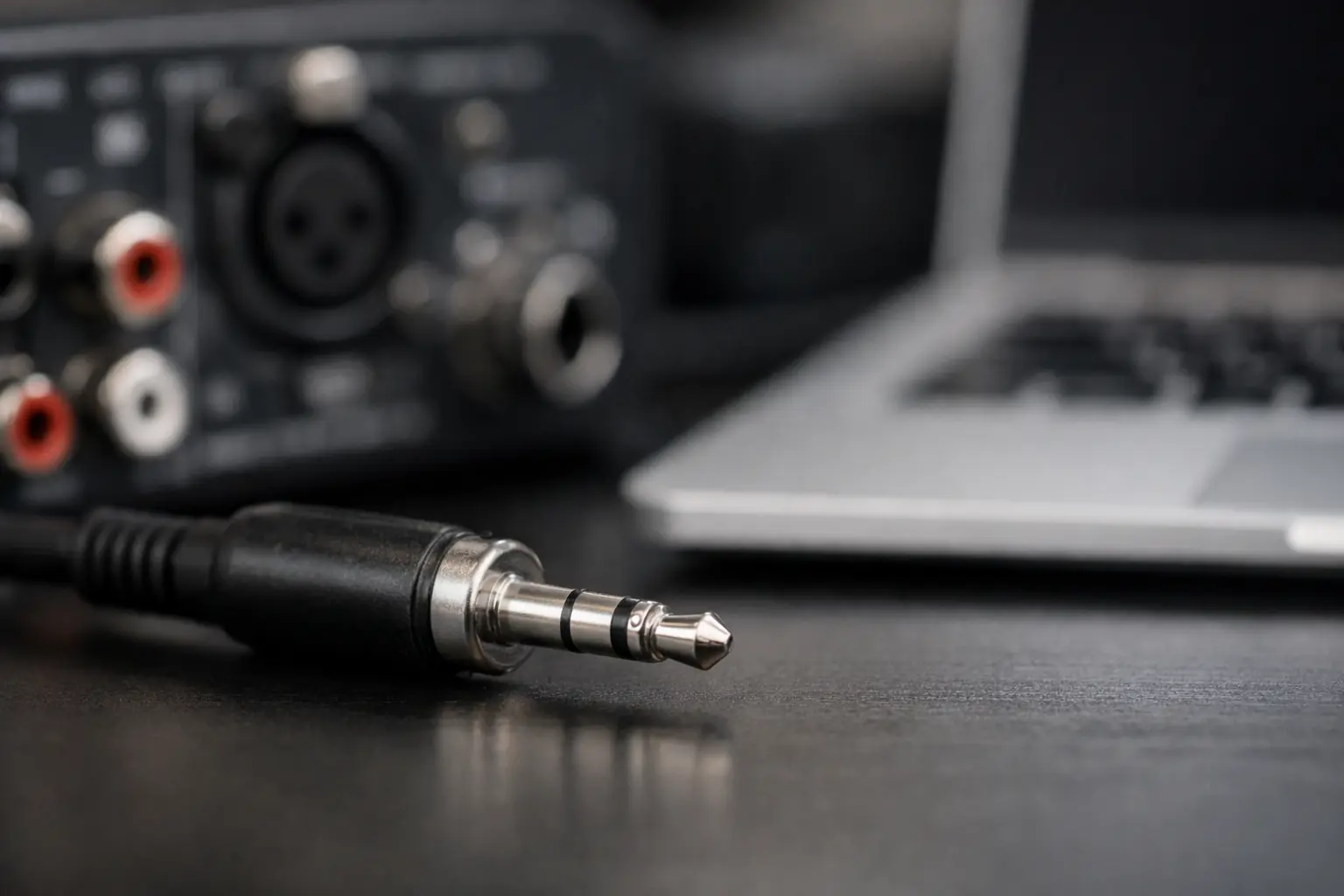
- TRS (Tip-Ring-Sleeve) – stereo or balanced mono; used in headphones.
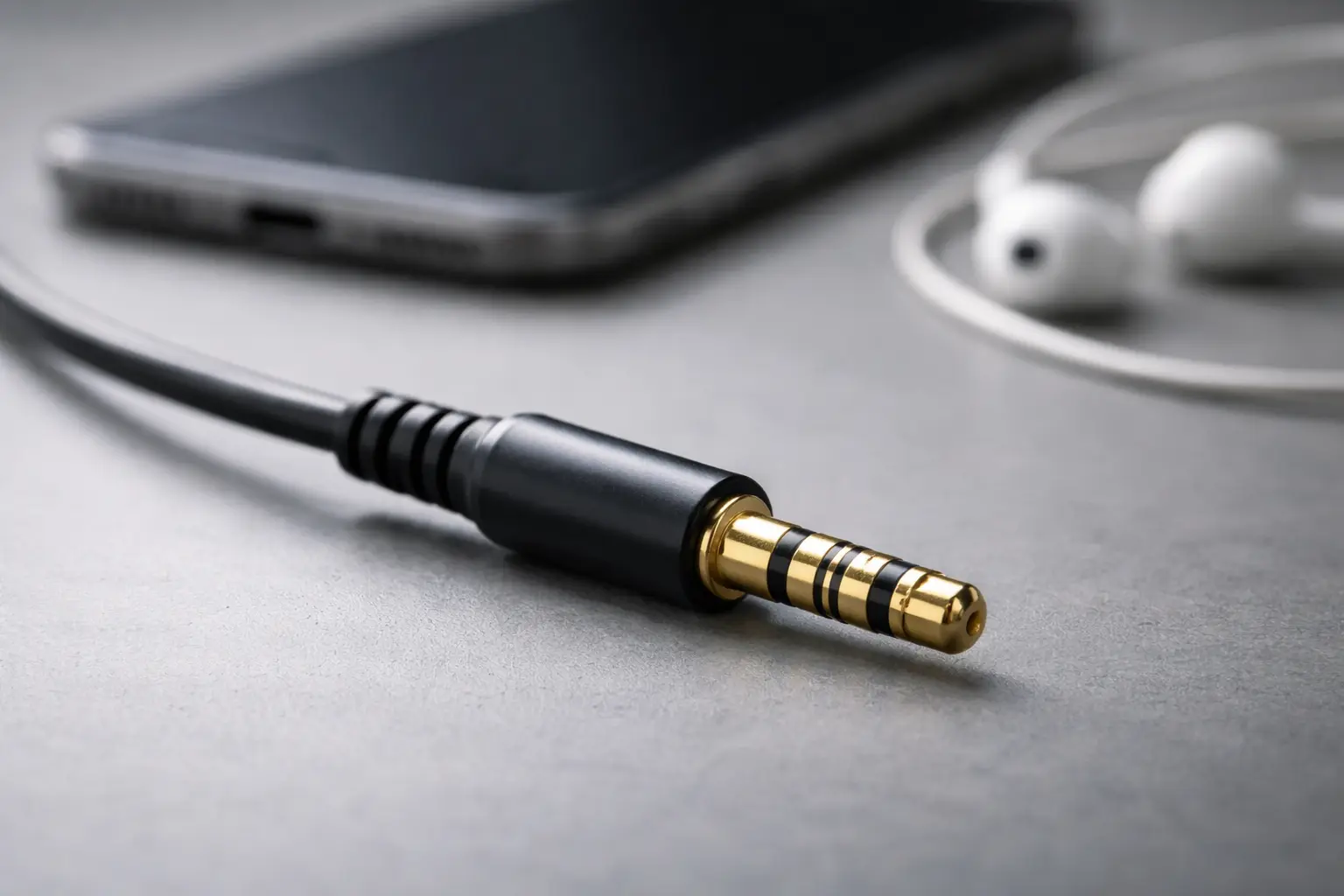
- TRRS – adds a mic or control channel; used in smartphones and headsets.
Some high-end systems use TRRRS or 4.4 mm Pentaconn for balanced stereo.
⚠️ CTIA vs OMTP
Two competing wiring schemes for TRRS plugs still exist.
- CTIA – used in nearly all modern phones; mic on sleeve.
- OMTP – older layout; mic on second ring.
If a product uses the wrong one, the mic or controls may stop working. Jingyi Audio keeps separate production runs for both standards to help OEMs avoid that headache.
🎚️ Balanced Audio
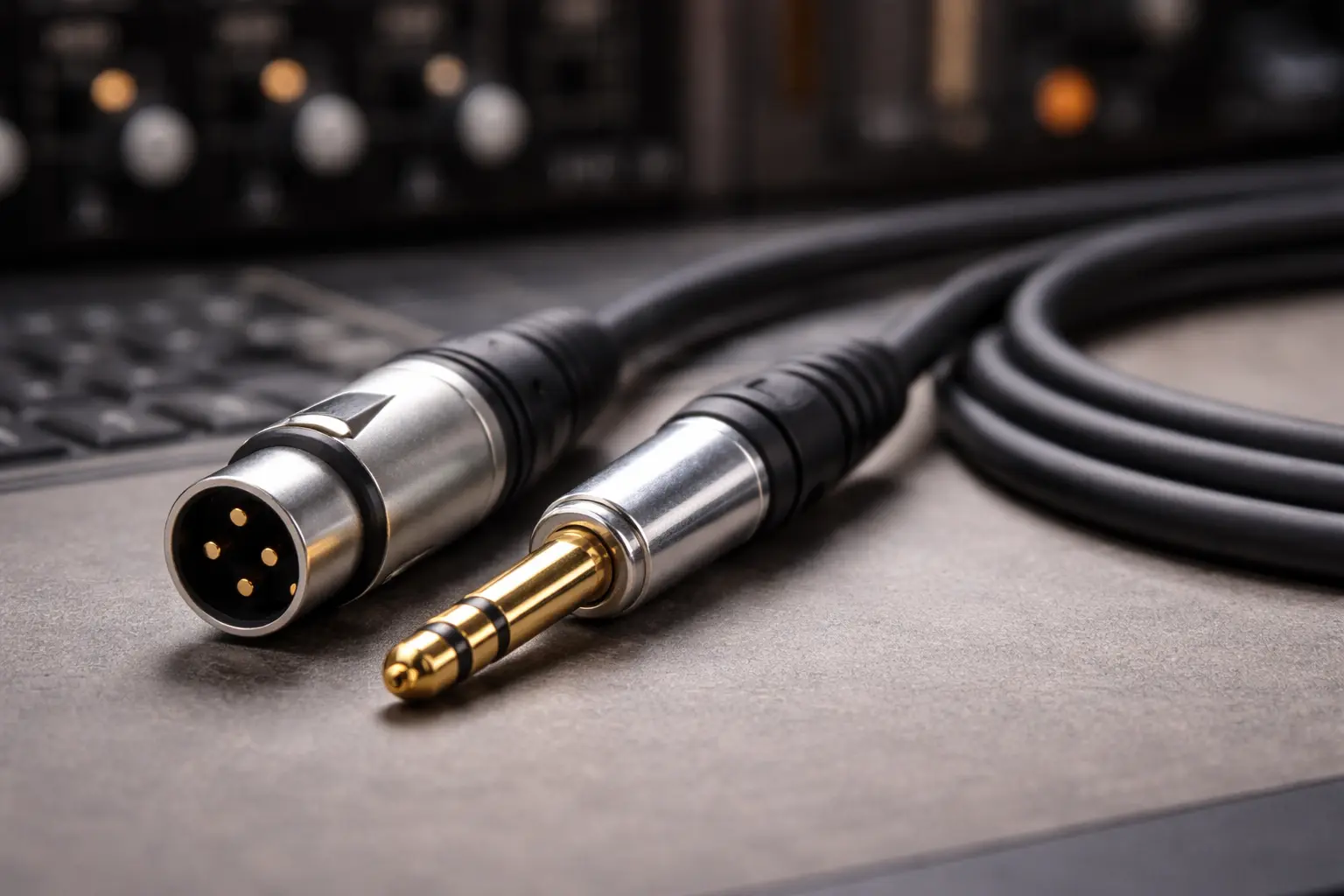
Balanced connections reduce hum and noise, which is why pro studios prefer them. A 6.3 mm TRS jack can carry a balanced mono signal, while smaller connectors usually carry stereo unbalanced sound. If your design needs long cable runs or quiet backgrounds, balanced TRS or XLR connectors are worth specifying.
Durability and Real-World Performance
🧱 Strength and Lifespan
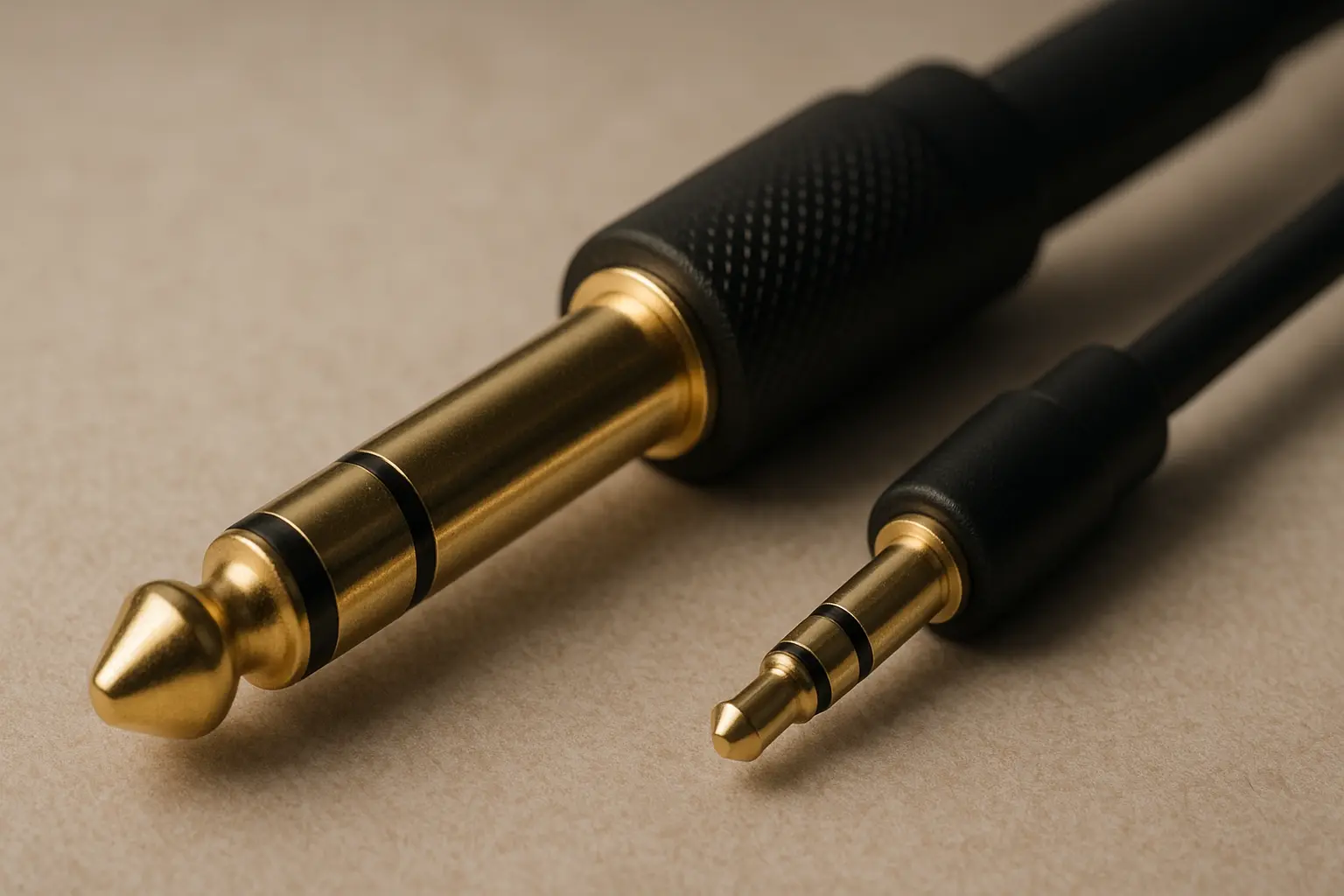
The biggest practical gap between 3.5 mm and 6.3 mm is strength.
Tests show:
- 6.3 mm connectors last 10,000 – 15,000 insertions.
- 3.5 mm connectors last 5,000 – 7,000.
That difference matters in rental, studio, or stage gear that’s plugged in daily.
On Reddit and Head-Fi, users often report that smaller jacks loosen or break after a year of heavy use, especially when plugged into devices that get moved around a lot. Larger plugs distribute stress better and rarely fail under normal studio conditions.
🎵 Sound Quality Myths
A well-built 3.5 mm connector sounds the same as a 6.3 mm one. Both carry analog signals; any audible difference comes from the source amplifier or a bad adapter, not from connector size.
Poor adapters made from soft metals create weak contact points and higher resistance. That can lead to pops, hiss, or slight volume imbalance. OEMs can avoid this by using phosphor-bronze or rhodium-plated contacts instead of cheap brass.
Who Uses Which — Consumer vs Professional Markets
📱 3.5 mm in Everyday Gear
Most phones, laptops, and handheld consoles rely on 3.5 mm jacks. They’re cheap, compact, and compatible with millions of existing cables. For mass-production OEMs, this connector still checks all the boxes for cost and size.
🎸 6.3 mm in Professional Gear
Studios, musicians, and sound engineers depend on 6.3 mm jacks. They handle thick cables, stay firm in their sockets, and work with every major instrument and amplifier on the planet.
A studio can’t afford connection failures mid-session, so this larger plug remains standard for anything labeled “pro.”
🔄 Adapters and Hybrid Designs
High-quality short-cable adapters are safer than rigid plug-to-plug types. They spread tension and reduce socket wear.
Some premium headphones now include both cable options—3.5 mm for travel and 6.3 mm for studio use.
Jingyi Audio builds molded strain-relief sections that cut adapter-related failures by roughly 40 percent compared with generic parts.
OEM Perspective — How Jingyi Audio Handles Both Standards
🏭 Company Overview
Jingyi Audio is a specialized OEM/ODM maker of connectors, cables, and custom assemblies for global audio brands. The company’s factories follow ISO 9001 and RoHS/REACH guidelines, serving clients across Los Angeles, Chicago, and New York supply routes.
⚙️ Two Production Lines
- Consumer 3.5 mm: high-volume runs up to 50 000 units, nickel + gold flash plating.
- Professional 6.3 mm: smaller runs, rhodium or heavy nickel plating for long life.
Both use phosphor-bronze contacts to maintain spring pressure through thousands of insertions.
📈 Verified Results
A U.S. studio-equipment brand cut connector-related returns by 32 percent after switching to Jingyi Audio parts. The cost increase was minimal—less than 3 percent per unit—but it nearly eliminated complaints about loose headphone jacks.
Jingyi’s vertical setup (from bulk cable extrusion to final assembly) keeps product variation low and speeds up delivery for B2B clients.
What People Say Online
- Reddit (r/headphones): Users often mention that sound differences are imaginary but durability isn’t.
- Head-Fi Forum: Many audiophiles recommend paying more for well-made adapters.
- Mobile01 and AndAudio: Posts from Asia analyze plug materials and plating thickness, proving that good metallurgy matters more than plug size.
- YouTube Channels: Reviewers such as DankPods and Crinacle now revisit wired headphones, noting that wired sound avoids delay and battery drain—good news for cable and connector OEMs.
U.S. OEM Trends and Logistics
🚢 Simplified Supply Chains
Many American audio brands now prefer to order complete cable + connector assemblies from one supplier instead of juggling multiple vendors. Jingyi Audio offers full assemblies with average 21–28 day shipping to West Coast ports.
📜 Compliance
Every connector ships with current RoHS, REACH, and California Prop 65 certificates. Material traceability files and conflict-mineral declarations are available for corporate and government clients.
📦 Order Flexibility
- MOQ: as low as 1 000 units for custom builds.
- Distribution Hubs: Los Angeles, Chicago, New York.
- Support: on-call engineering help for OEM design teams.
Looking Ahead — Balanced and Hybrid Connectors
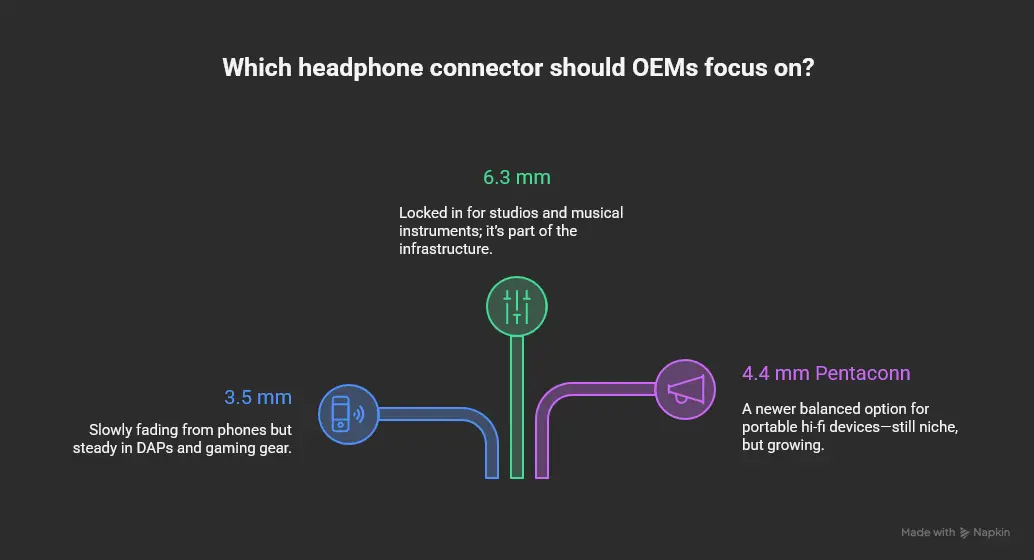
- 3.5 mm: Slowly fading from phones but steady in DAPs and gaming gear.
- 6.3 mm: Locked in for studios and musical instruments; it’s part of the infrastructure.
- 4.4 mm Pentaconn: A newer balanced option for portable hi-fi devices—still niche, but growing.
OEMs watching the headphone market may want to prepare tooling for 4.4 mm connectors while keeping 6.3 mm as their professional backbone.
Choosing the Right Connector
The 3.5 mm vs 6.3 mm question has no single answer.
- Use 3.5 mm when you need slim designs and mass-market compatibility.
- Choose 6.3 mm for professional products where failure isn’t an option.
- Partner with Jingyi Audio to design connectors built for your product’s real working conditions.
When you balance size, cost, and durability, you get better gear—and fewer warranty claims.
FAQs
Q 1: Does 6.3 mm sound better than 3.5 mm?
No. Both transmit analog signals the same way. Any difference comes from the amplifier or poor contact quality.
Q 2: Can I use an adapter safely?
Yes. Go for short-cable adapters made from solid brass or aluminum with gold or rhodium plating. Rigid plug-to-plug types stress the jack.
Q 3: Why do studios still use 6.3 mm plugs?
They last longer, fit existing equipment, and rarely fail even after thousands of uses.
Q 4: Which materials increase lifespan?
Phosphor-bronze contacts keep spring tension; nickel or rhodium plating prevents corrosion. Avoid bare brass.
Q 5: Does Jingyi Audio make both connectors?
Yes. Jingyi Audio produces 3.5 mm and 6.3 mm connectors and full cable assemblies with flexible minimum orders. Visit site_5615465d-0395-48c6-b01f-dc3d38213fc5 for details.
✅ Next Steps for Jingyi Audio
- Add internal links to Product and Contact pages.
- Upload an image comparing connector sizes.
- Use FAQ schema for Google rich results.
- Share excerpts on LinkedIn and r/headphones.
- Track the keywords: “3.5 mm vs 6.35 mm OEM connector” and “audio jack manufacturer USA.”