



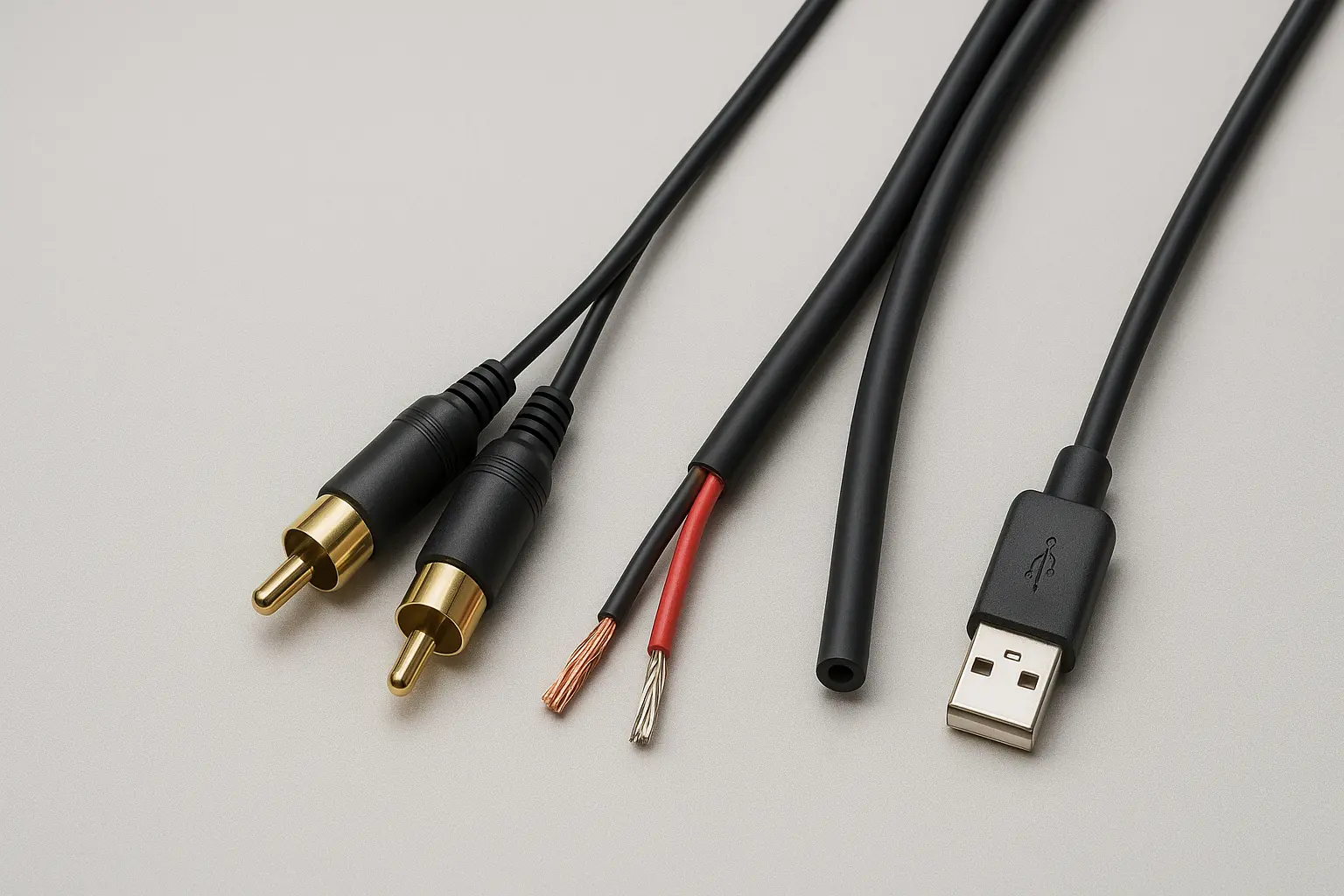
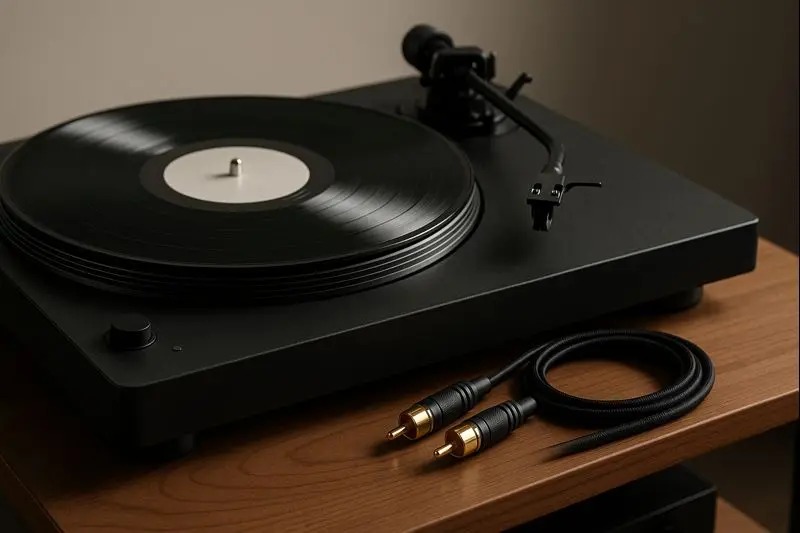
3.5mm vs RCA: What Really Matters for Audio Quality
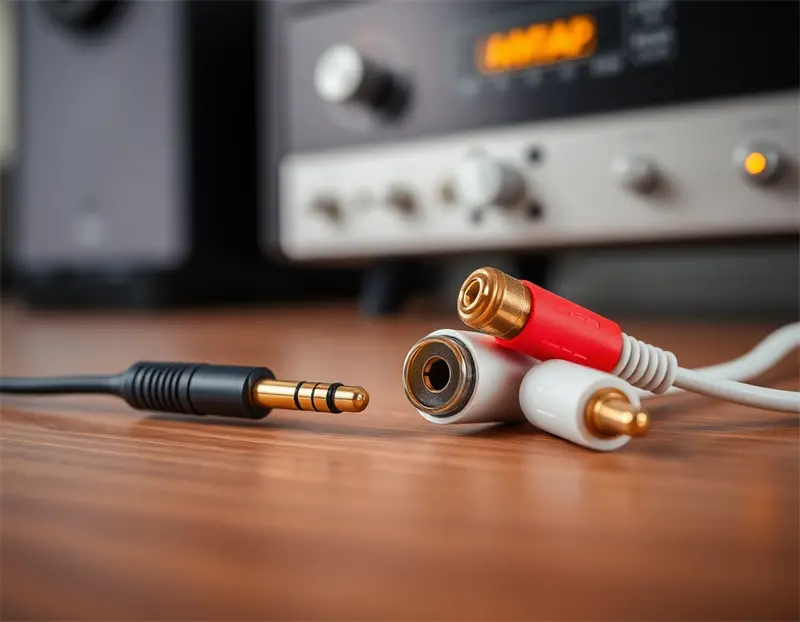
Key Takeaways
• The Audio Quality Myth: In the debate over 3.5mm vs RCA audio quality, the truth is that for most listeners, there is no audible difference. Both are unbalanced analog connections, and the connector shape does not inherently change the sound.1
• The Source is Everything: The most critical factor affecting your sound is the device's output. A noisy, amplified Headphone Out (common on PCs and phones) will always be a bottleneck compared to a clean, dedicated line-level output from a DAC or Hi-Fi component.3
• Durability vs. Convenience: RCA connectors are physically robust, making them the superior choice for permanent home theater and subwoofer setups. The 3.5mm jack offers universal convenience but is a well-known point of mechanical failure over time.1
• PC Noise Explained: That annoying buzz from your computer speakers is rarely the cable's fault. It's typically electrical interference from inside the PC case. The most effective solution is an external DAC (Digital-to-Analog Converter) from a brand like Schiit or FiiO.6
You just brought home a fantastic new sound system from Best Buy for your Chicago home office. After unboxing it, you pause, holding two different cables and staring at two different ports. This brings you to a question that has fueled countless internet forums: in the battle of 3.5mm vs RCA, which one will deliver the best audio quality?
The web is filled with heated debates on this topic, but here’s the secret: this entire argument is focused on the wrong thing.
Choosing between 3.5mm and RCA is rarely a decision about sonic fidelity. It's a practical choice that hinges on three crucial, often-overlooked factors: the purity of your audio source, the physical demands of your setup, and the specific job you need the connection to perform. This guide will cut through the myths and show you what really counts.
3.5mm vs. RCA at a Glance: A Comparison Table
|
Feature |
3.5mm Connector |
RCA Connector |
|
Common Names |
Mini-jack, Headphone Jack, AUX |
Phono Connector, Cinch |
|
Signal Type |
Unbalanced Analog 7 |
Unbalanced Analog 7 |
|
Primary Use Case |
Portable devices, headphones, laptops 8 |
Home Hi-Fi, home theater, subwoofers 7 |
|
Durability |
Lower; prone to wear and tear 1 |
Higher; robust and secure connection 5 |
|
Stereo Connection |
Single plug (TRS/TRRS) 7 |
Two separate plugs (Left/Right) 7 |
|
Noise Rejection |
Susceptible to interference, shared ground 5 |
Better channel separation, less crosstalk 9 |
|
Convenience |
High; compact and universal 7 |
Lower; bulkier, requires two cables 7 |
The Sound Quality Myth: Unbalanced Signals and Snake Oil
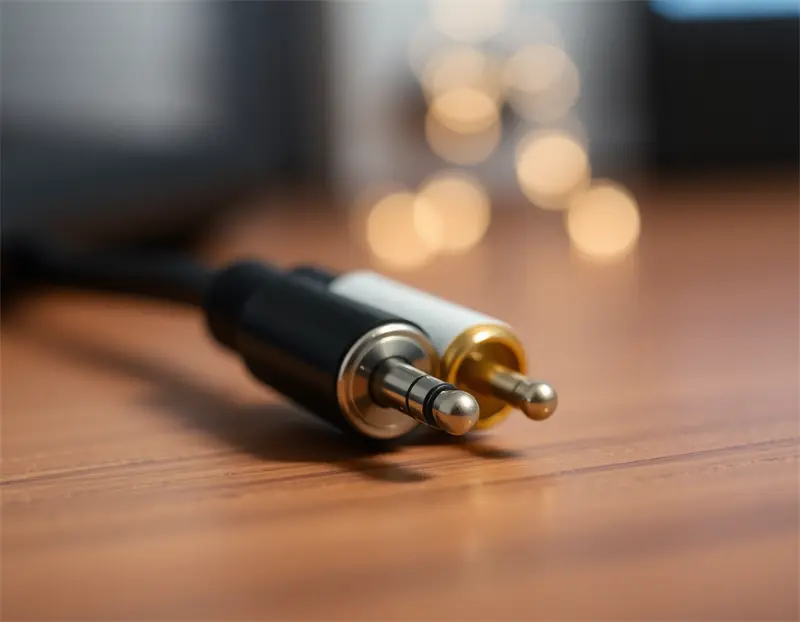
Let's address the biggest misconception in the 3.5mm vs RCA audio quality debate. Both 3.5mm and RCA cables are designed to transmit unbalanced analog signals. In an unbalanced connection, the audio signal travels down a center conductor while a second wire, the ground, serves as a reference. This ground wire also acts like an antenna, making it susceptible to picking up electrical noise (EMI) and radio frequency interference (RFI).10
Because both cable types share this fundamental design, neither has an inherent advantage in sound quality under normal conditions. This isn't just theory; it's the overwhelming consensus across audio forums like Head-Fi and Audio Science Review. From casual listeners to professional studio engineers, the verdict is clear: with a decently constructed cable of a reasonable length, any sonic difference is imperceptible to the human ear.1 As one studio engineer perfectly summarized it, "The cables used to record your favorite songs are often just standard cables—the connector isn't what matters".2
This truth extends to the world of expensive "audiophile" cables. While good shielding is important for preventing interference, spending hundreds on premium cables is a classic case of diminishing returns.12 Brands like
AudioQuest build high-quality products, but for 99% of users, a well-made, properly shielded cable from a reputable budget brand will perform identically.14 If you think you're hearing a significant difference, the cause is almost certainly somewhere else in your audio chain.
Headphone Out vs. Line Out Explained: The Source of Truth
Here is the core of the issue, the detail that explains nearly every complaint about "bad sound quality." People aren't just comparing two cables; they are unknowingly comparing two completely different types of audio signals: a headphone output and a line-level output.
Why Impedance Mismatch Ruins Your Sound
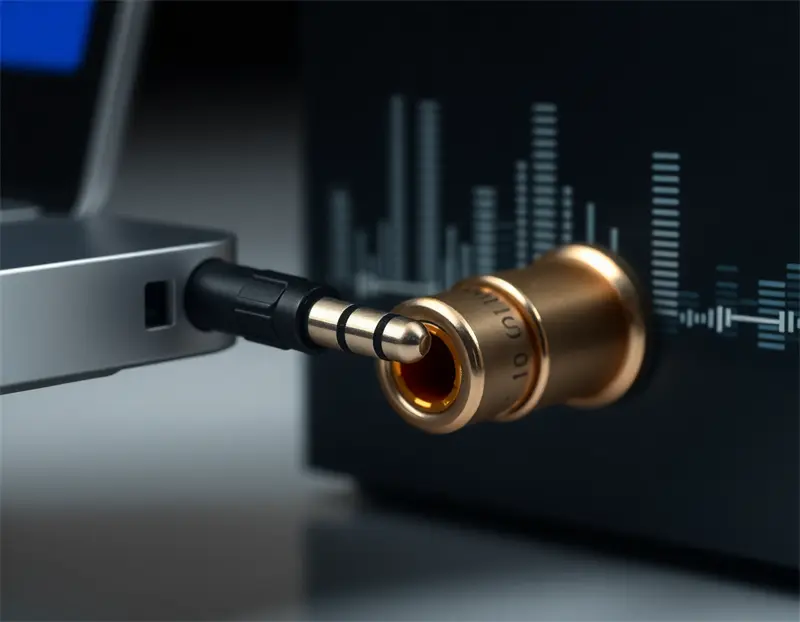
The 3.5mm jack on your phone, laptop, or PC is a headphone output. It contains a small, built-in amplifier designed to drive the low impedance of typical headphones. It's pushing out a signal that has already been amplified, ready for your ears.
A line-level output, conversely, sends a clean, unamplified signal at a standard voltage. This is the signal that comes from a dedicated DAC, a CD player, or a turntable's preamp. It is meant to be sent to an external amplifier or receiver for processing.
When you connect a headphone output to a line-level input (like your phone's 3.5mm jack to your stereo's RCA inputs), you create an impedance mismatch. As one audio engineer on Reddit explained, this results in "dull and somewhat undefined low frequencies".3 You're essentially amplifying a signal that has already been amplified, which can introduce distortion and noise.
Your PC's Internal Chaos is Killing Your Audio
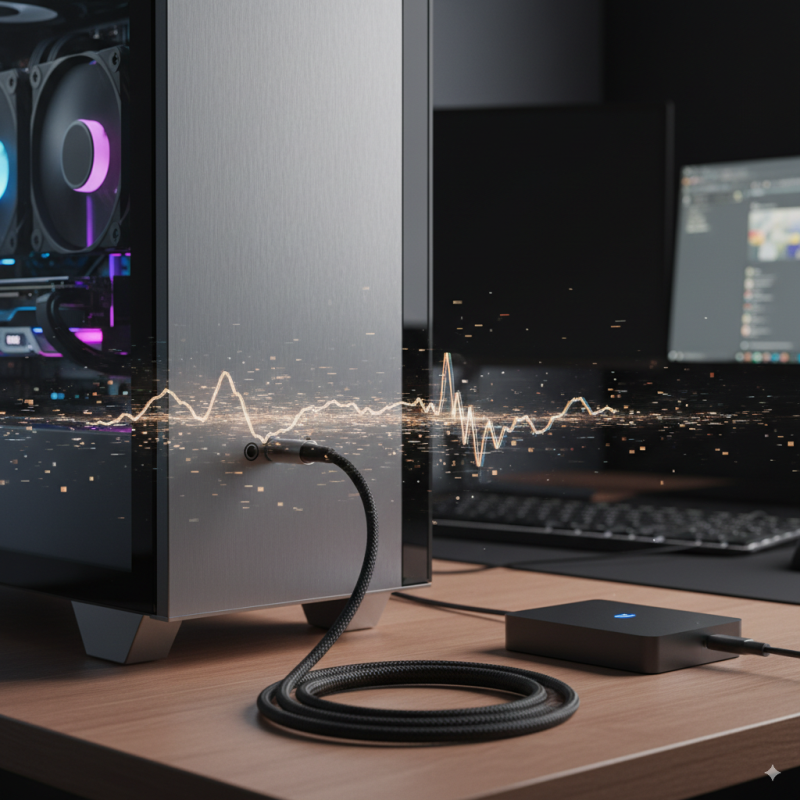
PC gamers in Austin and remote workers across the country know this pain: that persistent electrical buzz or digital hum coming through your speakers. It often changes pitch when you move your mouse or when your graphics card spins up.
This noise is not a sign of a bad cable; it's a symptom of a noisy computer. Onboard 3.5mm jacks, especially those on the front panel, are notorious for picking up electromagnetic interference from the high-powered components packed inside.6 The fix isn't a fancier cable—it's to bypass your PC's electrically chaotic internal sound card entirely with an
external USB DAC. Even an inexpensive device like the $9 Apple USB-C adapter can work wonders, while dedicated DACs from brands like Schiit (e.g., the Modi) or FiiO (e.g., the E10K) provide a massive upgrade by creating a clean, interference-free signal path.15
Durability: Why RCA is King for Home Theater and Subwoofers
When it comes to physical reliability, especially for permanent installations, RCA is the undisputed champion.
RCA connectors are built like tanks. Their larger contact area and robust design create a secure, stable connection that can last for decades. They are perfect for the "set it and forget it" home theater in your Miami condo or the stereo in your Dallas apartment that you wire up once and never touch again.1
The 3.5mm jack, on the other hand, has a well-known Achilles' heel: the tiny internal spring contacts that grip the plug. They are fragile by design and prone to wear and tear. One Head-Fi user aptly called 3.5mm jacks "money makers for repair shops," noting that their failure is a matter of "when, not if".1
This durability difference is especially critical for home theater and subwoofer connections. Subwoofers, in particular, require a clean, stable, low-frequency signal. A loose or corroded 3.5mm connection can introduce hum or signal dropouts, degrading bass performance. Using a dedicated, well-shielded subwoofer RCA cable ensures a tight connection that won't degrade over time, preserving the integrity of the low-frequency effects (LFE) channel.17 While a 3.5mm to RCA cable is safe to use with a subwoofer, the RCA-to-RCA connection is the professional standard for a reason: it's simply more reliable for this demanding application.
Recommended Cables (That Won't Break the Bank)
You don't need to spend a fortune to get great performance. Here are some recommended cables that offer excellent value and reliability, based on user reviews and expert consensus.
• Best Budget 3.5mm to RCA: Hosa Stereo Mini-to-RCA Cable
Praised on sites like Crutchfield for its durability and clean signal transmission, Hosa cables use oxygen-free copper (OFC) conductors and durable nickel-plated plugs. It's a no-nonsense choice that gets the job done reliably for under $15.18
• Best Budget RCA to RCA: Mediabridge ULTRA Series Subwoofer Cable
Frequently recommended on Reddit for subwoofer connections, this cable features dual shielding and gold-plated connectors to protect against interference, making it ideal for longer runs near power cords. It's an affordable way to ensure clean, powerful bass.17
• A Worthy Upgrade: AudioQuest Evergreen
If you want to step up in build quality without entering "snake oil" territory, the AudioQuest Evergreen series is a solid choice. It features solid Long-Grain Copper conductors and cold-welded connectors, which are design choices aimed at reducing distortion. It's a premium-feeling cable for those who appreciate fine engineering.19
Real-World Setup Guide: Picking the Right Cable in the US
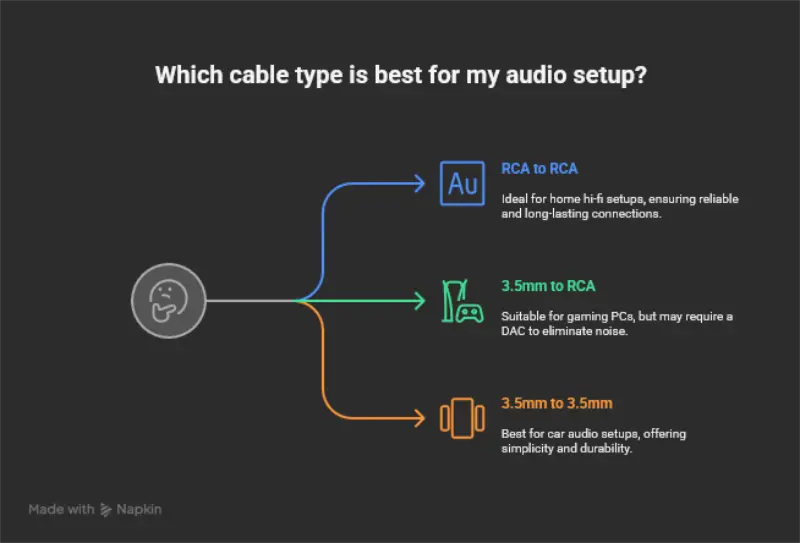
Let's apply this knowledge to practical scenarios that American audio fans encounter every day.
The Home Hi-Fi Setup in California
• Your Gear: A U-Turn Orbit turntable connected to a Schiit Mani preamp, feeding into a Yamaha A-S301 amplifier in your Bay Area apartment.
• The Right Choice: RCA to RCA, without question. This is the industry standard for home audio. You are correctly matching line-level signals, ensuring maximum reliability, and building connections that will last for decades.5
The Gaming PC in New York
• Your Gear: A custom gaming rig connected to powered Klipsch ProMedia speakers in your Manhattan studio.
• The Right Choice: Start with a well-shielded 3.5mm to RCA cable from your motherboard's rear audio port (never the front one).6If you hear a 60Hz hum (the signature of the US power grid) or digital static, upgrade immediately to an
external USB DAC.6
The Ford F-150 Commuter Setup
• Your Gear: A smartphone connected to the factory AUX input for your Houston-to-Dallas commute.
• The Right Choice: A simple, durable 3.5mm to 3.5mm cable. Look for one with reinforced ends. If you hear engine whine while charging, a sub-$15 ground loop isolator will almost certainly fix it instantly.
FAQs About RCA and 3.5mm Audio Quality
• Q: Does RCA sound better than 3.5mm?
A: No. In terms of pure audio quality, both connector types perform equally well under normal conditions. The perceived difference in sound almost always comes from the source device's output (Headphone Out vs. Line Out), not the cable itself.1
• Q: Do 3.5mm to RCA adapters hurt audio quality?
A: A simple passive adapter does not inherently degrade the audio signal. However, if you are adapting a low-quality headphone output, the signal going into the adapter is already compromised. For best results, keep the source volume at 80-90% to avoid distortion.21
• Q: Is it safe to use a 3.5mm to RCA cable for a subwoofer?
A: Yes, it is perfectly safe. However, for a permanent home theater setup, a dedicated RCA-to-RCA subwoofer cable is recommended because it provides a more durable and secure connection, which is important for maintaining a clean bass signal.17
• Q: Are gold-plated connectors better?
A: Gold's primary benefit is corrosion resistance, which is great for longevity, especially in humid climates. It does not audibly improve sound quality compared to other clean, quality connectors.22
• Q: What is a ground loop and how do I fix the hum?
A: That 60Hz hum is often a ground loop, which occurs when audio components are plugged into different electrical outlets. A ground loop isolator, available on Amazon for under $15, is a cheap and effective device that breaks the problematic electrical connection and usually eliminates the hum immediately.
Sources
1. Audio Science Review. (n.d.). Is there an audible/measurable difference between RCA and 3.5mm connection?https://www.audiosciencereview.com/forum/index.php?threads/is-there-an-audible-measurable-difference-between-rca-and-3-5mm-connection.24028/
2. Head-Fi. (2018). 5mm vs RCA output - any difference?https://www.head-fi.org/threads/3-5mm-vs-rca-output-any-difference.895103/
3. Reddit. (n.d.). 3.5mm to RCA vs RCA to RCA.r/audioengineering. https://www.reddit.com/r/audioengineering/comments/46t4lg/35mm_to_rca_vs_rca_to_rca/
4. GeekMusician. (n.d.). RCA vs 3.5mm: Does it Really Matter for Audio Quality?https://geekmusician.com/rca-vs-3-5mm/
5. Sound on Sound. (2014). Jack or RCA, is one better than the other?https://www.soundonsound.com/forum/viewtopic.php?t=40032