


Audio Interconnect Cable Mastery: A No-Drama Guide (2025) to Cleaner Sound + Smarter OEM Sourcing
Key Takeaways
If you’re hearing hum, buzz, or radio noise, the fix is usually shielding, grounding, or cable routing, not “secret tone.” Balanced XLR/TRS is the safer choice for long runs and messy electrical environments, while RCA is often fine for short home setups. Capacitance matters more with phono and passive guitar pickups than with modern line-level gear. Real user stories keep repeating: quiet instrument swaps, breakaway safety, ground-loop hum, and active bass battery drain when a plug stays in. For OEM buyers, “good cable” also means consistent build quality, QC proof, and stable shipping options.
Intro
If you’re shopping for an audio interconnect cable, you’re really trying to avoid a few annoying problems: noise, crackles, and dropouts. This guide keeps things straight. You’ll get simple rules for RCA vs XLR, a quick way to track down hum, and an OEM-friendly spec framework. You’ll also see real-world lessons based on the kinds of issues people talk about in reviews and forums. For the manufacturing side, I’ll use JINGYI (site_5615465d-0395-48c6-b01f-dc3d38213fc5) as a reference point for how interconnect programs are often built for brands and distributors.
1. What Is an Audio Interconnect Cable
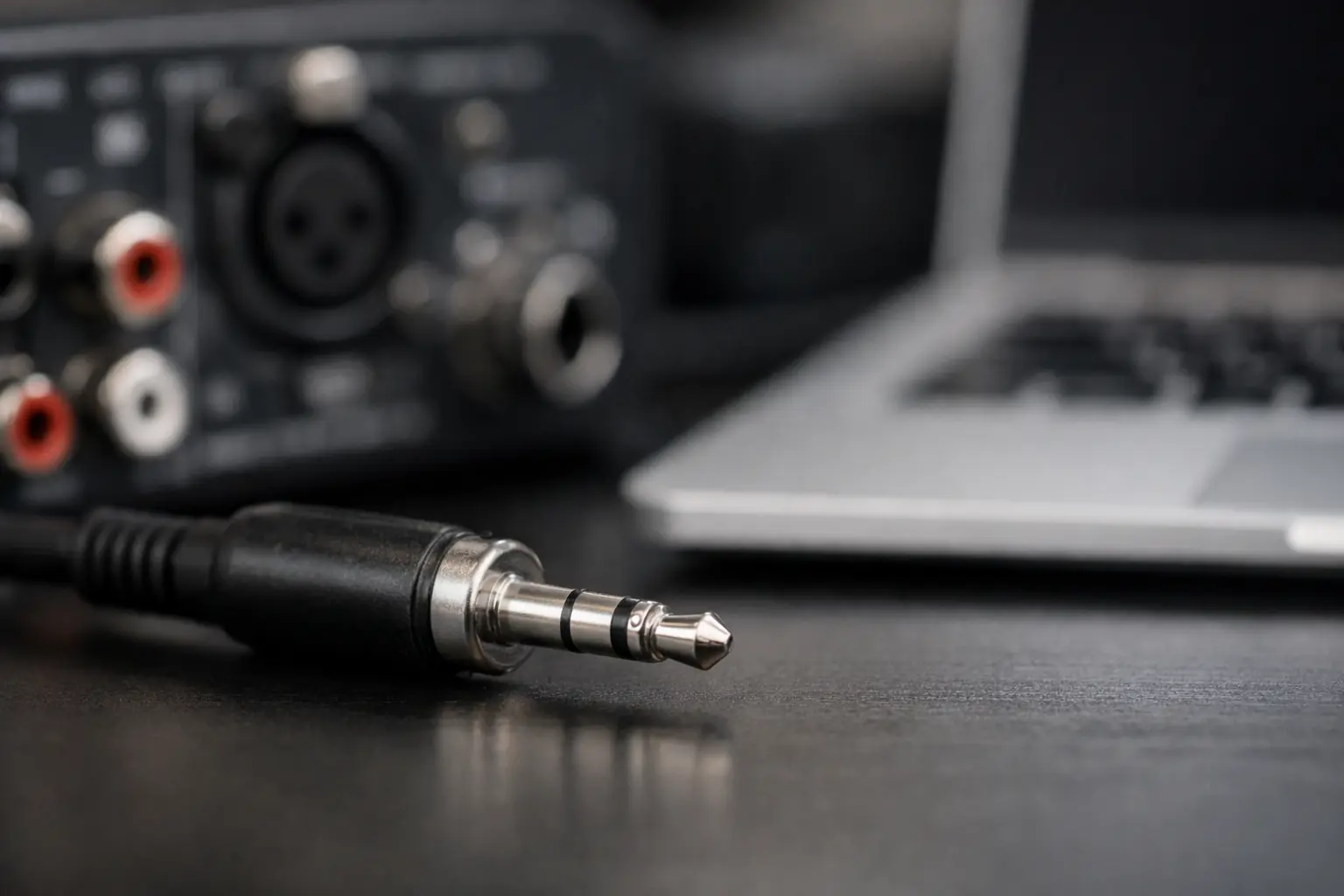
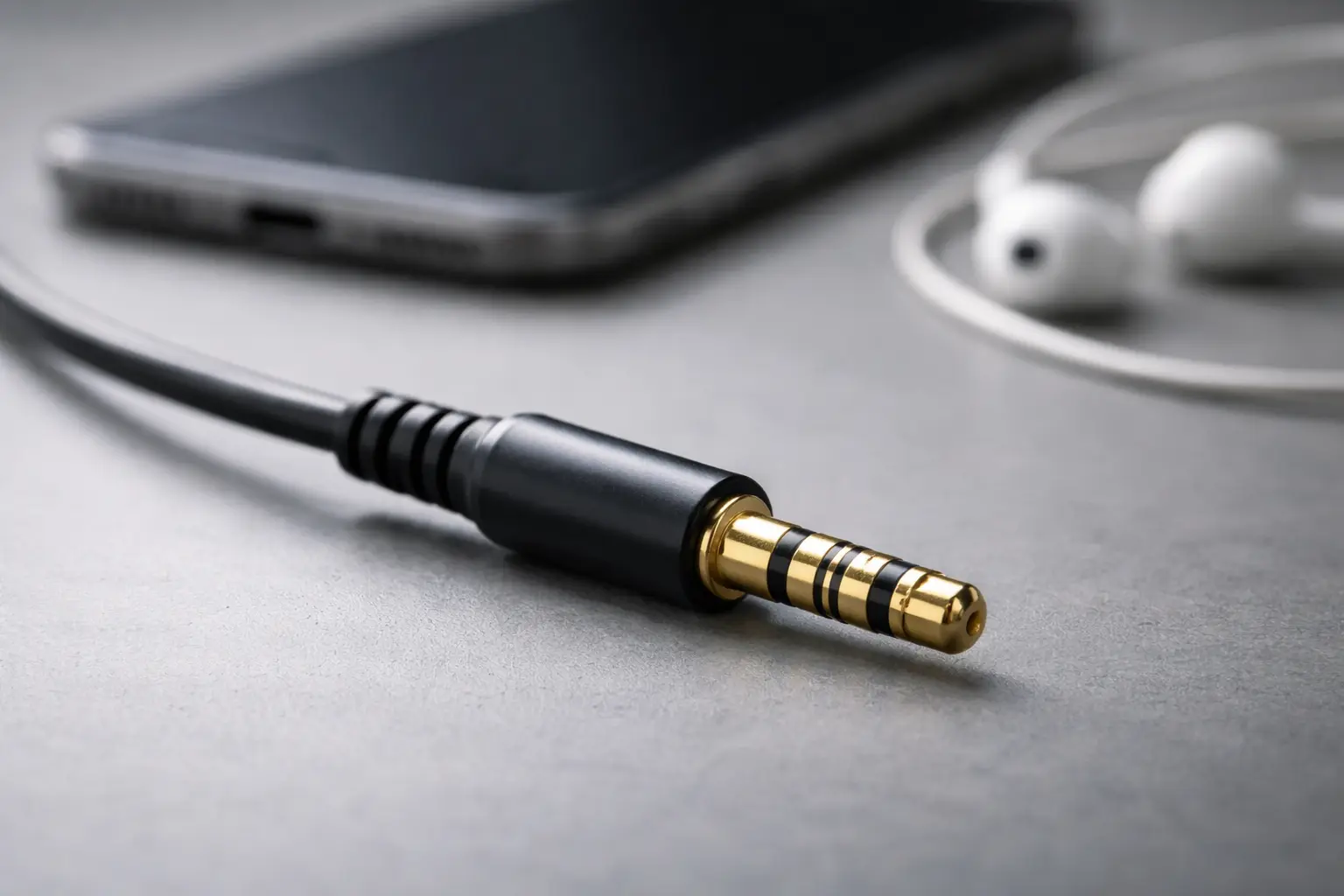
An interconnect is the cable that carries analog line-level audio between devices such as a DAC and an amplifier, a mixer and powered speakers, an audio interface and studio monitors, or a preamp and a recorder. Interconnects don’t “add” detail, but they can cause problems when something’s off. The most common issues come from interference like hum and buzz, intermittent contact that creates crackle or sudden dropouts, and stress damage from weak strain relief or tired solder joints.
1.1 Interconnect vs Speaker Cable vs Digital Cable
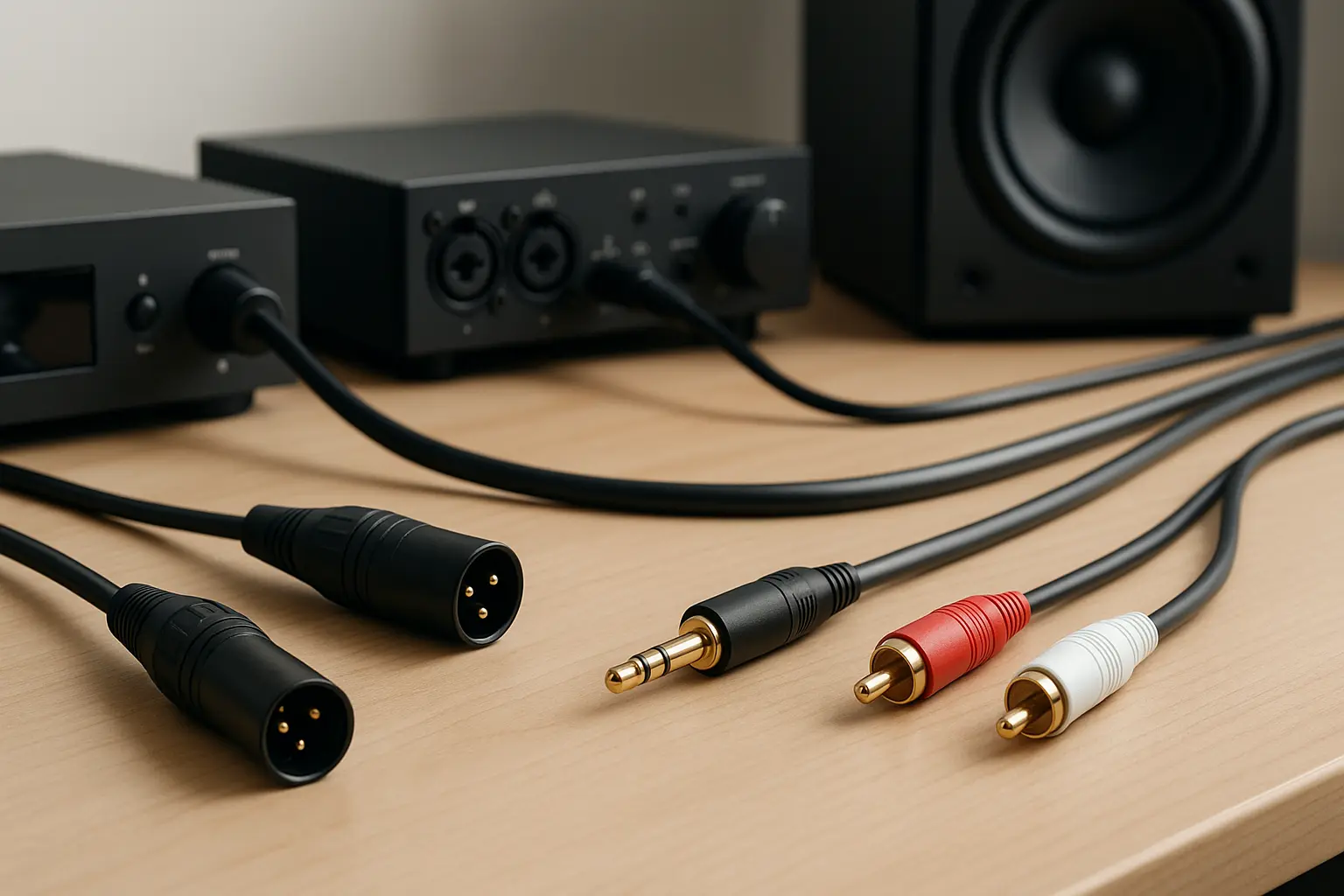
An analog interconnect carries a small signal, so shielding and grounding matter a lot. A speaker cable carries high current, so gauge and durability matter more than shielding in most cases. A digital cable depends on the protocol, and trouble usually shows up as dropouts or instability rather than a subtle tonal shift.
2. The 3 Enemies: Resistance, Capacitance, and Interference
When interconnects go wrong, it’s usually resistance, capacitance, interference, or a mix of all three.
2.1 Resistance (R)
For short line-level interconnects, resistance usually isn’t the main issue unless the cable is damaged, the conductor is poor, or a solder joint is weak. If a cable crackles when you wiggle it near the connector, that’s often a mechanical or solder problem rather than anything to do with “copper purity.”
2.2 Capacitance (C)
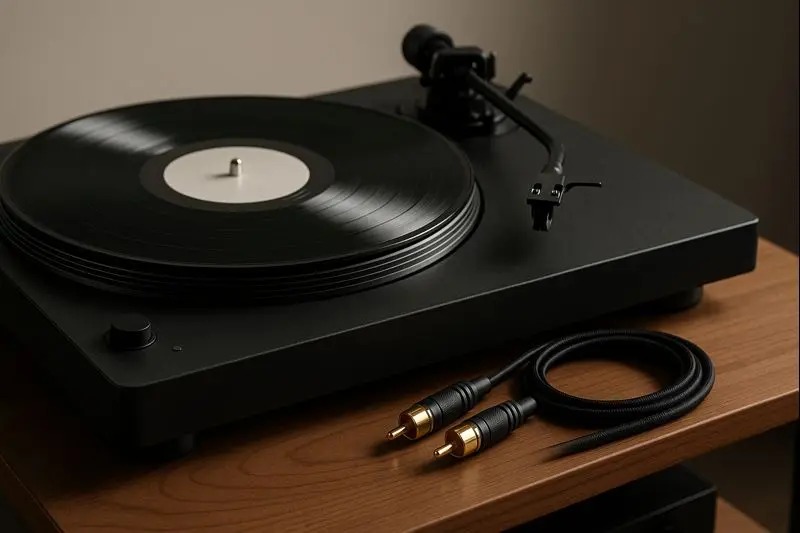
Capacitance matters most when the source has high output impedance because it can act like a gentle low-pass filter. Most modern line outputs are low impedance, so capacitance usually doesn’t create big audible changes. Phono and passive guitar are different, which is why those communities talk about cable behavior so much.
2.3 Interference (EMI/RFI)
Interference is where most real headaches come from. Power bricks and wall-warts, lighting dimmers, transformers, routers, and RF-heavy spaces can all inject noise into the signal path. Problems usually improve when you use balanced connections, choose the right shielding geometry, route audio away from power, and troubleshoot ground loops safely.
2.4 When Capacitance Really Matters: Phono + Passive Guitar
Phono cartridges produce tiny signals and are sensitive to loading. Passive pickups are high impedance and can lose high-end when cable capacitance rises. If you’ve ever heard a guitar sound dull after adding a long cable, capacitance is often the reason. It’s basic electronics, not a mystery.
3. Balanced vs Unbalanced: XLR/TRS vs RCA
You can make this decision without overthinking it. Balanced XLR or TRS is usually the right move for long runs and for spaces where power cables, lighting, or RF noise are hard to avoid. RCA is often perfectly fine for short home hi-fi runs and simple setups, especially when routing is clean and devices play nicely together. Subwoofer runs that cross a room can work with RCA, but the odds of hum can go up, so balanced becomes attractive if the gear supports it. When your gear only has RCA, a well-built RCA cable with a coax-style structure and solid shielding is generally the most practical approach.
3.1 Why Studios Default to Balanced
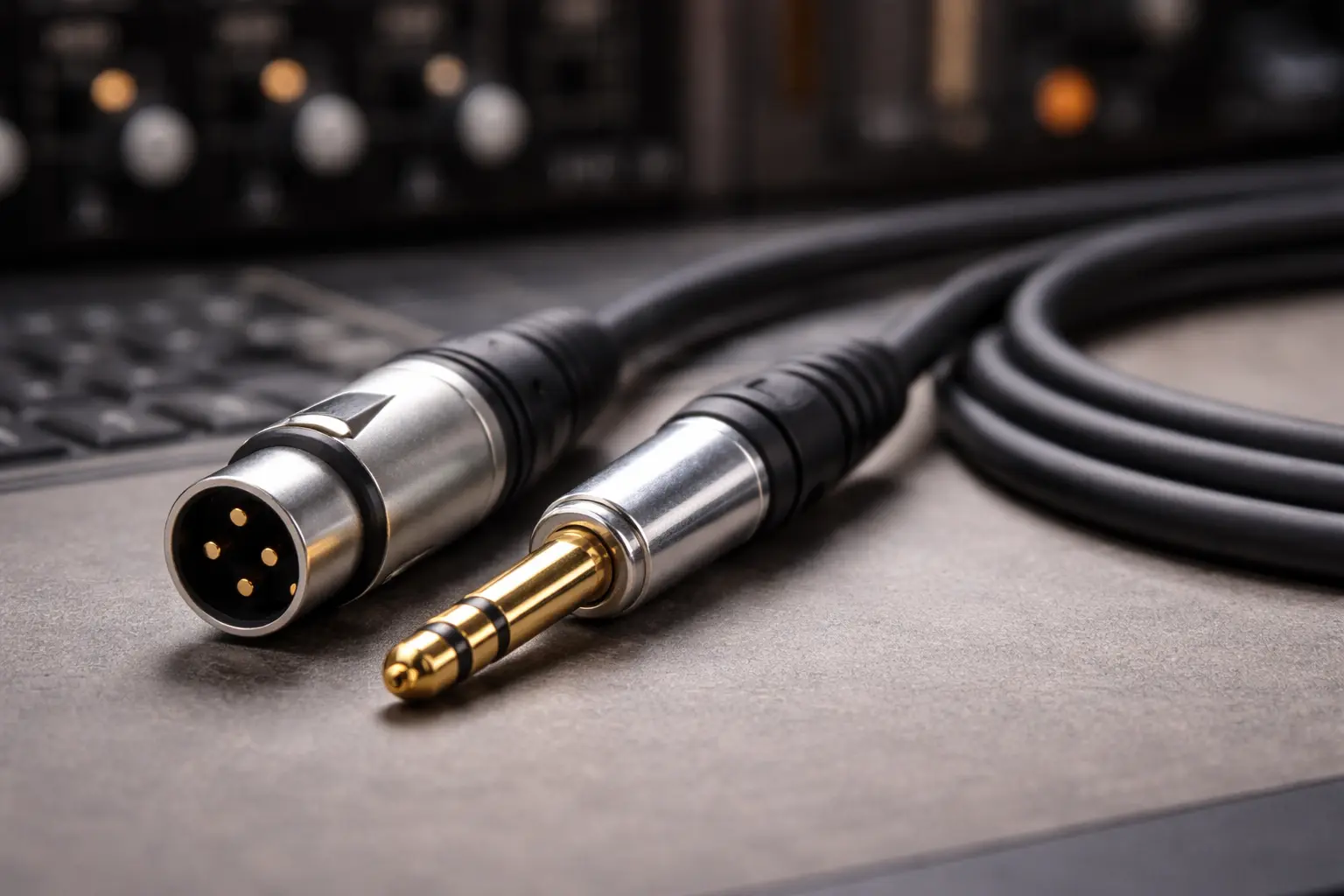
Balanced lines carry the same signal on two conductors with opposite polarity. Noise tends to hit both conductors in a similar way, and the receiver cancels much of it. That’s why XLR is the safe, boring choice in pro audio, and boring is good when you’re trying to keep sessions quiet and consistent.
3.2 Home Audio Reality: RCA Works—Until Hum
RCA is common in hi-fi and often works perfectly. When it doesn’t, the most common complaint is ground-loop hum: a steady low-frequency hum that changes when you move power plugs around, add another device, or connect a TV, cable box, or computer to the same system.
4. Shielding & Geometry: Coax, Twisted Pair, Braided vs Spiral
Cable construction decides how noise gets in or stays out.
4.1 RCA Often Works Best with Coax Geometry
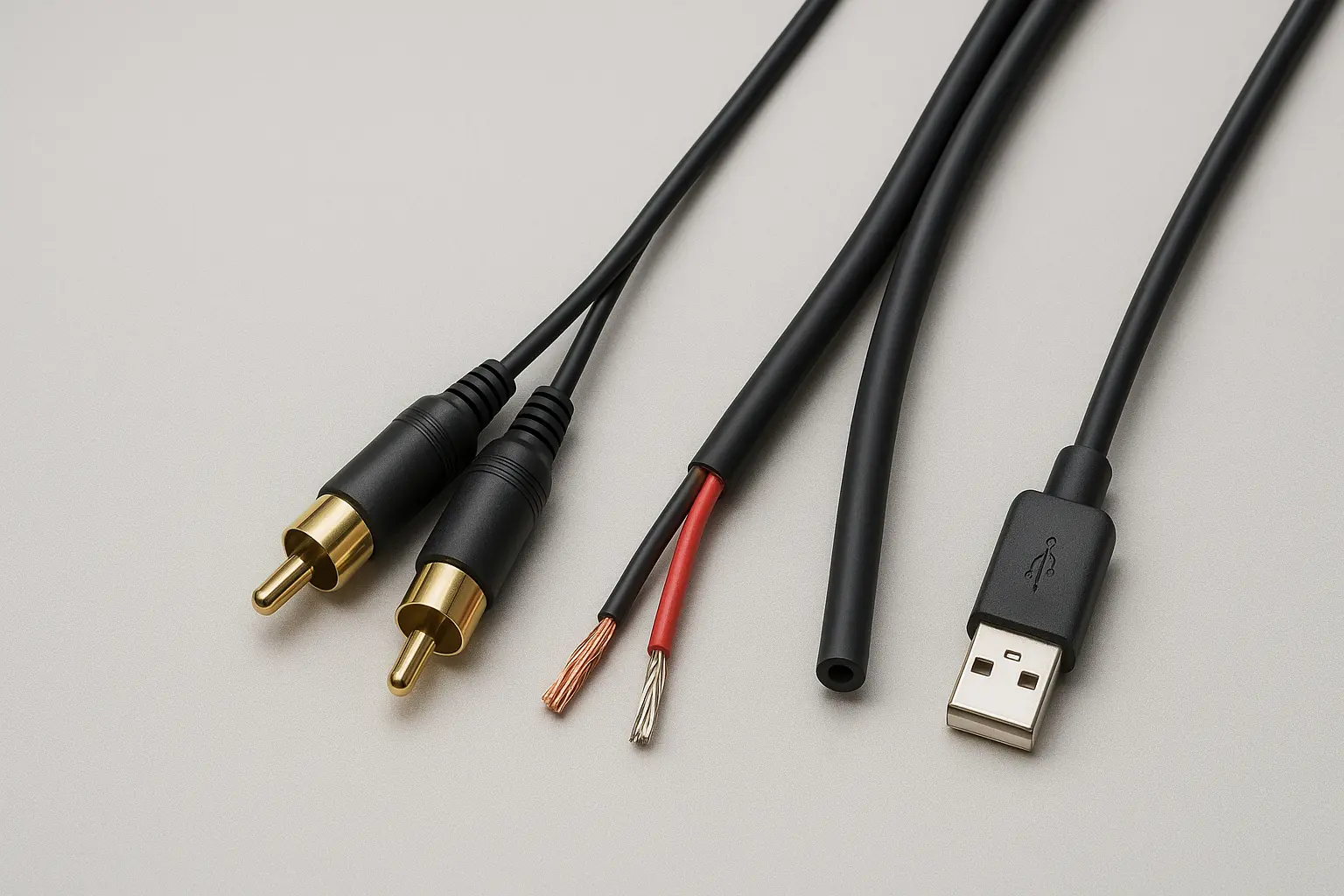
For unbalanced RCA, coax is a common design choice because it places the signal conductor in the center and wraps a shield around it. This structure helps block interference and gives a stable return path.
4.2 Balanced Lines Often Use Twisted Pair
Balanced XLR/TRS cables often use twisted pair. Twisting helps both conductors “see” similar interference, which helps the receiving device cancel noise more effectively.
4.3 Braided vs Spiral Shield
Braided shields tend to be tougher and hold up well to rough use, while spiral shields are often easier to coil and more flexible, which is why they’re common in instrument cables. Foil with a drain wire shows up in some install-style builds. There isn’t one universal best option because a stage cable gets stepped on, yanked, and wrapped fast, while a rack cable might sit untouched for years.
4.4 Handling Noise and “Triboelectric” Issues
If a cable crackles when it moves, you may be hearing handling noise. Instrument cable designs often use materials and layers to reduce that. For pedalboards and stage rigs, “quiet while moving” is a real quality marker.
5. Real-World Cases People Actually Talk About
Generic “XLR vs RCA” posts all sound similar. Real setups don’t, and the same practical problems show up again and again.
5.1 Case: Quiet Swaps + Breakaway Safety (Snap-Style Systems)
Reviews and discussions around snap or breakaway systems often mention faster instrument changes, fewer loud pops, and less fear of ripping out a jack during a show. Users also point out trade-offs like a stiffer feel, strong coupling that takes getting used to, and occasional unexpected disconnect at extreme angles. The simple takeaway is that stage gear is always a balance between quick-release safety and absolute lock-in security.
5.2 Case: Ground-Loop Hum in Studio Setups
A common story is that someone connects an interface to monitors and hum appears. Cable swaps might change the hum but don’t fully solve it. Often the fix isn’t buying something pricier. The fix is switching to balanced, moving audio lines away from power, putting audio gear on the same power strip, or adding a safe isolator when needed.
5.3 Case: Active Bass Battery Drain (Plug Left Inserted)
Bass forums often warn that some active instruments use the output jack as a battery switch. Leave a plug inserted, and the circuit can stay on, draining the battery. The takeaway is that a convenience habit, like leaving something plugged in for speed, can cause a surprise problem depending on instrument wiring.
6. Hum Rejection Mini-Test: A Simple Reality Check
Many competitor blogs skip simple testing. Adding a basic reality check makes your article more useful and easier to quote.
6.1 What You’re Testing
You’re not testing “better tone.” You’re checking how easily a cable picks up noise in a messy environment and whether it stays stable without crackle or dropouts during normal handling.
6.2 Simple Setup
Use a steady signal at a fixed volume, then place the interconnect parallel to a power cable or a power brick for a short distance and listen for added hum or buzz. Move the cable away from power and compare. If your gear supports it, repeat the same routing with a balanced connection. This approach quickly shows why balanced connections and smart routing often matter more than price.
6.3 What You’ll Usually Notice
Balanced lines often stay quiet even with bad routing. Unbalanced RCA can pick up hum depending on the room. Good shielding plus smart routing often beats “expensive.”
7. A Practical Buying Checklist
For home hi-fi, the biggest wins come from keeping RCA runs short, routing away from wall-warts and power bricks, and choosing connectors with solid strain relief. If a subwoofer run hums, balanced can help if supported, and safe isolation tools can help when the system layout forces a loop. For studio and pro audio, balanced XLR/TRS is a strong default, and daily-use cables should coil easily and survive frequent handling. For stage and instrument rigs, handling noise and strain relief matter a lot, breakaway or silent solutions can be useful when stage risk is high, and cable paths should stay out of foot traffic whenever possible.
8. A Different Way to Think About “Performance”: It Includes the Supply Chain
Most blogs treat cables as isolated objects. In real markets, cables live in a pipeline of batches, packaging runs, repeat orders, shipping lanes, and customer returns. Two cables with similar spec bullets can behave differently if one has tighter connector fit control, cleaner assembly, more consistent QC, and clearer packaging and labeling. This is where a manufacturing reference like JINGYI (site_5615465d-0395-48c6-b01f-dc3d38213fc5) fits the story. The site focuses on connectors and cable assemblies across many common categories and supports inquiry-based sourcing, which matches how many OEM programs begin.
9. OEM/ODM Corner: RFQ Framework + Geo Sourcing Notes
If you’re building a private-label or branded line, a clean RFQ saves time and prevents endless back-and-forth. A practical RFQ should define the cable type and connector pairing, the internal geometry such as coax for RCA or twisted pair for XLR, the shield style, conductor material and stranding, jacket material and flexibility, and the mechanical targets that matter in the field, such as pull strength and bend endurance. It should also specify how branding will be applied, what packaging format you need, which compliance requirements apply to your target regions, and what QC documentation you expect to receive with production.
9.1 B2B Geo Notes
If you ship into multiple regions, buyers often care about ship-to coverage for markets like the US, EU, UK, Australia, and Southeast Asia, plus lead times, reorder stability, labeling needs, and supply-risk hedging. If you mention geography in a blog, it helps to write it in buyer language, such as supporting OEM programs with packaging and documentation options for North America and Europe, or matching specs and QC evidence for distributor requirements.
9.2 QC Proof OEM Buyers Should Ask For
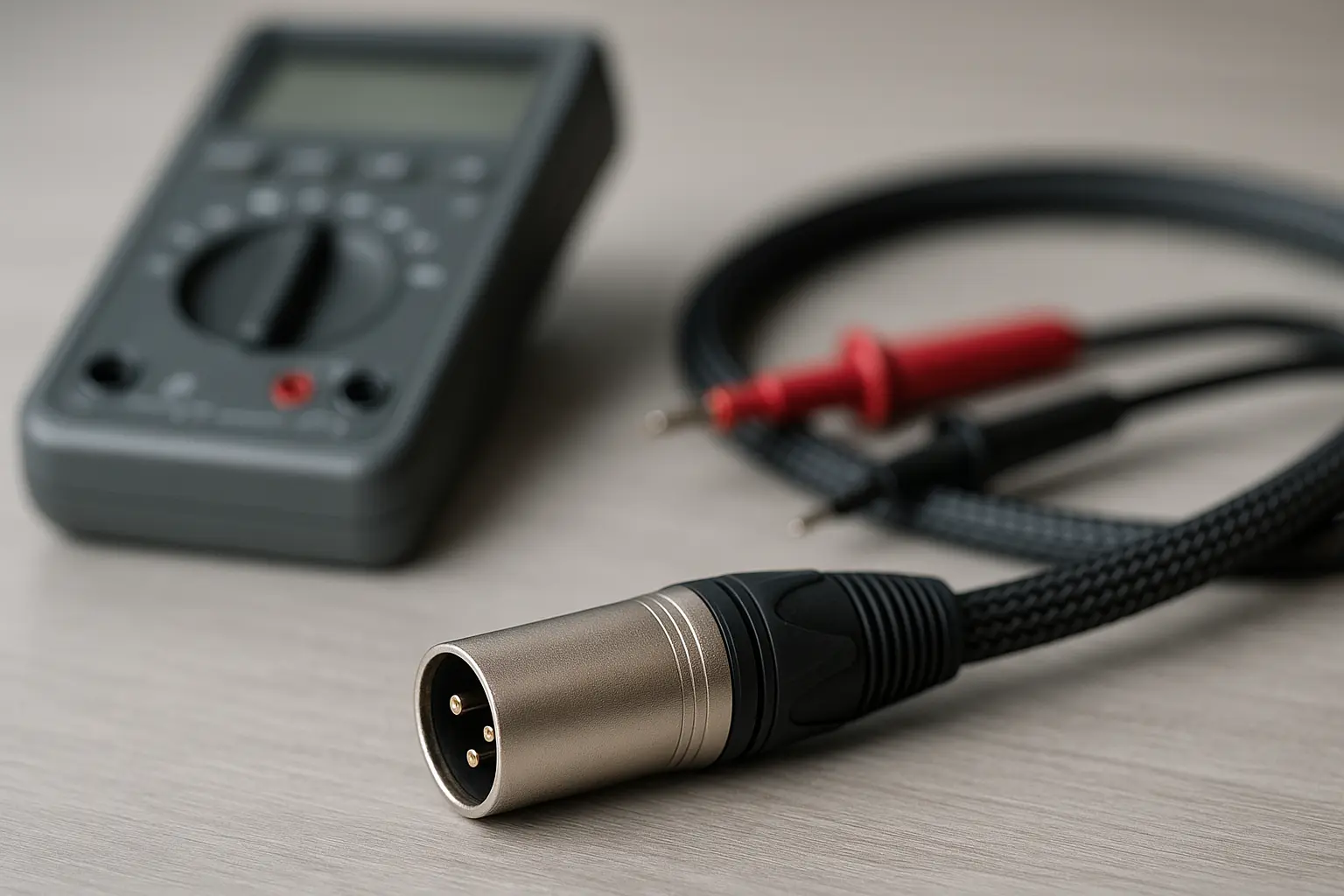
Ask to see how continuity and short testing is done, what pull or strain testing looks like, how connector fit is checked, whether lot or batch traceability exists, and how incoming inspection is handled for wire and connectors. These requests reduce surprises and also signal that you’re a serious buyer.
9.3 Using JINGYI as a Practical Reference
A supplier with a broad connector and cable catalog can support multiple SKUs with consistent assembly. Start by mapping your intended products to categories on the site, then request samples and align specs and QC documentation through the inquiry route.
10. Troubleshooting: Hum, Buzz, Crackle, Dropouts
When hum shows up, start simple. Swap to a known-good cable, move the audio line away from power bricks, switch to balanced if your gear supports it, and power audio gear from the same strip to reduce ground potential differences. If hum remains, use safe isolation tools that fit your setup. For crackle and dropouts, wiggle the cable near the connector and listen for changes, then check for sharp bends, crushed sections, or loose shells. Replace a suspect cable before it fails during a session or show. Avoid unsafe hacks that defeat mains safety earth, and get a qualified tech for venue systems if you’re not sure.
Wrap-up
A solid interconnect doesn’t need a dramatic story. It needs to stay quiet, survive real handling, and work the same way every time. Use balanced when noise risk is high, keep unbalanced runs short and well-routed, and remember that many “cable problems” are really routing and grounding problems. For brands and distributors, the edge comes from building around failure modes and backing it up with clear specs and QC proof.
FAQ
Do expensive cables sound better at line level?
Often, improvements come from noise control and build quality rather than tonal changes. Good shielding and consistent assembly solve more problems than price.
When should I choose XLR over RCA?
Choose XLR for long runs and noisy environments. Choose RCA for short hi-fi runs when hum isn’t an issue.
What causes ground-loop hum, and what’s a safe fix?
Ground loops come from multiple ground paths between devices. Safe fixes include balanced links, shared power, and isolation tools.
Does capacitance matter for phono and guitars?
Yes. High-impedance sources can be more affected by cable capacitance and geometry than typical line-level sources.
What shielding is best: braided, spiral, or foil?
Braided is often tougher, spiral is often easier to coil, foil can work well in some designs. Match it to the job.
What should an OEM buyer request from a cable supplier?
Ask for a clear spec sheet, QC proof for continuity and shorts, mechanical test standards, and batch traceability.
How do I write an RFQ for a custom interconnect line?
Define connector type, internal geometry, shield, jacket, mechanical thresholds, packaging, compliance, and QC documentation, then request samples.
Why does geography matter for OEM sourcing?
Lead time, duties, and supply risk affect landed cost. Geo planning supports stable distribution across regions.
Citations (URLs)
https://m.site_5615465d-0395-48c6-b01f-dc3d38213fc5/product/5/
https://m.site_5615465d-0395-48c6-b01f-dc3d38213fc5/news/jingyi-will-attend-the-namm-show-2025-integrated-systems-europe-2025/
https://www.zzounds.com/productreview--JODSNAPTIPS
https://gearspace.com/board/so-much-gear-so-little-time/657387-noise-hum-due-unbalanced-outputs-interface-ground-lift.html
https://www.talkbass.com/threads/active-circuit-battery-drain.1330604/