

Audio Manufacturer for U.S. OEM Buyers: 2025 Guide to Smarter Sound and Real Partnerships
Key Takeaways
- The audio manufacturer market is expected to top $640 billion by 2031 as hardware turns into connected, intelligent systems.
- For U.S. OEM buyers, the best partners are factories that understand Dante audio, AI-based DSP, and FCC/UL compliance.
- Companies like Jingyi Audio and T.I Audio show both sides of the story—great pricing, but sometimes weak global visibility or support.
- The next few years will reward manufacturers that build smarter, greener, and more service-friendly products.
- U.S. businesses can save time and avoid risks with a clear OEM checklist, QC templates, and real communication, not just quotes.
- What an Audio Manufacturer Really Means in 2025
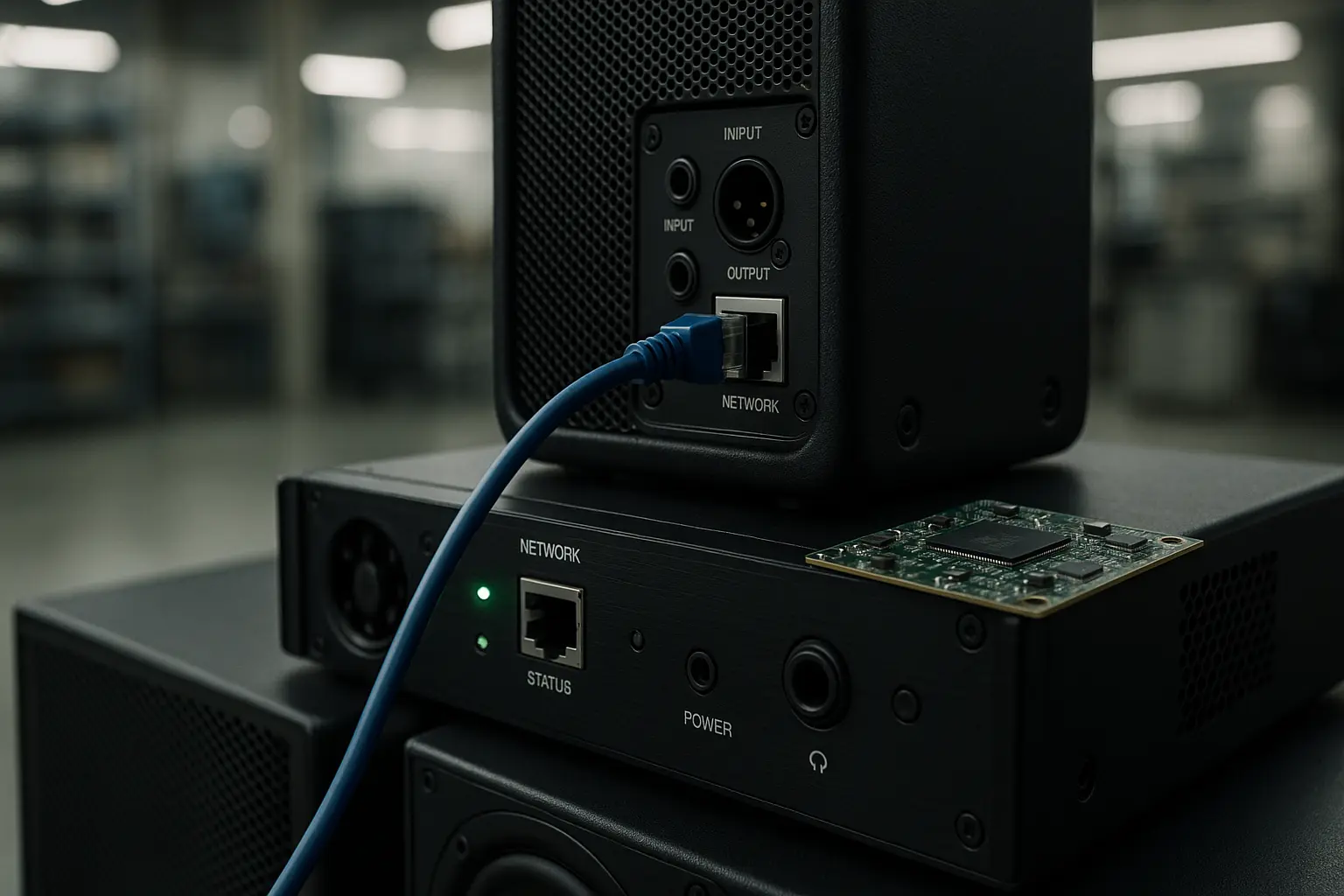
When you hear the term audio manufacturer, don’t just picture a factory floor full of metal frames and soldering irons.
In 2025, an audio manufacturer is more like a partner that connects hardware, software, and logistics into one working system.
Building More Than Boxes
Factories used to focus on magnets, cones, and amplifiers. Today, they need to combine:
- DSP chips or even small AI processors for tuning and noise control
- Bluetooth LE Audio and network protocols like Dante
- Recycled plastics and eco-friendly materials
- Firmware updates that can fix or improve gear after it ships
OEM or ODM — What’s Right for You?
- OEM: You own the design. The factory just builds it.
- ODM: The factory designs the product and you sell it under your brand.
If you’re a U.S. brand that values uniqueness, go OEM.
If you’re testing a new market or need speed, ODM can help you move faster.
The Shift Toward Integration
Today’s systems—whether for a church, a classroom, or a retail chain—mix speakers, amplifiers, DSPs, and apps.
That means the modern audio manufacturer isn’t just an assembler.
They’re the “system builder” that makes sure all parts talk to each other.
- The Audio Manufacturing Market: 2024–2031 Overview
Recent reports estimate the global audio equipment market at around $450 billion in 2023, expected to reach $740 billion or more by 2031.
The smaller, focused “audio-only” segment (mixers, speakers, microphones, amps) is growing steadily—about 6–7% each year.
From Analog to Smart Audio
Audio gear is no longer just about “good sound.”
It’s about connectivity, software control, and user experience.
Whether it’s a soundbar in a living room or a Dante network in a university hall, everything now links into a larger digital system.
The U.S. Trend
Across the U.S., demand is shifting toward:
- Retail chains installing standard audio systems across multiple stores
- Houses of worship modernizing with networked audio
- Colleges adding AI-driven lecture hall sound systems
- Offices connecting audio gear with video conferencing setups
American OEM buyers now care less about watts and more about quality control, certifications, and communication.
- Why OEM Partnerships Still Matter
Comparing the Business Models
|
Type |
Who Owns the Design |
Cost |
Speed |
Works Best For |
|
OEM |
The brand |
Higher |
Medium |
Custom products |
|
ODM |
The factory |
Lower |
Fast |
Private label or test markets |
|
OBM |
The factory (its own brand) |
Highest |
Slow |
Mature manufacturers |
Why OEM Fits U.S. Brands
If you already know what you want—custom drivers, DSP tuning, or cabinet shapes—OEM gives you full control.
The factory handles the build, while you keep your IP safe and your brand unique.
Real-World Example
Just like Apple depends on Foxconn for precision hardware, professional audio brands often rely on Chinese OEMs for consistent builds.
The key difference? Smaller batch sizes, faster testing cycles, and deeper audio tuning rather than general electronics.
- China’s OEM/ODM Ecosystem and What It Means for You
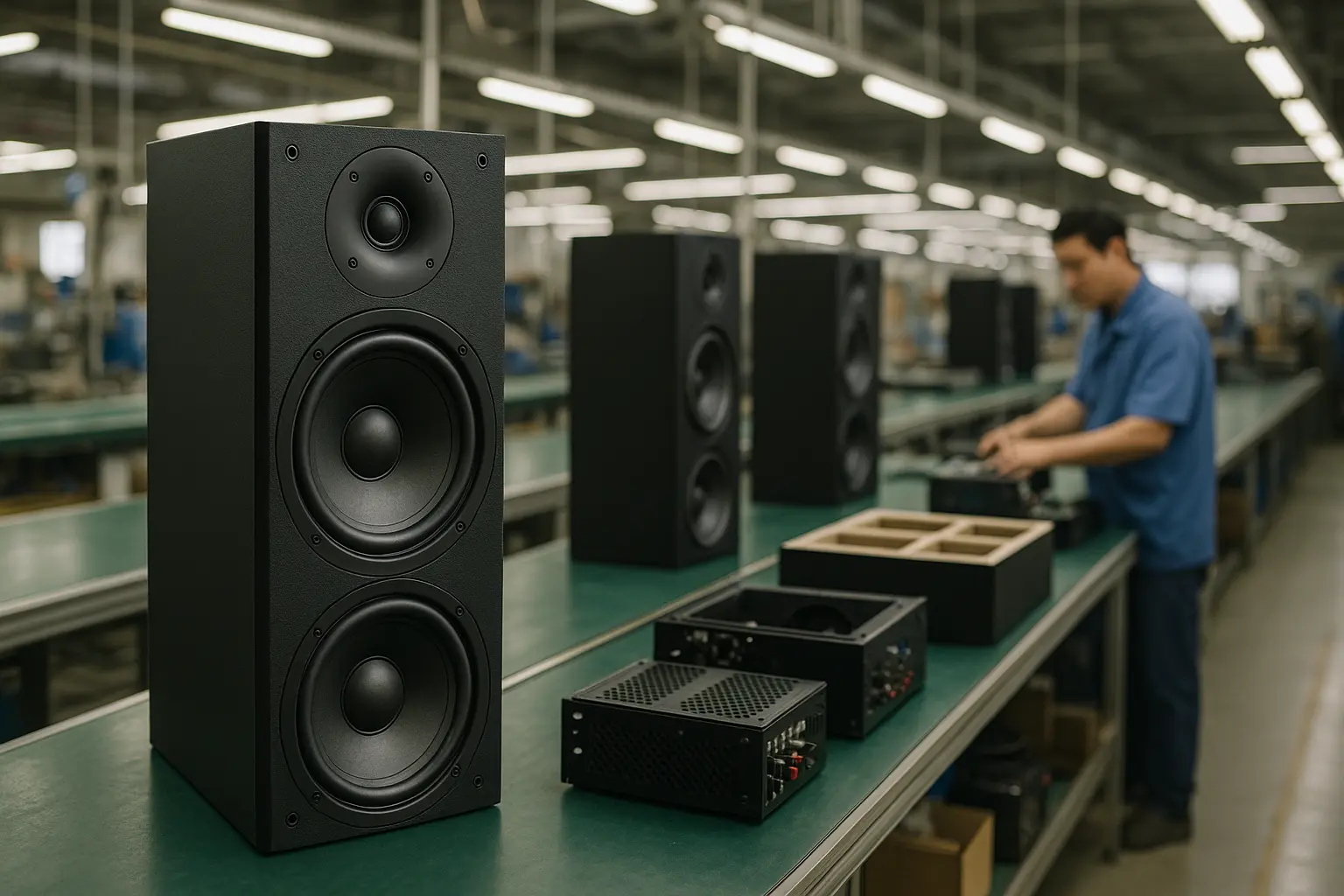
China remains the world’s strongest manufacturing base for audio hardware.
Factories range from huge electronics giants to small, specialized audio shops.
Two Levels of Manufacturers
- Tier 1: Big players such as Goertek or Luxshare—these firms work with major tech brands and produce millions of units.
- Tier 2: Focused audio companies such as T.I Audio, Sanway, and the once-active Jingyi Audio. They build PA systems, amplifiers, and custom speaker parts.
Competitive Edge
Chinese OEMs often stand out for:
- Fast prototyping
- Low per-unit cost
- Willingness to customize small runs
But some cut corners on QC or IP protection, so verification is critical.
Common Risks
A few U.S. buyers have reported surprises—miswired speakers, missing labels, or poor documentation.
To stay safe, check certifications (CE, UL, FCC), confirm export records, and request a live video inspection before signing contracts.
- Case Study: Jingyi Audio and Lessons for Buyers
The company Jingyi Audio (site_5615465d-0395-48c6-b01f-dc3d38213fc5) was once listed as a professional OEM/ODM manufacturer in China.
But the site is currently offline, which is a serious warning sign for global buyers.
It may mean they operate only inside China or have paused international business.
What This Teaches Us
A reliable audio manufacturer should have:
- A working, English-language website
- Verified contact info and export history
- Clear product photos and certificates
- Social media presence or customer feedback
Without these, even low prices might come with high risk.
Quick Comparison
|
Brand |
Type |
Pros |
Cons |
|
JBL Professional |
Global |
Proven reliability |
High price |
|
T.I Audio |
OEM/OBM |
Good value, solid hardware |
Lacks networked features |
|
Sanway Audio |
OEM |
Very cheap |
QC problems reported |
|
Jingyi Audio |
OEM (offline) |
Unknown |
No verified info |
If you can’t access a company’s website, you probably can’t rely on their after-sales support either.
- Key Technologies Changing Audio Manufacturing
AI-Based DSP
Audio processors now include small chips that can learn sound patterns—auto-tuning and noise control are built in.
Brands like Analog Devices and Synaptics supply these chips to OEM factories worldwide.
MEMS Speakers
These tiny “micro-speakers” are made like computer chips and used in wearables and earbuds.
They’re thin, light, and efficient—changing how audio gear is built.
(Reference: USound.com)
Sustainable Production
Eco materials aren’t just a trend—they’re part of procurement requirements.
Some factories now use recycled ABS or bamboo composites, cutting CO₂ emissions by more than 80%.
That’s a talking point for any U.S. brand selling to environmentally aware consumers.
Networked Audio (Dante)
Networked systems are becoming standard for schools, theaters, and churches.
Dante-ready products from over 600 manufacturers now dominate the market.
If your OEM partner doesn’t support Dante or AES67, your product line could be outdated before it ships.
(Source: Audinate.com)
- A Buyer’s Checklist: Finding the Right Audio Manufacturer
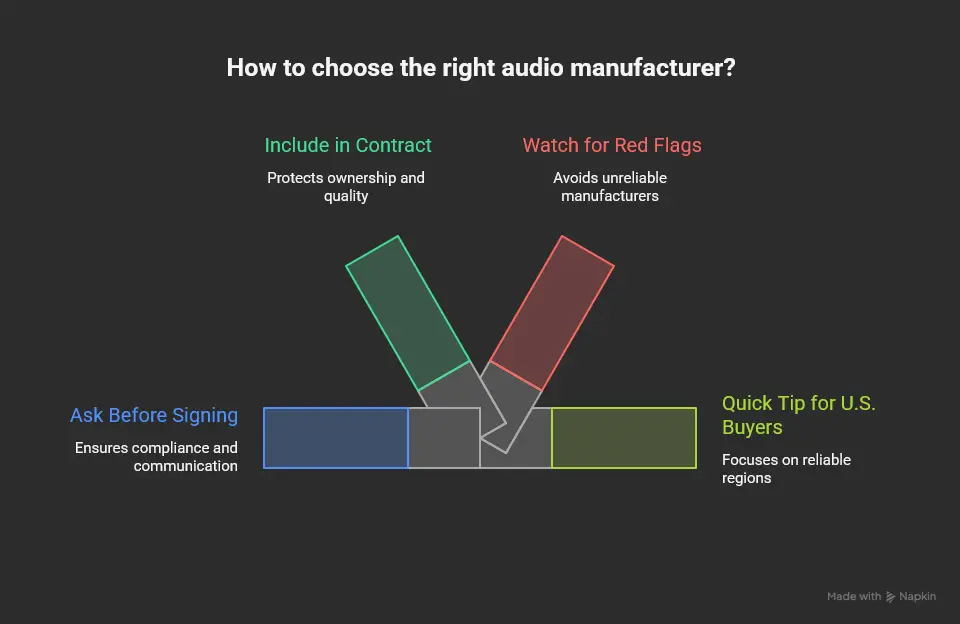
What to Ask Before You Sign
- Do you have FCC, UL, or ETL certificates?
- Can you ship directly to the U.S.?
- Is there an English-speaking contact who can reply during U.S. work hours?
- What’s your prototype turnaround time?
What to Include in the Contract
- Who owns the design and firmware
- What QC standards apply (SPL, polarity, THD limits)
- Agreed-upon lead time and penalties for delay
- Warranty period and spare-part policy
Red Flags
- Website offline (as seen with Jingyi Audio)
- No export track record
- “Too good to be true” pricing
- No experience with networked or DSP-based systems
Quick Tip for U.S. Buyers
Look for factories in Shenzhen, Dongguan, or Ningbo.
These cities have strong export infrastructure and consistent QC processes.
If you can’t visit in person, ask for a virtual tour via Zoom.
- How Audio Manufacturers Build Trust Online
Social Media Proof
A short video of a speaker stress test or a Dante connection demo tells buyers more than a dozen PDFs.
LinkedIn pages, factory reels, and even short TikToks showing assembly or waterproof testing add credibility.
Co-Branding Stories
A U.S. retailer once shared a YouTube clip walking through their new in-store audio system, built with a Chinese OEM partner.
The positive comments and views boosted both sides’ reputation and showed real-world use—not marketing hype.
Why Openness Works
Buyers want transparency.
If a factory shares the people behind the product—the engineers, the QA team, the warehouse crew—it turns a supplier into a partner.
- Looking Ahead: What’s Next for Audio Manufacturing
The future will belong to companies that combine good sound with smart systems.
Expect to see:
- Hardware that updates via firmware
- MEMS speakers in more products
- AI DSP that self-adjusts in real time
- Eco packaging as a standard requirement
For U.S. OEM brands, the best move is to build long-term relationships with flexible manufacturers—those willing to improve with you, not just quote you.
FAQs
Q1. What does an audio manufacturer actually do?
They design, build, and sometimes program the hardware and firmware that make up audio systems—from speakers to amplifiers and DSPs.
Q2. How does OEM manufacturing work?
You send the specs; they produce under your brand name. You keep the design rights and the final say on QC.
Q3. Why is China still the main source for OEM audio?
It’s where component supply chains, skilled labor, and export systems come together efficiently.
Q4. What risks should I watch out for?
Inconsistent QC, no certifications, and communication gaps. Always verify before wiring deposits.
Q5. How do I check if a supplier is legitimate?
Look for an accessible website, valid certificates, and factory verification (video or third-party). Check sample quality before mass production.
Q6. Which new technologies should I keep an eye on?
AI-enabled DSP, MEMS speakers, Dante/AES67 networking, and sustainable materials.
References
- Audinate – Dante Ready Licensing
- Audinate – Dante Product Ecosystem
- USound – MEMS Speaker Technology Overview
- Analog Devices – AI Audio Processing Solutions
- Verified Market Reports – Global Audio Equipment Market Outlook 2024–2031