

Bulk Purchasing Guide: Cost-Effective XLR-to-XLR Cables for Touring Bands
Reliable audio equipment forms the backbone of any successful touring band. Among these, the XLR to XLR cable stands out as an essential component for high-quality sound transmission. Additionally, the XLR to type C audio cable offers versatility for modern devices, ensuring compatibility with various audio sources. Bands often face challenges like signal loss or interference during live performances. Investing in durable cables, such as the made in Thailand audio cable, minimizes these risks, ensuring consistent audio output and uninterrupted shows. For instance, while premium options like the Canare L-4E6S excel in reliability, cheaper alternatives may compromise performance due to weak build quality. Furthermore, flat cables can help with organization and space-saving, while RCA cables provide additional connectivity options. Choosing cost-effective, high-quality cables enhances sound clarity and safeguards against technical failures, ultimately allowing musicians to focus on their craft.
Key Takeaways
- Buying many XLR-to-XLR cables at once costs less. Bands can save money for other important equipment.
- Bulk orders give steady quality, helping avoid sound problems during shows.
- Extra cables mean fewer delays if something breaks, keeping concerts on track.
- Choose tough cables with sturdy plugs to handle touring and last longer.
- Taking care of cables and storing them well makes them last. This saves money on buying new ones.
Why Bulk Purchasing XLR to XLR Cables Makes Sense for Touring Bands
Financial Benefits of Buying in Bulk
Touring bands often face tight budgets, making cost-effective solutions essential. Bulk purchasing XLR to XLR cables significantly reduces the per-unit cost compared to buying individual cables. This allows bands to allocate their savings toward other critical needs, such as upgrading instruments or enhancing stage setups. Additionally, suppliers frequently offer discounts or promotional deals for bulk orders, further increasing affordability. By investing in bulk, bands can secure high-quality cables without exceeding their financial limits.
Consistent Quality Across Equipment
Maintaining consistent audio quality is crucial for live performances. Bulk purchasing ensures that all XLR to XLR cables come from the same production batch, reducing the risk of performance discrepancies. This consistency minimizes technical issues and ensures reliable sound transmission during shows.
The following table highlights how bulk purchasing contributes to maintaining consistent quality:
| Evidence Description | Explanation |
|---|---|
| Reliable supply of high-quality products | Bulk purchasing ensures access to consistent quality audio equipment. |
| Cost-effective solutions | Reduces per-unit costs, enabling bands to maintain quality without overspending. |
| Simplified inventory management | Standardized inventory reduces complexity and ensures uniform quality. |
| Consistent performance across units | Guarantees uniform cable performance, minimizing technical risks. |
By standardizing their inventory, bands can focus on delivering flawless performances without worrying about equipment inconsistencies.
Minimizing Downtime with Spare Cables
Live performances demand quick problem-solving. A damaged cable can disrupt an entire show if no replacement is available. Bulk purchasing provides bands with spare XLR to XLR cables, ensuring they are prepared for unexpected issues. Having backups readily available minimizes downtime and keeps performances running smoothly. This proactive approach safeguards against delays and enhances the overall reliability of a band's setup.
Key Features to Look for in XLR to XLR Cables
Durability and Build Quality for Touring
Touring bands require cables that can endure the rigors of constant travel and frequent use. Durability becomes a critical factor when selecting an XLR to XLR cable. High-quality cables feature rugged construction and flexible materials that remain easy to handle even in extreme conditions. For instance, cables designed with mechanical characteristics like flexibility at temperatures as low as -20°C (-4°F) ensure reliability during outdoor performances or cold storage.
Bands should also prioritize cables with robust tensile strength. A tensile strength of 274N at 26°C ensures the cable can withstand pulling and bending without damage. Additionally, cables with XLPE insulation offer superb electrical characteristics and resist melting or shrinking during soldering, making them ideal for long-term use.
The following table highlights essential durability features:
| Feature | Description |
|---|---|
| Mechanical Characteristics | Rugged and flexible construction, easy to handle at temperatures down to -20°C (-4°F). |
| Tensile Strength | Tensile strength of one pair is 274N at 26°C, 65% RH. |
| Temperature Rating | Applicable temperature range from -20°C to +70°C (-4°F to +158°F). |
| Electrical Characteristics | XLPE insulation that does not melt or shrink during soldering. |
Durable cables reduce the risk of failure during performances, ensuring uninterrupted sound transmission and peace of mind for musicians.
Shielding to Prevent Noise Interference
Noise interference can disrupt live performances, making shielding a vital feature in any XLR to XLR cable. Effective shielding blocks external electromagnetic fields, preserving the integrity of the audio signal. Conductive materials like copper or aluminum are commonly used to create this protective barrier.
Different types of shielding provide varying levels of protection:
- Braided shielding offers excellent durability and flexibility, making it suitable for touring.
- Foil shielding provides 100% coverage, ensuring maximum protection against electromagnetic interference.
- Combination shielding combines both braided and foil shields for superior noise reduction.
By minimizing electromagnetic and radio frequency interference, shielding ensures clear audio output, even in environments with high electrical activity. Bands should prioritize cables with advanced shielding to maintain professional sound quality during performances.
High-Quality Connectors for Reliable Performance
Connectors play a crucial role in the performance of an XLR to XLR cable. High-quality connectors ensure a secure and stable connection, reducing the risk of signal loss. Touring bands should look for cables with connectors made from durable materials like oxygen-free copper (OFC), which enhances conductivity and minimizes resistance.
The following table outlines key specifications of reliable connectors:
| Specification | Details |
|---|---|
| Conductor Material | 22AWG Oxygen-Free Copper (OFC) |
| Insulation | Polyethylene |
| Shielding | Duofoil® (100% coverage) + Cotton with tinned copper braid (85% coverage) |
| Nominal Characteristic Impedance | 110 Ohms |
| Nominal Capacitance @ 1KHz | 12.8 pF/ft |
| Nominal Attenuation | 0.6 dB/100 ft (@ 1 MHz) |
| Operating Temperature Range | -30°C to +75°C |
| Maximum Recommended Current | 2.1 Amps per conductor @ 25°C |
Reliable connectors not only enhance performance but also extend the lifespan of the cable. Bands should invest in cables with robust connectors to ensure consistent audio quality throughout their tours.
Choosing the Right Cable Length for Stage and Studio
Selecting the appropriate cable length is crucial for both stage performances and studio setups. Cables that are too short can limit mobility, while excessively long cables may introduce unnecessary clutter and signal degradation. Touring bands should evaluate their specific needs to determine the ideal length for their XLR to XLR cables.
For stage use, shorter cables ranging from 10 to 25 feet are often sufficient for connecting microphones to nearby mixers or audio interfaces. These lengths minimize the risk of tangling and make setup more efficient. In contrast, larger venues or complex stage designs may require longer cables, sometimes exceeding 50 feet, to accommodate distant equipment placements. Bands should ensure that longer cables are well-organized using cable ties or reels to prevent tripping hazards during live performances.
In studio environments, cable length requirements vary based on the layout of the recording space. Shorter cables are ideal for connecting microphones to preamps or audio interfaces within close proximity. However, longer cables may be necessary for routing signals between isolated recording booths and control rooms. Regardless of the setting, bands should prioritize high-quality cables with robust shielding to maintain signal integrity over extended distances.
Tip: Always measure the distance between equipment before purchasing cables. This ensures that the chosen length meets the specific requirements of the performance or recording setup without unnecessary excess.
Balanced Signal Transmission for Clear Audio Output
Balanced signal transmission is a key feature of XLR to XLR cables, ensuring clear and reliable audio output in live sound setups. This technology minimizes noise interference, making it essential for professional performances and recordings.
Balanced cables utilize two signal wires that carry identical audio signals with opposite polarity. This design allows for effective noise cancellation, as the differential amplifier at the receiving end subtracts any noise that affects both wires equally. The result is a clean audio signal, free from unwanted interference. Additionally, the twisted-pair wiring in balanced cables reduces crosstalk and electromagnetic interference, which is particularly beneficial for long cable runs.
The XLR connector, a standard for balanced audio, supports various applications in live sound environments. It also enables phantom power for microphones by overlaying a DC bias voltage on the audio circuit. This feature is critical for powering condenser microphones, which are commonly used in live performances and studio recordings.
Balanced cables also include a ground wire that shields against external interference. The polarity inversion of the signals ensures that noise is effectively removed, preserving the original audio signal. This design allows balanced cables to support longer runs without compromising audio quality, making them ideal for large venues and complex setups.
Note: Investing in balanced XLR to XLR cables not only enhances audio clarity but also ensures compatibility with professional-grade equipment, providing a reliable solution for touring bands.
Recommended Brands and Models for Bulk XLR to XLR Cables
Budget-Friendly Options for Touring Bands
Touring bands often operate on tight budgets, making affordable yet reliable cables a necessity. Budget-friendly XLR to XLR cables provide adequate performance for less demanding environments while allowing bands to save significantly.
- Pig Hog PHM15: This cable is a popular choice for its thick gauge and durable connectors, which are essential for touring. Its double-shielded design minimizes interference, ensuring clear audio transmission. Available in bulk packs, it offers a cost-effective solution for bands needing multiple cables.
- AmazonBasics XLR Cables: These cables deliver solid performance at an affordable price. They feature a simple design with decent shielding, making them suitable for smaller venues or casual performances.
- Behringer MIC2USB: While primarily a microphone interface cable, this option is budget-friendly and versatile. It works well for casual users but may lack the robustness required for extensive touring.
These options demonstrate that affordability does not have to compromise quality. Bands can rely on these cables for consistent performance in less challenging environments, making them ideal for smaller gigs or rehearsals.
Mid-Range Cables with Enhanced Durability
Mid-range XLR to XLR cables strike a balance between affordability and durability. These cables are designed to withstand the wear and tear of frequent use, making them a practical choice for touring bands.
- Hosa Pro XLR Cables: Known for their rugged construction, these cables feature oxygen-free copper conductors and heavy-duty connectors. They provide excellent signal clarity and are built to last, even under demanding conditions.
- Pro Co StageMASTER: This model offers enhanced durability with its robust shielding and strain relief features. It is a reliable option for bands seeking a step up from budget cables without breaking the bank.
- Canare L-4E6S: This cable is a favorite among professionals for its superior build quality and noise rejection. Its star-quad design ensures minimal interference, making it suitable for live performances and studio recordings.
Mid-range cables like these provide enhanced durability and performance, ensuring that bands can focus on their music without worrying about equipment failures.
Premium Cables for Long-Term Use
For bands seeking the highest quality and longevity, premium XLR to XLR cables are the best investment. These cables offer exceptional durability, superior audio clarity, and advanced features that cater to professional needs.
- Mogami Gold Studio-15: This cable is renowned for its Neutrik connectors and extra copper shielding, which provide maximum interference reduction. Its premium construction ensures reliability, making it a worthwhile investment for long-term use.
- AudioQuest Mackenzie XLR: Designed for audiophiles, this cable features solid perfect-surface copper+ conductors and triple-balanced geometry. It delivers unparalleled sound quality, making it ideal for high-end studio setups.
- Gotham GAC-3: This cable offers triple shielding for ultimate noise rejection and durability. Its flexibility and robust design make it a top choice for professional touring bands.
Premium cables may come with a higher price tag, but their unmatched quality and reliability make them a valuable addition to any band's equipment. These cables ensure flawless audio transmission, even in the most demanding environments.
Tip: Investing in premium cables can save money in the long run by reducing the need for frequent replacements.
Trusted Suppliers, Including NINGBO JINGYI ELECTRONIC Co., LTD.
Selecting a reliable supplier is crucial when purchasing bulk XLR to XLR cables. Trusted suppliers ensure consistent quality, timely delivery, and competitive pricing, which are essential for touring bands. Among the many options available, NINGBO JINGYI ELECTRONIC Co., LTD. stands out as a dependable partner in the pro audio industry.
Established in 1992, NINGBO JINGYI ELECTRONIC Co., LTD. has built a strong reputation for manufacturing high-quality audio cables and connectors. The company operates from a 15,000-square-meter facility in Beilun, Ningbo. Its strategic location near Ningbo Port enhances logistical efficiency, making it an ideal choice for bulk orders. This proximity allows the company to streamline shipping processes, ensuring that large quantities of cables reach customers promptly and in excellent condition.
The company’s commitment to quality is evident in its production standards. Each cable undergoes rigorous testing to meet industry benchmarks for durability, signal clarity, and noise reduction. This attention to detail ensures that every XLR to XLR cable performs reliably, even under the demanding conditions of live performances and frequent touring. Bands can trust NINGBO JINGYI ELECTRONIC Co., LTD. to deliver products that meet their technical and practical needs.
In addition to its manufacturing expertise, the company offers excellent customer support. Clients benefit from clear communication, flexible order customization, and competitive pricing. These factors make NINGBO JINGYI ELECTRONIC Co., LTD. a preferred supplier for bands seeking cost-effective solutions without compromising on quality.
Tip: When evaluating suppliers, consider their production capabilities, location, and reputation in the industry. A supplier like NINGBO JINGYI ELECTRONIC Co., LTD. combines these factors to provide a seamless purchasing experience.
By partnering with trusted suppliers, bands can secure high-quality cables that enhance their performances and reduce the risk of technical issues. Reliable suppliers not only deliver superior products but also contribute to the overall success of a band’s touring operations.
Tips for Bulk Purchasing XLR to XLR Cables
Negotiating Prices with Suppliers
Touring bands can save significantly by negotiating prices when purchasing bulk quantities of XLR to XLR cables. Suppliers often provide discounts for large orders, but securing the best deal requires preparation. Bands should research market prices to establish a baseline before approaching suppliers. Highlighting long-term purchasing potential can incentivize suppliers to offer better rates.
Building relationships with suppliers also plays a key role. Bands that demonstrate loyalty and consistent demand may receive preferential pricing or exclusive deals. Additionally, requesting quotes from multiple suppliers allows bands to compare offers and leverage competition to negotiate favorable terms.
Tip: When negotiating, inquire about volume discounts, shipping costs, and payment terms to maximize savings.
Evaluating Warranties and Return Policies
Reliable warranties and return policies protect bands from unexpected expenses due to defective products. Before purchasing bulk XLR to XLR cables, bands should carefully evaluate these terms.
Key benchmarks include:
- Return Period: A standard 14-day return window applies to most purchases, provided an approved RA number is obtained.
- Exceptions: Certain items, such as software, headphones, consumables, modified products, special orders, and international orders, may not qualify for returns.
- Return Conditions: Products must remain in original condition, complete with packaging and documentation. Restocking fees may apply in some cases.
Bands should prioritize suppliers offering comprehensive warranties that cover manufacturing defects and performance issues. Clear return policies ensure that faulty cables can be replaced or refunded without complications.
Note: Always review warranty coverage and return conditions before finalizing bulk orders to avoid unexpected costs.
Ensuring Compatibility with Existing Equipment
Compatibility between XLR to XLR cables and existing equipment ensures seamless integration into a band's setup. Bands should verify technical specifications, such as impedance and connector type, to avoid mismatched components.
Conducting an inventory of current equipment helps identify specific requirements. For example, cables with 110-ohm impedance work well with professional audio systems, while others may suit consumer-grade setups. Bands should also consider the operating temperature range of cables to ensure reliability in diverse environments.
Tip: Testing a sample cable with existing equipment before committing to a bulk purchase can prevent costly errors.
Researching Supplier Reputation and Reviews
Selecting a reliable supplier is a critical step in bulk purchasing XLR-to-XLR cables. A supplier's reputation directly impacts the quality of products and services they provide. Touring bands should prioritize suppliers with a proven track record of delivering durable, high-performance cables. Researching supplier reviews and performance metrics ensures informed decision-making and minimizes risks.
Online reviews and testimonials offer valuable insights into a supplier's reliability. Bands can explore platforms like Trustpilot, Google Reviews, or industry-specific forums to gauge customer satisfaction. Positive feedback often highlights consistent product quality, timely delivery, and responsive customer service. Conversely, recurring complaints may signal potential issues, such as delayed shipments or subpar materials.
Supplier performance indexes provide an objective evaluation of a company's reputation. Tools like the Supplier Satisfaction Index assess relationships across financial, operational, and corporate dimensions. This index uses a balanced scorecard and fuzzy logic approach to benchmark supplier performance. Bands can leverage these metrics to identify suppliers who excel in quality assurance and customer satisfaction.
Tip: Look for suppliers with certifications or awards that demonstrate their commitment to industry standards. These credentials often reflect a dedication to excellence.
Direct communication with suppliers also helps verify their credibility. Bands should inquire about production capabilities, quality control processes, and warranty policies. Requesting samples or visiting the supplier's facility, if feasible, provides firsthand insight into their operations.
By thoroughly researching supplier reputation and reviews, bands can establish partnerships with trustworthy providers. This diligence ensures access to high-quality cables that meet the demands of rigorous touring schedules. Reliable suppliers contribute to seamless performances and long-term success.
Maintenance and Longevity of XLR to XLR Cables
Proper Storage to Avoid Damage
Proper storage practices play a vital role in preserving the lifespan of XLR to XLR cables. Touring bands often face challenges with frequent packing and unpacking, which can lead to cable damage. Storing cables in a dry, temperature-controlled environment prevents issues like corrosion and insulation degradation. Using cable reels or organizers ensures that cables remain untangled and free from unnecessary stress.
Van Damme cables, favored by leading touring companies, exemplify the importance of durability in storage solutions. Their design accommodates frequent setup and teardown, making them ideal for demanding conditions. Bands should adopt similar practices to protect their cables during transit and storage.
Tip: Avoid sharp bends or excessive coiling, as these can weaken the internal conductors over time.
Cleaning and Inspecting Cables Regularly
Regular cleaning and inspection routines ensure optimal performance and prevent unexpected failures. Dirt and debris can accumulate on connectors, leading to signal loss or interference. Cleaning connectors with contact cleaner maintains their conductivity and reliability.
Inspection protocols should include the following steps:
- Visual Inspection: Check for cracks or cuts in the insulation.
- Flex Testing: Bend the cable to detect hidden damage.
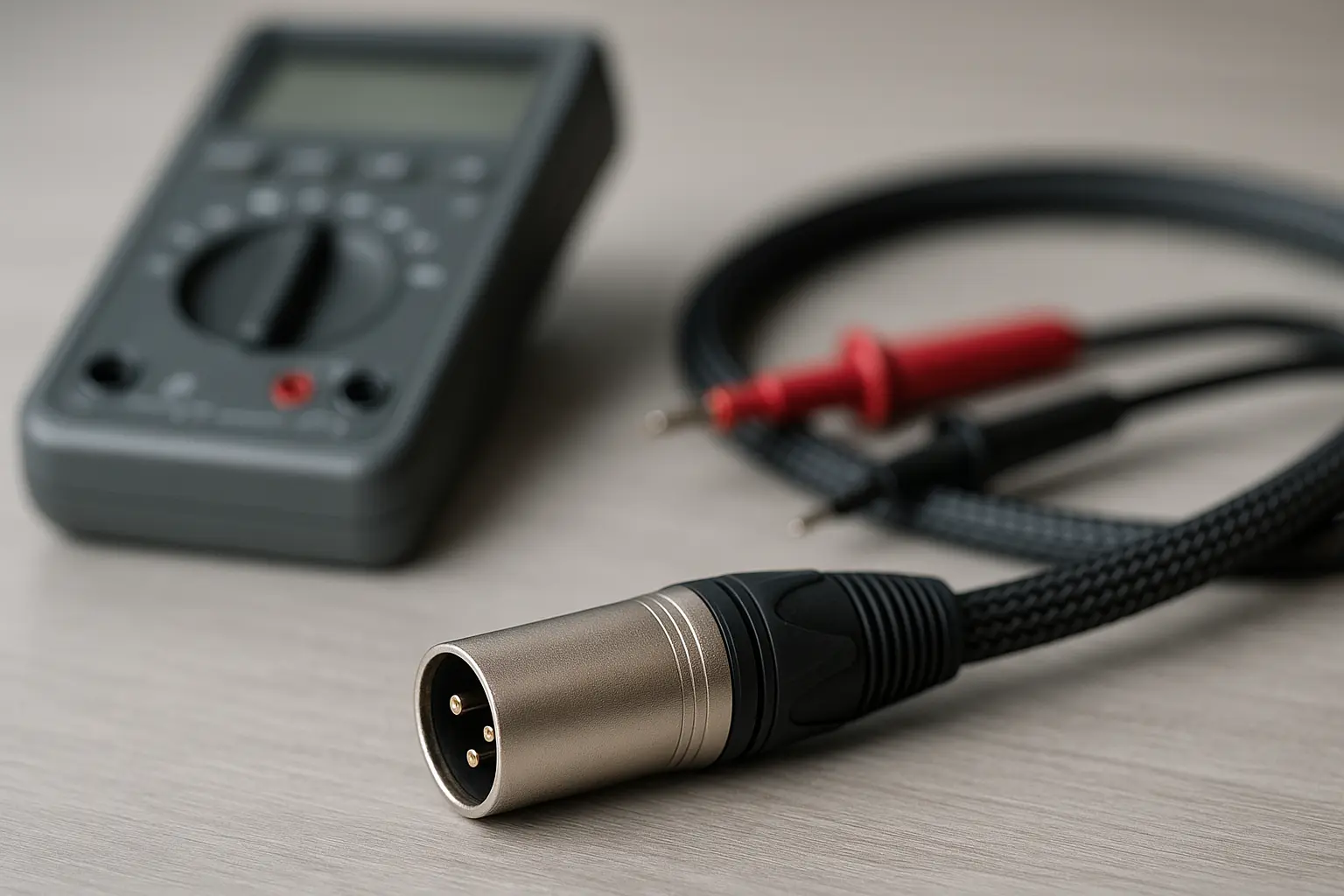
- Continuity Testing: Use a multimeter to verify the signal path.
- Signal Path Analysis: Test connection points with audio equipment.
- Connector Inspection: Ensure connectors are clean and free from physical damage.
Bands that implement these practices can identify issues early, reducing the risk of equipment failure during performances.
Repairing Minor Issues to Extend Lifespan
Minor repairs can significantly extend the lifespan of XLR to XLR cables, saving bands from frequent replacements. Techniques like soldering loose connections or replacing damaged connectors restore functionality without requiring a complete replacement.
Investing in maintenance reduces unplanned downtime and ensures consistent operational schedules. For example, a fleet management company increased equipment lifespan by 20% through regular upkeep, demonstrating the cost-saving potential of proactive care. Bands can apply similar principles to their cables, minimizing disruptions and maximizing reliability.
Note: Regular maintenance not only extends cable life but also reduces long-term expenses, making it a practical investment for touring bands.
Rotating Cables to Distribute Wear Evenly
Touring bands often rely on a large inventory of XLR cables for live performances and studio sessions. Uneven wear can shorten the lifespan of these cables, especially when certain units are used repeatedly while others remain untouched. Rotating cables regularly ensures that wear is distributed evenly across the entire inventory, reducing the risk of premature failure.
Benefits of Cable Rotation
Rotating cables offers several advantages:
- Extended Lifespan: Regular rotation prevents overuse of specific cables, allowing all units to wear at a similar rate.
- Improved Reliability: Evenly worn cables are less likely to fail during critical performances.
- Cost Savings: Bands can avoid frequent replacements by maximizing the durability of their cables.
Tip: Label each cable with a unique identifier to track usage and rotation schedules effectively.
How to Implement Cable Rotation
Bands can follow these steps to establish a rotation system:
- Inventory Assessment: Count all cables and categorize them based on length, type, and condition.
- Usage Tracking: Record the frequency of use for each cable. Tools like spreadsheets or inventory management software simplify this process.
- Rotation Schedule: Create a schedule to rotate cables after every performance or recording session.
- Inspection During Rotation: Check each cable for signs of wear, such as frayed insulation or loose connectors, before placing it back into rotation.
Note: Avoid using the same cable for high-stress applications repeatedly. Distribute usage across the inventory to minimize strain on individual units.
Rotating cables not only enhances their longevity but also ensures consistent performance during live shows and studio recordings. Bands that adopt this practice can maintain a reliable setup while reducing long-term expenses.
Bulk purchasing XLR to XLR cables offers touring bands a practical solution to ensure consistent performance and cost savings. These cables, built to withstand daily use, provide clear audio transmission and minimize interference. Their durability and ease of handling make them ideal for demanding environments.
Bought these a year ago, and they are still working great.
So I bought these about a year ago, and every cable still works. I am not on tour with them. They are for around-the-home studio use and occasional gigs. The cable is thin, the ends seem to be put on well, and none have produced any noise or anything. They have all worked flawlessly. A really good deal.
Bands should prioritize durable, cost-effective options to maximize value and reliability. By applying the tips and recommendations shared, they can make informed decisions that enhance their performances and reduce long-term expenses.
FAQ
What is the ideal cable length for live performances?
The ideal cable length depends on the stage setup. Short cables (10–25 feet) work well for small venues, while longer cables (50+ feet) suit larger stages. Bands should measure distances between equipment to ensure proper cable length without excess clutter.
How can bands ensure compatibility when purchasing bulk cables?
Bands should verify technical specifications like impedance and connector type. Testing sample cables with existing equipment ensures seamless integration. Compatibility checks prevent mismatched components and ensure reliable performance during live shows or studio sessions.
Are premium XLR cables worth the investment?
Premium XLR cables offer superior durability, noise rejection, and audio clarity. They reduce long-term replacement costs and ensure consistent performance. Bands seeking reliability for demanding tours or professional recordings benefit significantly from investing in premium options.
What are the benefits of rotating cables in inventory?
Rotating cables evenly distributes wear, extending their lifespan. This practice prevents overuse of specific units and reduces the risk of failure during performances. Bands can track usage with labels or software to implement an effective rotation schedule.
How can bands negotiate better prices for bulk orders?
Bands should research market rates and request quotes from multiple suppliers. Highlighting long-term purchasing potential encourages suppliers to offer discounts. Building strong relationships with suppliers often leads to preferential pricing and exclusive deals.