

Cat5e Ethernet Cable in 2025: Real Performance, U.S. OEM Supply Chain Insights & A Practical Buying Guide
Key Takeaways
- Cat5e Ethernet cable still works well in 2025, especially in U.S. homes and SMB networks where gigabit and 2.5GbE speeds are enough.
- Real-world tests from Reddit users show that good Cat5e can handle short-run 10GbE connections.
- CCA (Copper-Clad Aluminum) remains the biggest source of PoE failures, reboots, and outdoor corrosion issues in the U.S. market.
- Many U.S. OEM buyers source Cat5e and Cat6 cables from Ningbo, China—factories like Jingyi Audio use OFC copper and shielding methods that originally came from pro-audio cable production.
- Cat5e is cost-efficient, works in tight cable pathways, and is still a solid choice for PoE cameras, IoT devices, and 2.5GbE upgrades.
Quick Specs Table
|
Item |
Cat5e Specification |
|
Bandwidth |
100 MHz |
|
Certified Speed |
1Gbps |
|
Real-World Speed |
2.5GbE typical, up to 10GbE on short runs |
|
Conductor |
24AWG Pure Copper (Solid or Stranded) |
|
Shielding |
UTP / F-UTP / SF-UTP |
|
Max Distance |
100m for gigabit |
|
Fire Ratings (U.S.) |
CMR / CMP |
|
Best Uses |
Home networks, SMB upgrades, PoE cameras, AV |
Introduction
The cat5e ethernet cable has been around for a long time, yet it still holds its ground in many U.S. installations. Even though Cat6 and Cat6A are recommended for new construction, there are countless buildings—homes, offices, warehouses—where Cat5e already runs inside the walls. Because replacing those runs is expensive, installers often keep the existing cable and upgrade the network equipment instead. With the spread of 2.5GbE switches and access points, Cat5e remains a practical option, offering enough performance for most day-to-day needs.
This article breaks down Cat5e’s performance, what users experience in the field, and what OEM buyers in the U.S. should pay attention to when sourcing from manufacturers such as Jingyi Audio in Ningbo, China.
What Cat5e Can Do in 2025
Standard Requirements
Cat5e follows the TIA-568.2-D standard. It uses four twisted copper pairs and is rated at 100 MHz. With the signaling used in gigabit Ethernet, Cat5e handles 1Gbps up to 100 meters without trouble. That’s why it’s so common in older U.S. buildings.
Performance Beyond the Label
Even though Cat5e is rated for 1Gbps, many users report much better results:
- 2.5GbE works reliably on most solid-copper Cat5e
- 5GbE is possible on short and medium distances
- 10GbE can work up to 30–45 meters on good cable
Most of these results come from practical testing by home-lab and networking enthusiasts rather than official certification. Still, they show that Cat5e is more capable than many people assume.
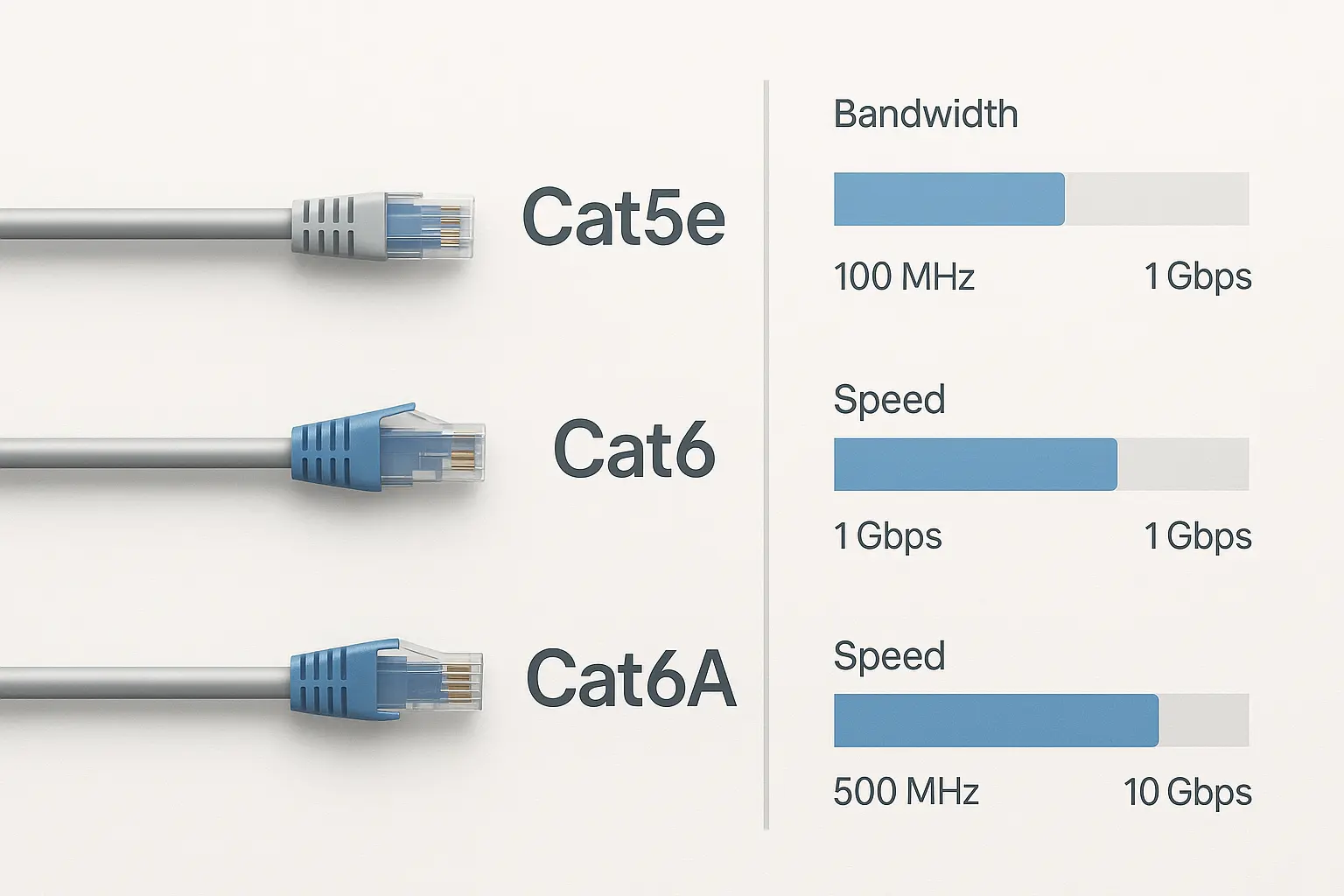
Cat5e vs Cat6 vs Cat6A for U.S. Installers and SMBs
Performance Comparison
|
Cable Type |
Bandwidth |
Typical 1G |
2.5G |
5G |
10G |
|
Cat5e |
100 MHz |
Yes |
Yes |
Sometimes |
Short runs |
|
Cat6 |
250 MHz |
Yes |
Yes |
Yes |
~55m |
|
Cat6A |
500 MHz |
Yes |
Yes |
Yes |
100m |
Where Cat5e Makes Sense
In the U.S., the labor cost of replacing cable is often far higher than the cable itself. For that reason:
- If the building is already wired with Cat5e → keep it
- If you need better speeds → upgrade to a 2.5GbE switch
- If the cable is pure copper → it will handle PoE reliably
- If space is tight in old conduits → Cat5e fits better than Cat6A
Cat6 is still the best option for new buildings, but Cat5e is more than enough for networking gear most homes and small businesses use.
Field Tests from the Networking Community
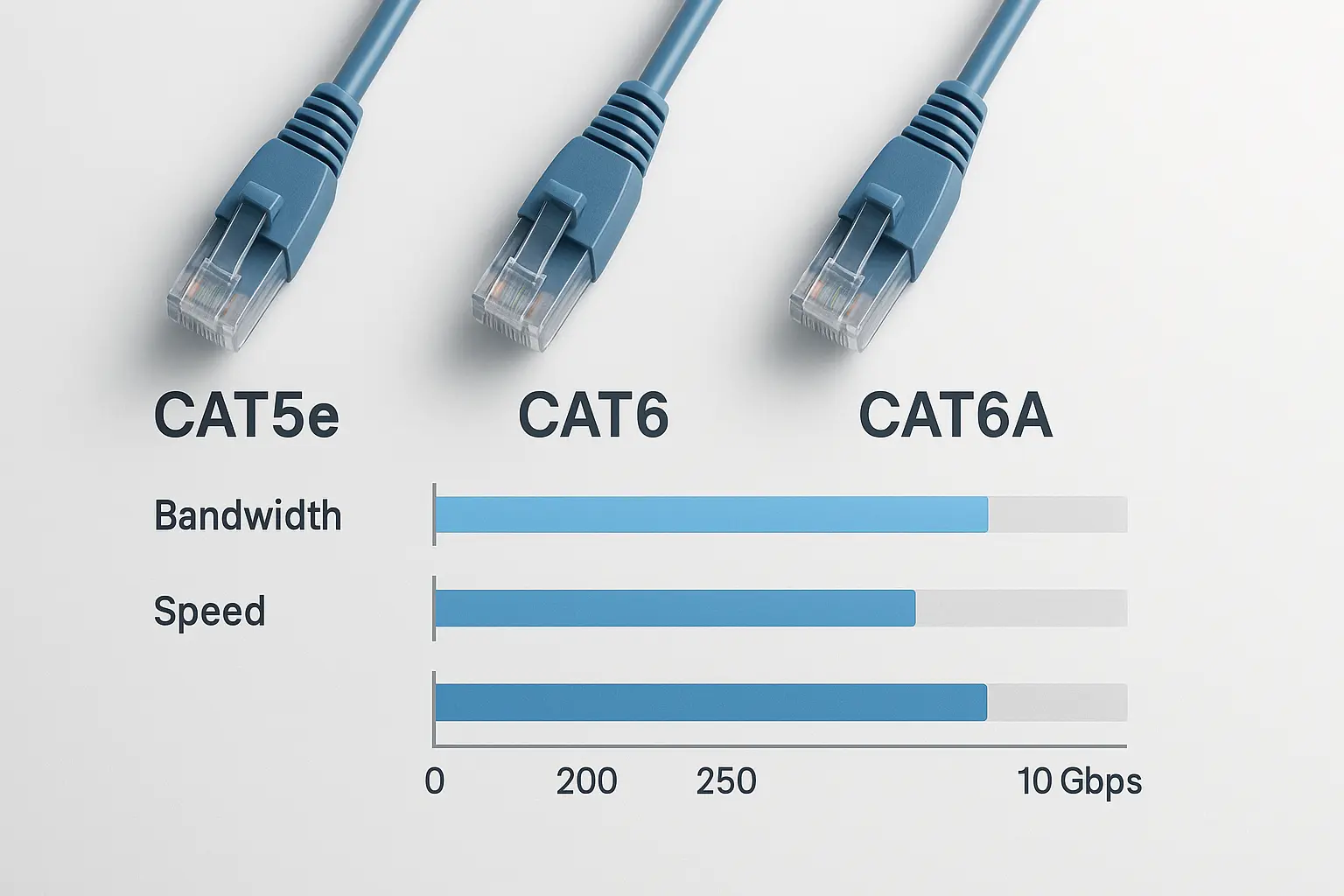
Short-Run 10GbE
Reddit users frequently post test results showing Cat5e hitting 10GbE:
- One user reported a stable link around 40 meters
- Others shared success at 25–35 meters
The pattern is clear: high-quality, solid-copper Cat5e performs far above its rating.
The CCA Problem
A large portion of Cat5e issues reported online involve CCA cable. Common complaints include:
- PoE voltage dropping under load
- Outdoor cameras rebooting at night
- Conductors snapping when bent
- Corrosion forming on RJ45 pins
These failures almost always come from CCA wire, not pure copper. This is one of the biggest reasons installers in the U.S. now insist on “solid copper only.”
How to Check If Your Cat5e Is Real Copper
Even without lab equipment, you can spot major differences.
Good Signs
- Jacket printing includes “Cat5e 24AWG” and “BC” or “OFC”
- Cable feels heavy for its size
- Copper looks clean and bright when stripped
- Pair twists are consistent
Warning Signs
- Very light cable weight
- Dull or silver-colored conductor
- Excessive flexibility or brittleness
- Heat during PoE use
CCA cable is cheaper to make, but it fails quickly, especially in PoE deployments.
Myths and Facts About Cat5e
Myth: Cat5e can only run 1GbE.
Fact: Many users run 2.5GbE every day, and short-run 10GbE is common.
Myth: Cat5e isn't suitable for modern U.S. homes.
Fact: Gigabit internet and typical Wi-Fi backhaul work flawlessly on Cat5e.
Myth: All Cat5e cables perform the same.
Fact: Copper quality and twist accuracy vary widely among manufacturers.
Why Many U.S. OEM Buyers Source Cat5e and Cat6 from Ningbo, China
The Ningbo Cable Ecosystem
Ningbo has a long history of producing connectors, molded parts, and copper-based wiring. Factories in the region often supply:
- Ethernet cables
- Audio cables
- Connectors
- Patch leads
- OEM-branded networking parts
This ecosystem allows for stable pricing and consistent production runs.
Jingyi Audio: A Pro-Audio Manufacturer with Strong Cable Capabilities
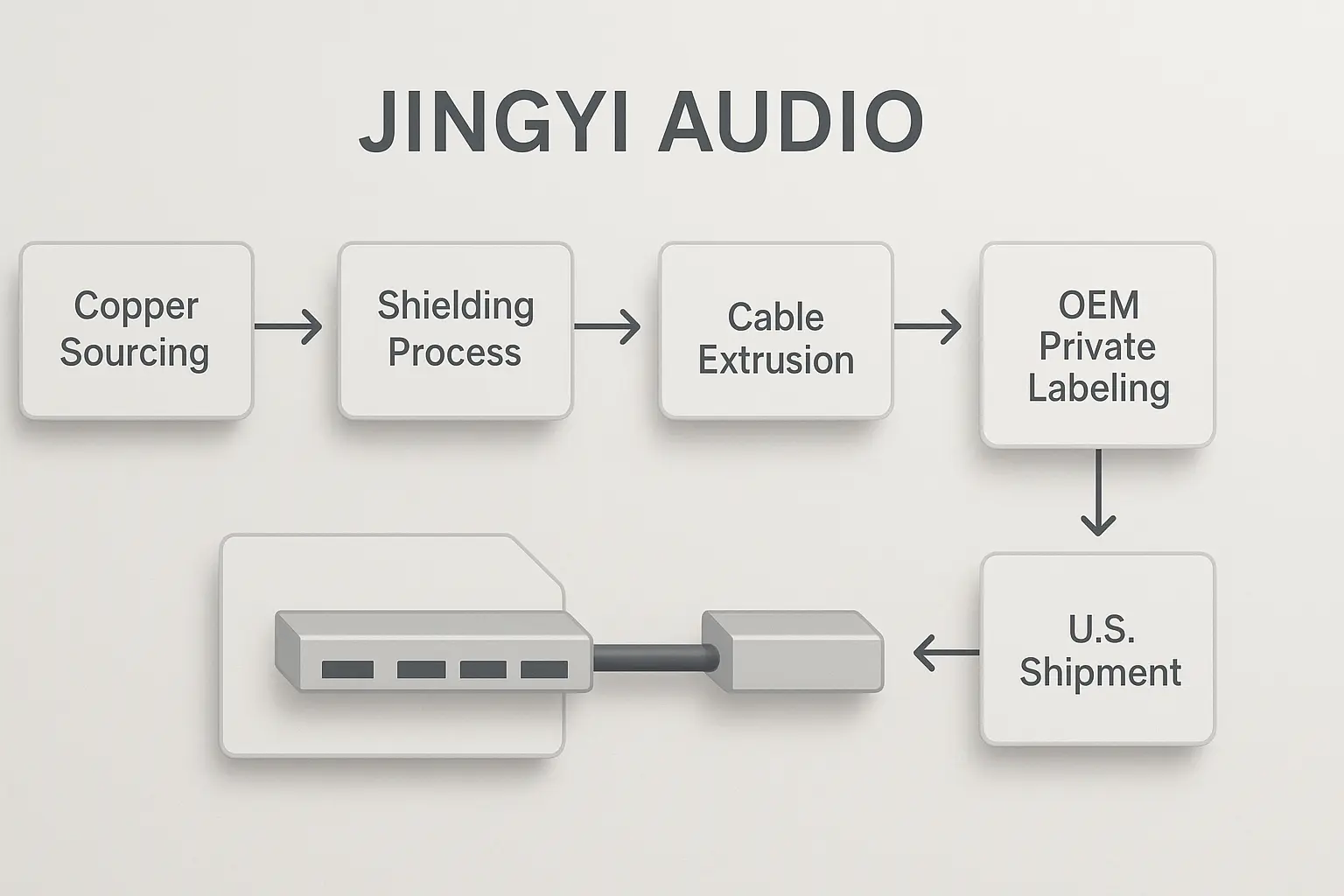
Jingyi Audio is an interesting example for OEM buyers because the company didn’t start with Ethernet cables—it started with professional audio cables. That background gives them experience with:
- OFC (oxygen-free copper)
- Tight shielding (foil and braided)
- Flexible jackets
- Strain-relief molding
- High reliability under frequent movement
These characteristics translate well into high-quality Cat5e and Cat6 patch cables, especially for U.S. integrators in:
- Dante/AoIP equipment
- Live sound and staging
- AV racks
- Installations requiring repeated bending
For OEM buyers, Jingyi offers:
- Custom molding
- Color coding
- Private label services
- Lower MOQs compared to large telecom factories
- Strong QC processes
Where Cat5e Fits Best in the U.S. Market Today
Home Retrofits
Most homes don’t need more than 1–2.5GbE. Keeping Cat5e saves time and money.
PoE Cameras and Smart Devices
Pure-copper Cat5e works well for:
- 1080p and 4K cameras
- Door stations
- Access control
- Smart lighting
Older Office Buildings
In legacy conduit systems where Cat6A won't fit, Cat5e’s smaller diameter is a major advantage.
SMB Multi-Gig Upgrades
2.5GbE switches are affordable, and Cat5e handles the load easily.
Practical Decision Guide (Text Version)
If the project is new → Use Cat6 or Cat6A
If the cable is already in the wall and copper → Keep Cat5e
If running PoE → Use pure copper Cat5e
If EMI is high → Use shielded Cat5e
If expecting long-term 10GbE → Use Cat6A
What U.S. OEM Buyers Should Look For in Cat5e Suppliers
Certifications
U.S. OEM buyers should confirm:
- UL or ETL
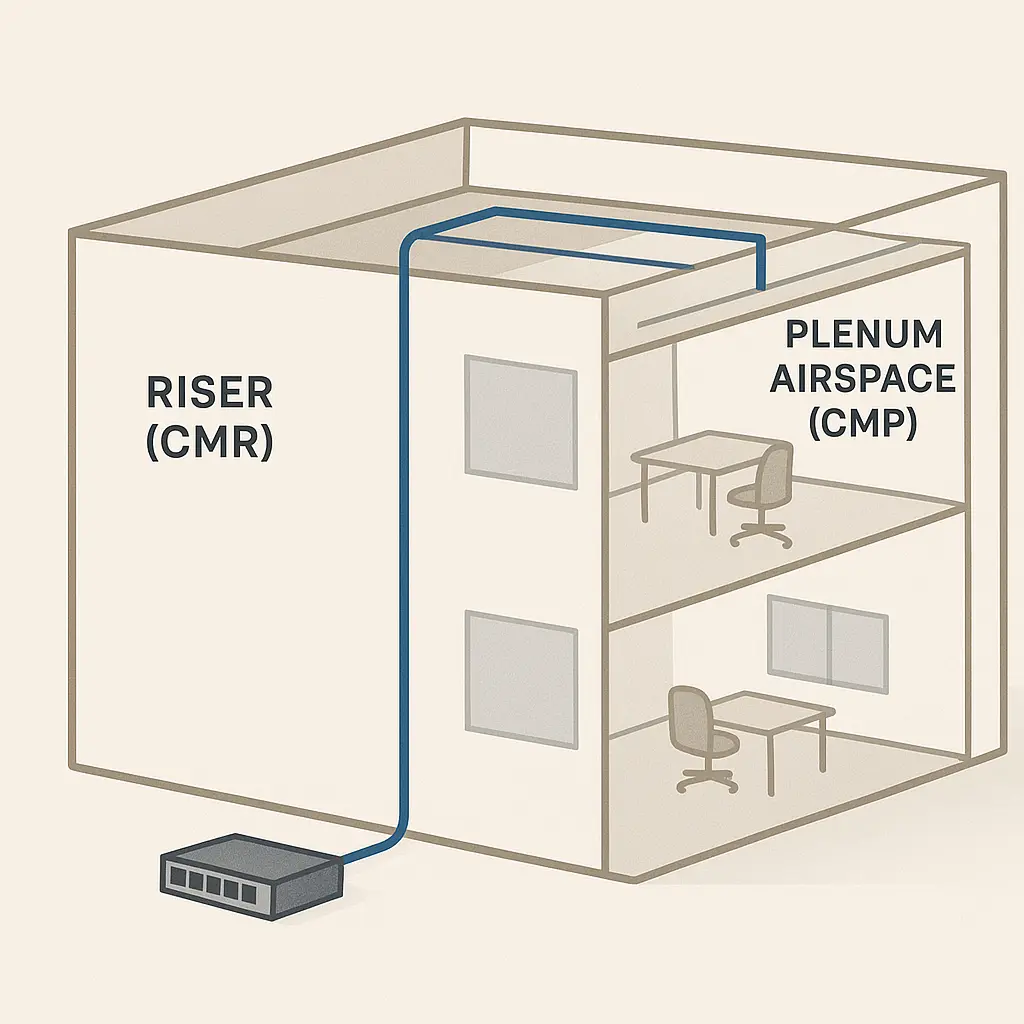
- CMR or CMP (building code requirements)
- RoHS
- Fluke DSX test reports
Material and Construction
- 24AWG solid copper for permanent runs
- OFC or BC for patch cables
- Proper shielding if required
- Jacket material options (PVC, LSZH, PUR)
OEM-Friendly Features
- Private labeling
- Custom boot types
- Custom colors
- Batch testing
- Documentation support
FAQs
- Can Cat5e handle 2.5GbE?
Yes, pure-copper Cat5e handles 2.5GbE without problems. - Can Cat5e run 10GbE?
Short distances only—usually under 45 meters. - Is Cat5e good for PoE cameras?
Yes, as long as it’s not CCA. - Is Cat5e enough for U.S. home networks?
Yes, especially for gigabit and 2.5GbE internet. - What’s the maximum length for Cat5e?
100 meters for gigabit networking. - What fire rating do U.S. buildings need?
Use CMR for risers and CMP for plenum airspaces. - How can I tell if my cable is copper?
Check weight, jacket printing, and conductor color. - Should OEM buyers still order Cat5e?
Yes—many markets still rely on Cat5e patch cables and PoE systems. - Does Cat5e work for gaming?
Absolutely. Latency is more important than category. - When should I replace Cat5e with Cat6A?
When you need guaranteed 10GbE over long distances.
Conclusion
Cat5e remains a reliable and cost-friendly cable in 2025, especially for U.S. homes and small businesses that don’t need full 10GbE networks. It works well for PoE, IoT, and multi-gig upgrades, and it continues to be a solid choice for OEM buyers looking for stable production and competitive pricing. With the right supplier—particularly those with strong copper and shielding expertise like Jingyi Audio—Cat5e still has plenty of life left.
Citations
- Black Box – Cat5e vs Cat6 Technical Guide
https://www.blackbox.co.uk/gb-gb/page/43869/Resources/Technical-Resources/Black-Box-Explains/Copper-Cable/Category-5e-And-6 - FS.com – Ethernet Cable Buying Guide
https://www.fs.com/blog/cat5e-cat6a-cat7-and-cat8-cable-buying-guide-2647.html - C2G – Ethernet Cable Category Page
https://www.cablestogo.com/cables/ethernet/c/c2g070200 - Sanwa – LAN Cable Category Identification
https://www.sanwa.co.jp/seihin_joho/lan_category/index.html - YouTube – Cat5e/Cat6 Explained
https://www.youtube.com/watch?v=mXnz1Yj0IIs