

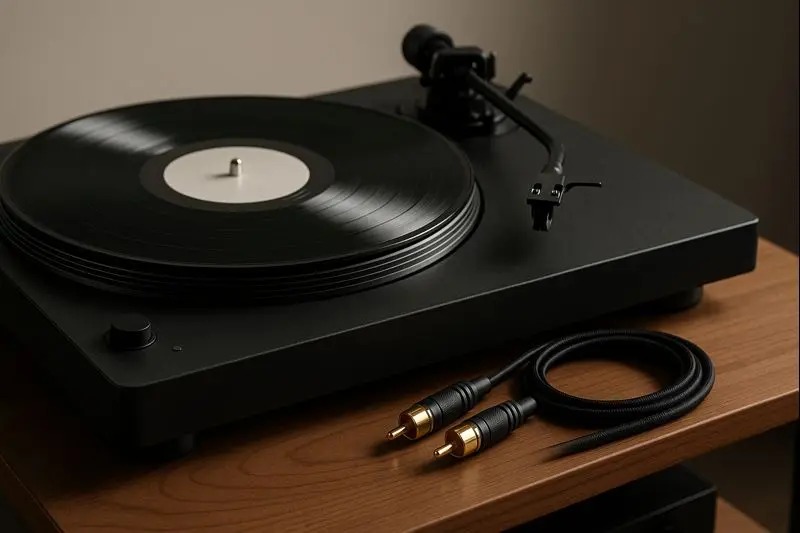
Custom OEM Audio Cable Manufacturing: Tailored Solutions for Pro AV Integrators
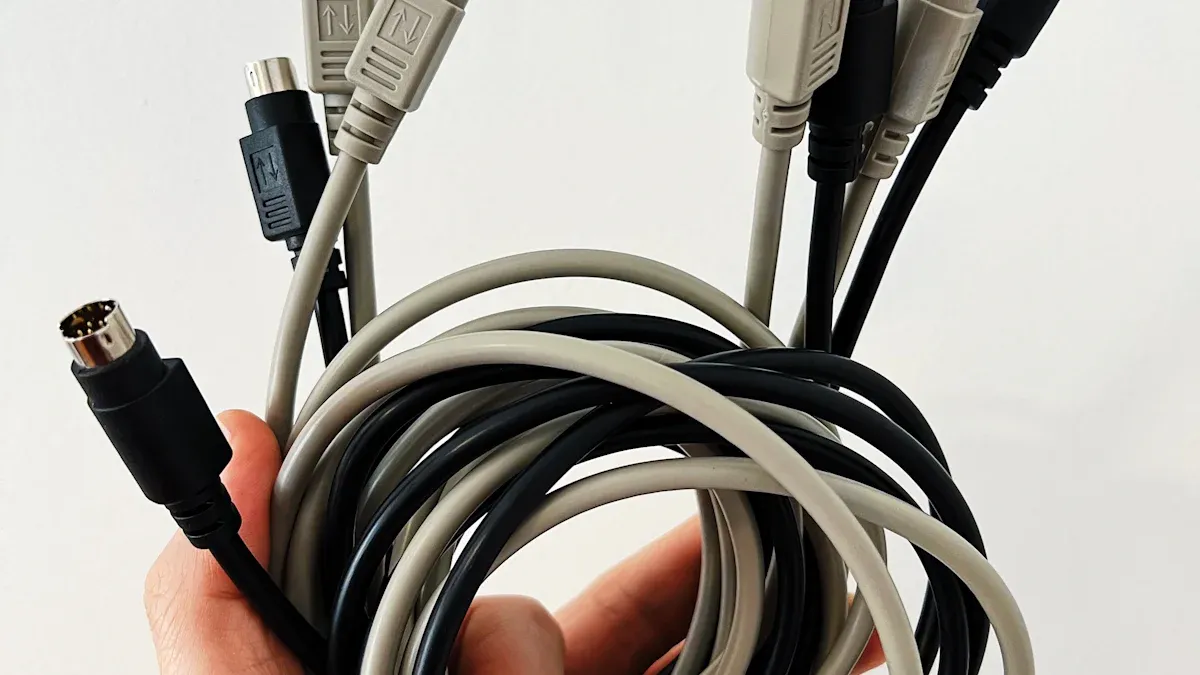
Custom OEM audio cable manufacturing focuses on creating specialized cables to meet the unique demands of professional audio-visual systems. This approach ensures seamless integration, addressing challenges like signal interference and complex setups. The professional AV market, projected to grow from $376.39 billion in 2024 to $683.2 billion by 2029, drives demand for tailored solutions. Custom cables, such as XLR to type C audio cable or low-noise premium audio cable, enhance system reliability and performance. These solutions provide flexibility, ensuring compatibility with diverse setups, from XLR to XLR cable configurations to advanced AV systems.
Key Takeaways
- Custom audio cables improve sound quality and make systems more reliable.
- Using custom cables saves money over time by needing fewer repairs.
- Custom options let users choose cable lengths and connectors for projects.
Why Pro AV Integrators Need Custom Audio Cables
Challenges in Pro AV Integration
Professional AV systems often face unique challenges that demand tailored solutions. Complex installations, such as those in large venues or multi-room setups, require precise signal transmission over long distances. Standard cables may fail to deliver consistent performance, leading to signal degradation or interference. Additionally, the growing demand for high-resolution audio and video places immense pressure on traditional cabling solutions to support higher bandwidths.
The market for AV solutions continues to grow rapidly, with AVIXA Board of Director Jeff Day noting that by 2023, AV integration will become a $230 billion industry. However, the industry faces challenges in meeting this demand, including finding qualified labor for AV design and integration projects.
Another common issue involves electromagnetic interference (EMI) and radio frequency interference (RFI), which can disrupt signals in environments with multiple electronic devices. Pro AV integrators also encounter difficulties in managing cable installations in tight spaces or complex layouts, where flexibility and durability are critical.
Solutions Offered by Custom Audio Cables
Custom audio cables provide tailored solutions to address these challenges effectively. For instance, fiber optic cables offer high bandwidth, ensuring seamless transmission of high-resolution audio and video. Their immunity to EMI and RFI guarantees clear signals even in electronically dense environments. Additionally, their lightweight and flexible design simplifies installation in confined spaces.
| Benefit | Description |
|---|---|
| High Bandwidth | Fiber optics provide greater bandwidth, essential for high-resolution video. |
| Reliability | Ensures consistent performance without signal degradation over long distances. |
| No EMI/RFI Interference | Immune to electromagnetic and radio frequency interference, ensuring clear signals. |
| Installation Flexibility | Thinner and lighter cables allow easier installation in tight spaces and complex setups. |
| Longevity | Resistant to corrosion and environmental factors, ensuring long-term use. |
Customization options further enhance compatibility with diverse AV systems. Pro AV integrators can specify cable lengths, connectors, and shielding to meet project-specific requirements. These tailored solutions not only improve system performance but also reduce downtime, ensuring reliable operations in critical environments.
Benefits of Custom OEM Audio Cable Manufacturing
Improved Audio Quality and System Reliability
Custom OEM audio cables significantly enhance audio quality and system reliability. These cables are designed to reduce signal loss and interference, ensuring a cleaner and more detailed audio experience. High-fidelity audio systems benefit greatly from these improvements, as they demand precision and clarity in sound reproduction.
| Metric | Description |
|---|---|
| Mean Opinion Score | Quantifies call quality based on user ratings, reflecting perceived audio clarity and experience. |
| ViSQOL | Evaluates call quality by comparing original and transmitted audio signals using a perceptual model. |
| Audio delay | Measures latency between spoken words and their reception, with lower values indicating better quality. |
| MTBF | Mean Time Between Failures, indicating system reliability over time. |
| MTTR | Mean Time To Repair, indicating how quickly a system can be restored after a failure. |
These performance metrics validate the improvements offered by custom manufacturing. For example, lower audio delay ensures seamless communication in live events, while higher MTBF values reflect the durability of the system over extended periods. Pro AV integrators rely on these cables to maintain consistent performance in demanding environments, such as concert halls or corporate installations.
Long-Term Cost Savings
Investing in custom audio cables leads to substantial cost savings over time. Standard cables often require frequent replacements due to wear and tear, especially in high-traffic areas. Custom cables, on the other hand, are built with superior materials and tailored designs that withstand harsh conditions. Their durability reduces maintenance costs and minimizes downtime, ensuring uninterrupted operations.
Custom solutions also eliminate the need for additional adapters or converters, which can add to project expenses. By specifying exact requirements during the manufacturing process, integrators can avoid compatibility issues and streamline installations. This approach not only saves money but also enhances efficiency, making custom cables a cost-effective choice for long-term projects.
Adaptability to Project Requirements
Custom OEM audio cables offer unmatched flexibility and adaptability, making them ideal for diverse project requirements. Integrators can specify cable lengths, connector types, and shielding options to suit unique setups. For instance, custom-made speaker cables minimize interference and provide optimal signal transmission, ensuring high-quality audio output.
- Custom-made speaker cables reduce signal loss.
- They minimize interference.
- They provide a cleaner, more detailed audio experience, especially in high-fidelity audio systems.
- Cables are essential components of Hi-Fi systems.
- Understanding the differences in cable types can enhance audio performance.
This adaptability allows integrators to tackle challenges such as tight installation spaces or complex layouts. Whether it's a multi-room audio system or a large-scale venue, custom cables ensure seamless integration and reliable performance. NINGBO JINGYI ELECTRONIC Co., LTD. specializes in manufacturing tailored solutions that meet these demands, providing Pro AV integrators with the tools they need to succeed.
The Process of Custom Audio Cable Manufacturing
Consultation and Requirement Analysis
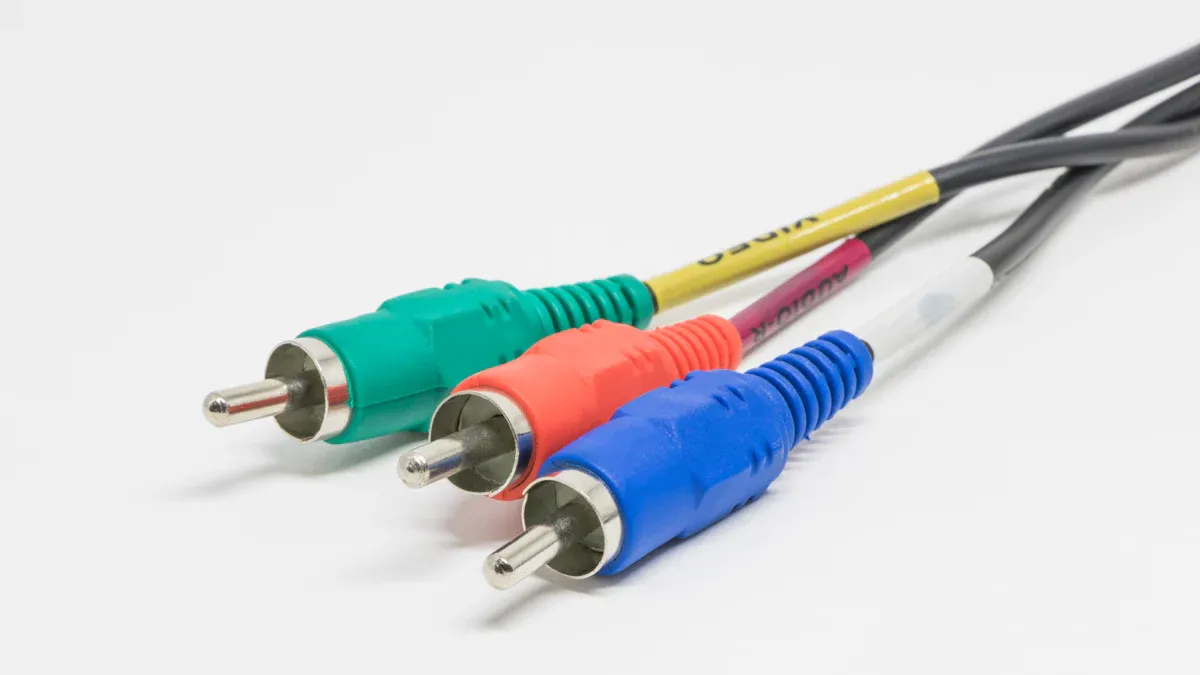
The manufacturing process begins with a thorough consultation and requirement analysis. This step ensures that the final product aligns with the specific needs of the client. Manufacturers collaborate closely with Pro AV integrators to understand the project’s technical demands, environmental conditions, and performance expectations.
During this phase, engineers assess factors such as signal transmission requirements, cable length, and connector types. They also evaluate potential challenges, including electromagnetic interference or the need for heat-resistant materials. By addressing these considerations early, manufacturers can design cables that meet both functional and aesthetic requirements.
Proper cable design minimizes risks such as signal interference and power loss. A well-designed cable ensures optimal performance and extends system longevity.
This stage sets the foundation for creating custom audio cables that deliver reliable performance in diverse applications, from live events to corporate installations.
Design and Prototype Development
Once the requirements are defined, the design and prototype development phase begins. Engineers use advanced tools and techniques to create detailed technical drawings and electrical data analyses. These steps ensure that the cable design meets industry standards and client specifications.
The engineering team conducts rigorous research to select the most suitable materials and assembly methods. For example:
- Flexible and durable materials meet modern technology demands.
- Low-loss materials ensure reliable performance in high-speed data transmission cables.
- Features like heat-resistant insulation and waterproof jackets enhance durability in extreme conditions.
Prototyping plays a critical role in this phase. Iterative design allows manufacturers to create test assemblies and evaluate their performance under real-world conditions. If a prototype fails to meet the desired specifications, engineers refine the design before proceeding to mass production. This approach ensures cost-effective production and optimal cable configurations.
Iterative prototyping enables manufacturers to identify and resolve potential issues early, ensuring the final product meets both functional and quality standards.
Production and Quality Control
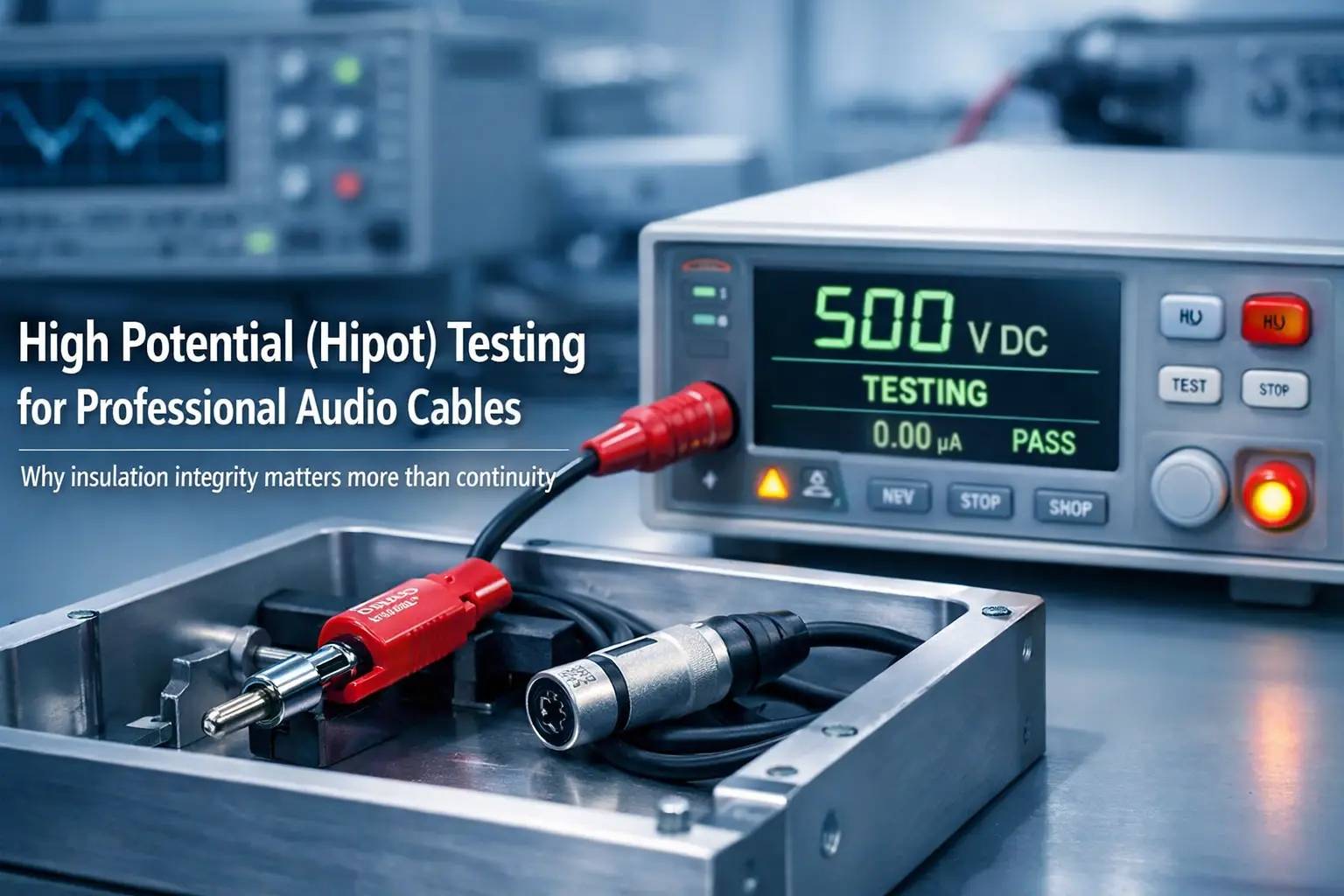
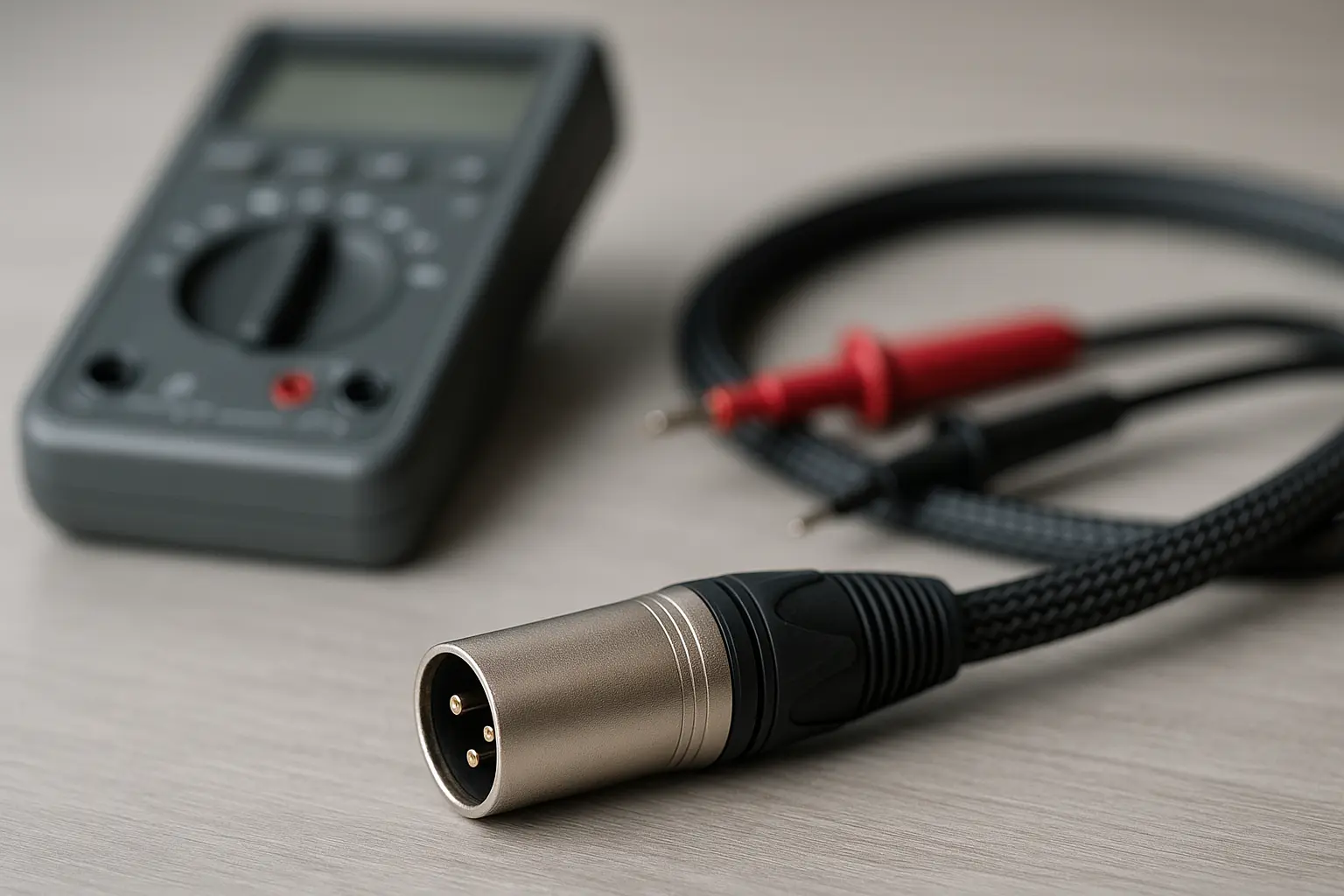
The final phase involves production and quality control. Manufacturers use state-of-the-art equipment and skilled craftsmanship to produce high-quality audio cables. Each cable undergoes rigorous testing to ensure it meets the required performance metrics.
| Metric | Description |
|---|---|
| Rigorous Testing | Technicians perform extensive tests beyond basic checks, focusing on signal integrity and noise reduction. |
| Key Parameter Measurement | State-of-the-art equipment is used to measure resistance, capacitance, and inductance to ensure compliance with tolerances. |
| Quality Assurance | A commitment to high standards is maintained throughout the production process, from material selection to final testing. |
Modern audio analyzers play a vital role in this process. They measure critical parameters in a single sweep, helping manufacturers identify trends and potential quality issues before they arise. This proactive approach ensures that only compliant products reach the market.
Handcrafted processes further enhance the reliability of custom audio cables. The use of high-quality UP-OCC silver or copper conductors improves audio performance, while tailored solutions ensure compatibility with various audio systems. These meticulous efforts reflect a commitment to excellence, making manufacturers like NINGBO JINGYI ELECTRONIC Co., LTD. trusted partners for Pro AV integrators.
How to Choose the Right Audio Cable Manufacturer
Key Criteria for Selection
Selecting the right audio cable manufacturer is crucial for ensuring high-quality performance and reliability in professional AV systems. Manufacturers should demonstrate expertise in producing cables that meet industry standards and project-specific requirements. Pro AV integrators often prioritize affordability, durability, and compatibility when evaluating options.
Cables with superior shielding and robust connections offer better protection against signal interference and wear. Manufacturers who provide customizable designs tailored to specific audio systems stand out as reliable partners. Additionally, integrators should assess the manufacturer's production capabilities, including their ability to deliver consistent quality across large-scale orders.
Market data suggests that audiophiles often debate the impact of cable design on sound quality. Some prefer cables with built-in equalization networks, while others advocate for simpler designs. Regardless of preference, the construction quality and shielding remain critical factors in achieving optimal performance.
Questions to Ask Manufacturers
Pro AV integrators can streamline their selection process by asking targeted questions during consultations. These inquiries help evaluate the manufacturer's expertise and ensure alignment with project goals:
- What materials do you use for cable shielding and connectors?
- Can you provide examples of custom designs tailored to specific AV systems?
- How do you ensure quality control during production?
- What is your lead time for delivering large-scale orders?
- Do you offer warranties or post-sale support for your products?
Researching the right USB cable for professional audio production settings and ensuring quality construction are also recommended practices. Manufacturers like NINGBO JINGYI ELECTRONIC Co., LTD. excel in delivering tailored solutions that meet these criteria, making them trusted partners for Pro AV integrators.
Custom OEM audio cable manufacturing offers Pro AV integrators unmatched benefits, including enhanced performance, reliability, and adaptability. These solutions address unique project challenges while ensuring long-term cost savings.
Partnering with trusted manufacturers like NINGBO JINGYI ELECTRONIC Co., LTD. guarantees high-quality, tailored cables that meet industry standards. Explore their expertise to elevate your AV systems today!
FAQ
What are the key advantages of custom OEM audio cables over standard cables?
Custom OEM audio cables offer tailored designs, superior materials, and enhanced performance. They reduce signal interference, improve durability, and ensure compatibility with specific AV systems.
How long does it take to manufacture custom audio cables?
Production timelines vary based on complexity and order size. On average, manufacturers like NINGBO JINGYI ELECTRONIC Co., LTD. deliver within 2–4 weeks after design approval.
Can custom cables support high-resolution audio and video?
Yes, custom cables can handle high-resolution audio and video. Manufacturers use advanced materials and designs to ensure seamless signal transmission without degradation or interference.