

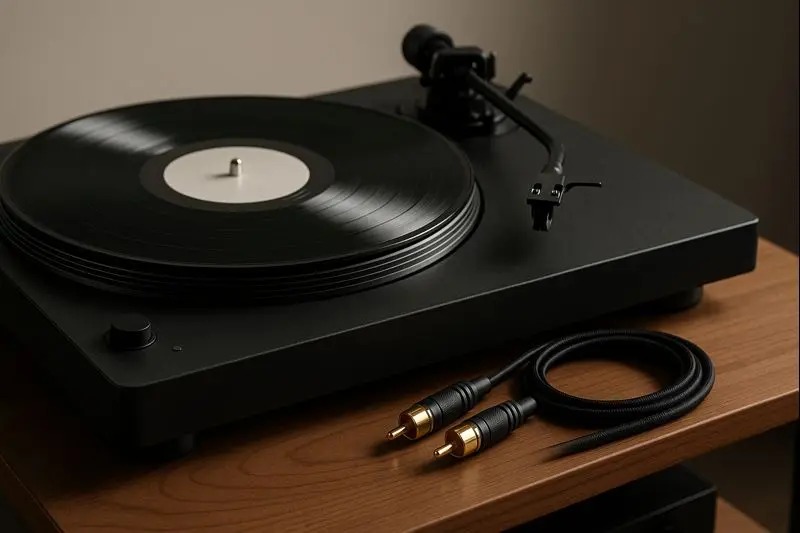
Do Speaker Cables Really Matter for Audio Quality
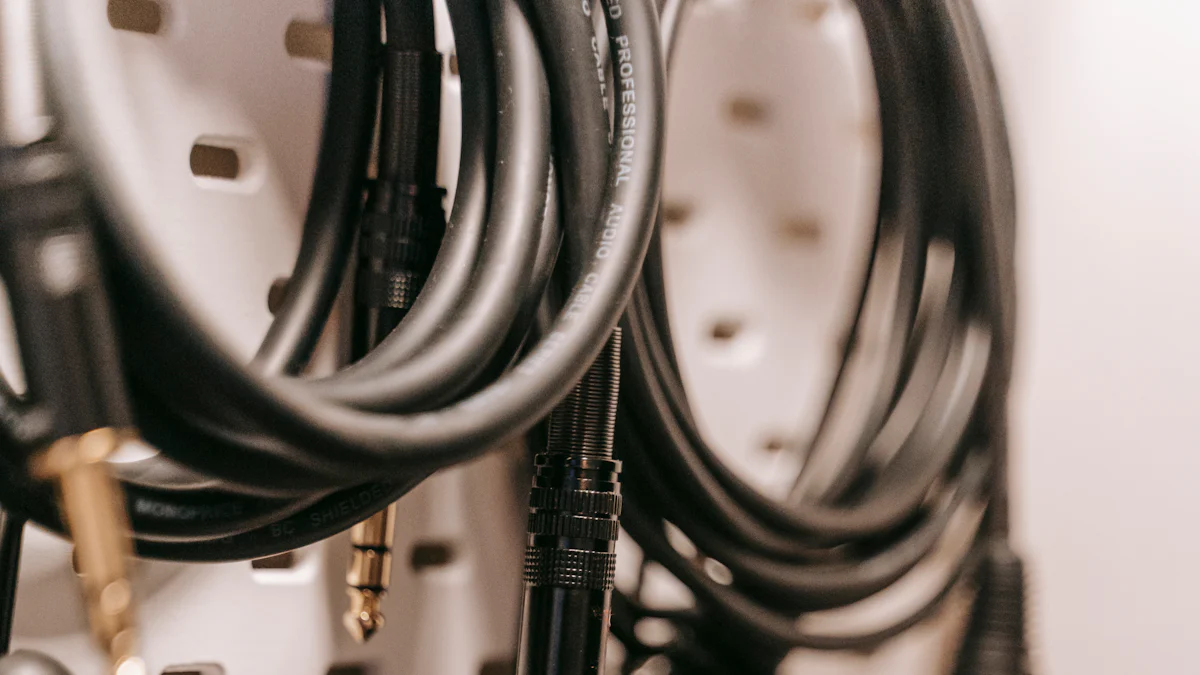
When I first started exploring audio systems, I didn’t think much about speaker cables. But over time, I realized they can make a difference. Factors like resistance, capacitance, and inductance play a role. For example:
- Longer or thinner cables increase resistance, which can hurt sound quality.
- Capacitance might mess with higher frequencies, especially in high-end setups.
- Inductance impacts performance at higher frequencies in complex systems.
A study even showed that cable geometry matters. Closely spaced wires reduce errors compared to widely spaced ones. Another study found that cables interact with speakers and amplifiers, affecting sound reproduction. So, yes, speaker cables do matter, but the impact depends on your setup.
If you’re curious, check out options like this Speaker Cable to see what fits your needs.
Key Takeaways
- Speaker wires can change how sound feels. Things like resistance, capacitance, and inductance are important.
- Pick the right thickness for your system. Thicker wires lower resistance and make sound clearer, especially for long distances.
- Cheaper and mid-priced wires usually work fine for most setups. Paying more doesn’t always mean better sound.
Understanding the Role of Speaker Cables
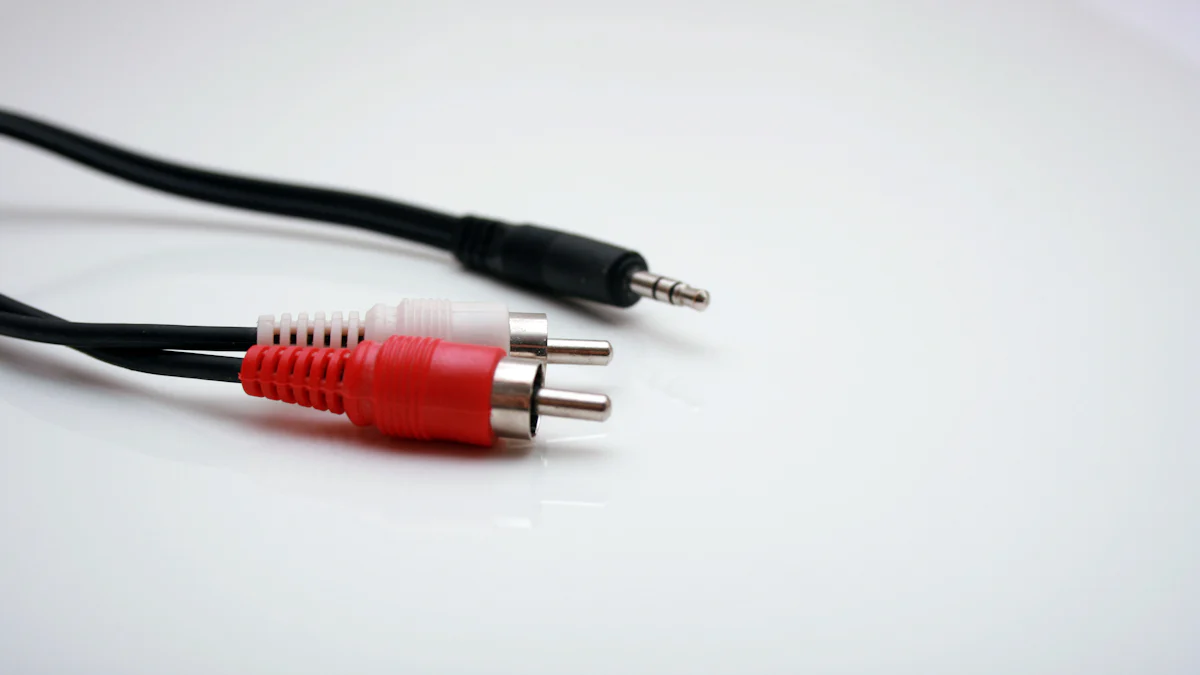
How Speaker Cables Transmit Audio Signals
I used to think speaker cables were just wires, but they’re more than that. They carry the audio signal from your amplifier to your speakers. This signal is electrical, and the cable’s job is to deliver it as cleanly as possible. If the cable doesn’t do its job well, the sound can lose clarity or detail. Think of it like water flowing through a pipe—if the pipe is too narrow or has leaks, the flow gets disrupted. Similarly, a poor-quality speaker cable can mess with the signal, affecting the sound you hear.
Key Technical Factors: Resistance, Capacitance, and Inductance
When I first learned about resistance, capacitance, and inductance, it sounded complicated. But here’s the gist:
- Lower resistance means more power reaches your speakers, resulting in clearer sound. Too much resistance can distort the sound or reduce performance.
- Capacitance, which is usually measured in picofarads (pF), can interfere with higher frequencies. For example, premium cables might have capacitance between 100–300 pF, which could cause slight losses over shorter distances.
- Inductance affects high frequencies, especially in complex systems.
These factors might seem small, but they can add up, especially in high-end setups.
The Effect of Cable Length and Gauge on Sound Quality
Cable length and thickness (or gauge) matter more than I expected. Longer cables increase resistance, which can hurt sound quality. Thicker cables, with lower AWG numbers, reduce resistance and improve signal transmission. For most setups, a 12- or 14-gauge cable works well. If you’re running cables over long distances, go for a thicker gauge to avoid signal loss. It’s a simple tweak that can make a big difference.
Comparing Speaker Cable Options
Budget Speaker Cables: What to Expect
When I first looked at budget speaker cables, I didn’t expect much. But I was surprised. These cables often use basic materials like copper, which balances cost and performance. They’re usually thinner, so they might not work well for long cable runs. If you’re setting up a small system or just starting out, budget cables can do the job. Just keep the length short and make sure the connectors are solid. A good connection can make a big difference in sound quality.
Mid-Tier Speaker Cables: Balancing Cost and Performance
Mid-tier cables are where things get interesting. I’ve found these cables offer better materials and construction without breaking the bank. Many use thicker wires (lower gauge numbers) to reduce resistance, which improves sound clarity. Some even have features like better shielding to reduce interference. If you’re serious about your audio but don’t want to spend a fortune, mid-tier cables strike a great balance. They’re perfect for most home setups.
High-End Speaker Cables: Are They Worth the Price?
High-end cables are a hot topic. I’ve tried a few, and while they look impressive, the sound difference isn’t always huge. These cables often use exotic materials like silver or oxygen-free copper. They also have advanced designs to minimize resistance, capacitance, and inductance. If you have a high-end system and want every detail to shine, they might be worth it. But for most people, the improvement might not justify the cost.
Examples of Popular Speaker Cables in Each Category
Here are some examples I’ve come across:
- Budget: AmazonBasics Speaker Wire is affordable and reliable for small setups.
- Mid-Tier: Monoprice 12AWG cables offer great performance for the price.
- High-End: AudioQuest Rocket 44 cables are premium and designed for audiophiles.
Each option has its strengths. Choose based on your system and what matters most to you.
Debunking Speaker Cable Myths
Do Expensive Speaker Cables Always Sound Better?
I’ve heard this claim so many times: expensive cables always sound better. But is it true? Honestly, not really. Many experts agree that high-end cables often don’t deliver noticeable improvements in sound quality compared to affordable ones. The difference is usually subtle, if it exists at all. Vendors often rely on subjective opinions rather than measurable data to back their claims. I’ve tested both budget and premium cables, and in most cases, the sound quality didn’t change much. If you’re spending more, you’re likely paying for aesthetics or brand reputation rather than actual performance.
The Truth About Oxygen-Free Copper and Exotic Materials
Oxygen-free copper, silver, and other exotic materials sound fancy, right? I used to think they were essential for great sound. But here’s the truth: they don’t make a huge difference for most setups. Regular copper works just fine for transmitting audio signals. The idea that oxygen-free copper drastically improves sound is more marketing than science. Unless you’re running a super high-end system, these materials won’t transform your listening experience. Save your money for something that truly enhances your setup, like better speakers or an upgraded amplifier.
Marketing Claims vs. Measurable Performance
Speaker cable marketing can be overwhelming. Companies throw around terms like “reduced jitter” or “enhanced clarity,” but how much of it is real? Let’s break it down:
- The myth that expensive cables are necessary for good sound quality is just that—a myth. The best cable is the one that fits your system.
- Claims about reducing jitter in digital audio are often exaggerated. Jitter exists, but it’s usually caused by the recording, not the cable.
- For digital cables, the idea that they improve sound quality is misleading. Digital signals either work or they don’t.
I’ve learned to focus on measurable performance rather than flashy claims. A well-made, properly sized cable will do the job without breaking the bank.
Choosing the Right Speaker Cable for Your System
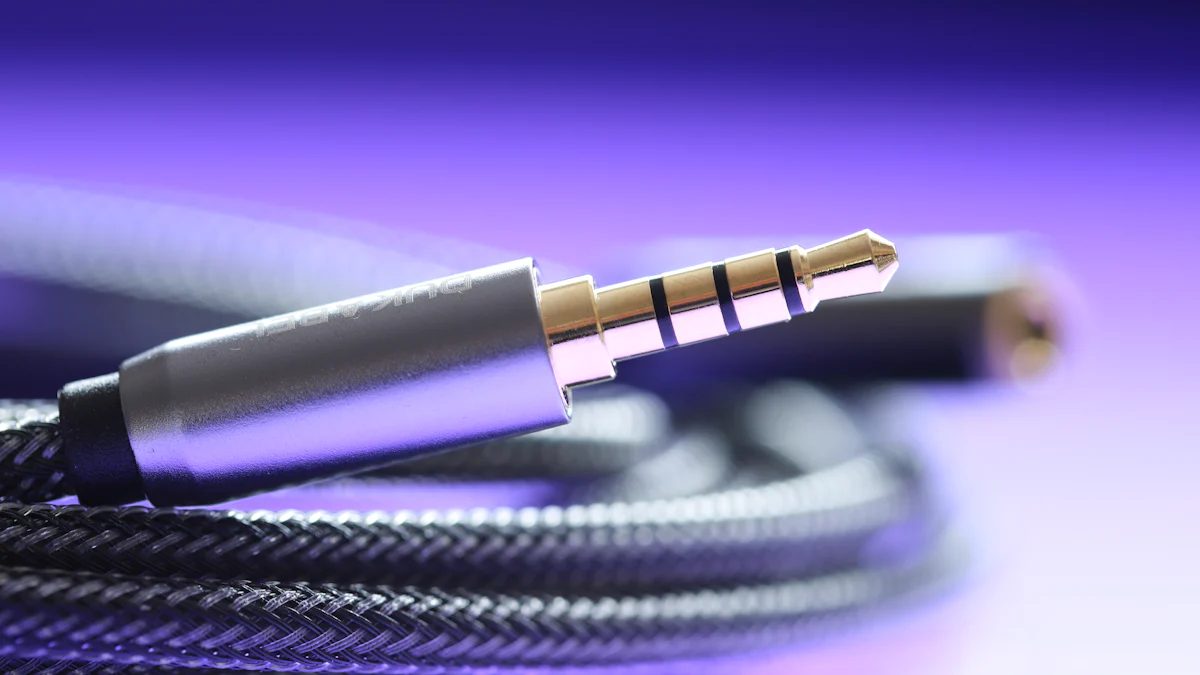
Matching Speaker Cables to Your Audio Setup
When I started picking speaker cables for my system, I realized it wasn’t a one-size-fits-all situation. Your audio setup plays a big role in what you need. For example:
- If your speakers are far from the amplifier, thicker wires (lower gauge) are better. They reduce resistance and keep the sound clear.
- Copper cables are common because they’re affordable and reliable. Silver cables, though pricier, offer better conductivity if you’re chasing perfection.
- Lower resistance cables ensure more power reaches your speakers, which is crucial for high-quality sound.
Here’s how I approach it:
- I check my system’s power output and speaker impedance.
- I compare different cable brands and materials.
- I read reviews and ask for advice from audio experts.
This process helps me find the right balance between performance and cost.
Considering Room Acoustics and Placement
Room acoustics surprised me when I first set up my system. The way sound bounces around can change how you hear it. If your room has lots of hard surfaces, like tiles or windows, it might make the sound harsh. Softer surfaces, like carpets or curtains, absorb sound and make it warmer.
Placement matters too. Keep cables away from power cords to avoid interference. If you’re running cables under rugs or along walls, make sure they’re durable and long enough to reach without stretching. Testing different placements helped me find the sweet spot for my setup.
Budgeting for Speaker Cables: How Much Should You Spend?
I used to think spending a lot on speaker cables was necessary. But I’ve learned that’s not always true. For most systems, budget or mid-tier cables work perfectly fine. Here’s my rule of thumb: spend about 5-10% of your total audio system budget on cables.
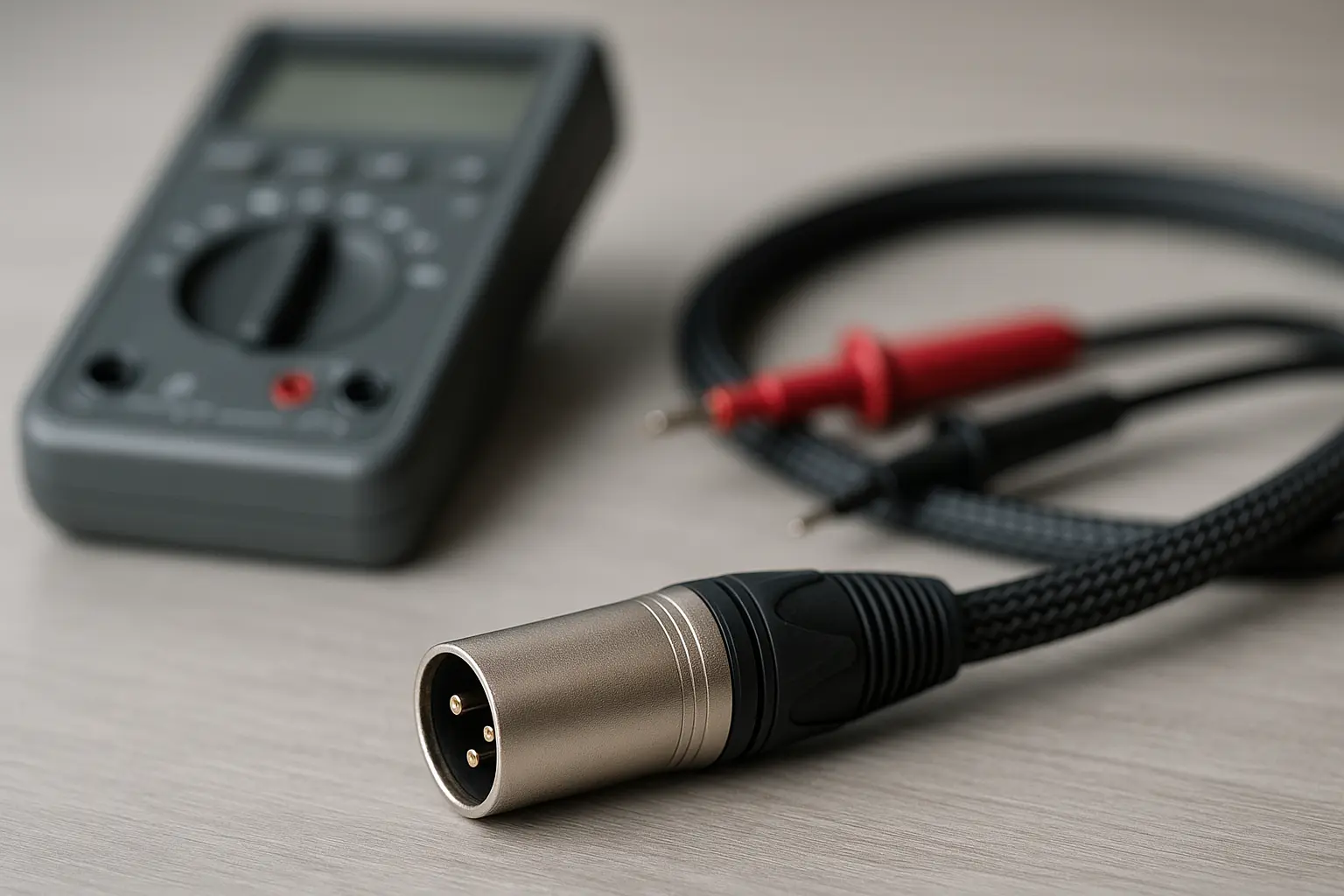
If you’re unsure, test your cables. Start by turning off your system and inspecting the cables for damage. Check the polarity to ensure the positive and negative terminals align. If you suspect a cable isn’t working, swap it out and see if the sound improves. A multimeter can also help measure resistance to confirm if a cable is faulty. These steps saved me from overspending on unnecessary upgrades.
Speaker cables can influence sound quality, but their importance depends on your system and room. High-end options may offer slight improvements, but budget and mid-tier cables often suffice. Focus on compatibility, like using copper for cost-effectiveness or silver for better conductivity. Prioritize secure connections and system synergy for the best results.
FAQ
What’s the best speaker cable for beginners?
I’d recommend starting with budget-friendly copper cables. They’re reliable, affordable, and work well for most setups. Keep the length short and choose a 12- or 14-gauge wire.
Can I hear a difference between cheap and expensive cables?
Honestly, it depends on your system. For most setups, the difference is minimal. High-end cables might help in premium systems, but they’re not always worth it.
How do I know if my speaker cables are too long?
Long cables increase resistance, which can hurt sound quality. If your cables are over 50 feet, consider using thicker wires (lower gauge) to reduce signal loss.