

EMI-Shielded Audio Cables for Medical Facilities
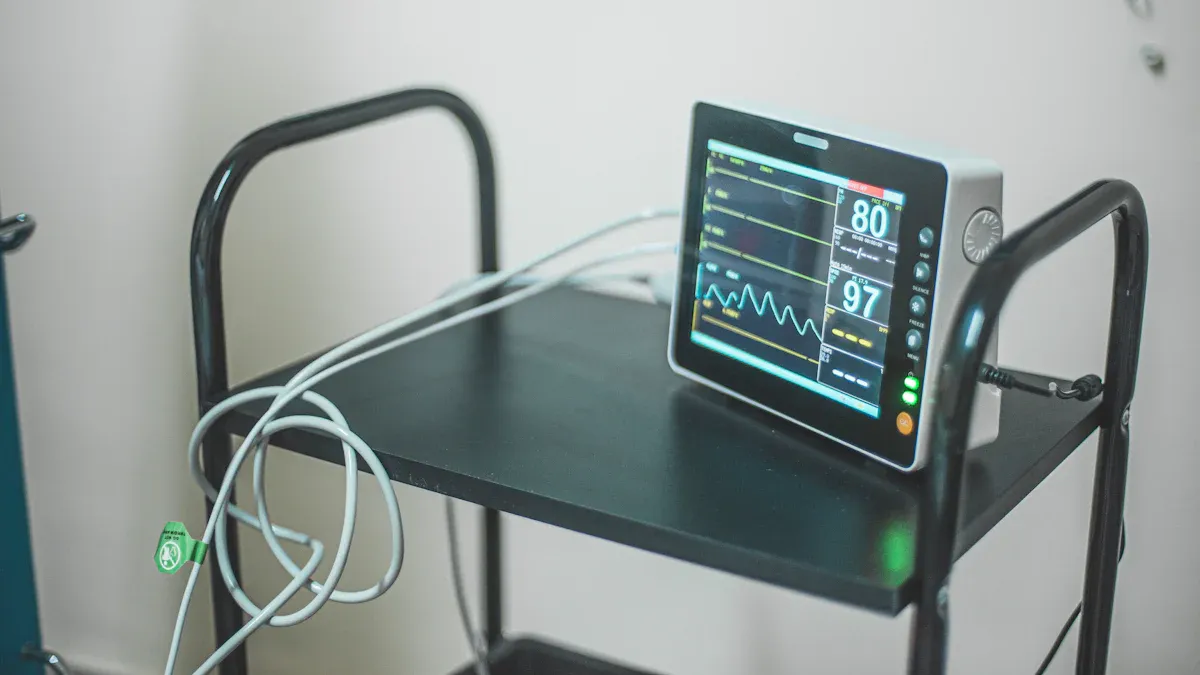
Medical facilities rely on EMI-shielded audio cable to ensure clear signal transmission. Sensitive devices stay protected from interference. Many hospitals choose made in thailand audio cable for reliability. Proper cable selection supports patient safety and accurate equipment performance.
Key Takeaways
- EMI-shielded audio cables protect sensitive medical devices from interference, ensuring accurate signals and patient safety.
- Unshielded cables can cause noise and malfunctions in critical equipment like pacemakers, risking patient health.
- Choosing high-quality, well-shielded cables that meet safety standards helps hospitals maintain reliable and safe medical systems.
The Importance of EMI-Shielded Audio Cable in Medical Facilities
Understanding EMI and Its Sources in Healthcare
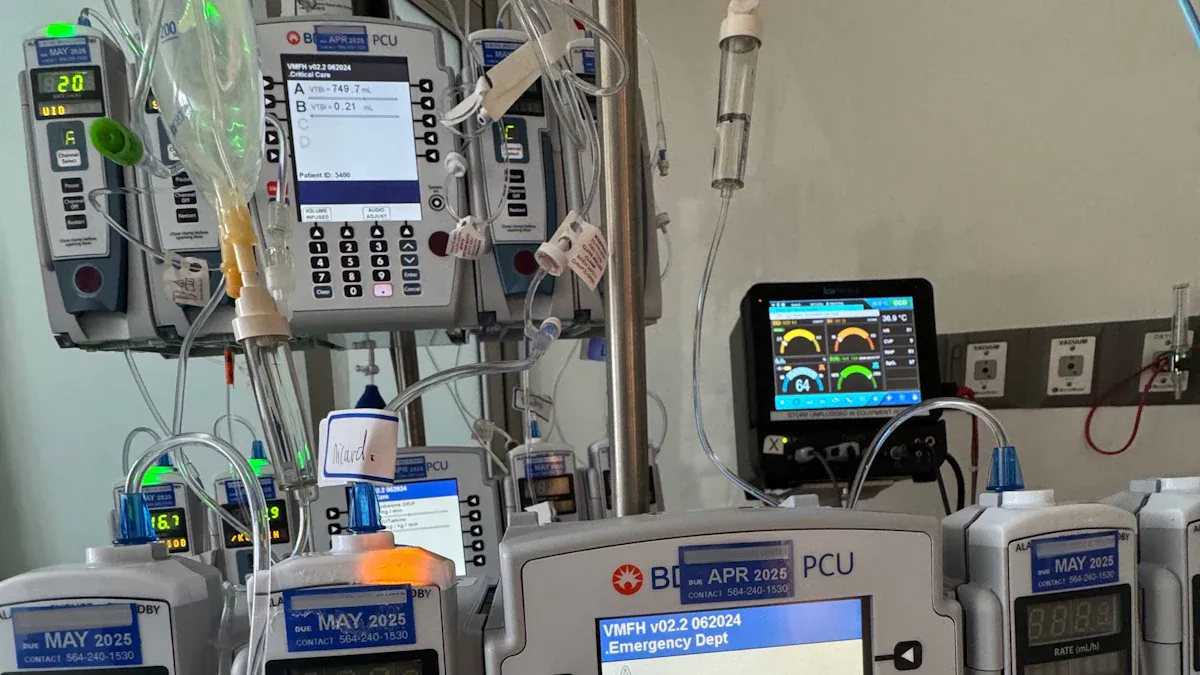
Electromagnetic interference, or EMI, affects many electronic systems in hospitals. EMI comes from both wireless and wired sources. In healthcare settings, common sources include:
- Cellular phones
- Walkie-talkie radios
- Wireless networks
- Personal digital assistants
- Bluetooth devices
All electric devices emit some electromagnetic radiation. Cellular phones often receive the most attention because of their frequency and power. Even devices not designed to transmit signals can emit radiofrequency radiation. Most EMI problems happen when wireless transmitters operate too close to sensitive equipment. Hospitals now create policies to balance mobile communication needs with the risk of EMI. Staff must keep transmitting devices at least one meter away from critical medical equipment to reduce interference.
Risks of Unshielded Audio Cable for Medical Equipment
Unshielded audio cable can create serious risks in medical environments. EMI introduces unwanted electrical noise that disrupts electronic systems. This noise degrades signal quality and can cause faults in precision equipment. In hospitals, sensitive devices need clean signals to work properly. EMI can distort audio signals or cause equipment to malfunction.
Unshielded cables can pick up EMI and radio frequency interference, leading to noise, signal distortion, and false readings. Devices like pacemakers, defibrillators, and monitors are especially vulnerable. Their wires can act like antennas, making them more likely to pick up interference. This can result in device malfunctions, false alarms, or incorrect operation of life-saving equipment. Proper shielding in audio cable helps prevent electric shocks, power surges, and circuit failures. Shielded cables use materials such as aluminum foil or copper braid to block or redirect EMI. This protection ensures reliable operation and accurate signals for sensitive medical devices.
Note: Shielded audio cable maintains signal clarity and device performance, preventing interference that could compromise patient care.
Patient Safety and Diagnostic Accuracy
Patient safety depends on accurate and reliable medical equipment. EMI can disrupt diagnostic imaging and monitoring devices. High-power machines like MRI and CT scanners emit strong electromagnetic fields. These fields can interfere with nearby instruments. Wireless networks and other electronic devices add to the crowded electromagnetic environment in hospitals.
EMI can degrade the accuracy of diagnostic results. It may cause poor image quality, artifacts, or even failures in electronic components. This can lead to misdiagnosis or delayed treatment, especially in urgent situations. For example, a pacemaker malfunction caused by EMI from an electric warming blanket resolved only after the blanket was removed and the device reprogrammed. Early detection and mitigation of EMI are critical to prevent adverse outcomes.
Hospitals use shielding, filtering, grounding, and isolation to protect equipment. EMI test receivers help monitor emissions and ensure compliance with safety standards. These measures keep medical imaging and monitoring systems accurate and safe for patients.
Hospitals that invest in EMI-shielded audio cable reduce the risk of diagnostic errors and improve patient outcomes.
How EMI-Shielded Audio Cable Works and What to Look For
Types of Shielding in Audio Cable
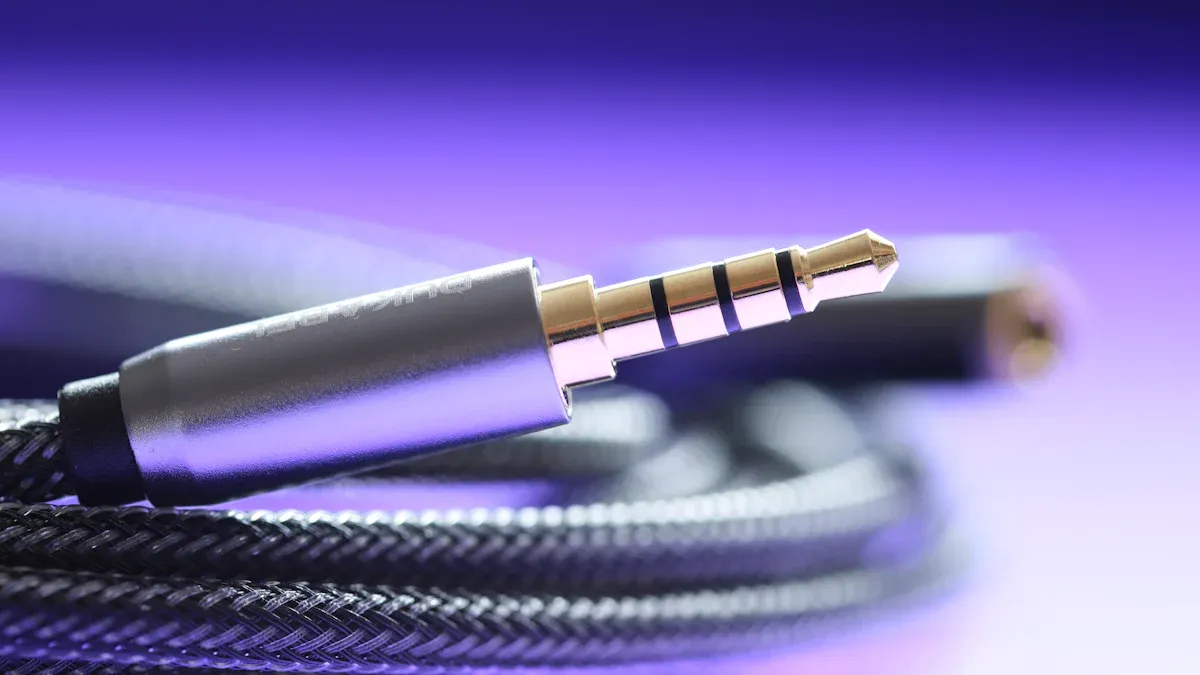
EMI-shielded audio cable uses special materials to block unwanted electromagnetic signals. The main types of shielding include foil, braided, spiral, and combination shielding. Foil shielding wraps the conductor with a thin metal layer, giving full coverage against high-frequency interference. Braided shielding uses woven copper mesh, offering strong protection and flexibility, especially against low-frequency EMI. Spiral shielding provides flexibility and light weight but less strength. Combination shielding uses two or more methods for maximum protection. Copper remains the most common material because of its high conductivity and corrosion resistance. NINGBO JINGYI ELECTRONIC Co., LTD. uses advanced copper shielding in its medical audio cable products to ensure reliable performance in high-EMI environments.
Key Features of High-Quality EMI-Shielded Audio Cable
A high-quality audio cable for medical use must have strong EMI shielding, durable construction, and proper grounding. The cable should use conductive materials like foil or braided wire to absorb interference. Twisted pair construction helps reduce noise. Good grounding methods keep signals safe and stable. Durability is important because medical environments can be harsh. Flexible cables make installation easier, but they must still protect against EMI. NINGBO JINGYI ELECTRONIC Co., LTD. designs its cables for both strength and flexibility, supporting long-term reliability in hospitals.
Regulatory Standards and Compliance for Medical Audio Cable
Medical audio cable must meet strict standards to ensure safety and performance. In the United States, cables must pass FCC emissions tests. In Europe, both emissions and immunity tests are required under the EMC Directive. Asian countries like China and South Korea also require emissions and immunity testing. Compliance with standards such as IEC 60601-1-2 is essential for medical devices. Hospitals should choose cables from trusted suppliers like NINGBO JINGYI ELECTRONIC Co., LTD., who follow these regulations to guarantee safe and effective operation.
- EMI-shielded audio cables protect critical devices like pacemakers and ventilators from interference, supporting patient safety and reliable care.
- Proper installation and training help facilities meet accreditation standards and avoid costly errors.
By: LynnFacility managers should prioritize these cables to maintain high standards and safeguard sensitive equipment.
Tel: +86 574 86100572#8816
Whatsapp: +86 15168592711
E-mail: sales@jingyiaudio.com
Youtube: JINGYI
Facebook: JINGYI