

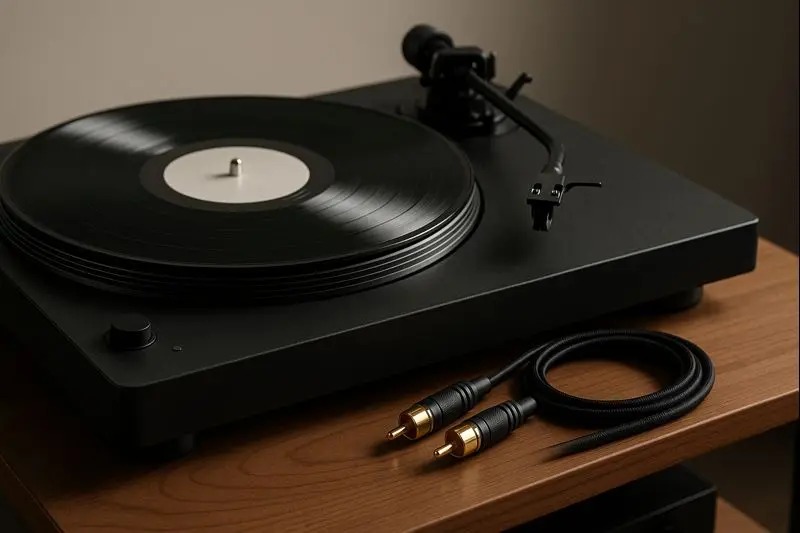
Essential Tips for Picking the Perfect Instrument Cable
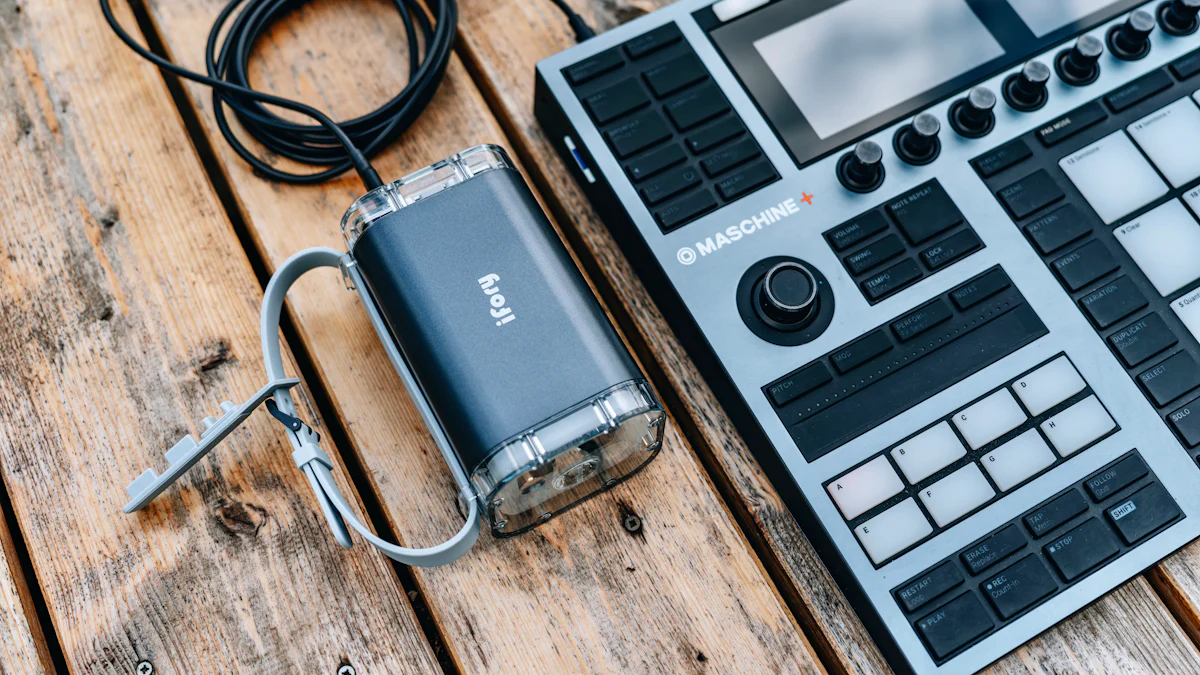
I’ve learned the hard way that not all instrument cables are created equal. The right cable can make your guitar or keyboard sound crisp and full, while the wrong one can leave you frustrated with noise and weak tones. Poor-quality cables often cause issues like grainy treble, mushy bass, or even listening fatigue. High-quality cables, especially those made with oxygen-free copper or gold-plated connectors, ensure better conductivity and reduce interference. Whether you’re jamming at home or performing live, picking the right cable tailored to your setup is key to getting the best sound.
Check out this guide for more details on choosing the perfect instrument cable.
Key Takeaways
- Pick strong cables made of oxygen-free or silver-plated copper. These give better sound and last longer.
- Use cables shorter than 20 feet to keep sound clear. Longer cables can weaken the signal.
- Buy high-quality cables if you play live or record music. They sound better and work more reliably.
Key Factors for Choosing an Instrument Cable
Conductor Material and Quality
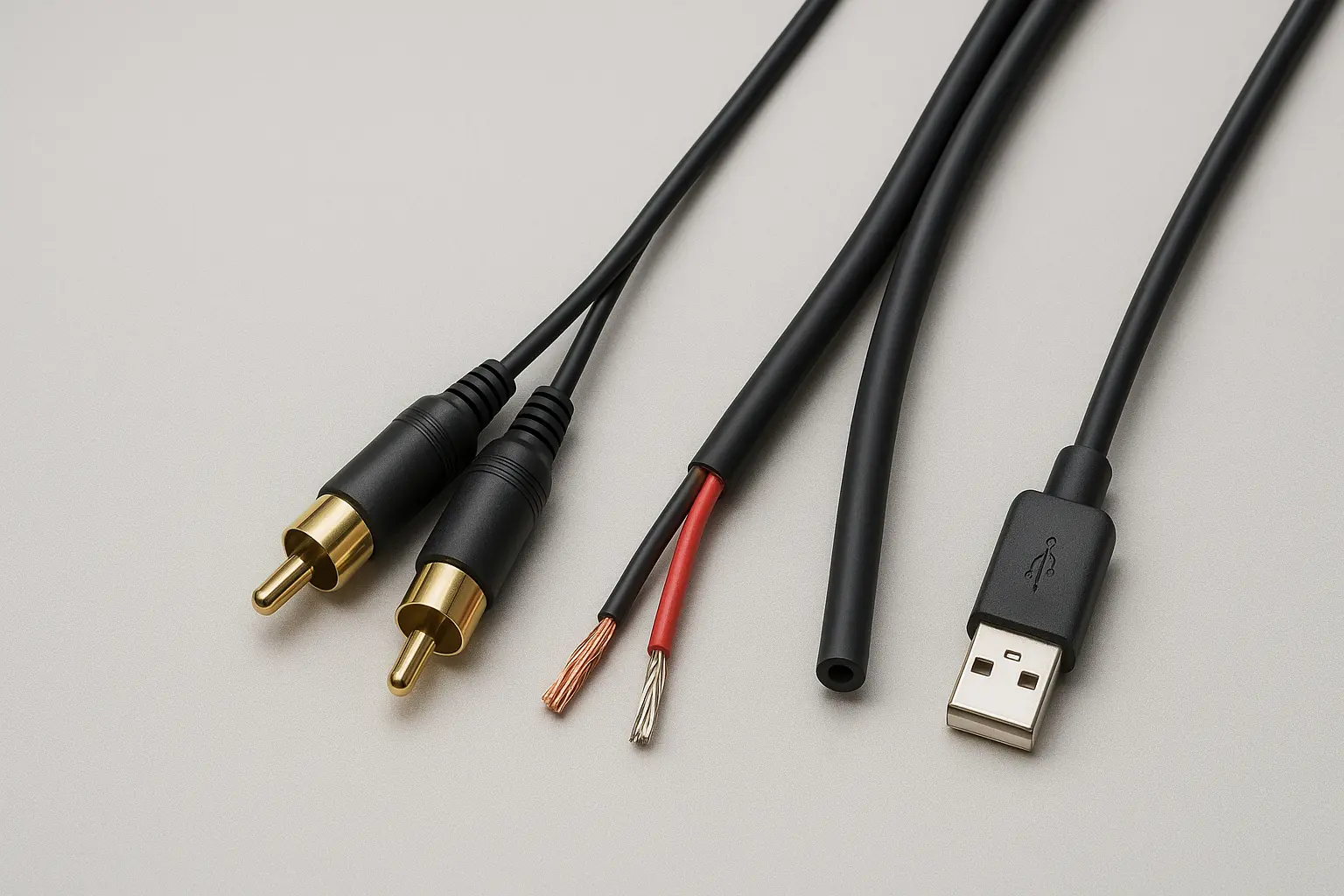
When I first started shopping for an instrument cable, I didn’t realize how much the conductor material could affect my sound. Most cables use copper because it’s highly conductive and gives a warm, balanced tone. Some high-end cables even use oxygen-free copper or silver-plated copper, which improve signal transfer and reduce interference. Silver, while more conductive than copper, is pricier and tends to produce a brighter sound. Personally, I stick with copper for its affordability and warmth, but if you’re recording in a studio, silver might be worth the investment.
Here’s a quick breakdown:
- Copper: Warm sound, affordable, and widely used.
- Silver: Bright sound, excellent for clarity, but more expensive.
Shielding for Noise Reduction
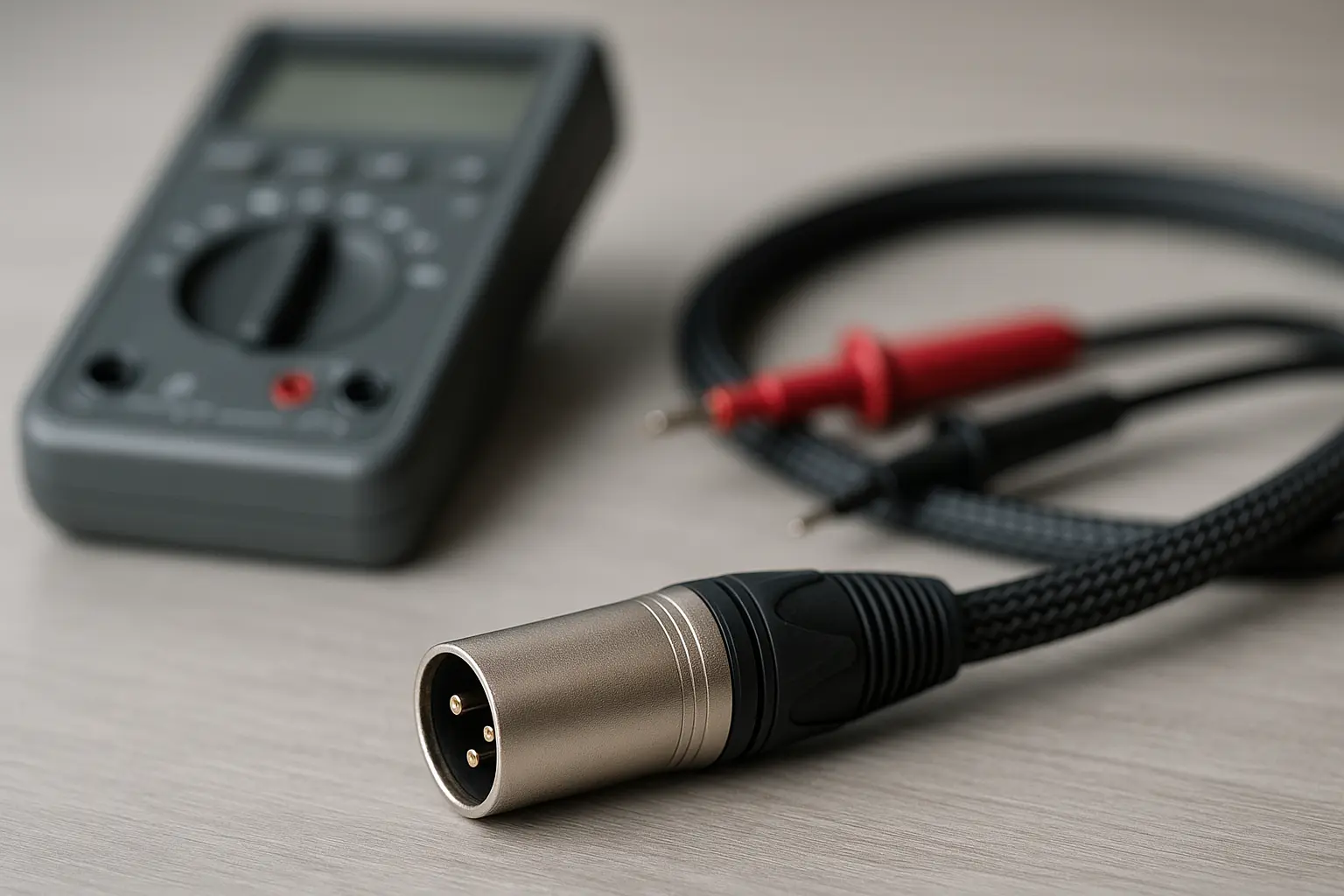
Ever plugged in your guitar and heard that annoying hum? That’s where shielding comes in. A good shield blocks interference from things like radio signals or electrical noise. I’ve found that braided shielding works best for durability and noise resistance, but it’s a bit pricier. Foil shielding is lightweight and cheaper, but it’s not as strong. For the best of both worlds, multi-shield designs combine different types for maximum protection.
| Shield Type | Effectiveness | Characteristics |
|---|---|---|
| Foil Shield | Good | Lightweight, low cost, 100% coverage. |
| Braid Shield | Better | Strong, resistant to interference, ideal for live performances. |
| MultiShield | Best | Combines strengths of foil and braid, great for all-around performance. |
Capacitance and Its Effect on Tone
Capacitance was a mystery to me until I noticed my tone sounding duller with longer cables. It’s basically how much electrical charge the cable holds. Higher capacitance means less treble and a muddier sound. Shorter cables usually have lower capacitance, which keeps your tone bright and clear. If you play a passive instrument like an electric guitar, this is especially important. I always go for low-capacitance cables to preserve my high-end sparkle.
Connector Types and Compatibility
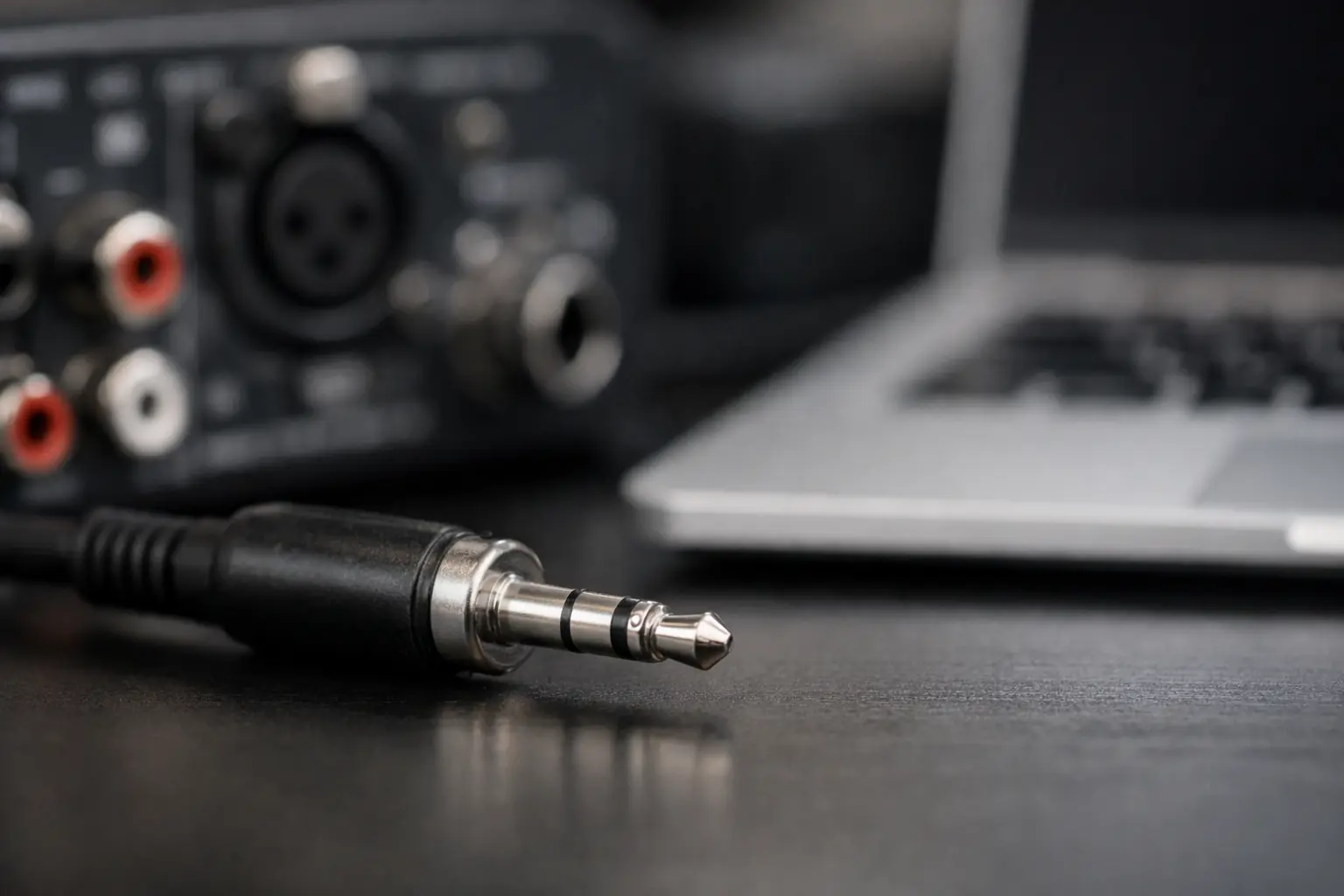
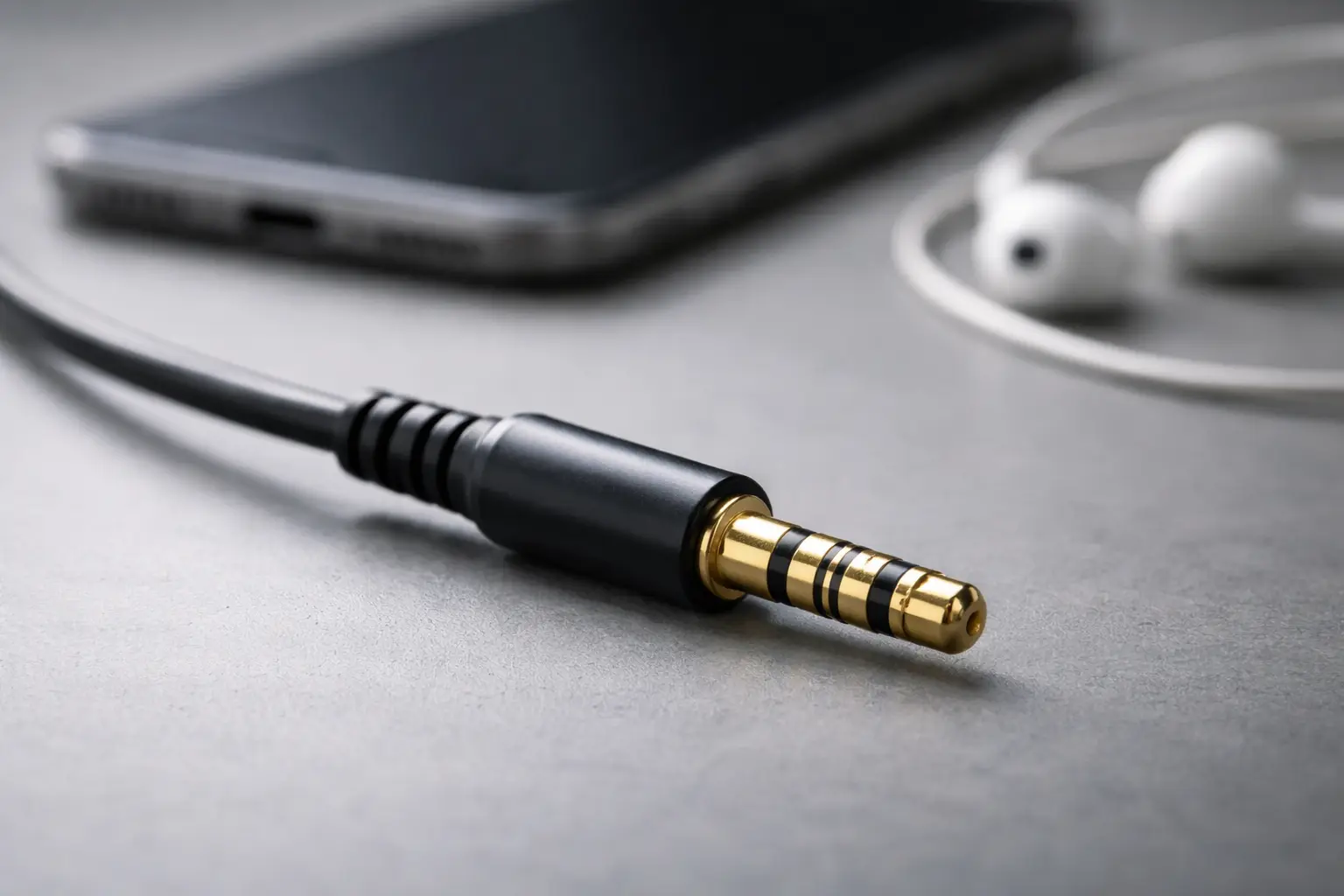
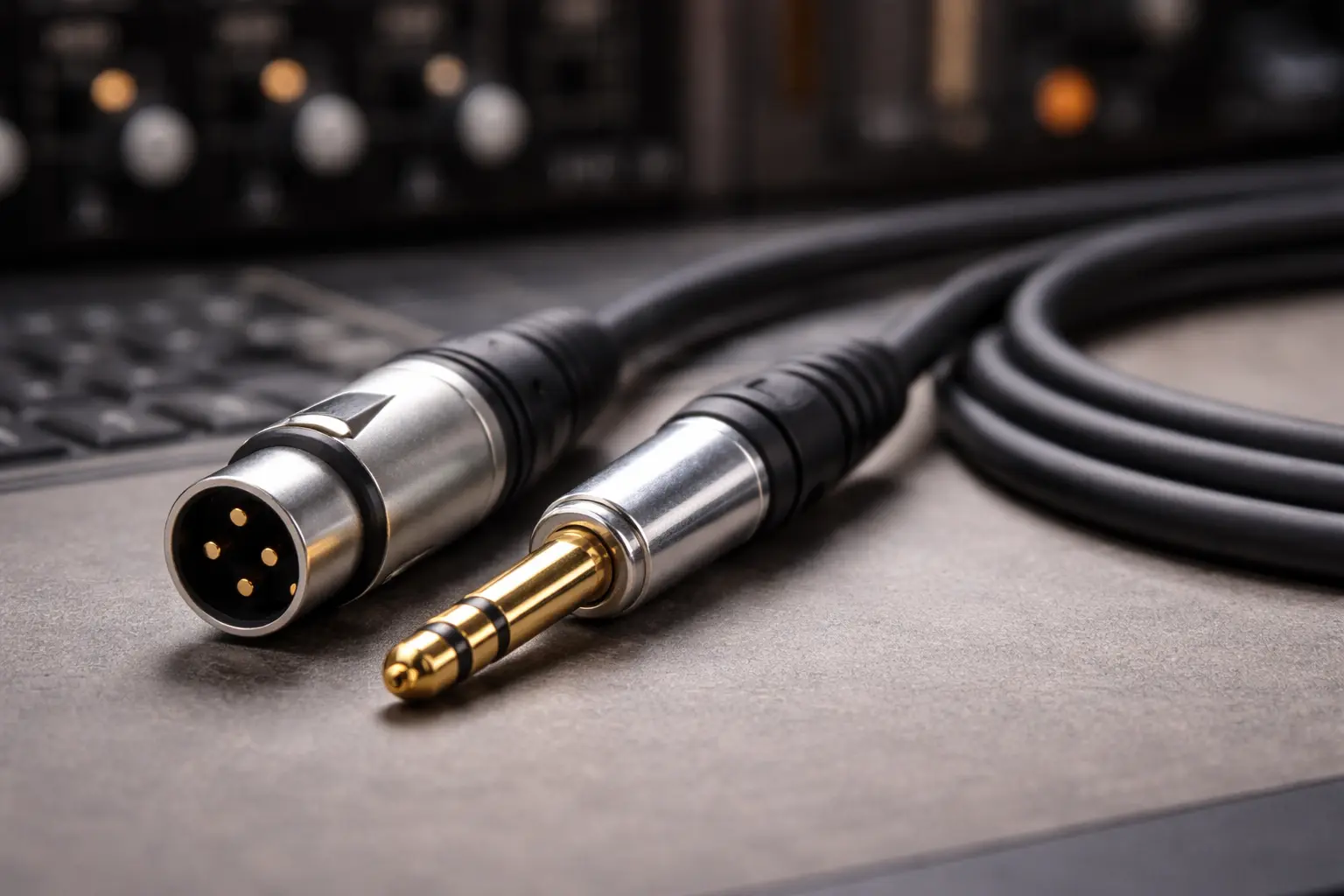
Choosing the right connector is just as important as the cable itself. For most instruments, TS connectors (the standard 1/4-inch jack) work fine, but they’re prone to interference. TRS connectors are better for reducing noise and are great for stereo setups. If you’re working with microphones or powered speakers, XLR connectors are the way to go. I always double-check my gear to make sure the connectors are compatible before buying.
| Connector Type | Description | Compatibility Impact |
|---|---|---|
| TS | Basic connector, prone to interference. | Limited compatibility for high-quality setups. |
| TRS | Reduced interference, stereo capability. | Ideal for professional audio. |
| XLR | Superior noise resistance, secure connection. | Perfect for microphones and long cable runs. |
Cable Length and Its Impact on Signal Quality
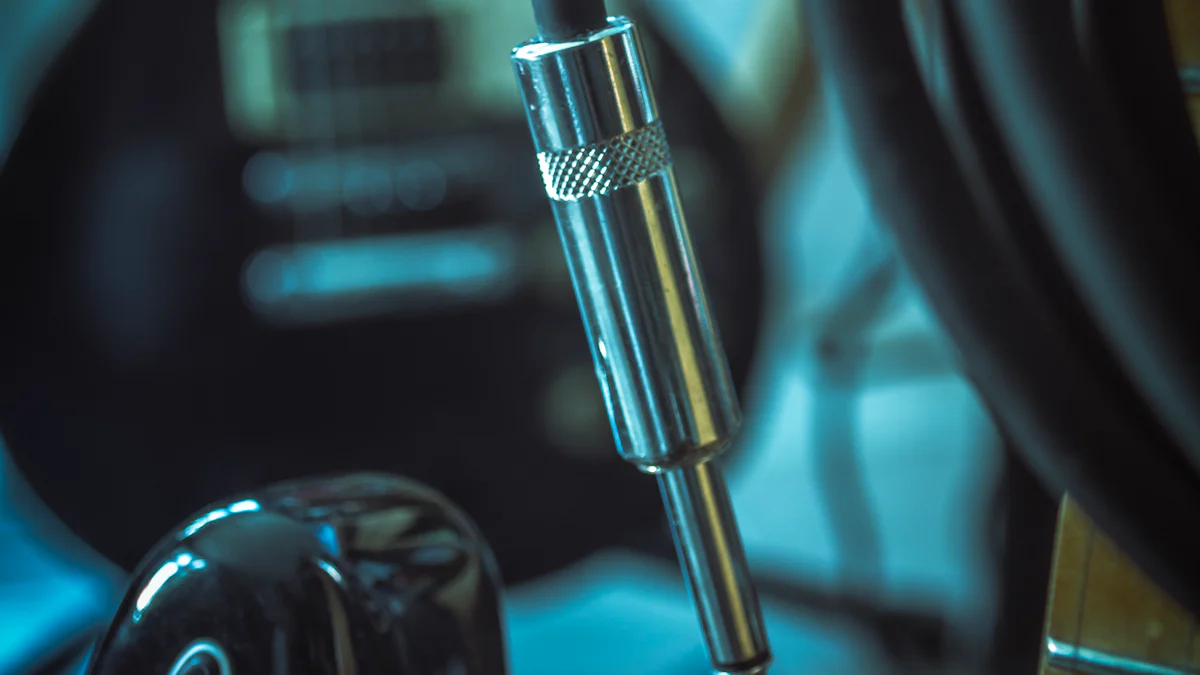
How Length Affects Tone and Signal Loss
When I first started experimenting with different cable lengths, I didn’t realize how much it could change my sound. Longer cables might seem convenient, but they can mess with your tone in surprising ways.
Here’s what I’ve learned:
- Longer cables have more resistance, which weakens the signal and makes your tone sound dull.
- They also have higher capacitance, which can roll off those crisp high-end frequencies.
- On top of that, longer cables are like magnets for interference and noise.
I noticed that when I used a cable over 20 feet, my guitar sounded darker and less vibrant. If you’re playing live or recording, that’s the last thing you want. Keeping your cable length under 20 feet is a good rule of thumb to avoid signal loss and keep your tone clear.
Choosing the Right Length for Your Setup
Picking the right cable length isn’t just about avoiding tone issues. It’s also about making sure your setup works smoothly. I always measure the distance between my instrument and amp before buying a cable. If the cable’s too short, it can limit your movement and make playing uncomfortable.
Here’s what I recommend:
- Measure the distance between your gear to find the ideal length.
- Avoid cables that are too long, as they can hurt your sound quality.
- If you move around a lot while playing, leave some extra slack for flexibility.
For most setups, a cable between 10 and 20 feet works perfectly. It gives you enough room to move without sacrificing tone. Whether you’re jamming at home or performing on stage, the right length makes all the difference.
Durability and Flexibility in Instrument Cables
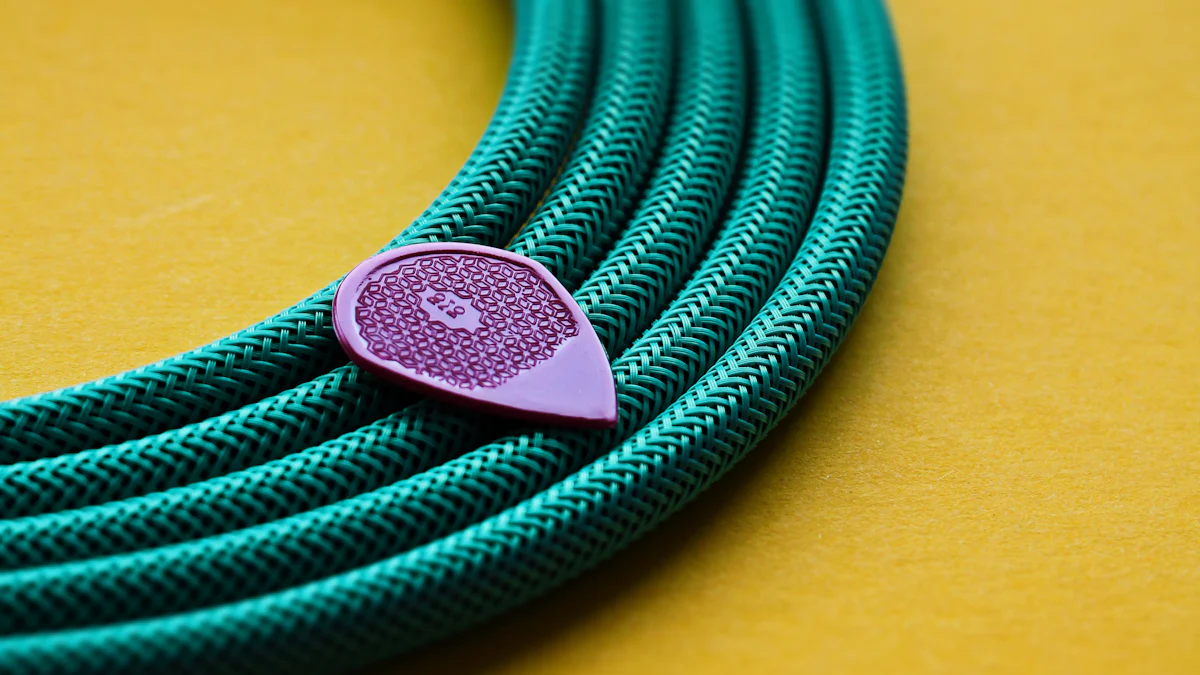
Outer Jacket Materials and Their Benefits
When I first started looking for a durable instrument cable, I didn’t realize how much the outer jacket mattered. It’s the first line of defense against wear and tear. Rubber jackets are common and offer decent protection, but they can feel stiff. PVC jackets are more flexible and lightweight, which makes them great for everyday use. For heavy-duty needs, I’ve found braided jackets to be the most reliable. They’re tough and resist damage from constant bending or stepping.
If you’re gigging or moving your gear a lot, go for a cable with a strong jacket. It’ll save you from replacing it too soon.
Construction Features for Longevity
The way a cable is built plays a huge role in how long it lasts. I always check for reinforced connectors because they’re the most vulnerable part. Heat-shrink tubing around the connectors adds extra strength. Strain relief is another feature I look for. It prevents the cable from breaking where it meets the plug.
I’ve also noticed that cables with thicker insulation last longer. They handle rough use better and protect the internal wires. Spending a little more on a well-constructed cable has saved me money in the long run.
Flexible Designs for Easy Handling
Flexibility might not seem like a big deal, but it makes a difference. Stiff cables are harder to coil and can tangle easily. I prefer cables with a soft, flexible design. They’re easier to manage and don’t fight back when I’m setting up.
If you’re like me and hate dealing with messy cables, look for one that’s labeled as “road-ready” or “flexible.” It’ll make your life so much easier.
Balancing Budget and Value
Cost vs. Quality: What to Look For
When I started buying instrument cables, I quickly learned that price often reflects quality. Cheap cables might save you money upfront, but they can hurt your sound and break easily. High-quality cables cost more because they use better materials and construction. For example:
- Premium cables often feature oxygen-free copper or gold-plated connectors for better conductivity.
- They’re built to last, with reinforced connectors and durable shielding.
- Budget cables, on the other hand, can introduce noise or degrade your tone.
If you’re serious about your music, investing in a good cable is worth it. It’s not just about sound quality—it’s about reliability and performance.
When to Invest in Premium Cables
I always recommend premium cables for professionals or anyone performing live. They deliver superior sound quality, which is crucial when every detail matters. Brands like Mogami or Evidence Audio use top-notch materials and advanced designs to ensure clarity and durability. Premium cables also reduce interference, even in noisy environments. If you’re recording or playing gigs, a high-end cable can make a noticeable difference.
Affordable Options for Beginners and Hobbyists
If you’re just starting out, you don’t need to spend a fortune. There are plenty of affordable cables that offer great value. Here are a few I’ve tried:
| Cable Name | Length (m) | Price ($) | Features |
|---|---|---|---|
| D'Addario PW-G Custom Series | 1.5 | 18 | Low capacitance, oxygen-free copper, double-layer shielding, gold-plated connectors |
| BOSS BIC Series | 1.5 | 26 | Oxygen-free copper core, 24K gold-plated contacts, heavy-duty braided shield |
| Fender Professional Series Cable | 1.5 | 23 | Thick gauge, 95% oxygen-free copper spiral shielding |
| Ernie Ball Braided Instrument | 3 | 27 | Tangle-resistant, dual-conductors, 99.95% oxygen-free copper |
These cables balance cost and quality, making them perfect for beginners or casual players.
Picking the right instrument cable boils down to a few key things. The material matters—oxygen-free copper or silver-plated copper ensures better sound and durability. Length plays a big role too. A cable that’s too long can weaken your signal, while the right length keeps your tone intact. Don’t forget the connectors! Gold-plated ones prevent interference and keep your sound clear.
I’ve learned that quality always beats saving a few bucks. High-quality cables last longer, sound better, and perform reliably. Whether you’re a beginner or a pro, choose a cable that fits your setup and playing style. Trust me, it’s worth the investment for great sound and peace of mind. 🎸
FAQ
What’s the difference between instrument cables and speaker cables?
Instrument cables carry low-level signals and need shielding to block noise. Speaker cables handle high-power signals and don’t require shielding. Never swap them—they’re not interchangeable!
How often should I replace my instrument cable?
I replace mine when I notice sound issues like crackling or signal loss. A good-quality cable can last years with proper care.
Tip: Store your cables coiled neatly to extend their lifespan.
Can I use the same cable for guitar and keyboard?
Yes, as long as the connectors match. I use a standard 1/4-inch TS cable for both. Just make sure it’s the right length for your setup.
🎸 Pro Tip: Keep a spare cable handy for gigs or practice sessions.