

Fire-Rated Audio Cables for Theater Installations
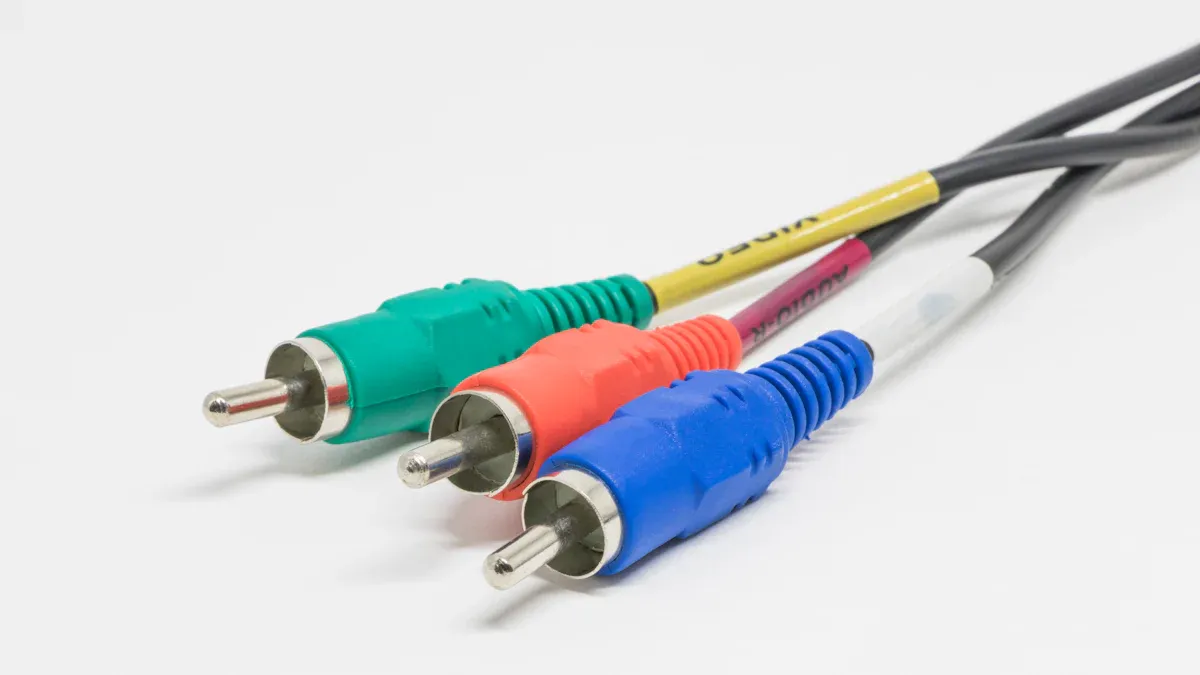
Fire-Rated Audio Cables help theaters maintain safe environments during fire emergencies. These cables use flame-retardant materials and release no halogen gases. They reduce smoke and toxic emissions, supporting safe evacuation. Many theaters choose a low-noise premium audio cable or a made in thailand audio cable for reliable sound and safety.
- Fire-rated cables keep audio cable circuits working in emergencies.
Key Takeaways
- Fire-rated audio cables keep theater audio and emergency systems working during fires, helping protect people and property.
- These cables use special materials that resist flames, reduce smoke, and limit toxic gases, making evacuations safer.
- Always choose cables with proper certifications and follow installation standards to ensure safety and code compliance.
Fire-Rated Audio Cables: Definition, Features, and Importance
What Are Fire-Rated Audio Cables?
Fire-Rated Audio Cables are specialized cables designed to keep working during a fire. These cables use materials and construction methods that help them resist high temperatures and flames. Industry standards such as API 2218 and UL 1709 define these cables by their ability to maintain circuit integrity under severe fire conditions. Testing protocols measure how well the cables perform when exposed to heat, flames, and smoke. Certification agencies like UL, NFPA, CSA, and ETL confirm that these cables meet strict safety requirements. The National Fire Protection Association (NFPA) and the National Electrical Code (NEC) also provide clear definitions and criteria for fire-rated cables, especially for use in emergency systems. These standards ensure that Fire-Rated Audio Cables can support critical systems, such as fire alarms and emergency communication, even during a fire.
Key Features and Fire Resistance Standards
Fire-Rated Audio Cables have several engineered features that set them apart from standard cables. These features help the cables survive and function in extreme conditions. The table below highlights some of the most important features:
| Key Feature | Description |
|---|---|
| Advanced Insulation | Uses halogen-free, high-performance materials that resist combustion and reduce smoke and toxic gas emissions. |
| Circuit Integrity Duration | Maintains operation for 1 to 2 hours under fire conditions, as certified by testing agencies. |
| Fire Resistance Testing | Undergoes tests like FT2, VW-1, UL 1666, and UL 2196 to prove fire resistance and self-extinguishing ability. |
| Low Smoke Zero Halogen (LSZH) | Reduces smoke and toxic gas emissions, improving safety during evacuation. |
| System Installation Requirements | Must be installed with tested components, such as glands and supports, to match certification standards. |
| Protective Sheathing | Includes metal or fireproof jackets to shield inner conductors from heat and flames. |
| Life Safety Applications | Designed for fire alarms, emergency lighting, fire pumps, and smoke venting fans. |
Industry experts note that Fire-Rated Audio Cables use insulation materials like LSZH, cross-linked polyethylene (XLPE), and ceramic-based compounds. These materials help the cables maintain electrical integrity at temperatures up to 950°C. The cables also pass rigorous tests, including the Fire Resistance Test, Smoke Density Rating, and Halogen Gas Emission Test. Standards such as UL 2196, BS 7846, EN 50200, and IEC 60331 ensure that these cables meet international safety requirements. For example, the UL 2196 test exposes cables to flames over 1,850°F for two hours, followed by a high-pressure water spray. Passing this test proves the cable can withstand both fire and firefighting efforts.
Tip: Always look for certification marks from recognized agencies on Fire-Rated Audio Cables to ensure compliance with safety standards.
Why Fire-Rated Audio Cables Are Critical in Theaters
Theaters rely on Fire-Rated Audio Cables to protect people and property during emergencies. These cables keep audio and communication systems working, even when fire threatens the building. This function is vital for emergency announcements, alarms, and evacuation instructions. The use of advanced insulation and fireproof materials helps limit smoke and toxic gas production, making it safer for people to exit the theater.
Fire safety codes require theaters to use cables that meet strict fire resistance standards. For example, the SCP - 16/4FPLP-SH Shielded Plenum Fire Alarm Cable meets multiple UL certifications and a plenum flame rating (FT6), proving its suitability for theater installations. Comparable cables from brands like Belden and Honeywell also meet these standards. The presence of these certifications shows that the cables can maintain circuit integrity and support life safety systems during a fire.
- Fire-Rated Audio Cables:
- Maintain operation during fire emergencies.
- Reduce smoke and toxic gas emissions.
- Support critical safety systems.
- Meet national and international fire safety codes.
The use of Fire-Rated Audio Cables in theaters is not just a best practice; it is a requirement for safety and code compliance. These cables help ensure that emergency systems remain functional, giving everyone the best chance to evacuate safely.
Choosing and Installing Fire-Rated Audio Cables
Types of Fire-Rated Audio Cables for Theaters
Theater installations require different types of Fire-Rated Audio Cables to meet safety and performance needs. Common options include analog audio cables, digital audio cables, microphone cables, and speaker cables. Some projects use Ethernet snake cables for complex audio routing. Specialized cables also support media automation and lighting systems. Manufacturers offer cables with Low Smoke Zero Halogen (LSZH) jackets, mineral insulation, PVC, thermoplastic, or cross-linked polyethylene (XLPE) insulation. NINGBO JINGYI ELECTRONIC Co., LTD supplies a wide range of these cable types, ensuring reliable performance and compliance with safety standards.
Fire-Rated Audio Cables vs. Standard Cables
Fire-Rated Audio Cables differ from standard cables in several ways. They use advanced insulation that resists flames and limits smoke. Standard cables may melt or release toxic gases during a fire, while fire-rated versions maintain circuit integrity. Theaters need these cables to keep emergency systems working and protect people from harmful smoke.
How to Select the Right Fire-Rated Audio Cables
Selecting the right cable depends on the theater’s layout and system requirements. Installers should check for certifications like UL 2196 or NEC ratings. Plenum-rated cables work best in air handling spaces, while riser-rated cables suit vertical shafts. NINGBO JINGYI ELECTRONIC Co., LTD recommends verifying product documentation and matching cable ratings to the installation environment.
Installation Best Practices for Fire-Rated Audio Cables
Installers must follow industry benchmarks to ensure safety and compliance. The table below summarizes key standards and best practices:
| Industry Benchmark / Standard | Description / Focus | Installation Best Practices |
|---|---|---|
| National Electrical Code (NEC) | Mandates fire resistive cable use in life safety applications | Ensure cables meet NEC fire safety requirements and are properly rated for environment |
| International Building Code (IBC) | Specifies where circuit integrity cables must be installed | Install cables in designated areas per building classification |
| UL Standards (UL 2196, UL 1581, UL 910) | Define fire resistive cable testing and performance criteria | Use cables tested and certified under these UL standards |
| TIA / ANSI/TIA | Provides guidelines on low-voltage cable installation | Follow TIA recommendations for cable support and management |
| AVIXA Standards | Outline best practices for AV system cabling | Maintain proper cable spacing and support on AV racks |
| BICSI Guidelines | Recommend installation and maintenance practices | Adhere to BICSI guidelines for safe, compliant installations |
Installers should use proper supports, avoid tight bends, and document all work to maintain circuit integrity.
Theater owners improve safety by choosing the right cables. Proper installation protects people and property. Local codes guide every project.
By: LynnAlways consult professionals before starting any theater installation. Careful planning ensures reliable audio and code compliance.
Tel: +86 574 86100572#8816
Whatsapp: +86 15168592711
E-mail: sales@jingyiaudio.com
Youtube: JINGYI
Facebook: JINGYI