


From Stage to Studio: Multi-Purpose Guitar Cables for Musicians and Sound Engineers
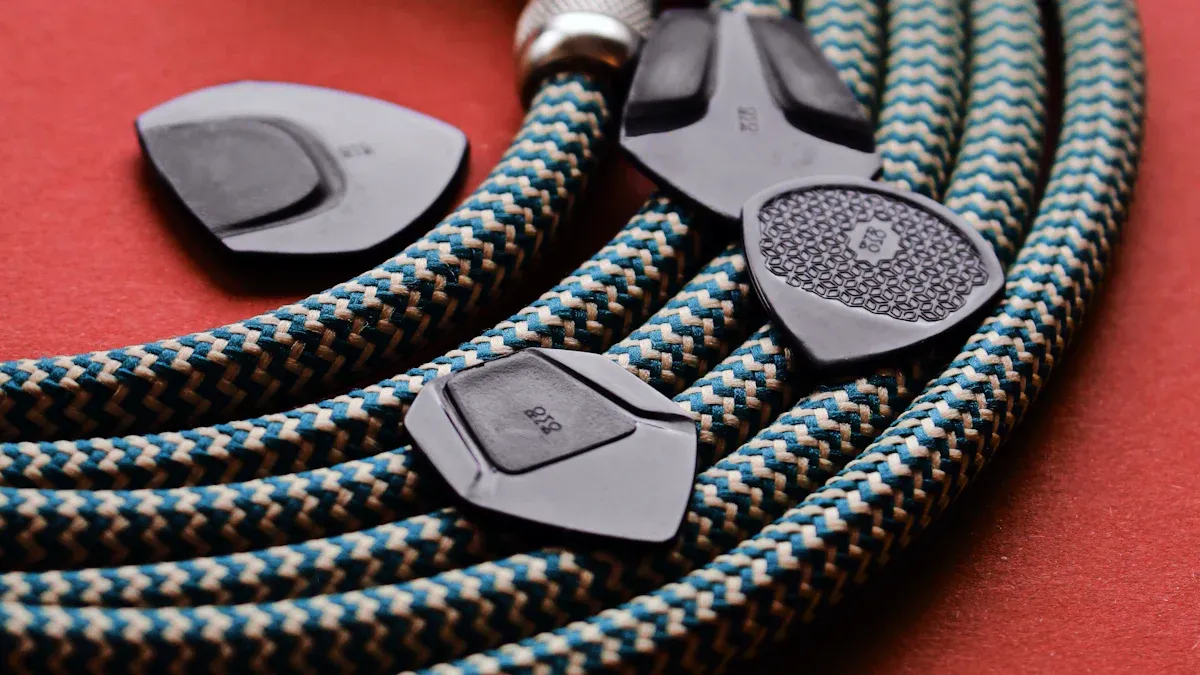
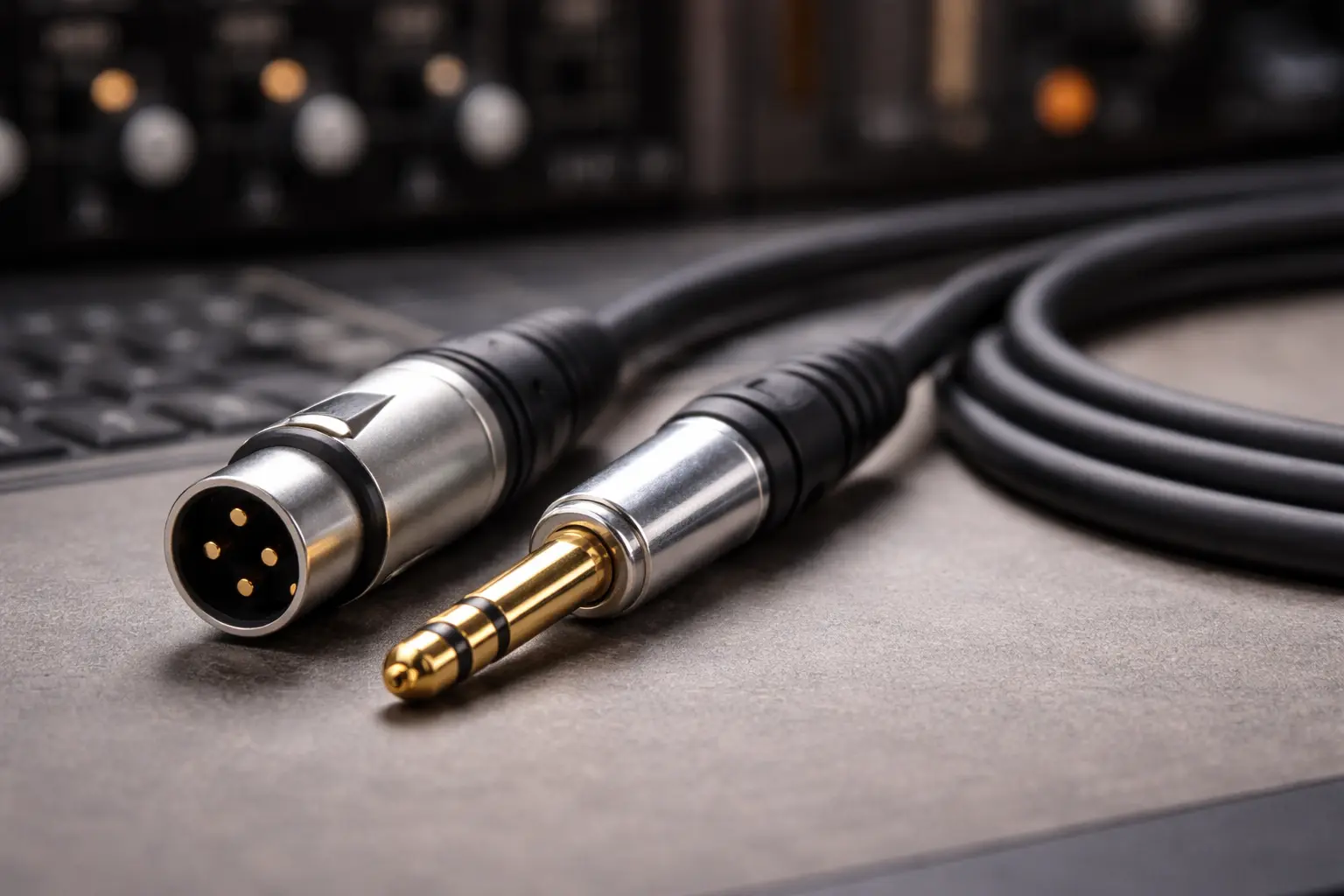
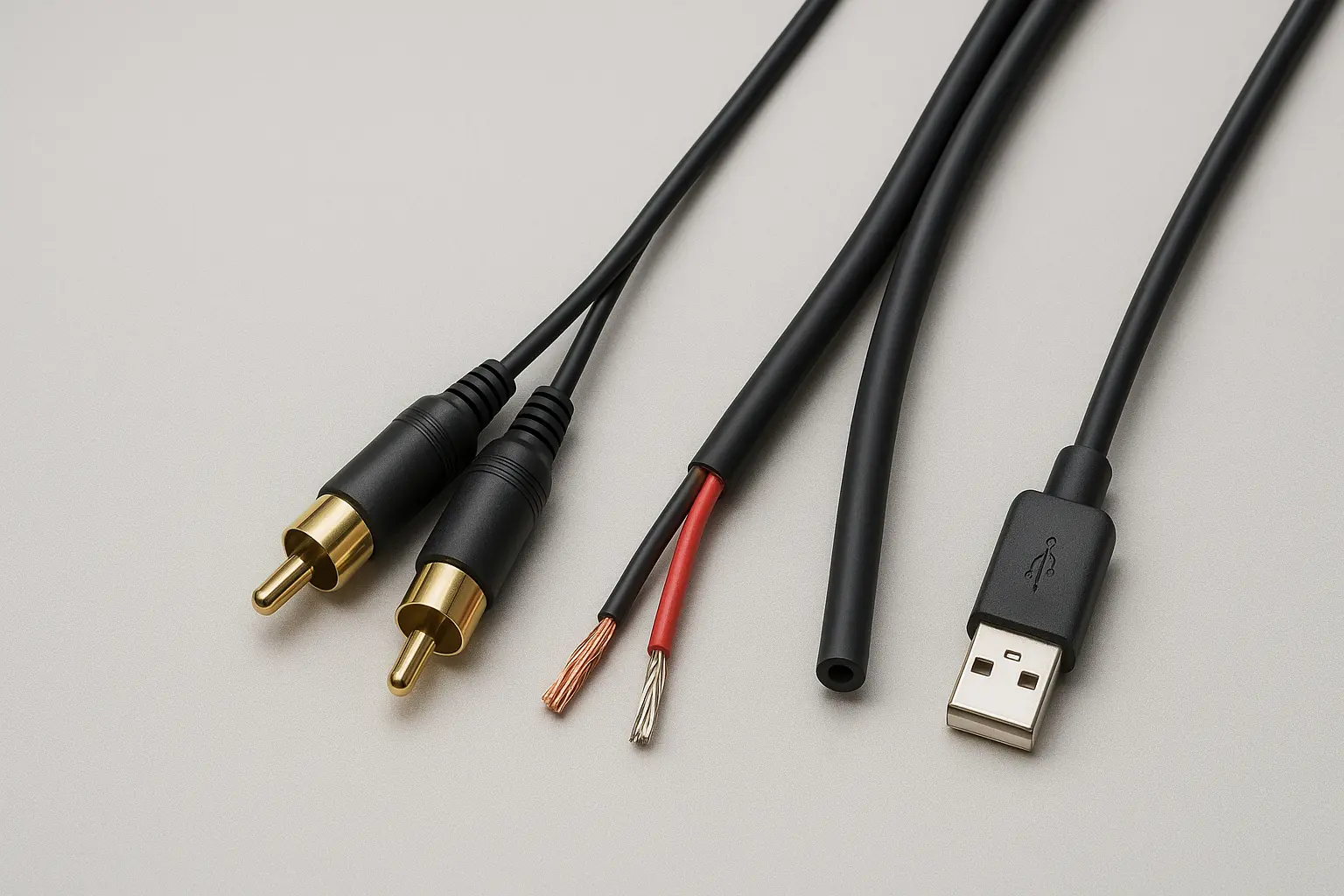
Multi-purpose guitar cables from NINGBO JINGYI ELECTRONIC Co., LTD. offer unmatched versatility for live performances and studio recordings. Their robust design ensures durability, while features like low capacitance and oxygen-free copper conductors preserve sound clarity. These audio cables eliminate buzzing and audio dropouts, making them ideal for connecting instruments, microphone cable setups, speaker cable systems, and even 1/4 to 1/4 jack cable configurations.
Key Takeaways
- Multi-use guitar cables are strong and give clear sound. They work well for live shows and studio recordings.
- Buying these cables saves money. You won’t need many cables for different uses, giving you good value over time.
- Taking care of cables, like checking them often and storing them right, makes them last longer and work better.
What Makes Guitar Cables Multi-Purpose?
Durability and Build Quality
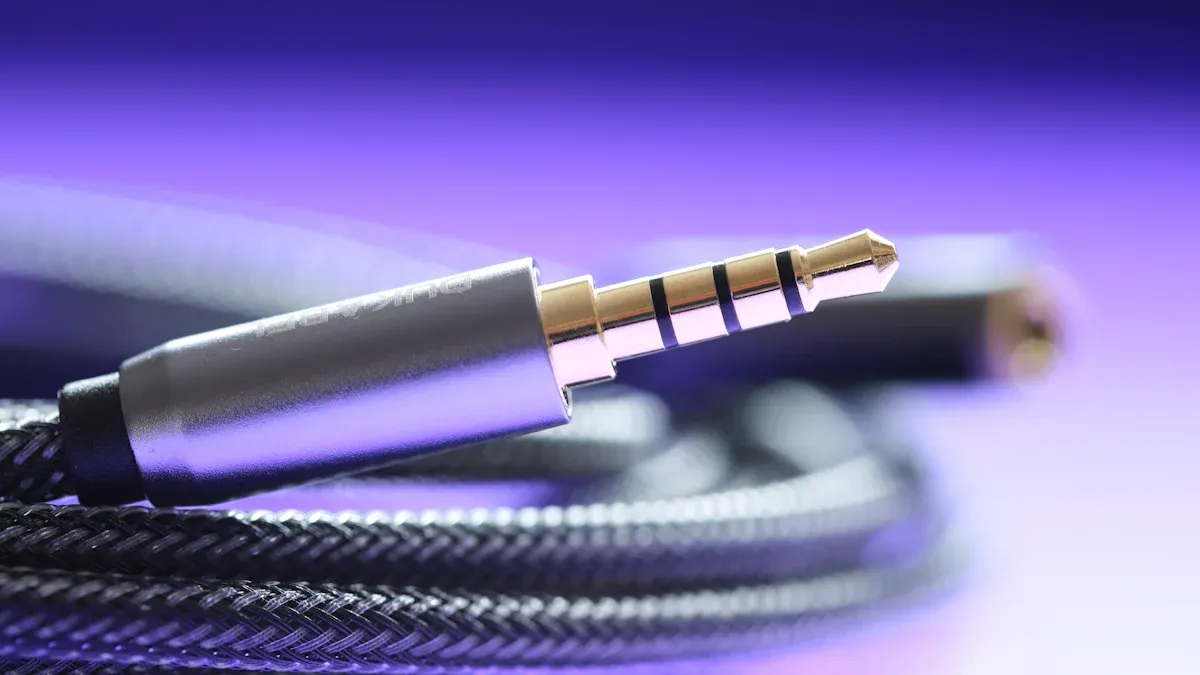
Durability plays a critical role in defining the multi-purpose nature of guitar cables. High-quality materials such as oxygen-free copper and reinforced outer jackets ensure these cables withstand the rigors of both stage and studio environments. The construction minimizes wear and tear caused by frequent plugging, unplugging, and coiling. Additionally, advanced engineering techniques reduce microphonics, which occur when mechanical vibrations interfere with the signal.
Tip: Look for cables with braided shielding and strain relief at the connectors. These features enhance longevity and protect against accidental damage during live performances or studio sessions.
A comparison of performance metrics highlights the importance of build quality:
| Metric | Description |
|---|---|
| Conductor Materials | Different materials (Copper, Silver, Gold, Aluminum) affect conductivity and overall performance. |
| Microphonics | Mechanical vibrations can affect signal integrity, highlighting the importance of cable construction. |
| Resistance, Inductance, Capacitance | These factors influence the signal quality and can lead to tone alteration in different settings. |
Signal Quality and Noise Reduction
Signal clarity is essential for both live and studio applications. Multi-purpose guitar cables excel in maintaining high-quality sound by reducing noise and interference. Features like low capacitance and double shielding prevent signal degradation, ensuring consistent performance across various setups.
Engineering studies have shown that higher-end cables deliver superior midrange integration and transparency, making them ideal for studio use. On the other hand, less expensive cables often emphasize high-end frequencies, which some musicians prefer for live performances. This adaptability demonstrates the dual functionality of these cables.
-
Key Findings:
- Double-blind tests revealed that cable quality significantly impacts tone and clarity.
- Players noted differences in how cables "felt" during use, emphasizing the importance of both sound and tactile experience.
Compatibility with Various Equipment
Multi-purpose guitar cables are designed to work seamlessly with a wide range of equipment, including guitars, amplifiers, pedals, and mixers. This versatility makes them indispensable for musicians and sound engineers who frequently switch between live and studio environments.
A compatibility assessment of popular cables highlights their adaptability:
| Product Name | Compatibility Features | Pros and Cons |
|---|---|---|
| New bee Guitar Cable | Works with instruments, pedals, amplifiers, mixers, and more. | Pros: Low noise, high fidelity; Cons: Slightly short cord, compromised durability. |
| Fender Professional Series Cable | Retains guitar tone, suitable for stage and studio use. | Pros: High-quality components, flexible design; Cons: A bit pricey, limited color options. |
| GLS Audio Instrument Cable | Durable, low-noise, and flexible, suitable for stage and studio. | Pros: Durable construction, tangle-free; Cons: Only available in one length, right-angle connection may not fit all guitars. |
Note: When selecting a cable, ensure it meets the specific requirements of your equipment to avoid compatibility issues.
Benefits of Multi-Purpose Guitar Cables
Cost-Effectiveness for Musicians and Engineers
Investing in multi-purpose guitar cables offers significant cost savings for musicians and sound engineers. These cables eliminate the need for separate products for live performances and studio recordings. Their durability reduces the frequency of replacements, making them a long-term solution. High-quality materials, such as oxygen-free copper and reinforced shielding, ensure consistent performance without compromising sound quality.
For professionals managing multiple setups, these cables streamline expenses by serving various purposes. Instead of purchasing different cables for instruments, amplifiers, and mixers, a single multi-purpose cable can handle all these tasks efficiently. This versatility makes them a practical choice for those seeking value without sacrificing quality.
Convenience for Seamless Stage-to-Studio Transitions
Multi-purpose guitar cables simplify transitions between live performances and studio sessions. Their compatibility with a wide range of equipment allows musicians to switch setups effortlessly. Whether connecting a guitar to an amplifier on stage or plugging into a recording interface in the studio, these cables perform reliably.
Their lightweight yet robust design ensures easy portability. Musicians and engineers can carry fewer cables without worrying about performance issues. This convenience reduces setup time, enabling professionals to focus on their craft rather than technical challenges.
Versatility Across Different Musical and Recording Setups
The adaptability of multi-purpose guitar cables makes them suitable for diverse musical genres and recording environments. They work seamlessly with electric guitars, basses, keyboards, and even some microphones. This versatility allows musicians to experiment with various instruments and sound setups without needing additional cables.
In recording studios, these cables maintain signal integrity across different audio interfaces and mixing consoles. On stage, they deliver consistent sound quality, regardless of the venue size or acoustics. This flexibility ensures that musicians and engineers can rely on a single cable type for all their needs.
How to Choose the Right Guitar Cables
Factors to Consider: Length, Shielding, and Connectors
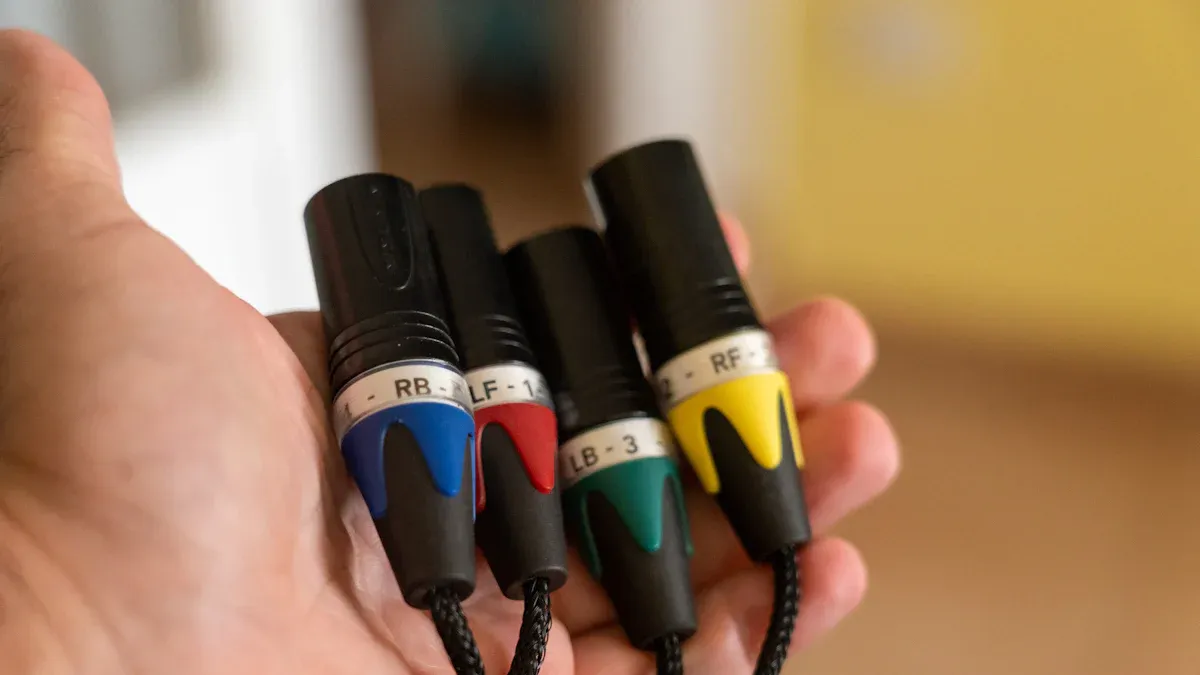
Selecting the right guitar cables involves evaluating key technical parameters. Length, shielding, and connectors significantly influence performance and reliability.
- Length: Longer cables can lead to signal loss, especially in unbalanced cables. For most setups, a length of 10 to 20 feet provides a balance between mobility and sound quality.
- Shielding: Effective shielding, such as braided or spiral designs, minimizes noise and electromagnetic interference. This ensures a cleaner signal, particularly in environments with high electrical activity.
- Connectors: Durable connectors maintain signal integrity and reduce the risk of electromagnetic interference. High-quality connectors, often made from materials like gold or nickel, ensure a secure connection and enhance longevity.
Tip: For optimal performance, choose cables with low impedance connectors that securely connect the cable shield to the housing. This reduces noise and preserves signal clarity.
Importance of Brand Reputation and Customer Reviews
Brand reputation plays a pivotal role in determining the quality of guitar cables. Consumers often rely on online reviews to assess product reliability and performance.
- A recent survey revealed that 92% of consumers trust positive reviews from other customers. This highlights the importance of testimonials in validating product quality.
- Positive reviews act as social proof, enhancing a brand's credibility and influencing purchasing decisions.
- Many buyers prioritize trusted brands over personal recommendations, emphasizing the critical role of reputation in the decision-making process.
Note: When evaluating reviews, focus on detailed feedback about durability, sound quality, and compatibility. This ensures an informed purchase decision.
Balancing Budget with Quality
Balancing cost and quality is essential when choosing guitar cables. While high-end cables often feature superior materials and connectors, their impact on sound quality may be minimal for casual users.
- Premium cables typically use oxygen-free copper and rare metal connectors, which enhance durability and reduce noise.
- Cheaper cables may compromise on materials, leading to issues like scratchy sounds or reduced lifespan.
- For regular musicians, investing in higher-quality cables ensures reliability and consistent performance.
Recommendation: Set a budget that aligns with your needs. For professional use, prioritize durability and shielding. For casual players, mid-range options often provide sufficient quality without overspending.
Tips for Maintaining Guitar Cables
Proper Storage to Prevent Damage
Proper storage practices extend the lifespan of guitar cables and preserve their performance. Musicians and sound engineers should prioritize keeping cables in environments that minimize exposure to harmful elements.
- Store cables in cool, dry places to prevent damage from moisture and heat.
- Avoid direct sunlight, which can degrade the outer jacket over time.
- Coil cables neatly to prevent kinks and tension that may harm internal wiring.
- Use cable management solutions like trays or conduits to reduce mechanical stress and protect cables from bending or twisting.
- Inspect cables regularly for signs of wear, such as cracks or fraying, to address issues before they worsen.
These practices ensure cables remain functional and reliable for both live performances and studio recordings.
Cleaning and Inspecting for Optimal Performance
Routine cleaning and inspection maintain the integrity of guitar cables and prevent signal degradation. Dirt and debris can accumulate on cables, affecting their performance and longevity.
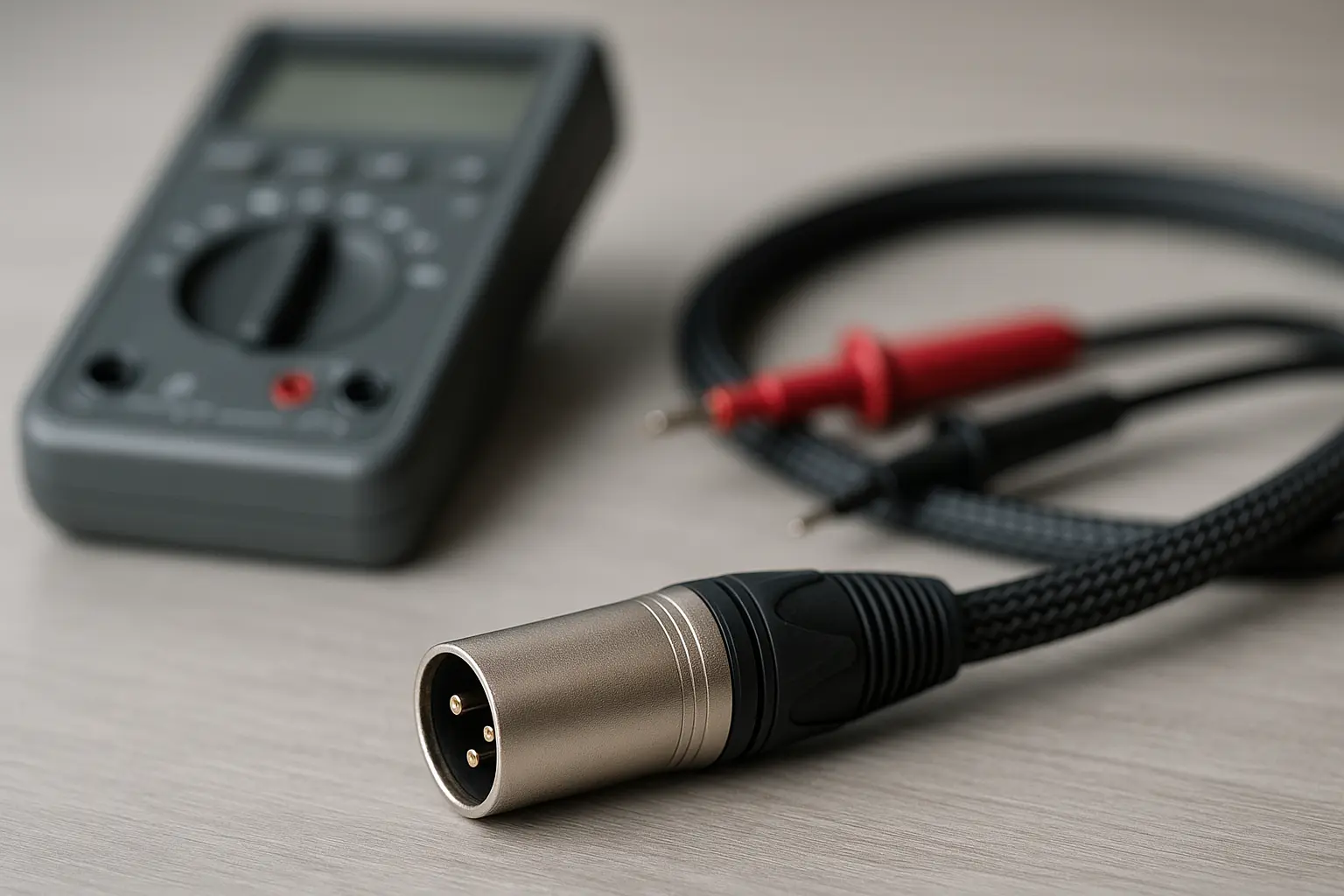
Musicians should wipe cables with a soft, damp cloth after each use to remove dust and grime. For connectors, use a small brush or compressed air to clear out debris that may interfere with connections. Regular inspections help identify potential issues, such as loose connectors or damaged shielding, before they impact sound quality.
Tip: Schedule monthly inspections to ensure cables remain in peak condition. Early detection of problems reduces the risk of unexpected failures during critical performances or recordings.
Handling Tips to Avoid Wear and Tear
Careful handling minimizes wear and tear, ensuring cables perform reliably over time. Studies have identified best practices for reducing damage during usage:
- Avoid excessive bending or twisting to protect internal wires.
- Coil cables properly and secure them with ties to prevent tangling and kinks.
- Wipe cables clean after use to prevent dirt buildup that can affect performance.
- Inspect connectors regularly and replace worn ones to maintain a stable connection.
These steps help musicians and engineers preserve their cables, reducing the need for frequent replacements and ensuring consistent sound quality.
Why Choose NINGBO JINGYI ELECTRONIC Co., LTD for Guitar Cables?
Commitment to Quality and Innovation
NINGBO JINGYI ELECTRONIC Co., LTD prioritizes quality and innovation in every product. Their guitar cables feature advanced shielding and durable construction, ensuring reliable performance in demanding environments. By combining cutting-edge technology with sustainable practices, the company produces cables that meet the needs of modern musicians and sound engineers.
Product innovation studies highlight their dedication to excellence. Rigorous assessments ensure material quality, while advanced manufacturing techniques deliver cables that reduce the need for frequent replacements. This approach guarantees long-term value for users, supporting seamless operations in both live and studio settings.
| Evidence Description | Key Points |
|---|---|
| Enterprise-grade headphone cables provide unmatched durability and reliability for hospitality and education sectors. | These cables address industry-specific challenges, ensuring long-term cost savings and operational efficiency. |
| Manufacturers conduct rigorous assessments to ensure material quality. | This structured approach guarantees that the cables meet industry standards and perform reliably in demanding environments. |
Wide Range of Multi-Purpose Guitar Cables
The company offers a diverse selection of multi-purpose guitar cables designed for adaptability. Their products cater to various setups, including 1/4 to XLR configurations, ensuring compatibility across instruments, amplifiers, and recording interfaces. This versatility makes them a preferred choice for musicians and engineers seeking reliable solutions for stage and studio use.
Key features of their cables include eco-friendly materials, advanced shielding, and hybrid cable technology. These innovations set industry benchmarks and address the evolving needs of audio professionals.
- NINGBO JINGYI ELECTRONIC Co., LTD. is recognized for its innovative hybrid cable technology.
- Their commitment to eco-conscious practices enhances their reputation in the pro audio market.
- The company addresses the needs of modern audio professionals, setting industry benchmarks.
Trusted by Musicians and Sound Engineers Worldwide
Musicians and sound engineers worldwide trust NINGBO JINGYI ELECTRONIC Co., LTD for their exceptional guitar cables. The company’s reputation stems from its consistent delivery of high-quality products that perform reliably in diverse scenarios. Whether for live performances or studio recordings, their cables maintain signal clarity and durability.
Global market reports distinguish the company as a leader in adaptability and reliability. Their products combine innovation with sustainability, earning recognition in the pro audio industry.
| Evidence Description | Key Features |
|---|---|
| NINGBO JINGYI ELECTRONIC Co., LTD. offers cables designed for adaptability, ensuring reliable performance in demanding scenarios. | Adaptability, Reliability |
| The company combines cutting-edge technology with sustainable practices to produce high-quality 1/4 to XLR cables. | Innovation, Sustainability |
| Their products feature advanced shielding, durable construction, and eco-friendly materials. | Quality, Eco-friendliness |
Musicians value the company’s commitment to quality, while sound engineers appreciate the reliability of their cables in professional setups. This trust solidifies their position as a global leader in the audio equipment market.
Multi-purpose guitar cables combine durability, noise reduction, and versatility, making them essential for musicians and sound engineers. Investing in premium cables ensures consistent performance for both live and studio use. NINGBO JINGYI ELECTRONIC Co., LTD stands out as a trusted provider, offering innovative, high-quality cables tailored to meet professional audio demands worldwide.
Tip: Choose NINGBO JINGYI ELECTRONIC Co., LTD for reliable, long-lasting guitar cables that elevate your sound quality.
FAQ
What is the ideal length for a guitar cable?
The ideal length depends on the setup. For most musicians, 10 to 20 feet balances mobility and sound quality without significant signal loss.
How often should guitar cables be inspected?
Inspect cables monthly. Look for signs of wear, such as frayed shielding or loose connectors, to ensure optimal performance and prevent unexpected failures.
Can multi-purpose guitar cables work with other instruments?
Yes, they are compatible with electric guitars, basses, keyboards, and some microphones. Their versatility makes them suitable for various musical setups.
Tip: Always check compatibility with your specific equipment before purchasing a cable.