


Headphones USB vs 3.5mm: The Component-Level Truth B2B Brands Must Know
Key Takeaways
- The debate between headphones USB vs 3.5mm is not about the plug itself—it's about the location and quality of the Digital-to-Analog Converter (DAC) that transforms digital audio files into the sound waves you hear
- USB headsets contain their own internal DAC and amplifier, completely bypassing your PC's sound card to deliver consistent audio quality while powering features like RGB lighting and Active Noise Cancelling (ANC). Their primary weakness lies in driver conflicts and being a closed, non-upgradeable system
- 3.5mm headsets are passive analog devices that rely entirely on your source device's (PC, phone, or tablet) internal DAC, making them modular and upgradeable but vulnerable to poor source quality and electrical "hiss" from electromagnetic interference
- Real-world social media analysis from Reddit and Tom's Hardware forums reveals that "3.5mm static hiss" is the #1 complaint driving gamers toward USB solutions, while audiophiles prefer 3.5mm connections to leverage their own high-end DACs and amplifiers
- Unique Strategic Insight for US B2B Brands: The market falsely equates "3.5mm" with "inferior audio" due to widespread use of cheap, poorly-shielded components. For American OEM brands, the real opportunity lies in high-fidelity analog products that solve the noise problem at the component level through superior shielding and contact integrity
The headphones USB vs 3.5mm debate is a constant topic on forums like Reddit and Tom's Hardware. Gamers complain about "static hiss" from 3.5mm jacks, while audiophiles insist their high-end 3.5mm gear is superior. For B2B brands in the United States sourcing OEM/ODM products, understanding the engineering truth behind this is key to product positioning. This isn't just "digital vs. analog"; it's about who controls the audio chain. This article breaks down the component-level reality and offers sourcing strategies for US brands.
The Core Difference: Where Does Your Audio Signal Become "Analog"?
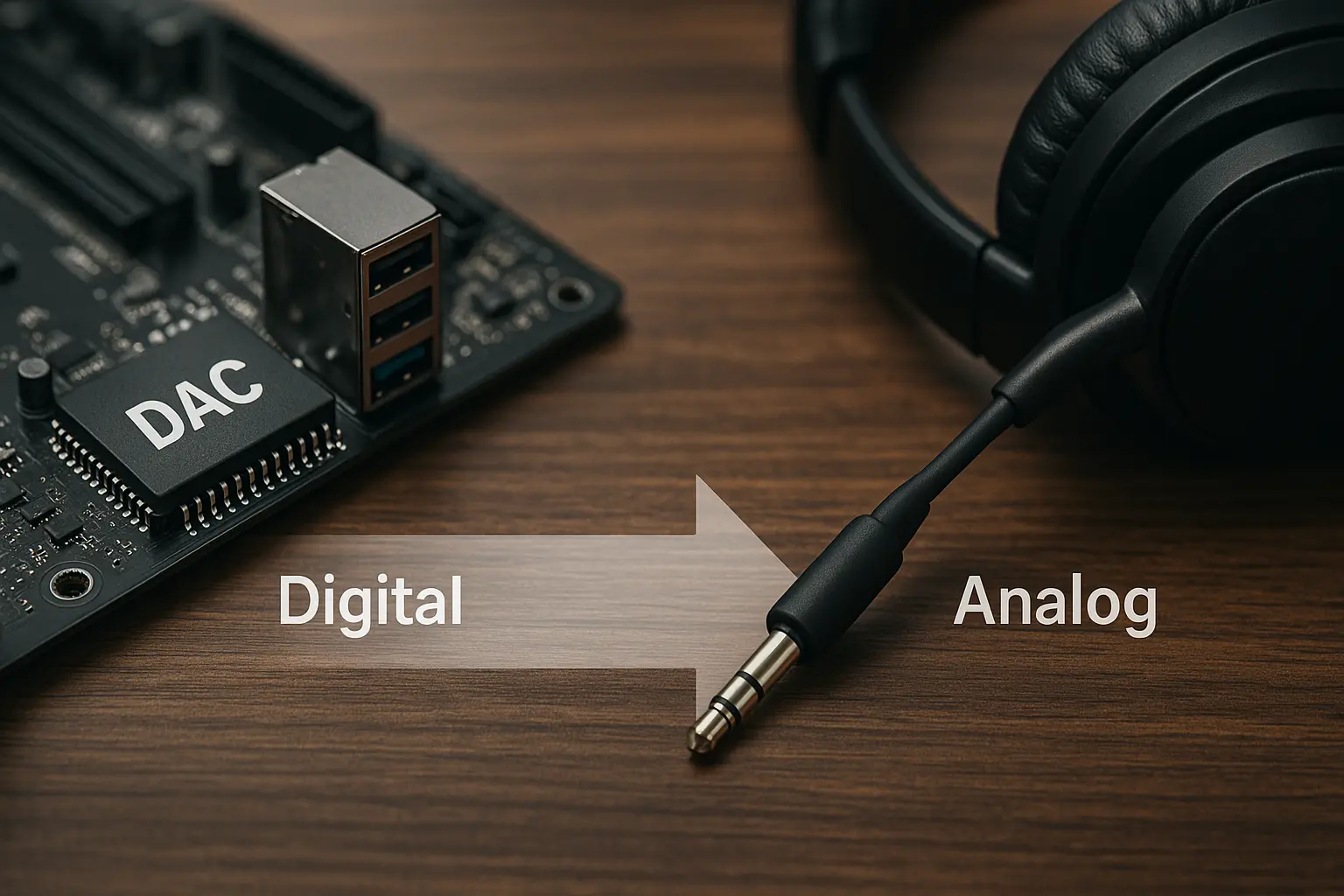
Before we can discuss USB versus 3.5mm connections, we first need to understand the role of one key component that determines everything: the Digital-to-Analog Converter, or DAC.
Here's the fundamental reality: your computer, smartphone, or gaming console stores all audio as digital data—strings of ones and zeros. But, the human ear can't hear digital code. Our ears only respond to analog sound waves. A DAC is the specialized chip that performs this conversion from digital data to analog electrical signals that can drive a headphone driver.
Here's the main insight: A DAC has to be somewhere in the signal chain. The entire USB versus 3.5mm debate boils down to a single question: Where is that DAC located, and who manufactured it?
The 3.5mm (Analog) Path: Relying on Your Source Device
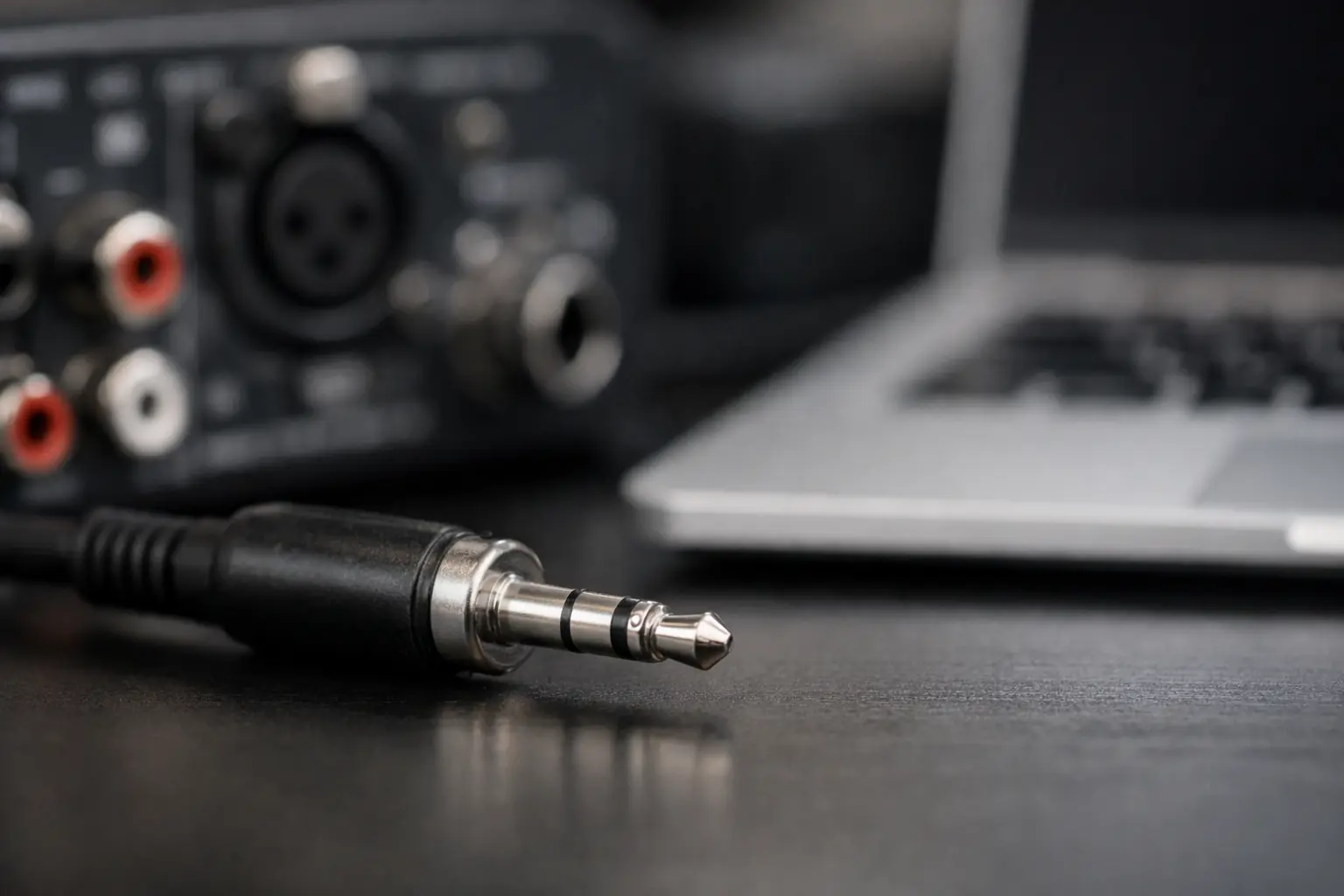
When you plug a 3.5mm headset into your laptop, desktop PC, smartphone, or tablet, you are using the DAC and amplifier circuits already built into your device's motherboard or internal audio chipset. This is what makes 3.5mm connections "analog"—the conversion from digital to analog has already happened inside your source device before the signal ever reaches the headphone jack.
The headset itself is entirely "passive." The 3.5mm connector simply transmits the analog electrical signal that was generated by your device's internal sound card directly to the headphone drivers.
The Result: Audio quality is 100% dependent on the quality of your source device's DAC and amplifier. A $500 audiophile-grade headphone plugged into a $300 budget laptop with a poorly-shielded motherboard audio chip will sound objectively worse than a $50 headphone plugged into a dedicated $200 external DAC. This is an engineering reality documented across thousands of forum posts.
The USB (Digital) Path: The Self-Contained Audio System
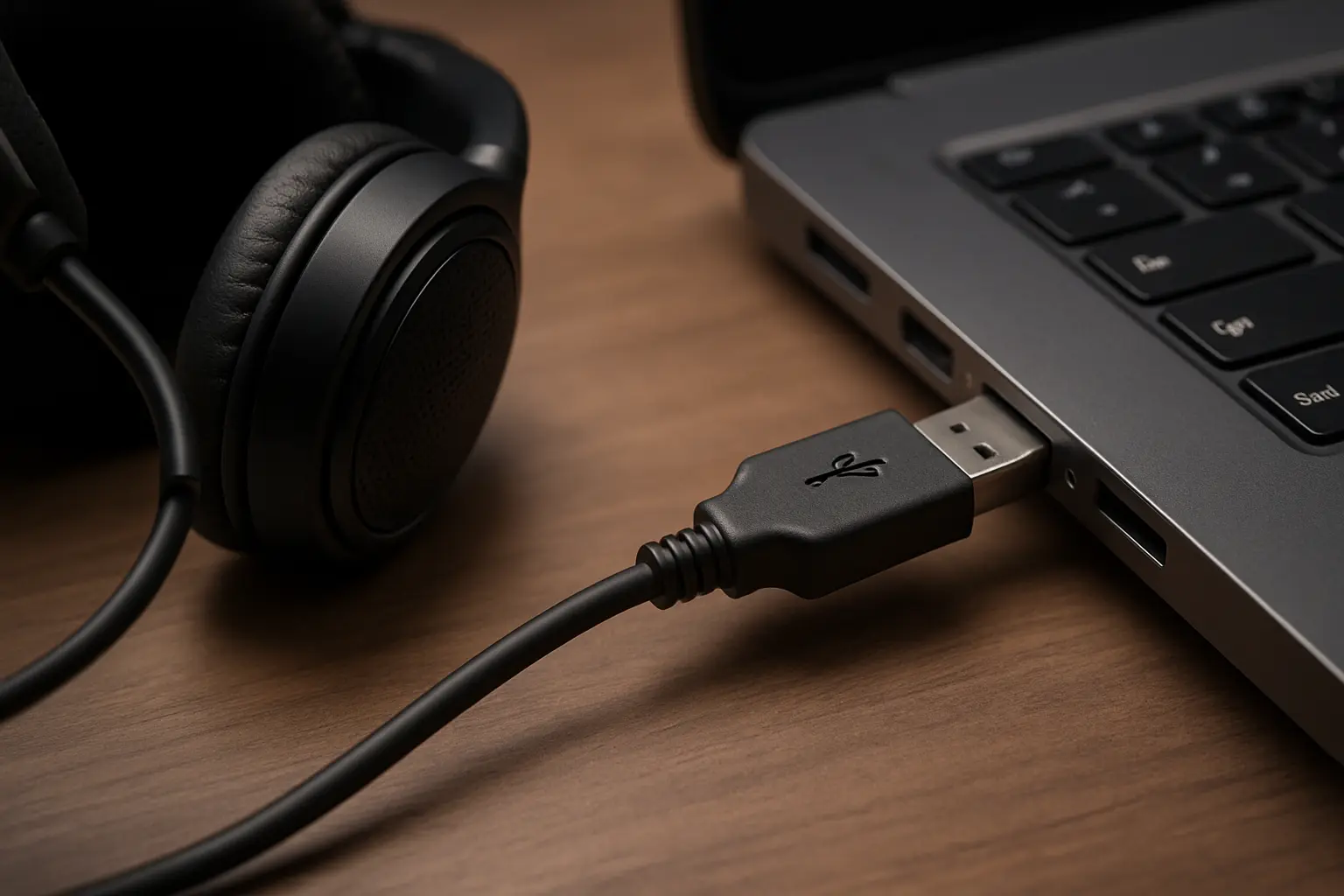
When you plug in a USB headset, something totally different happens. Your PC completely bypasses its internal sound card and audio processing hardware. Instead, your computer sends raw digital audio data directly through the USB port to the headset itself.
Here's the main difference: a USB headset is its own sound card. Hidden inside the cable or earcup is a miniaturized DAC chip and headphone amplifier circuit.
The Result: Audio quality becomes consistent and portable. A USB headset will sound exactly the same whether plugged into a cheap laptop or a high-end gaming desktop. The manufacturer, not the end user, controls the entire audio signal chain. This consistency is USB's greatest strength—and for audiophiles, its greatest limitation.
Voices from the Market: What Real Users Complain About on Reddit and Forums
Our analysis of posts across Reddit, Tom's Hardware, and other forums reveals three distinct user profiles, each experiencing the USB versus 3.5mm debate differently.
The Gamer's Nightmare: "My 3.5mm Jack Has Horrible Static Hiss!"
This is the #1 complaint driving gamers to USB. On forums like Tom's Guide, users report a "'hiss... that everyone hates'". One user noted, "I hear random noises... even my mouse moving creates noise in my headphones!".
The technical reason is simple: PC motherboards are electrically "noisy" environments. Electromagnetic interference (EMI) "leaks" into the poorly-shielded onboard audio. For these users, USB is a perfect fix. It moves the DAC outside the noisy PC case and transmits a digital signal, delivering clean, hiss-free audio.
The Remote Worker's Priority: "I Just Need My Microphone to Work Reliably"
This market cares more about mic clarity and reliability than music fidelity. As one user said, "I need my voice to be crystal clear." For this, USB dominates for three reasons:
- Powered Features: USB delivers power for Active Noise Cancelling (ANC) microphones that filter out keyboard and household noise. 3.5mm cannot.
- Platform Certification: Office headsets are "Microsoft Teams Certified" or "Zoom Certified", with dedicated buttons and guaranteed driver compatibility. This requires USB.
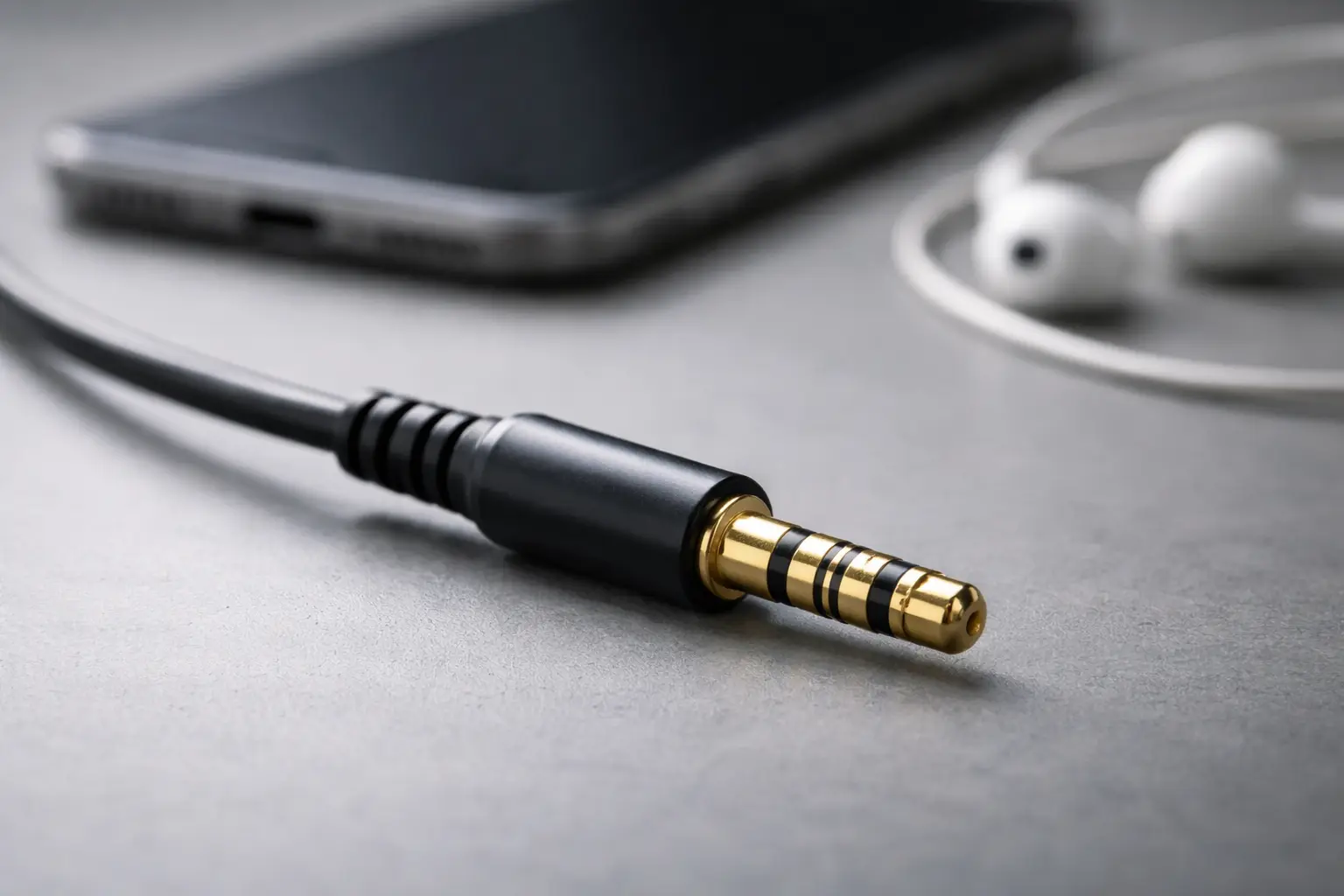
- Microphone Reliability: The 3.5mm TRRS (audio + mic) standard is fragmented. Users often complain their mic "works on my phone but not my laptop." USB eliminates this confusion.
The Audiophile's Frustration: "USB Makes My $300 Sound Card Useless!"
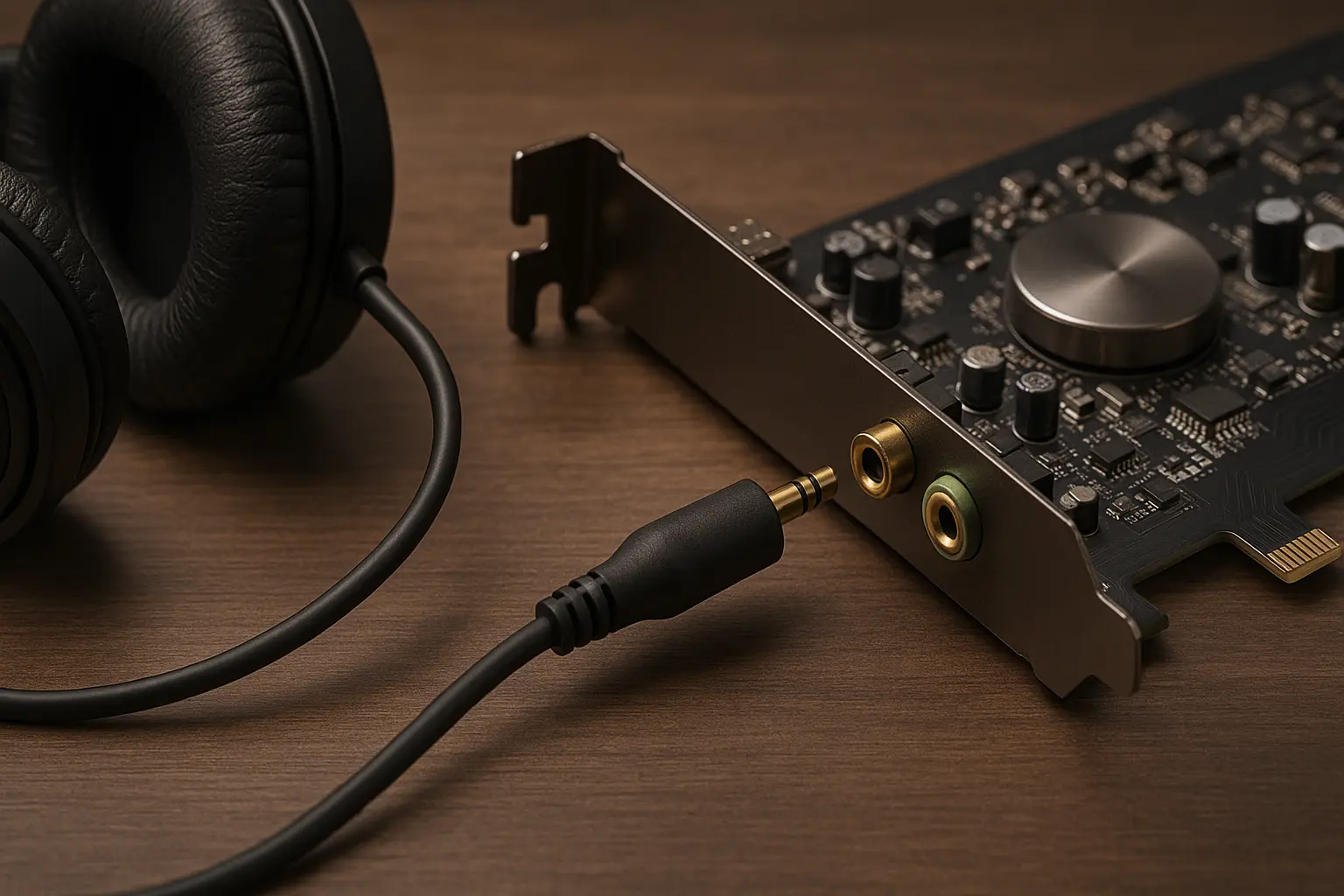
This tech-savvy group avoids USB. They've already invested in dedicated sound cards or external DACs. A post from PC Specialist forums captures their view: "if you use a USB headset your sound card will be useless!".
The logic is sound: USB bypasses their expensive hardware. These users view audio as "modular," wanting to upgrade their DAC, amp, and headphones separately. A $150 USB headset with a "$2 mass-produced DAC chip" (as one user put it) is the opposite of this. For them, 3.5mm is non-negotiable.
The Key Insight: It's Not the 3.5mm Standard—It's the Cheap Components
Here is the key perspective for B2B strategy: The market has created a false narrative that "analog is noisy" and "digital is clean."
Gamers believe 3.5mm is just inferior. But this confuses the symptom with the cause. The "hiss" isn't a flaw of analog audio; it's a component failure. The problem is cheap, unshielded motherboard audio circuits and cables that act like antennas, picking up EMI from the GPU and CPU. A cheap $60 USB headset doesn't fix this with a great DAC; it just relocates a mediocre DAC outside the noisy case. It trades fidelity for consistency. This creates a strategic opportunity for brands that understand the real problem.
Strategic Sourcing for US Headphone Brands: The High-Fidelity Analog Opportunity
For American B2B brands developing new headphone product lines, the market's false dichotomy creates a clear path to differentiation: Build a better analog product that solves the noise problem at the component level.
The Untapped Market: Audiophile and Pro-Sumer Segments
The audiophile and "pro-sumer" markets in the US value audio quality and modularity. These customers actively avoid closed-system USB headsets. Crucially, they are already purchasing aftermarket 3.5mm cables costing $30-$80 to reduce noise. This behavior proves they recognize cable quality matters and will pay for solutions. The strategic question for brands is: Why let customers replace your included cable? Why not solve the problem at the source?
The Component-Level Solution: Ultra-Low Noise Shielding
This is where your choice of OEM/ODM manufacturing partner becomes vital. Instead of following the industry trend toward generic USB solutions, the superior long-term strategy for these segments is to invest in high-quality analog components that eliminate the root cause of noise.
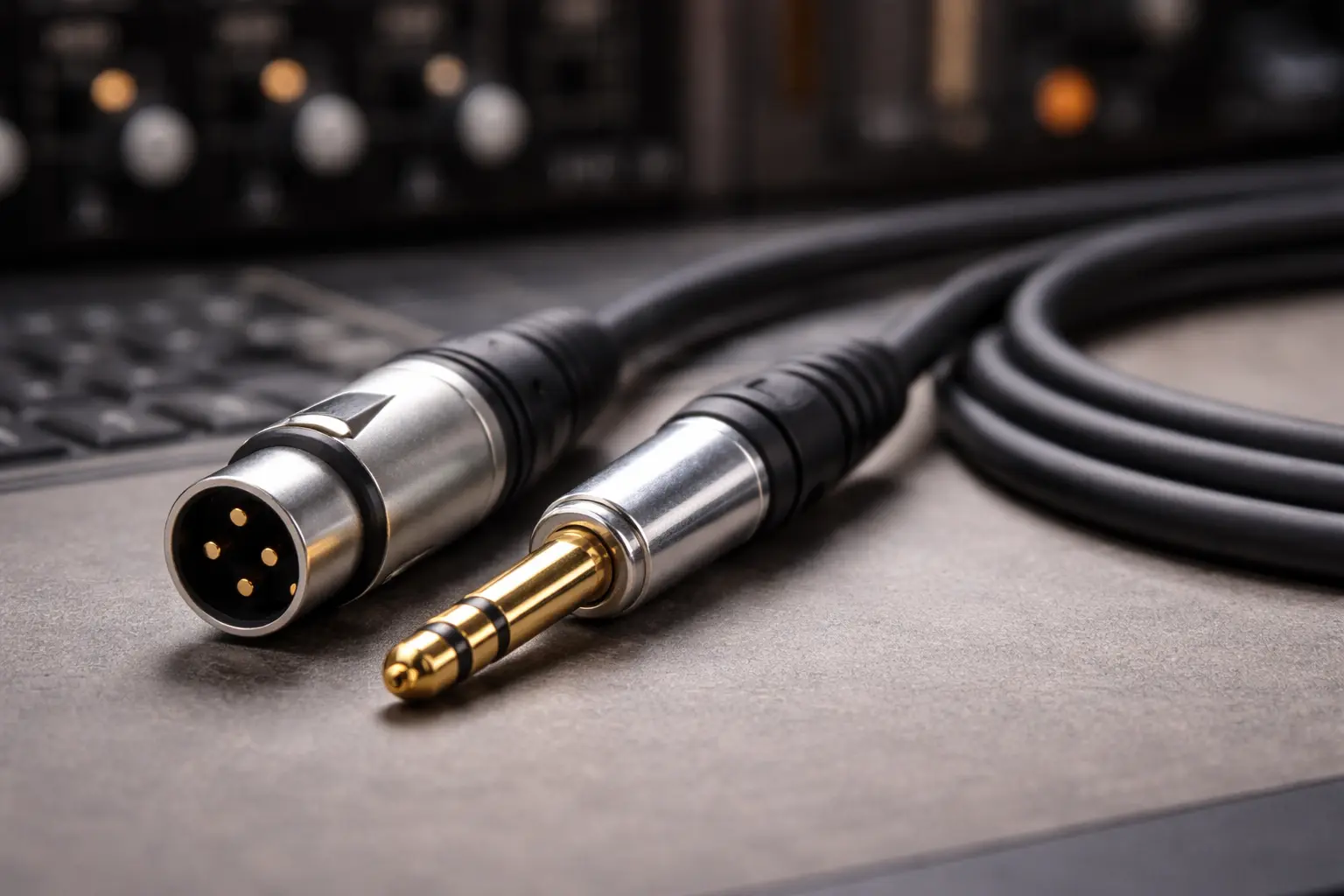
For example, specialized manufacturers like NINGBO JINGYI ELECTRONIC CO., LTD. (site_5615465d-0395-48c6-b01f-dc3d38213fc5), a 30-year veteran supplier to the global professional audio industry, have built their entire business model on this principle. Rather than producing finished consumer headsets, Jingyi focuses on the components that actually determine audio quality: precision-machined 3.5mm and 6.35mm connectors, XLR connectors, and bulk audio cables.
Their core value proposition for B2B customers is an engineering specification: "OFC 99.99% copper conductors with ultra-low noise shielded cables." This isn't marketing fluff; it's the solution. Professional-grade shielding (like braided or foil shields) blocks external electromagnetic interference from reaching the signal conductors.
By partnering with a component specialist like Jingyi Audio and specifying their ultra-low noise shielded cables and high-contact-integrity connectors, a US brand can manufacture a 3.5mm headset that is genuinely immune to the "hiss" and "static" that plague competitors. This creates a product that satisfies both the gamer (no background noise) and the audiophile (high fidelity, modular).
The Competitive Positioning Advantage
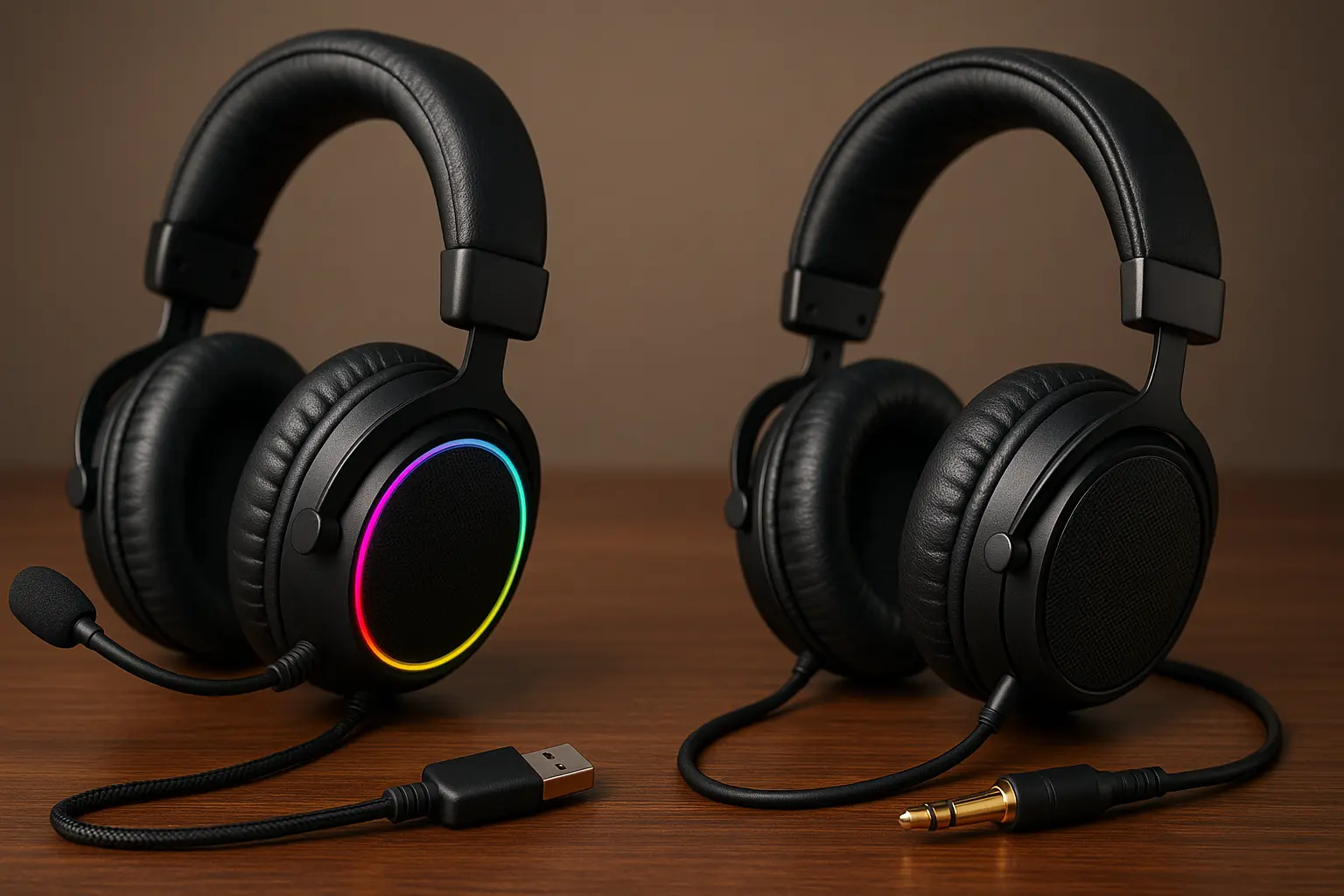
This component-first approach gives US brands several advantages:
- Differentiated Marketing Narrative: While competitors argue "USB versus 3.5mm," you can position your product as "the 3.5mm headset that finally solves the noise problem." This directly addresses the #1 complaint.
- Premium Price Justification: Superior components provide objective, measurable performance improvements (lower noise floor, better contact integrity) that justify premium pricing.
- Audiophile Credibility: Using the same OEM suppliers that manufacture components for professional recording studios provides immediate credibility with the audiophile community.
- Modular Ecosystem Potential: High-quality 3.5mm connections allow for future product line extensions: detachable cables, balanced cable options, and compatibility with the customer's existing high-end audio gear.
When USB Is Non-Negotiable: The Feature-Driven Segments
While the high-fidelity analog strategy serves the audiophile market, USB connectivity is essential for other segments.
Powered Features That Require USB
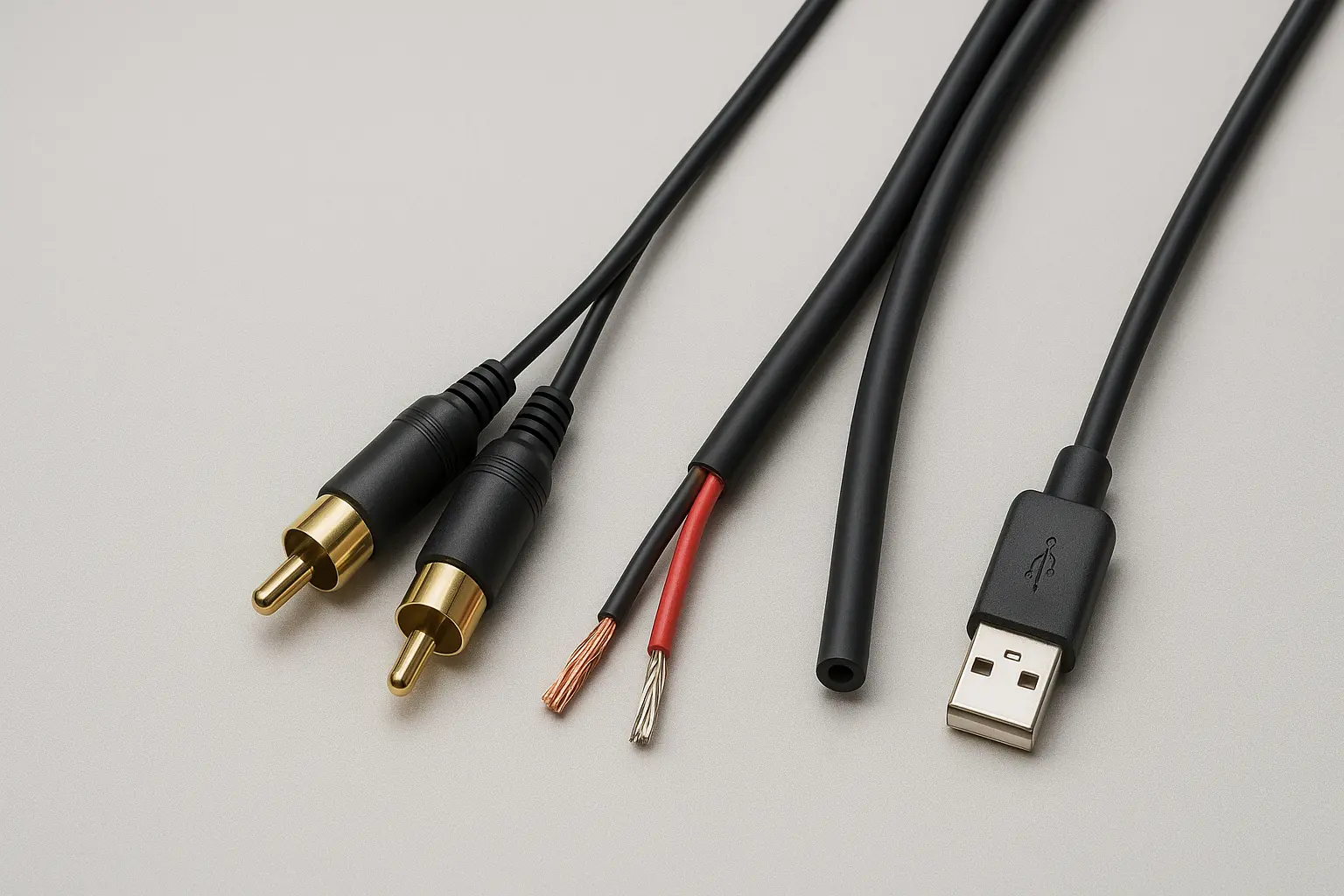
A 3.5mm analog jack is passive; it can only transmit electrical signals, not deliver meaningful power. USB ports, by contrast, provide both data and electrical power (5V DC).
This power delivery allows for an entire category of features that have become standard in gaming and office markets:
- Active Noise Cancelling (ANC): ANC systems require power to run microphone arrays and DSP chips.
- RGB Lighting: RGB illumination is a key purchasing factor for gaming peripherals and requires power.
- Digital Signal Processing (DSP): On-board DSP chips enable "virtual 7.1 surround sound," a compelling marketing feature for gaming headsets.
- Microphone Processing: Advanced noise suppression for microphones requires dedicated, powered processing.
If your target product requires any of these features, USB connectivity is mandatory.
The USB Downside: Driver Hell and Support Burden
While USB solves analog noise, it introduces "digital" frustrations: software and driver conflicts. Our social media analysis found hundreds of posts with problems like:
- "USB headset not detected in Windows 10/11"
- "USB headset recognized but no sound output"
- "Headset works on restart but fails after sleep mode"
One frustrated user on Tom's Hardware with a Logitech headset noted their mic just stopped working, showing up as a "Realtek USB Audio" device, requiring hours of troubleshooting. This is a real cost for B2B brands, leading to increased support tickets and returns. A 3.5mm headset is truly "plug and play"; it has no drivers to fail.
The Winning Strategy: Hybrid Product Portfolio for Market Segmentation
After analyzing user experiences, technical specifications, and market trends, the conclusion is clear: there is no universal winner. The best strategy for US B2B brands is to leverage each connection type for its specific strengths.
For Gaming and Office Product Lines: Choose USB
The mass-market gaming and office segments demand features that require USB connectivity: RGB lighting, ANC mics, and platform certifications. These markets also value consistency. A gamer wants their headset to sound the same on any PC, which USB delivers.
Market positioning: Focus on reliability, convenience, advanced features, and "hiss-free audio on any PC."
For Audiophile and Pro-Sumer Lines: Choose 3.5mm with Premium Components
The growing high-fidelity market demands modularity and sonic performance. This market rejects closed-system USB headsets.
Your critical differentiator is investing in objectively superior analog components: ultra-low noise shielded cables, high-purity copper conductors, and precision-machined connectors from specialized manufacturers like Jingyi Audio that supply the professional audio industry.
Market positioning: Focus on engineering specifications (shielding, copper purity), compatibility with high-end DACs, modularity, and the pedigree of your component suppliers.
Frequently Asked Questions (FAQ)
Q1: Is USB sound quality really better than 3.5mm?
A: No, this is a common misconception. USB provides more consistent sound quality by bypassing your computer's variable-quality audio hardware. A cheap USB headset's DAC will sound worse than a high-quality 3.5mm headset plugged into a dedicated external DAC. The quality depends on the DAC chip, not the plug.
Q2: My laptop's 3.5mm headphone jack is broken or produces static. Will a USB headset fix this?
A: Yes, absolutely. A USB headset is a completely independent audio device that bypasses your computer's 3.5mm jack and internal sound card entirely. This makes it an effective solution for damaged or noisy audio jacks.
Q3: I invested in an expensive gaming sound card. Should I buy a USB or 3.5mm headset?
A: You should definitely buy a 3.5mm headset. When you connect a USB headset, your computer bypasses your sound card, making your expensive investment useless. A 3.5mm connection allows you to leverage the superior DAC and amplifier in your sound card.
Q4: What causes the "hissing" or "static" sound in 3.5mm headphones, and how can I eliminate it?
A: The hiss is caused by electromagnetic interference (EMI) from your PC's components (GPU, CPU) "leaking" into your motherboard's poorly-shielded audio circuits. You can eliminate it by: (1) using a USB headset to move the DAC outside the noisy PC, (2) upgrading to a high-quality internal sound card with better shielding, or (3) using headphones with professionally-shielded cables and high-quality connectors that reject this interference.
Q5: What should US brands look for in an OEM/ODM partner for analog headphones?
A: For high-quality analog products, look for OEM partners with proven expertise in professional audio components. Look for suppliers that offer:
- Oxygen-Free Copper (OFC) conductors with documented purity levels
- Ultra-low noise shielded cable designs (braided or foil shielding)
- Precision-machined connectors with high contact integrity
- Supply chain relationships with professional audio brands
- Willingness to provide measurable specifications (shielding effectiveness, contact resistance, etc.)
Manufacturers like NINGBO JINGYI ELECTRONIC CO., LTD., with 30+ years supplying pro-audio components, represent this type of specialized partner.
Conclusion: Engineering Truth Over Marketing Myths
The "headphones USB vs 3.5mm" debate will continue, but for B2B brands making sourcing decisions, the engineering reality is clear. Both connection types have a place. USB is for feature-rich, mass-market products. 3.5mm is for the high-fidelity modular market.
The real opportunity is to challenge the myth that "3.5mm is noisy." By partnering with specialized OEM suppliers like Jingyi Audio to source ultra-low noise shielded cables, brands can build 3.5mm products that solve the noise problem at the component level. The brands that win will be those who use engineering truth to build a better product.
Citations
- Tom's Guide Forum. (2015). "USB or 3.5mm Headset? Which?" (Retrieved from https://forums.tomsguide.com/threads/usb-or-3.5mm-headset-which.386958/)
- Tom's Hardware Forum. (2023). "USB vs 3.5mm Headset, which one offers the best sound quality?" (Retrieved from https://forums.tomshardware.com/threads/usb-vs-3.5mm-headset-which-one-offers-the-best-sound-quality.3820576/)
- How-To Geek. (2024). "Should You Connect Your PC Headphones With USB or the Headphone Jack?" (Retrieved from https://www.howtogeek.com/should-you-connect-pc-headphones-with-usb-or-headphone-jack/)
- Android Authority. (2016). "3.5mm audio vs USB Type-C: the good, bad and the future." (Retrieved from https://www.androidauthority.com/3-5mm-audio-usb-type-c-701507/)
- NINGBO JINGYI ELECTRONIC CO., LTD. (2024). "One-Stop Pro Audio OEM/ODM Manufacturer." (Retrieved from https://site_5615465d-0395-48c6-b01f-dc3d38213fc5/)