




High-Density RCA Cables for Home Theater Installations: Meeting Commercial AV Standards

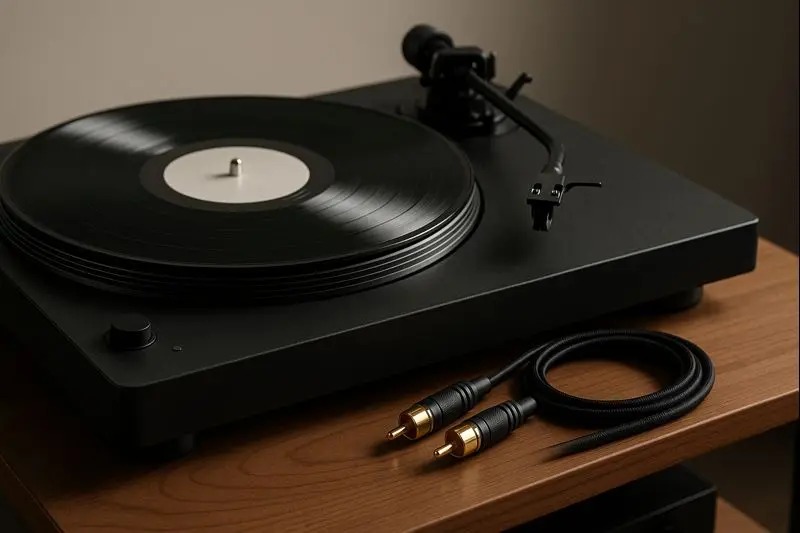
High-density RCA cables play a pivotal role in delivering exceptional audio and video quality in home theater systems. These cables ensure precise signal transmission, minimizing distortion and enhancing overall performance. Designed to meet commercial AV standards, they provide reliability and durability. Their advanced construction surpasses alternatives like the flat cable or the XLR to type C audio cable, making them ideal for modern setups. Additionally, for professional audio applications, the XLR to XLR cable and headphone cable are also essential components that complement the RCA cables, ensuring a comprehensive audio experience.
Key Takeaways
- High-density RCA cables give better sound and picture by reducing noise and keeping signals clear.
- They are made with pure copper wires and double layers of protection to block interference and last longer.
- Picking the correct cable length and making sure it works with your devices is important for the best home theater experience.
Understanding High-Density RCA Cables
Key Features of High-Density RCA Cables
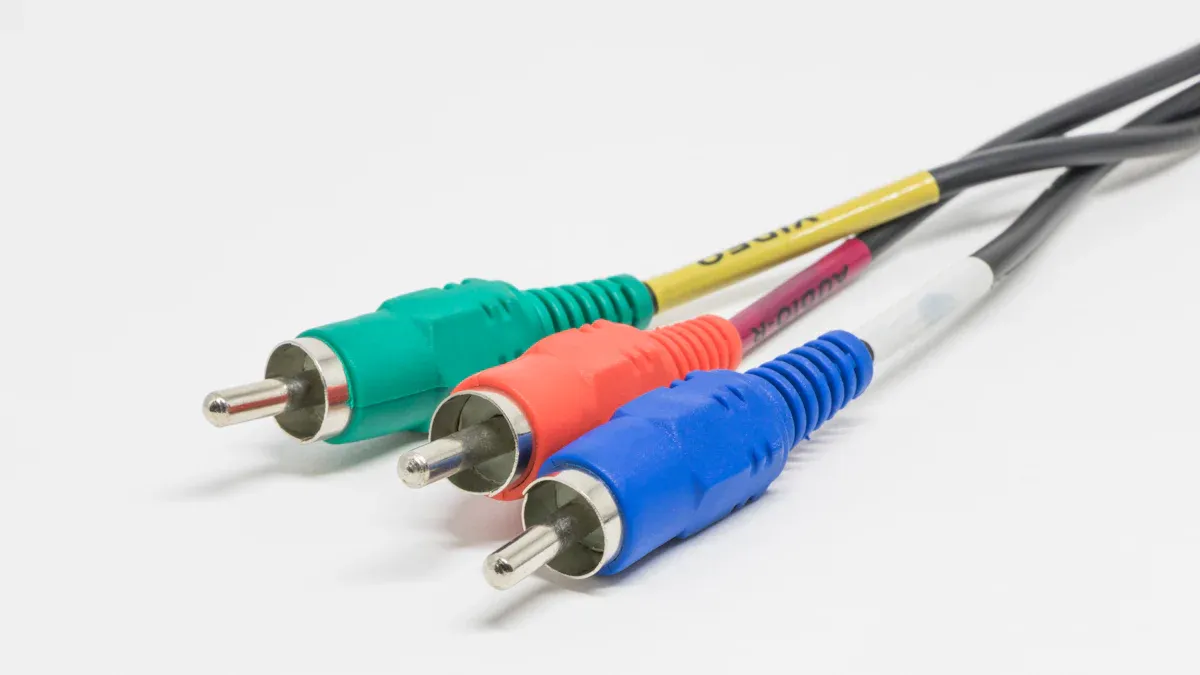
High-density RCA cables stand out due to their advanced construction and superior performance. These cables are designed with precision to ensure optimal signal transmission and durability. Their technical specifications highlight their quality:
| Specification | Value |
|---|---|
| Capacity | 55 pF/m |
| Resistance | 22 Ω/km |
| Outer Diameter | Ø 10 mm |
| Conductor Section | 1 mm |
| Material Conductors | Pure Copper OFC (99.999%) |
| Geometry | Coaxial |
| Internal Shielding | Tinned Copper Braid + Aluminum Foil |
| External Shielding | Tinned Copper Braid + Aluminum Foil |
| Connector Material | Alloy Copper Tellurium |
| Features Connectors | 24 K Gold Plated Copper/Tellurium Alloy Body |
These features enable improved audio signal transmission, particularly for subwoofers, and enhance the dynamic reproduction of low frequencies. The durable design, derived from advanced technology, ensures long-lasting performance even in demanding environments.
Differences Between High-Density and Standard RCA Cables
High-density RCA cables differ significantly from standard RCA cables in terms of construction and performance. Standard cables often lack the robust shielding and high-quality materials found in high-density variants. High-density cables utilize pure copper conductors with oxygen-free certification (99.999%), which minimizes signal loss and distortion.
Tip: The dual-layer shielding of high-density cables, combining tinned copper braid and aluminum foil, provides superior protection against electromagnetic interference (EMI) and radio frequency interference (RFI).
Additionally, the connectors in high-density cables feature 24K gold plating, ensuring a secure and corrosion-resistant connection. This contrasts with standard cables, which may use less durable materials. These enhancements make high-density RCA cables ideal for modern home theater systems, where reliability and performance are critical.
Advantages of High-Density RCA Cables
Superior Signal Quality
High-density RCA cables deliver exceptional signal quality by minimizing distortion during transmission. Their pure copper conductors, certified as oxygen-free (99.999%), ensure that audio signals remain clear and precise. This construction reduces resistance and enhances conductivity, allowing for accurate reproduction of sound across all frequencies.
Note: The coaxial geometry of these cables further optimizes signal flow, ensuring consistent performance even in demanding home theater setups.
The advanced shielding design also plays a critical role in maintaining signal integrity. By preventing external interference, these cables enable users to experience immersive audio and video quality without interruptions.
Noise Reduction and Interference Protection
High-density RCA cables excel in environments prone to electromagnetic interference (EMI) and radio frequency interference (RFI). Their dual-layer shielding, which combines tinned copper braid and aluminum foil, provides robust protection against unwanted noise.
The LessLoss C-MARC RCA Interconnect Cable demonstrates the effectiveness of advanced noise reduction techniques. Its unique Litz wire structure and bucking coil method utilize counter-polarized coils to cancel induced noise through phase cancellation. This innovative design significantly improves the signal-to-noise ratio, ensuring clean and uninterrupted audio transmission.
These features make high-density RCA cables ideal for installations in urban areas or spaces with multiple electronic devices, where interference is more likely to occur.
Durability and Longevity
Durability is a hallmark of high-density RCA cables. Their construction incorporates high-quality materials, such as pure copper conductors and 24K gold-plated connectors, which resist corrosion and wear over time.
-
Key durability features:
- Reinforced outer jackets protect against physical damage.
- Advanced shielding prevents degradation caused by environmental factors.
- Precision-engineered connectors ensure secure and stable connections.
These attributes contribute to the long lifespan of high-density RCA cables, making them a cost-effective choice for home theater installations.
Compatibility with Modern Home Theater Systems
High-density RCA cables are designed to integrate seamlessly with modern home theater systems. Their connectors, crafted from alloy copper tellurium and plated with 24K gold, ensure compatibility with a wide range of devices, including receivers, amplifiers, and subwoofers.
Tip: These cables support high-resolution audio formats, enabling users to enjoy the full potential of their advanced audio equipment.
Their versatility extends to various configurations, whether users require short cables for compact setups or longer cables for expansive installations. This adaptability makes them an essential component for achieving optimal performance in contemporary home theaters.
Meeting Commercial AV Standards
Importance of Compliance with AV Standards
Compliance with established AV standards ensures consistent performance and reliability in cable installations. These standards provide a framework for manufacturers to design cables that meet industry benchmarks for quality and interoperability.
-
Key benefits of compliance:
- Standardized practices simplify troubleshooting and maintenance.
- Uniform documentation facilitates quick adaptations to evolving technology.
- Adherence to safety guidelines ensures secure installations.
Organizations like ANSI, TIA, and EIA play a pivotal role in promoting these standards. ANSI encourages voluntary compliance, while TIA and EIA focus on telecommunications and electronics manufacturing, respectively. Staying updated with these standards is essential for ensuring efficient cable pathways and spaces, particularly in complex AV setups.
How High-Density RCA Cables Ensure Reliable Performance
High-density RCA cables deliver reliable performance by maintaining signal integrity and minimizing interference. Their advanced construction, featuring pure copper conductors and dual-layer shielding, reduces signal loss and external noise. This ensures clear audio and video transmission, even in environments with high electromagnetic interference.
The durability of these cables further enhances their reliability. Designed to withstand rigorous handling, they perform consistently in various conditions, from residential home theaters to commercial AV installations. By combining superior materials with precision engineering, high-density RCA cables meet the demands of modern AV systems, ensuring uninterrupted performance.
Materials and Construction for Commercial-Grade Quality
The materials and construction methods used in high-density RCA cables align with commercial-grade quality standards. Manufacturers prioritize durability and performance by utilizing high-grade components.
| Material | Quality Standard |
|---|---|
| PVC | Meets RoHS/Reach/Ca65 standard |
| Copper | High-grade materials for superior reliability |
| Flexible Wire | Compact tip design for enhanced performance |
These materials ensure the cables resist wear and environmental factors, while their compact design enhances usability. Brands like Amazon Basics and AudioQuest offer reliable options, catering to different budgets without compromising quality. By adhering to stringent standards, high-density RCA cables provide a dependable solution for both residential and commercial AV installations.
Choosing the Right RCA Cable
Factors to Consider for Device Compatibility
Selecting an RCA cable that aligns with your devices ensures optimal performance. Compatibility depends on several key factors:
| Factor | Description |
|---|---|
| Compatibility/Backwards Compatibility | Ensures the cable works with both current and older device standards. |
| Connection/Removal Frequency | Determines the cable's durability during repeated insertions and removals. |
| Environmental Sealing | Protects the cable from heat, vibration, and corrosive elements. |
Tip: Always verify the connector type and specifications of your devices before purchasing an RCA cable. This prevents mismatched connections and ensures seamless integration.
Selecting the Appropriate Cable Length
Cable length significantly impacts performance in high-density RCA setups. Shorter cables, such as 0.5 m options, often outperform longer ones due to reduced signal degradation and interference.
- Shorter cables provide better insulation, minimizing noise and maintaining signal clarity.
- Longer cables, like 2 m variants, may experience higher resistance and signal loss, especially in environments with electromagnetic interference.
For home theater installations, measure the distance between devices accurately. Choose the shortest cable length that meets your setup requirements to ensure optimal performance.
Evaluating Build Quality and Materials
The build quality of an RCA cable directly affects its durability and signal transmission. High-density RCA cables utilize advanced shielding technologies, such as the patented Advanced Optimised Shielding Plus (AOS+3), which employs a three-layer copper braid shielding architecture. This design minimizes interference and enhances signal clarity.
High-grade pure copper conductors and premium connectors, like 24K gold-plated options, further improve performance. In contrast, standard RCA cables often lack these features, making them less reliable for demanding applications. Investing in cables with superior materials ensures long-term reliability and consistent performance.
Balancing Price and Performance
Balancing cost and quality is crucial when selecting RCA cables. Analytical methods, such as subjective listening tests, help evaluate sound quality. Using familiar music during these tests ensures consistency in assessments.
- Higher-priced cables may not always deliver proportionally better performance.
- The concept of diminishing returns highlights that mid-range options often provide the best value.
Note: Prioritize cables that meet your technical requirements and budget. Avoid overspending on features that may not significantly enhance your home theater experience.
Installation Best Practices
Proper Cable Management Techniques
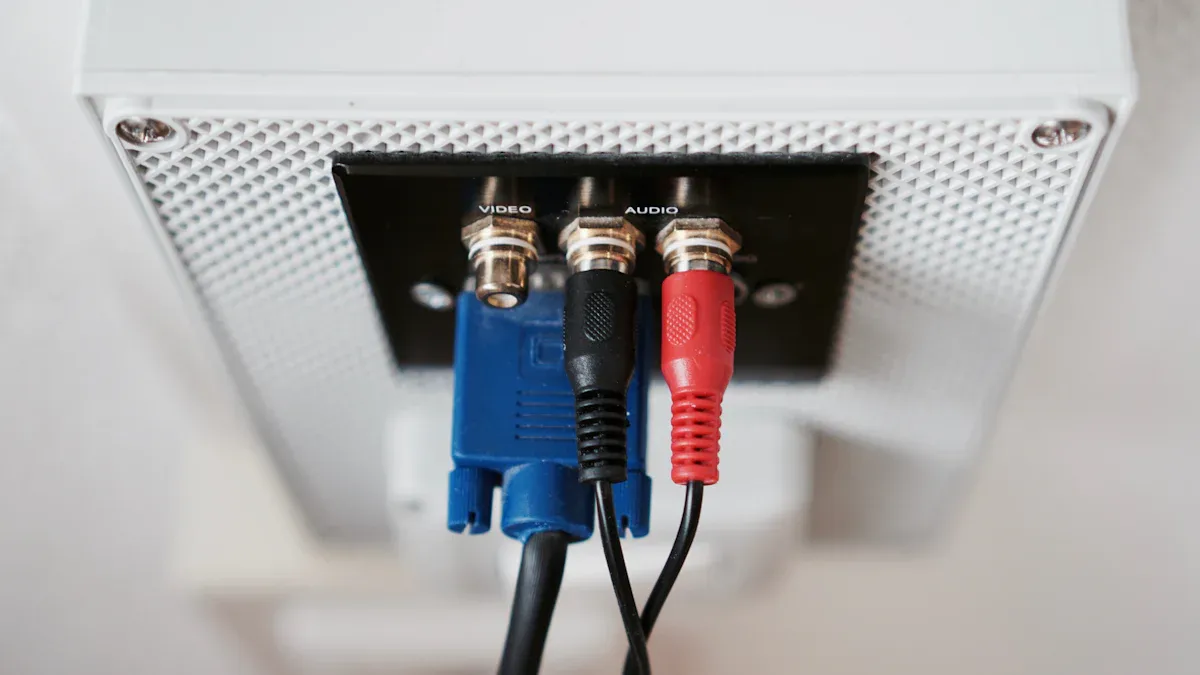
Effective cable management enhances both the performance and aesthetics of a home theater system. Following proven techniques ensures a clutter-free and interference-resistant setup:
- Separate Power Cables from AV Cables: Position power cables away from audio and video cables to reduce electromagnetic interference.
- Bundle Cables Neatly: Use plastic or Velcro ties to secure cables together. This prevents tangling and makes future adjustments easier.
- Label Both Ends: Attach labels to both ends of each cable for quick identification. Color-coding different types of cables simplifies troubleshooting.
- Enhance Organization: Opt for colored cables or expandable sleeving to improve visual organization and accessibility.
- Dedicate Time for Setup: Allocate sufficient time to arrange cables properly. This prevents signal degradation and extends cable lifespan.
These practices not only improve functionality but also maintain the integrity of high-density RCA cables, ensuring long-term reliability.
Avoiding Common Installation Errors
Improper installation can compromise the performance of high-density RCA cables. Avoid these common mistakes to ensure optimal results:
- Overstretching Cables: Excessive tension can damage internal conductors. Measure distances accurately and select the appropriate cable length.
- Ignoring Connector Alignment: Misaligned connectors may cause poor signal transmission. Ensure connectors fit securely into their respective ports.
- Neglecting Shielding Requirements: Placing cables near high-interference devices, such as routers, can degrade signal quality. Maintain adequate spacing to avoid interference.
Attention to detail during installation prevents these errors and guarantees a seamless home theater experience.
Testing and Troubleshooting Connections
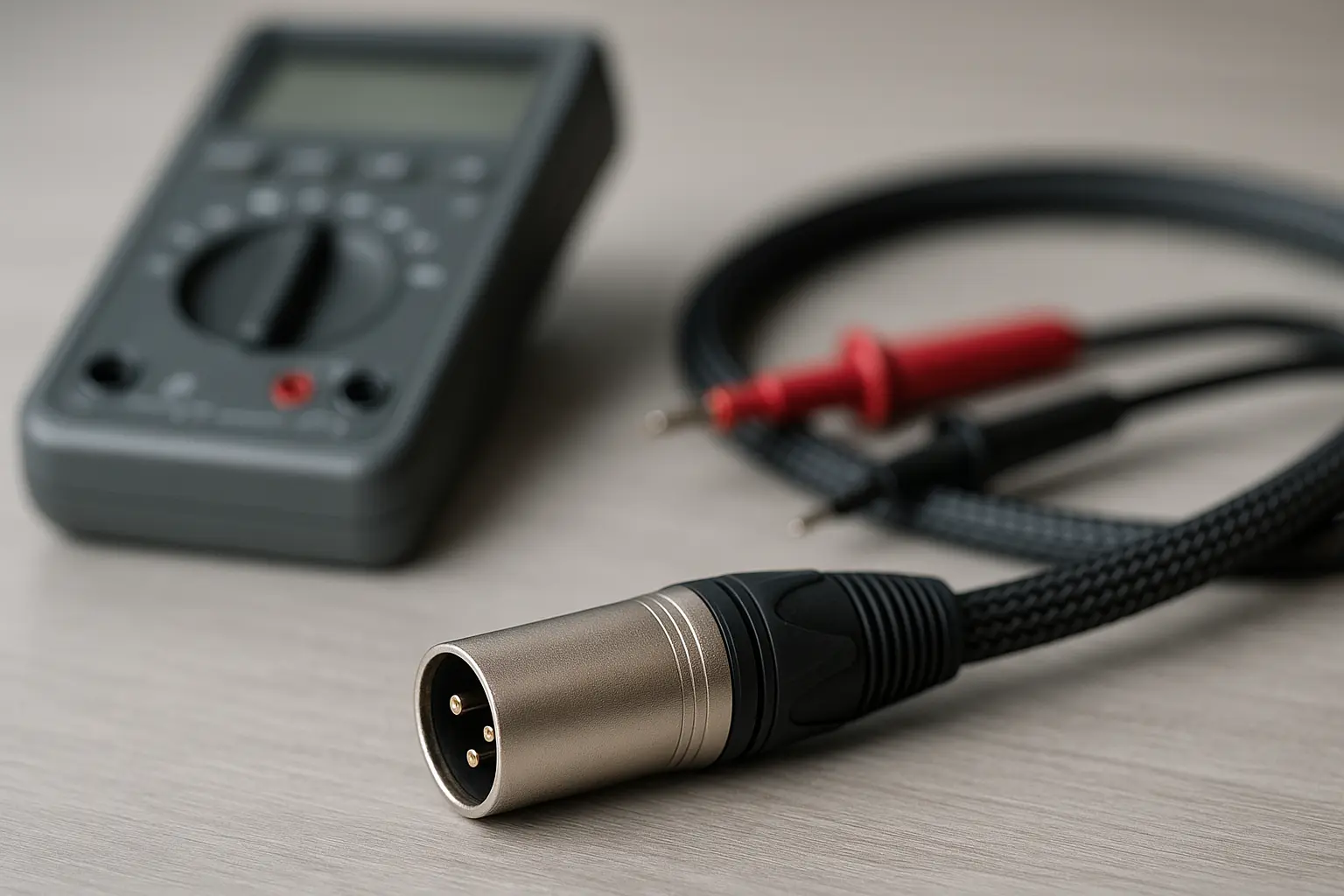
Testing connections ensures the system operates as intended. Begin by verifying each cable's functionality using a multimeter or cable tester. Check for continuity and ensure no breaks exist in the wiring.
If issues arise, follow these steps:
- Inspect connectors for dirt or corrosion. Clean them with a soft cloth if necessary.
- Recheck cable routing to confirm proper separation of power and AV cables.
- Swap cables with spares to identify faulty components.
Tip: Regularly test connections to maintain peak performance and address potential issues before they escalate.
By adhering to these practices, users can maximize the performance and longevity of their high-density RCA cables.
High-density RCA cables enhance home theater systems by delivering superior audio and video quality. Their compliance with commercial AV standards ensures reliable performance and durability. These cables meet the demands of modern setups, offering long-term value. Choosing high-quality options guarantees optimal signal transmission and a seamless entertainment experience.
FAQ
What makes high-density RCA cables better than standard RCA cables?
High-density RCA cables feature superior shielding, pure copper conductors, and gold-plated connectors. These components enhance signal quality, reduce interference, and ensure long-term durability.
Can high-density RCA cables work with older audio systems?
Yes, high-density RCA cables are backward-compatible. Their universal connectors ensure seamless integration with older devices while maintaining optimal signal transmission.
How do I choose the right cable length for my setup?
Measure the distance between devices accurately. Select the shortest cable length that meets your needs to minimize signal loss and interference.