


How to Choose the Best Instrument Cables for Live Performances: Durability vs. Signal Integrity
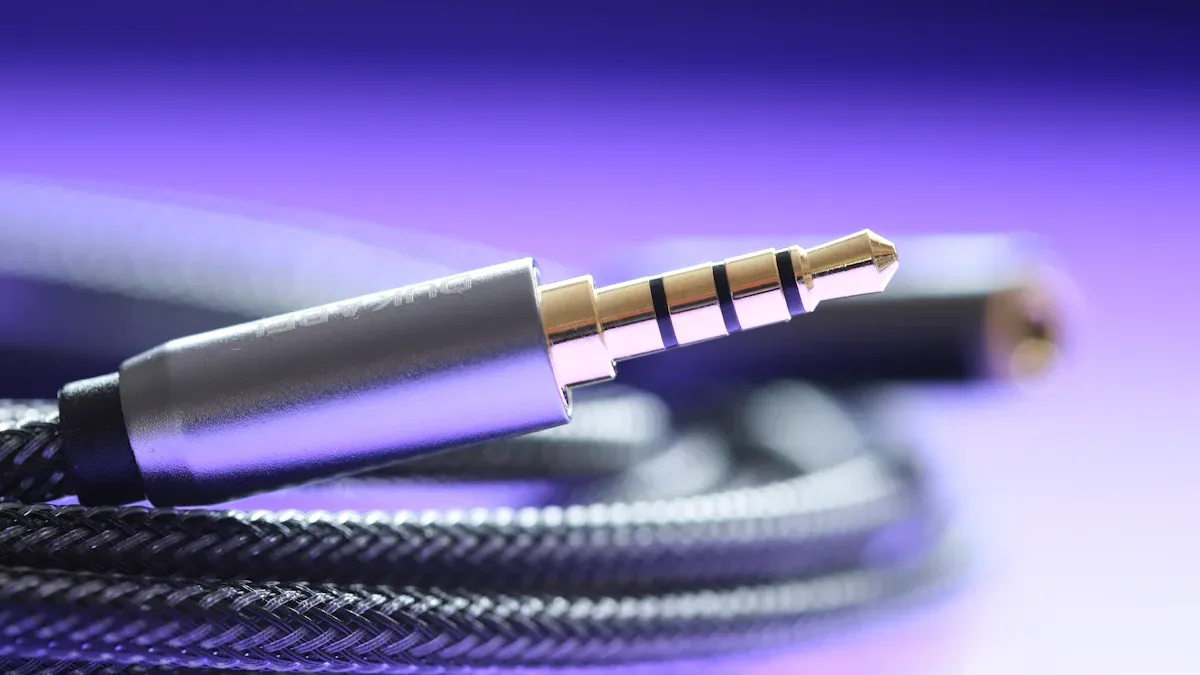
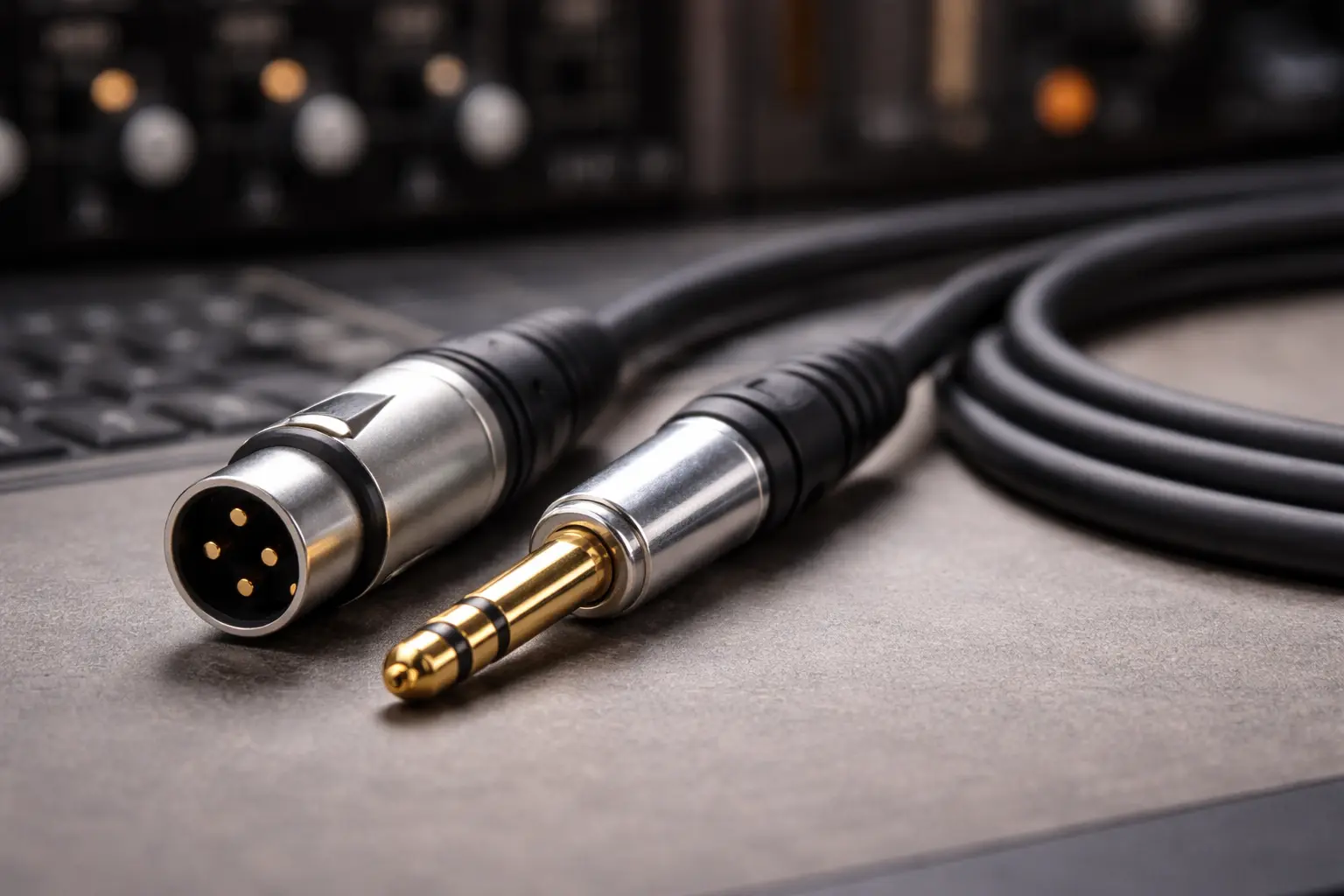
Live performances demand flawless sound quality and equipment reliability. Instrument cables play a crucial role in achieving this balance. Poor-quality cables often cause signal loss, interference, or even complete failure during shows, disrupting the performance. For example, cheaper guitar cables frequently produce unwanted noises like cracking or popping, which can undermine a musician's confidence on stage. High-quality cables, such as a well-constructed microphone cable or speaker cable, ensure consistent audio transmission. Their robust design minimizes risks and allows performers to focus on their craft. Investing in a reliable audio cable is essential for delivering professional sound and avoiding technical setbacks.
Key Takeaways
- Buy good-quality cables to get clear sound and avoid problems.
- Pick cables with strong cores for better sound and less noise.
- Use low capacitance cables to keep high notes clear and true.
- Choose thicker cables to last longer, especially for live shows.
- Test your cables before shows to find problems and ensure good sound.
Signal Integrity in Instrument Cables
Shielding and Noise Reduction
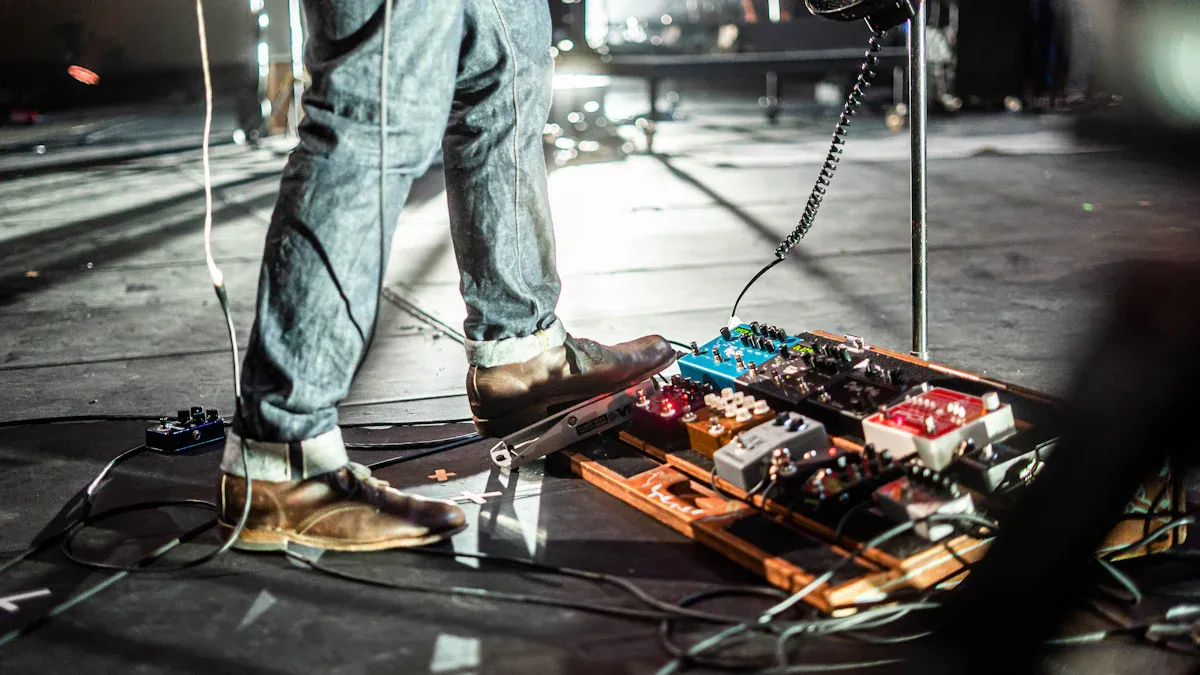
Shielding plays a vital role in maintaining signal integrity by reducing interference from external noise sources. High-quality instrument cables often feature shielding designs that isolate internal wires from electromagnetic and radio frequency interference. Proper grounding of shields ensures effective noise protection, as ungrounded shields fail to block interference.
| Feature | Benefit |
|---|---|
| Total coverage shield | Minimizes static noise by directing interference to ground. |
| Twisting wires | Cancels magnetic noise, offering a cost-effective noise reduction method. |
| Shielding reduces circuit pickup | Prevents interference from nearby instrument circuits. |
Musicians and sound engineers rely on these features to deliver clean audio signals during live performances. Without adequate shielding, cables can pick up unwanted noise, compromising sound quality and professionalism.
Conductor Quality and Signal Clarity
The conductor inside an instrument cable determines how faithfully audio signals are transmitted. Solid core conductors excel at preserving clarity and articulation, avoiding issues like strand interaction that can blur harmonics. Research shows that solid core designs transmit the nuances of instruments more accurately than stranded conductors, which often produce slower and thicker sound profiles.
-
Key Benefits of Solid Core Conductors:
- Tight, articulate bass response with midrange clarity.
- Enhanced noise rejection due to high shield coverage.
- Reduced strand interaction for improved signal fidelity.
For musicians seeking pristine sound quality, cables with solid core conductors provide a reliable solution. These cables ensure that every note and tone reaches the audience without distortion or loss.
Cable Length and Its Impact on Sound
Cable length directly affects sound quality and signal transmission. Longer cables experience greater resistive losses, which can degrade audio signals. For optimal performance, shorter cables are recommended, though accessibility to equipment must also be considered.
| Aspect | Details |
|---|---|
| Resistive losses | More significant than electrical delay caused by cable length. |
| Recommendations | Keep cable lengths minimal while ensuring ease of use. |
| Concert hall recordings | XLR cables can extend up to 300 feet without significant signal degradation. |
Insertion loss, expressed in decibels (dB), increases with cable length. For example, a 50-meter cable may lose approximately 0.15dB, while a 100-meter cable could lose 0.3dB. Musicians should carefully evaluate cable length to balance sound quality and stage setup requirements.
Low Capacitance for Better Signal Transmission
Capacitance is a critical factor in determining the performance of an instrument cable. It refers to the cable's ability to store electrical energy, which can directly impact the quality of the audio signal. Low capacitance cables are essential for preserving the integrity of high-frequency sounds, ensuring that the original tone of the instrument remains intact.
High capacitance cables often degrade audio quality by causing a loss of high-frequency signals. This results in a dull and muffled sound, which can significantly affect the clarity and brightness of live performances. On the other hand, low capacitance cables offer several advantages:
- They maintain the guitar's true tone, ensuring that high-frequency sounds remain clear and vibrant.
- They produce a brighter, fuller sound, enhancing the overall audio experience.
- They reduce the risk of signal degradation over longer cable lengths.
For musicians and sound engineers, choosing a low capacitance instrument cable is crucial for achieving professional-grade sound. The difference becomes especially noticeable in live settings, where every detail of the performance matters.
To identify a low capacitance cable, check the manufacturer's specifications. Capacitance is typically measured in picofarads per foot (pF/ft). Lower values indicate better performance. For example, cables with capacitance below 30 pF/ft are considered ideal for preserving high-frequency signals.
Tip: When selecting a cable, prioritize low capacitance over other features if sound clarity and tone preservation are your primary concerns. This ensures that the audience hears the instrument as intended, without any loss of detail.
By understanding the importance of capacitance and its impact on signal transmission, musicians can make informed decisions when selecting cables for live performances. A high-quality, low capacitance cable not only enhances sound quality but also contributes to a more reliable and enjoyable performance.
Durability Features of Instrument Cables
Cable Thickness and Longevity
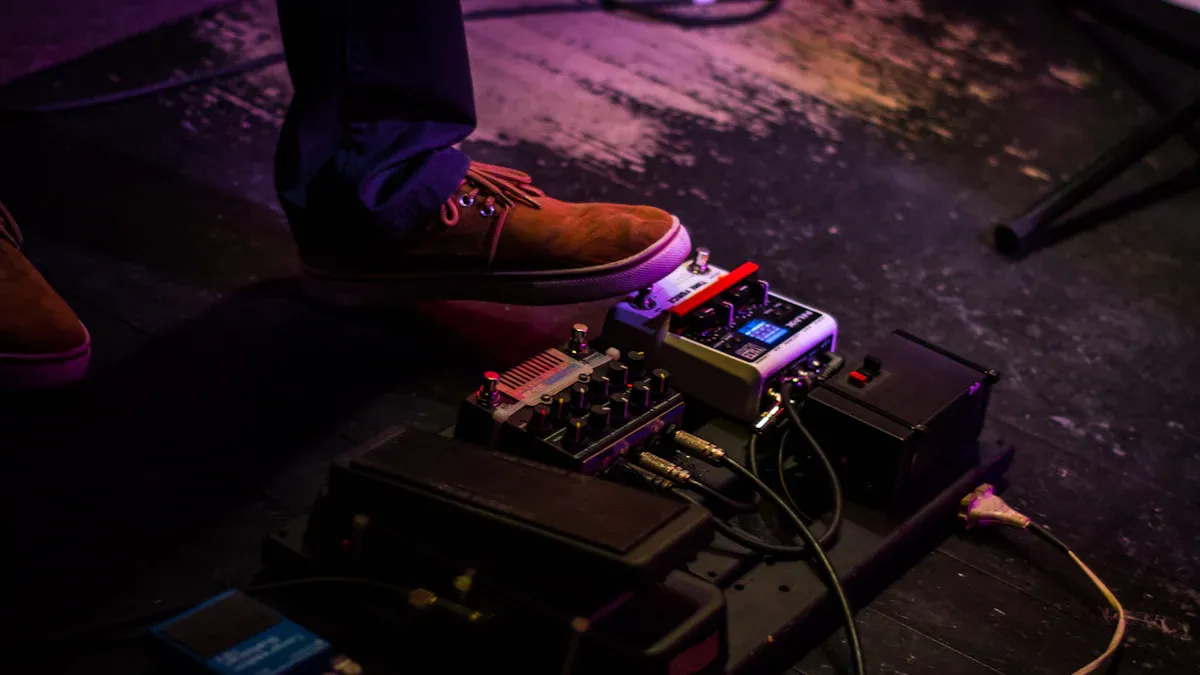
Cable thickness significantly impacts the durability and performance of an instrument cable. Thicker cables offer lower resistance and higher current-carrying capacity, which improves signal quality and reduces heat generation. These features contribute to the cable's longevity, especially in demanding live performance environments. Thinner cables, while more flexible, are better suited for short runs or tight spaces where maneuverability is essential.
For applications requiring high power transmission, such as Power over Ethernet (PoE), thicker conductors are preferred due to their ability to handle greater power loads. Musicians and sound engineers should evaluate their specific needs to determine the ideal cable thickness for their setup.
Tip: When selecting a cable, prioritize thicker designs for long-distance runs to ensure consistent performance and durability.
Outer Jacket Materials: Comparing Options
The outer jacket material of an instrument cable plays a crucial role in its durability, flexibility, and resistance to environmental factors. Different materials offer varying levels of performance:
| Material Type | Cold Resistance | Flexibility | Durability | Stripability |
|---|---|---|---|---|
| Fluoropolymers | Medium-High | Medium-High | High | Medium-High |
| Thermosets | Medium-High to High | Medium-High to High | Low to High | Low to High |
| Thermoplastics | Low to High | Low to Medium-High | Low to High | Medium-High to High |
Fluoropolymers stand out for their high durability and resistance to wear, making them ideal for cables exposed to frequent handling or harsh conditions. Thermoplastics, while offering a range of flexibility, may not provide the same level of durability as fluoropolymers. Musicians should consider the performance characteristics of these materials when choosing cables for live performances.
Connector Design and Durability
Connector design is a critical factor in ensuring the durability of an instrument cable. Advanced manufacturing techniques, such as solid modeling and CNC machining, enable the production of connectors that withstand rugged environments. Custom designs tailored to specific applications can reduce weight and assembly time, enhancing overall cable performance.
| Evidence Point | Description |
|---|---|
| Rapid Prototyping | 3D printing allows quick development of custom connectors for better durability. |
| Advanced Manufacturing | Solid modeling and CNC machinery create reliable connectors for tough conditions. |
| Application-Specific Design | Custom designs improve durability and performance in specialized environments. |
Reinforced stress points and strain relief near connectors further enhance durability, protecting the cable from damage during frequent plugging and unplugging. Musicians should prioritize cables with robust connectors to ensure reliable performance during live shows.
Flexibility and Tangle Resistance
Flexibility and tangle resistance are essential features of an instrument cable, especially during live performances. Musicians often move across the stage, requiring cables that can handle constant motion without becoming a hindrance. A flexible cable allows for smooth handling, reducing the risk of accidental disconnections or damage.
Cables with braided nylon jackets excel in both flexibility and durability. This material provides a pliable structure that adapts to various stage setups while maintaining its integrity over time. Unlike rigid cables, which can restrict movement, these designs enable performers to focus on their craft without worrying about technical issues.
Tangle resistance further enhances the usability of an instrument cable. A well-designed cable resists knotting and retains its shape even after repeated use. This feature minimizes setup time and ensures a hassle-free experience during performances. For example:
- A tangle-resistant cable allows musicians to move freely without interruptions.
- Its smooth motion on stage prevents unnecessary distractions.
- The cable’s ability to retain its shape reduces wear and tear, extending its lifespan.
These qualities are particularly valuable in high-pressure environments where reliability is critical. A tangled or stiff cable can disrupt a performance, leading to delays or compromised sound quality. By choosing a cable with superior flexibility and tangle resistance, musicians can ensure seamless operation and maintain their professional image.
Tip: Look for cables with braided nylon jackets and tangle-resistant designs to achieve the perfect balance of flexibility and durability. These features not only improve performance but also reduce long-term maintenance costs.
Balancing Durability and Signal Integrity
Choosing the Right Instrument Cable for Your Needs
Selecting the ideal instrument cable requires careful consideration of specific performance needs. Musicians and sound engineers should evaluate factors such as material, length, and connector compatibility to ensure optimal results.
- Material: Cables made from oxygen-free copper or silver-plated copper offer superior conductivity and noise shielding. These materials enhance signal clarity and reduce interference.
- Length: Shorter cables minimize signal loss and degradation. While longer cables may be necessary for larger stages, they should be used sparingly to preserve sound quality.
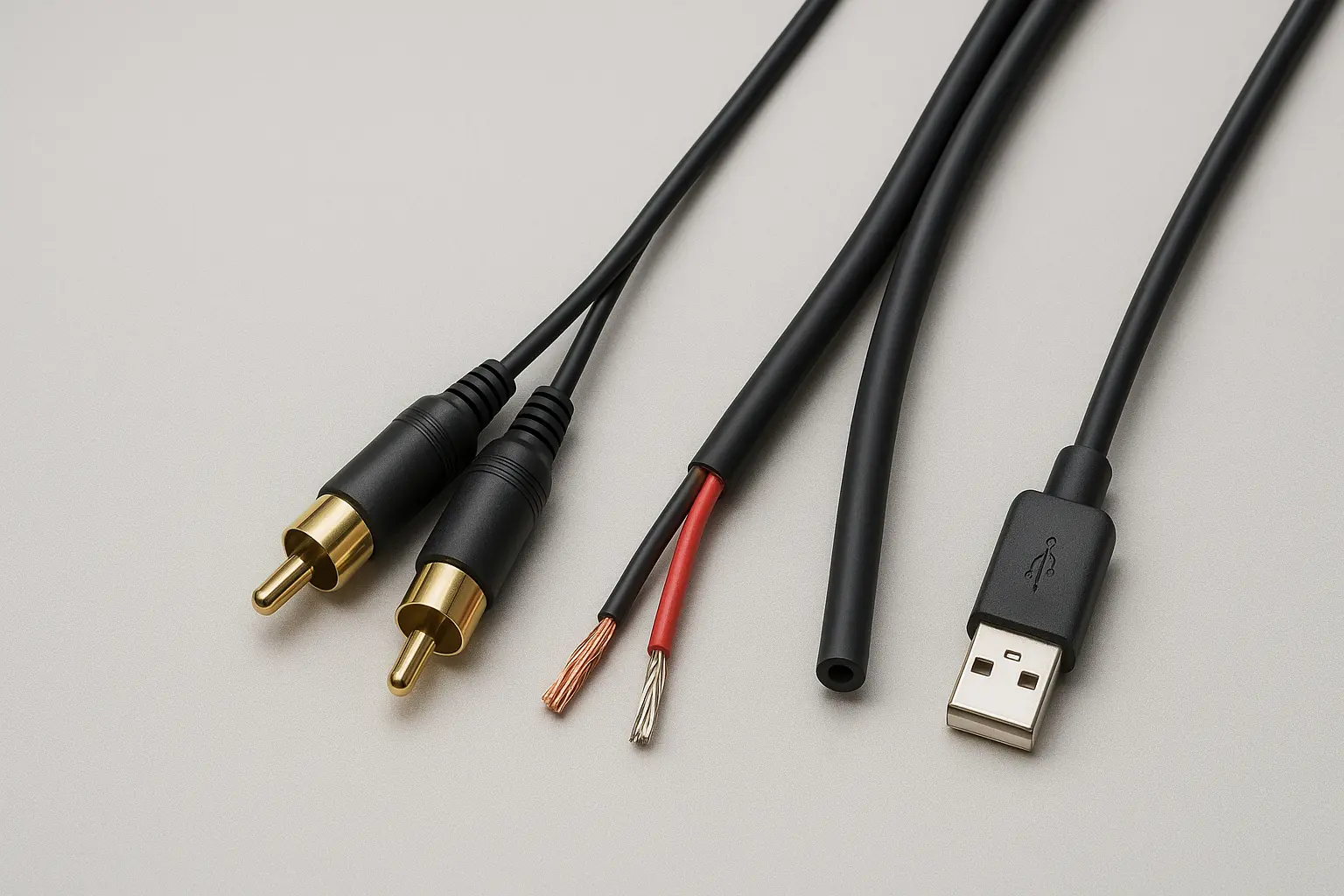
- Connectors: High-quality connectors that match the gear's input and output specifications prevent signal loss and ensure a secure connection.
- Maintenance: Proper care extends a cable's lifespan. Coiling cables correctly, storing them safely, and avoiding aggressive pulling are essential practices.
By focusing on these aspects, performers can choose a cable that balances durability and signal integrity. This ensures reliable performance during live shows, regardless of the venue or setup.
Budget-Friendly Options Without Compromising Quality
High-quality instrument cables do not always come with a hefty price tag. Many budget-friendly options deliver excellent performance without sacrificing durability or sound quality.
- Affordable cables often feature robust shielding to reduce noise, making them suitable for electrically noisy environments.
- Established brands like Hosa and Live Wire offer reliable products at lower price points, making them ideal for casual users or those on a tight budget.
- While premium cables like Mogami may provide subtle sonic enhancements, blind A-B tests often reveal minimal differences between budget and high-end options.
Note: Build quality and reliability often outweigh minor sonic differences. Musicians should prioritize these factors when selecting a cable within their budget.
Evaluating personal needs and budget constraints helps performers find a balance between cost and quality. Affordable cables can perform well in most scenarios, proving that a higher price does not always guarantee better results.
Reading Reviews and Seeking Recommendations
Customer reviews and personal recommendations are invaluable when choosing an instrument cable. They provide insights into real-world performance and reliability, helping musicians make informed decisions.
- Products like the Evidence Audio Melody Instrument Cable receive high ratings, such as 4.7 out of 5 stars, reflecting customer satisfaction.
- Popular recommendations include brands like Lava, Armor Gold, and DiMarzio, known for their durability and sound quality.
- Reviews often highlight practical aspects, such as tangle resistance, connector durability, and overall build quality, which are crucial for live performances.
Tip: When reading reviews, focus on detailed feedback about durability and sound performance rather than subjective claims about tonal differences.
Seeking advice from fellow musicians or sound engineers can also provide valuable guidance. Their firsthand experience with specific cables can help narrow down options and ensure a reliable choice for live performances.
Testing Instrument Cables Before Performances
Testing an instrument cable before a live performance is essential for ensuring reliable sound quality and avoiding unexpected technical issues. A thorough pre-show check can identify potential problems, allowing musicians and sound engineers to address them before stepping on stage. Here are some practical steps to test cables effectively:
-
Visual Inspection
Begin by examining the cable for visible signs of wear or damage. Look for frayed wires, cracked outer jackets, or bent connectors. These issues can compromise both durability and signal integrity.Tip: Pay special attention to the connector ends, as they are the most vulnerable to damage from frequent plugging and unplugging.
-
Continuity Testing
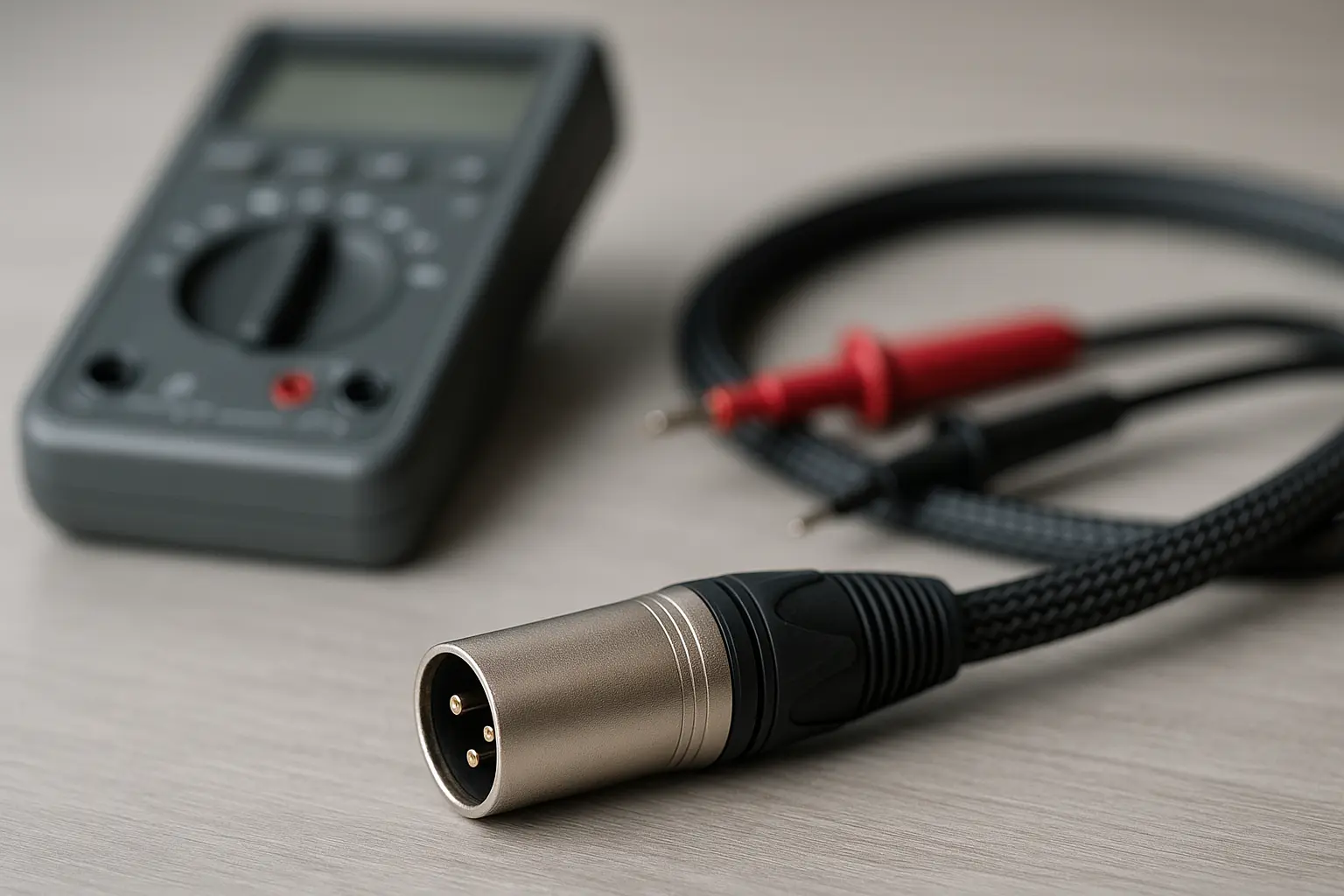
Use a multimeter to check the cable's continuity. This ensures that the electrical connection is intact from end to end. Set the multimeter to the continuity mode, then touch the probes to the cable's connectors. A consistent beep or reading indicates a functional cable.Note: If the multimeter shows no continuity, the cable may have a broken conductor or a faulty connection.
-
Sound Quality Check
Connect the cable to your instrument and amplifier or audio interface. Play through the setup and listen for any unwanted noise, such as hums, buzzes, or crackling sounds. These issues often indicate poor shielding or internal damage.- Test the cable at different volumes to ensure consistent performance.
- Move the cable around to check for intermittent signal loss caused by internal breaks.
-
Stress Testing
Simulate real-world conditions by bending and twisting the cable gently while it is in use. This helps identify weak points that may fail during a performance. A high-quality cable should maintain signal integrity even under moderate stress.Alert: Avoid excessive force during stress testing, as this can cause unnecessary damage.
-
Backup Preparation
Always test multiple cables and prepare backups. Even the most reliable cables can fail unexpectedly, so having spares on hand ensures that the show can go on without delays.
Testing an instrument cable thoroughly not only prevents technical disruptions but also boosts confidence during live performances. By following these steps, musicians and sound engineers can ensure that their equipment delivers consistent and professional results.
Signal integrity and durability are essential qualities in an instrument cable for live performances. High-quality cables ensure consistent sound transmission and withstand the rigors of frequent use. The growing demand for reliable cables reflects their importance, with the market projected to reach $7.9 billion in 2022. Musicians increasingly prefer cables with oxygen-free copper conductors and advanced shielding technologies to enhance sound quality and durability.
Investing in a dependable cable not only improves performance but also reduces the risk of technical failures. Evaluating specific needs, such as length and material, and testing cables before purchase can help musicians make informed decisions. A well-chosen cable ensures a seamless and professional live performance experience.
FAQ
What is the ideal length for an instrument cable in live performances?
Shorter cables are better for preserving signal quality. A length of 10 to 20 feet works well for most setups. Longer cables may introduce signal loss, so they should only be used when necessary.
How often should instrument cables be replaced?
Replace cables when they show signs of wear, such as fraying, cracking, or intermittent signal loss. High-quality cables can last several years with proper care, but regular testing ensures reliability during live performances.
Are expensive cables always better?
Not always. While premium cables often offer better materials and construction, many budget-friendly options provide excellent performance. Focus on durability, shielding, and low capacitance rather than price alone.
Can I repair a damaged instrument cable?
Yes, minor issues like broken connectors can be repaired with soldering. However, extensive damage to the conductor or shielding may require a replacement. Always test repaired cables before using them in live performances.
What is the best way to store instrument cables?
Coil cables loosely in a figure-eight pattern to prevent tangling and stress on the wires. Store them in a dry, cool place away from sharp objects or heavy equipment to avoid damage.
Tip: Regular maintenance and proper storage extend the lifespan of your cables, ensuring consistent performance.