

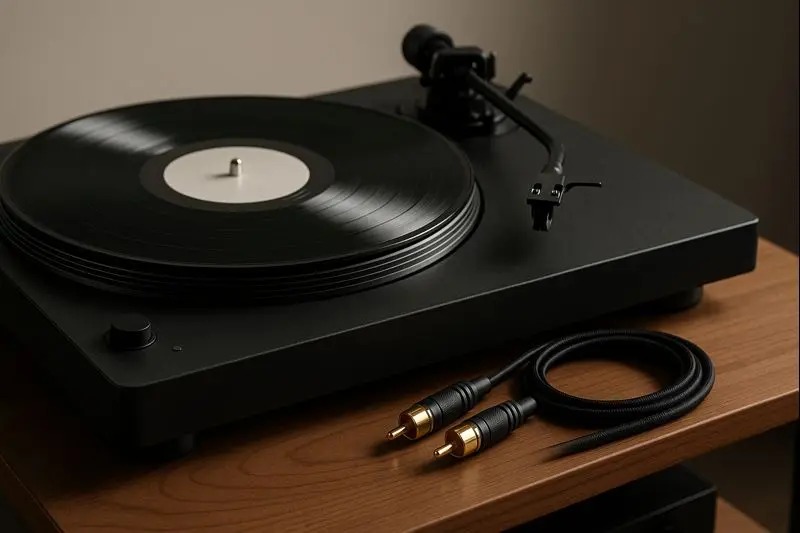
How to Choose the Right Headphone Cable for Your Headphones
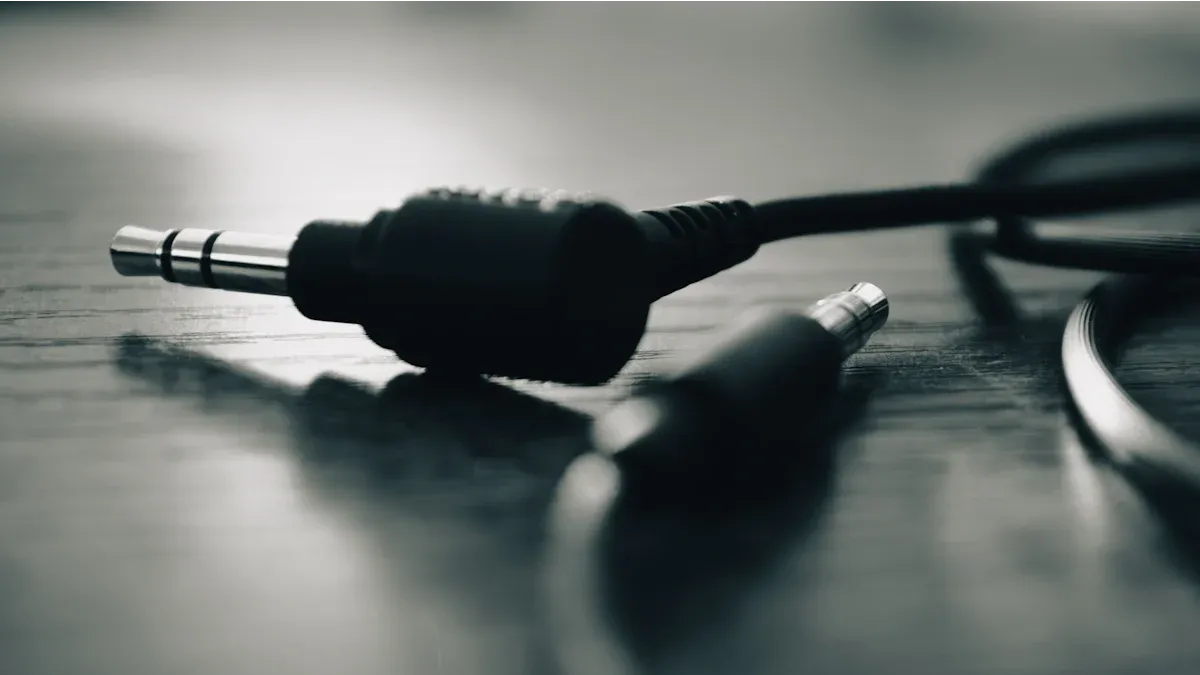
Selecting the right headphone cable offers several advantages:
- Users improve sound quality by choosing premium materials like copper or silver.
- Enhanced durability comes from better construction, similar to a guitar cable or microphone cable.
- Customizing an audio cable’s length or connectors increases comfort and reduces interference.
Key Takeaways
- Choose headphone cables with connectors that match your headphones and audio devices to ensure a secure fit and best sound quality.
- Select cables made from high-quality materials like oxygen-free copper or silver to improve durability and audio performance.
- Look for well-built cables with good shielding, strong connectors, and proper length to reduce noise, prevent damage, and fit your listening needs.
How to Identify the Best Headphone Cable for Your Headphones
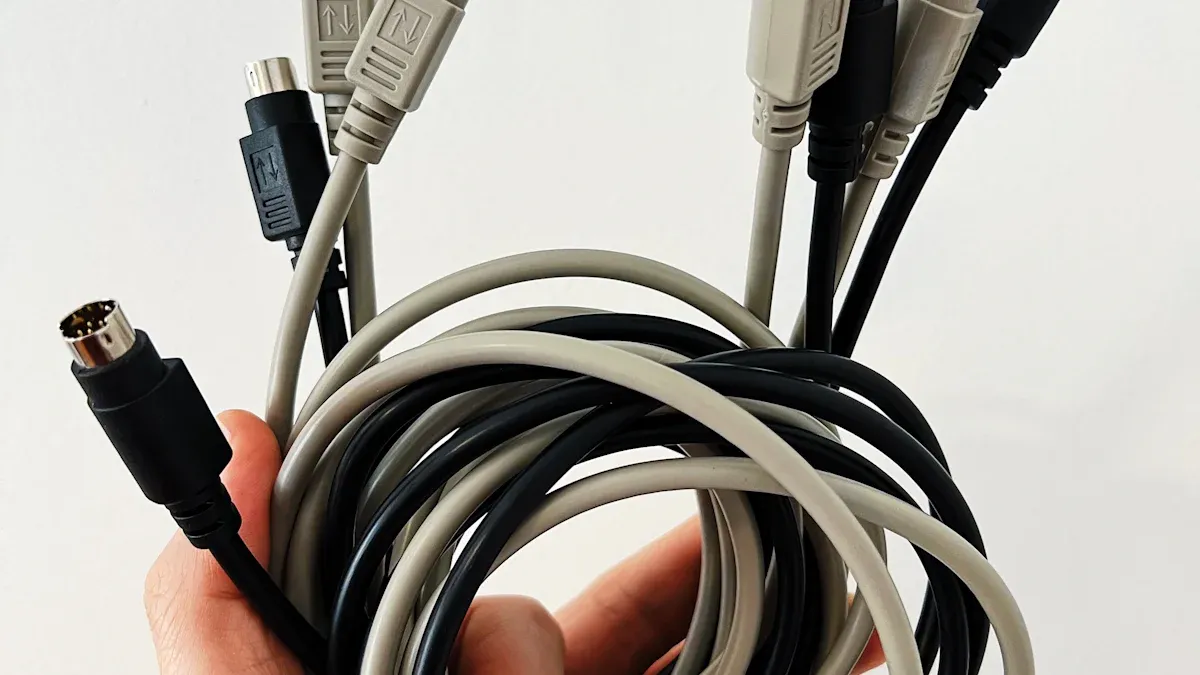
Headphone Cable Connector Types and Compatibility
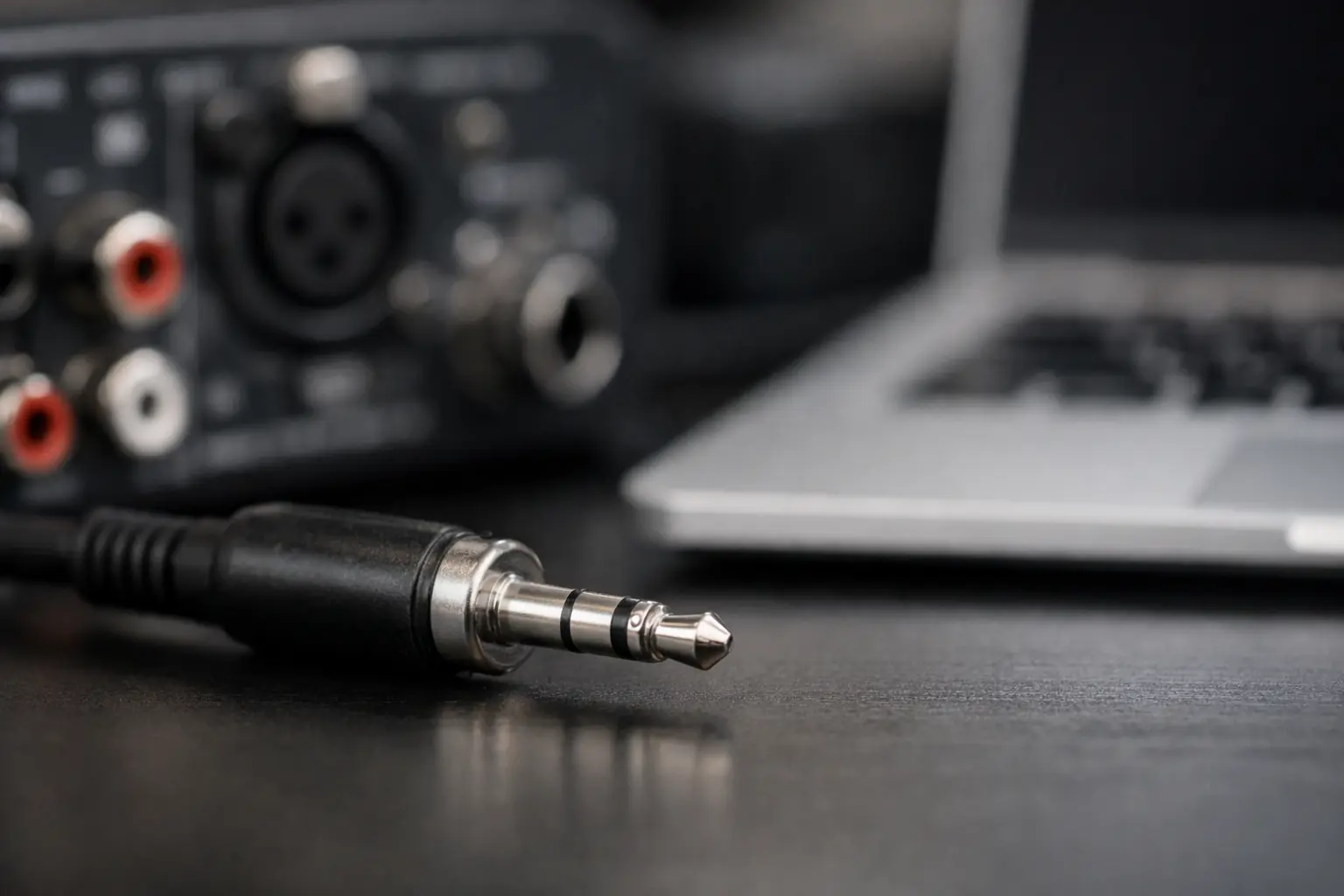
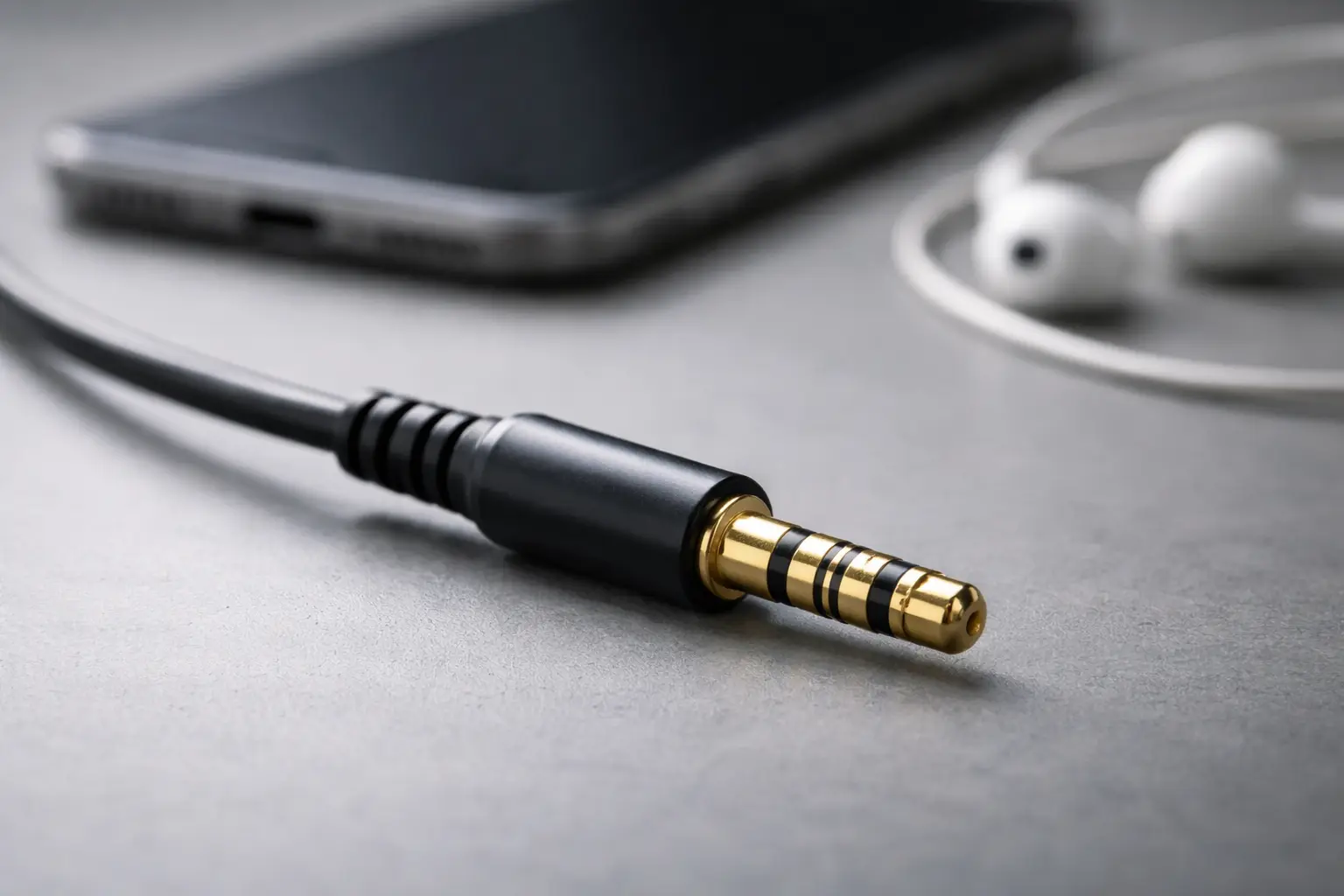
Selecting the right connector type is essential for ensuring a secure fit and optimal performance. The audio industry uses several common connector types. The 3.5mm plug appears almost universally in portable audio equipment and headphones. Home and professional audio equipment often use the larger 6.35mm (1/4 inch) plug. Some devices, especially older mobile phones and communication tools, use the smaller 2.5mm plug. High-end audio setups may feature 4.4mm connectors, which deliver balanced audio signals for improved sound quality.
Headphone connectors come in different configurations:
- TS (Tip-Sleeve): Mono audio, one black ring, found in some consumer products.
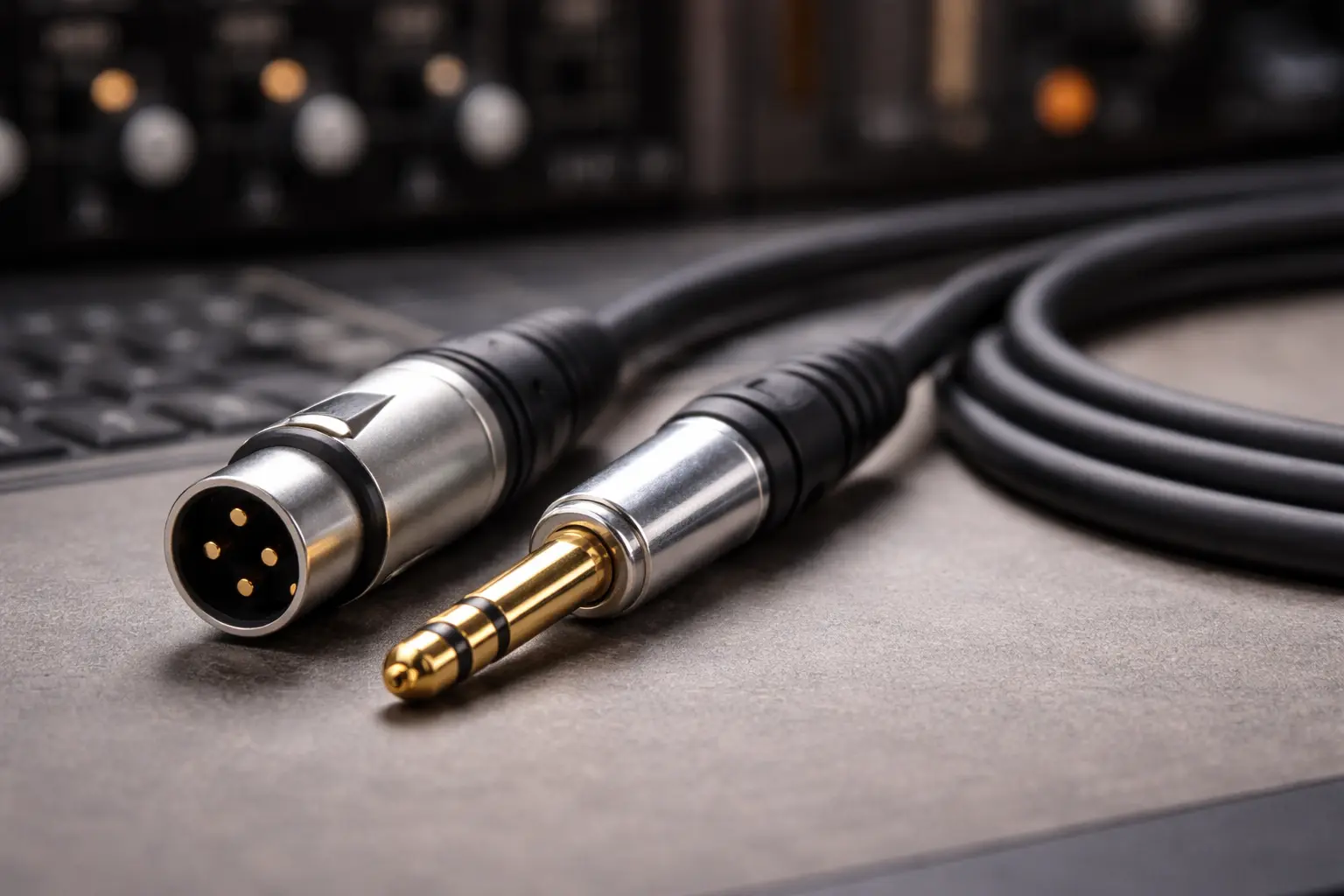
- TRS (Tip-Ring-Sleeve): Stereo audio, two black rings, common in headphones and studio equipment.
- TRRS (Tip-Ring-Ring-Sleeve): Stereo audio plus microphone, three black rings, used in headsets with built-in microphones.
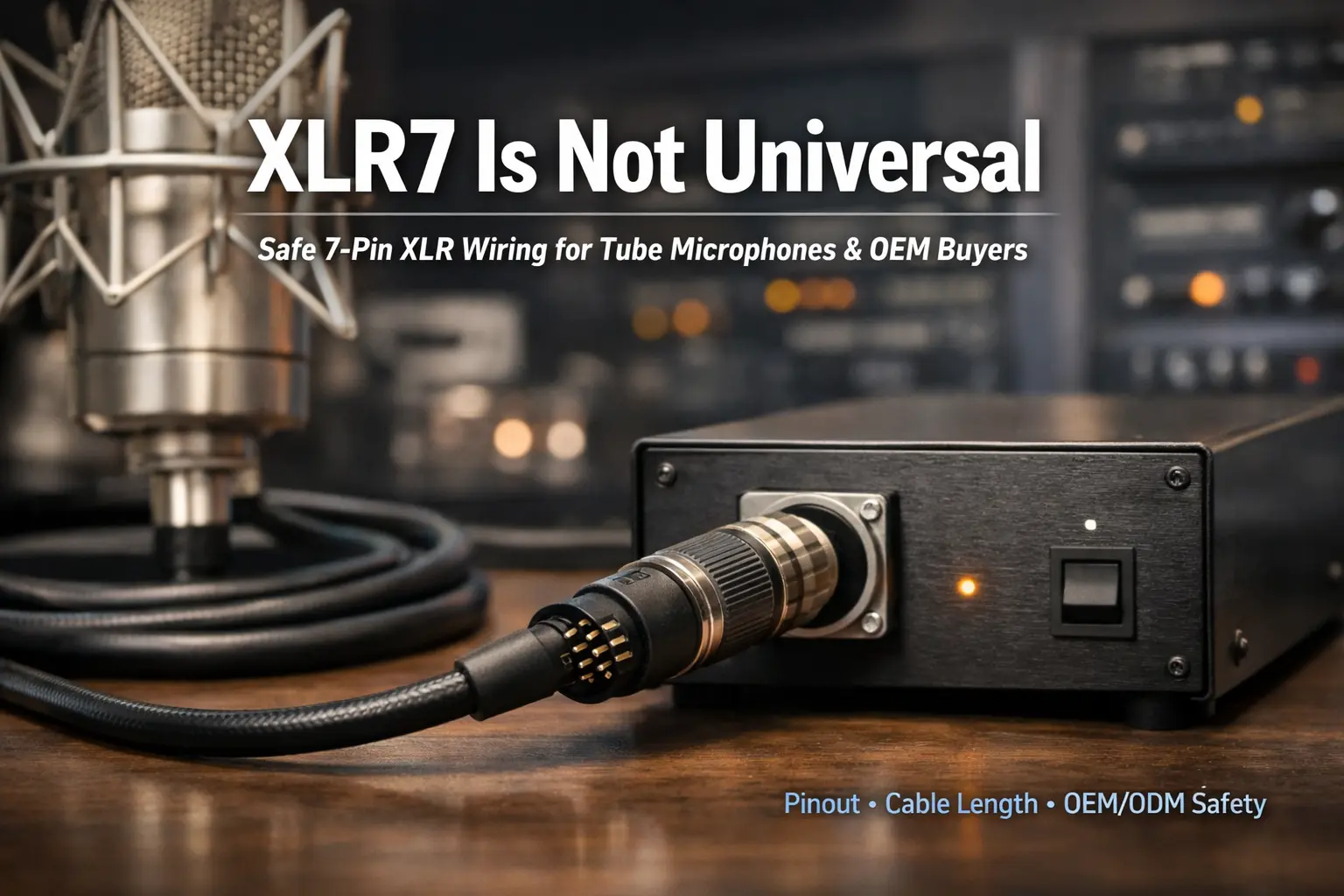
- XLR: Balanced, durable, and used in professional audio for long cable runs without interference.
Balanced connectors, such as 2.5mm TRRS, 4.4mm TRRRS, and XLR, provide noise reduction and better audio quality. Unbalanced connectors, like the 3.5mm TRS, are more susceptible to noise but remain widely compatible. The choice between balanced and unbalanced connectors depends on the device and the desired audio performance.
Compatibility depends on matching both the physical connector and the electrical configuration. For example, MMCX connectors are common in in-ear monitors (IEMs) and allow for flexible positioning. Two-pin connectors, also used in IEMs, require careful alignment and can be less durable. Mini-XLR connectors appear in premium over-ear headphones, but variations between brands can limit cross-compatibility. Adapters can bridge differences between connector types, but users should check for full functionality, especially if microphone support is needed.
Tip: Always verify the connector type and compatibility before purchasing a replacement or aftermarket headphone cable. This step prevents damage and ensures the best listening experience.
NINGBO JINGYI ELECTRONIC Co., LTD. manufactures a wide range of headphone cable solutions, offering both standard and custom connectors to meet diverse compatibility needs.
Headphone Cable Tips for Popular Brands and Models
Different headphone brands and models often require unique cable solutions. Sennheiser, for example, uses brand-specific dual connectors for its HD600 and HD700 series. These connectors are not always interchangeable with other brands or even other Sennheiser models. Sony and Audio-Technica also use proprietary connectors in some models, making it important to check compatibility before purchasing a new cable.
The table below summarizes common connector types for popular brands:
| Connector Type | Description | Brand/Usage Example |
|---|---|---|
| Dual SMC | Coaxial connector that screws onto the headphone jack; fragile; used in early Hifiman models | Early Hifiman headphones |
| Dual 3.5mm | Standard dual connectors for many headphones | Common standard connector |
| Dual 2.5mm (Long and Short) | Smaller dual connectors for balanced or proprietary connections | Various audiophile headphones |
| Dual 4 Pin Tiny XLR | Small XLR connectors for professional or high-end headphones | Professional headphones |
| Dual Sennheiser HD600 Series | Brand-specific dual connectors for Sennheiser HD600 series | Sennheiser HD600 series |
| Dual Sennheiser HD700 | Brand-specific dual connectors for Sennheiser HD700 series | Sennheiser HD700 series |
Some brands, such as DITA Audio and DUNU, offer modular connector systems. These systems allow users to swap connectors for different devices, increasing flexibility. High-end cable makers, including Toxic Cables and Effect Audio, use custom-designed connectors and premium materials like gold-plated or rhodium-plated contacts. These features improve durability and signal quality but can increase costs.
Note: Users report higher satisfaction with original manufacturer cables due to their reliability and build quality. Third-party cables vary in quality, so buyers should choose reputable brands and avoid low-quality connectors.
Audiophiles often recommend aftermarket brands such as Audiophile Ninja, Hart Audio, and Plussound for their quality and flexibility. However, original cables from the manufacturer usually provide the best fit and long-term reliability.
When selecting a headphone cable for a specific brand or model, always check the connector type, cable length, and material. This approach ensures compatibility and maintains the intended audio performance.
Key Features to Consider When Choosing a Headphone Cable
Headphone Cable Materials: Copper, Silver, and Hybrids
The material used in a headphone cable plays a significant role in both sound quality and durability. Copper remains the most common choice because manufacturers design and test audio equipment with copper cables, ensuring a consistent sound signature. Oxygen-free copper offers improved longevity and reliability, especially when paired with proper strain relief. Silver provides even better electrical conductivity than copper, but it comes at a higher cost and can subtly alter the sound signature. Some listeners describe silver cables as delivering a brighter, more detailed sound, while copper cables tend to add warmth and fullness.
Hybrid cables combine copper and silver to balance conductivity, cost, and sound characteristics. Silver-plated copper cables often provide a transparent, crisp sound with a cleaner background. Laboratory tests show that copper cables produce a warmer, fuller low end, while silver and hybrid cables offer more detail and a wider soundstage. However, the differences in resistance and impedance between these materials are minimal over typical headphone cable lengths, making the choice largely a matter of personal preference and system compatibility.
Tip: For most users, oxygen-free copper cables deliver excellent performance and value. Silver or hybrid cables may appeal to audiophiles seeking subtle changes in sound or improved aesthetics.
NINGBO JINGYI ELECTRONIC Co., LTD. manufactures a wide range of headphone cables using high-quality copper, silver, and hybrid materials, ensuring options for every listener.
Headphone Cable Length for Different Listening Environments
Selecting the right cable length depends on the intended listening environment. For home use, most people prefer cables between 6 and 20 feet. Many users find 8 to 10 feet ideal for comfort and flexibility, allowing movement without tangling or pulling. Longer cables, up to 20 feet, suit those who want to walk around a room or change listening positions, such as sitting on a couch or lying in bed. Extensions can help reach distant amplifiers or audio sources.
The table below summarizes how cable length affects both audio quality and convenience:
| Cable Type | Impact on Audio Signal Quality | Impact on User Convenience and Suitable Scenarios |
|---|---|---|
| Analog Cables | Signal degrades as length increases; more vulnerable to noise | Shorter runs or good shielding needed; best for home setups |
| Balanced Cables (e.g., XLR) | Better noise reduction; suitable for longer runs | Preferred in studios or noisy environments; may be bulkier |
| Unbalanced Cables | Prone to interference over long distances | Simpler, less expensive; best for short runs |
Shorter cables reduce the risk of signal loss and interference. Balanced cables, such as XLR, allow for longer runs without significant degradation, making them popular in professional studios. For portable listening, shorter cables improve comfort and reduce tangling.
Note: Always measure the distance from your audio source to your listening position and add extra slack for comfort.
Headphone Cable Construction: Thickness, Braiding, and Durability
Construction quality determines how well a headphone cable withstands daily use. High-quality conductors, such as UPOCC copper or silver wire, ensure better signal transfer and durability. Shielding blocks electromagnetic and radio frequency interference, which protects the cable from noise and signal degradation. A lower gauge number, such as 22 AWG, means a thicker cable with lower resistance, preserving signal quality over distance.
Braided cables offer increased flexibility and resistance to tangling. Durable connector materials, including gold-plated or rhodium-plated brass, enhance connection longevity and prevent corrosion. Proper cable management, such as avoiding tight coils and sharp bends, helps prevent internal damage and extends cable life.
Common complaints about headphone cable construction include poor shielding, low-quality connectors, and inadequate strain relief. These issues can lead to signal loss, increased noise, and a higher risk of cable failure. Cable failures account for about 35% of all wired headphone failures, with the connector junction and earcup entry point being the most vulnerable areas.
- Key construction features to look for:
- High-quality conductor material
- Effective shielding
- Durable, corrosion-resistant connectors
- Proper strain relief and insulation
- Flexible, ergonomic design
NINGBO JINGYI ELECTRONIC Co., LTD. uses advanced construction techniques and premium materials to produce headphone cables that meet the demands of both casual listeners and professionals.
Headphone Cable Price Ranges and Value
Headphone cable prices vary widely based on materials, construction, and brand reputation. Entry-level cables typically cost between $150 and $350. These offer moderate improvements in warmth or extension, with subtle effects on sound quality. Mid to high-end cables range from $700 to $1,000 and deliver more noticeable changes in sound signature, such as increased detail or a wider soundstage. Premium cables, which can cost up to $2,500 or more, use advanced materials and construction for the highest quality and unique sound characteristics.
| Price Range | Description | Examples / Notes |
|---|---|---|
| <$350 | Entry-level; moderate improvements, subtle effects (5%-10%) | Effect Audio Ares II, PWaudio’s no 5 |
| $700 - $1000 | Mid to high-end; significant performance jump, unique sound signatures | Wide variety, $500+ jump from entry-level |
| Up to $2500+ | Premium; advanced materials, flagship models, unique characteristics | Eletech, Parnassus series, flagship copper cables |
Most users do not perceive a significant audible difference between standard and premium cables, especially when using typical audio equipment. Audiophiles with high-end systems may notice subtle improvements in clarity, detail, or soundstage. Many consumers value premium cables for their build quality, durability, and aesthetics rather than for dramatic changes in sound.
Tip: Choose a headphone cable that matches your system quality and budget. For most listeners, a well-made entry-level or mid-range cable provides the best balance of performance and value.
Selecting the right cable involves several important steps.
- Match the connector type to the headphones and audio source.
- Pick high-quality materials like UPOCC copper or silver.
- Ensure strong shielding and proper cable gauge.
- Avoid sharp bends and interference sources.
- Secure connections for reliable performance.
Tel: +86 574 86100572#8816
Whatsapp: +86 15168592711
E-mail: sales@jingyiaudio.com
Youtube: JINGYI
Facebook: JINGYI