




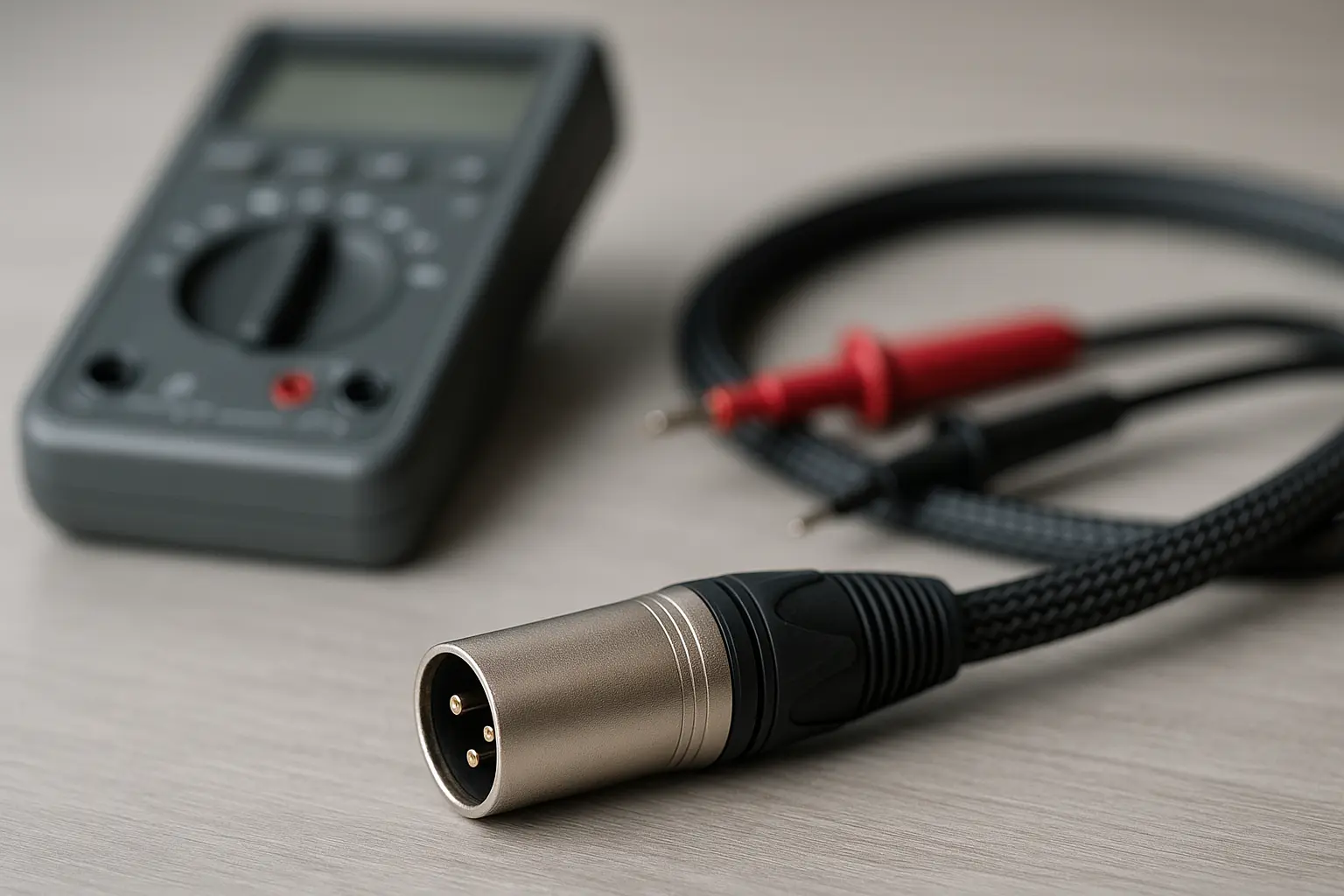
How XLR 3-P Audio Connector Boosts Sound Quality
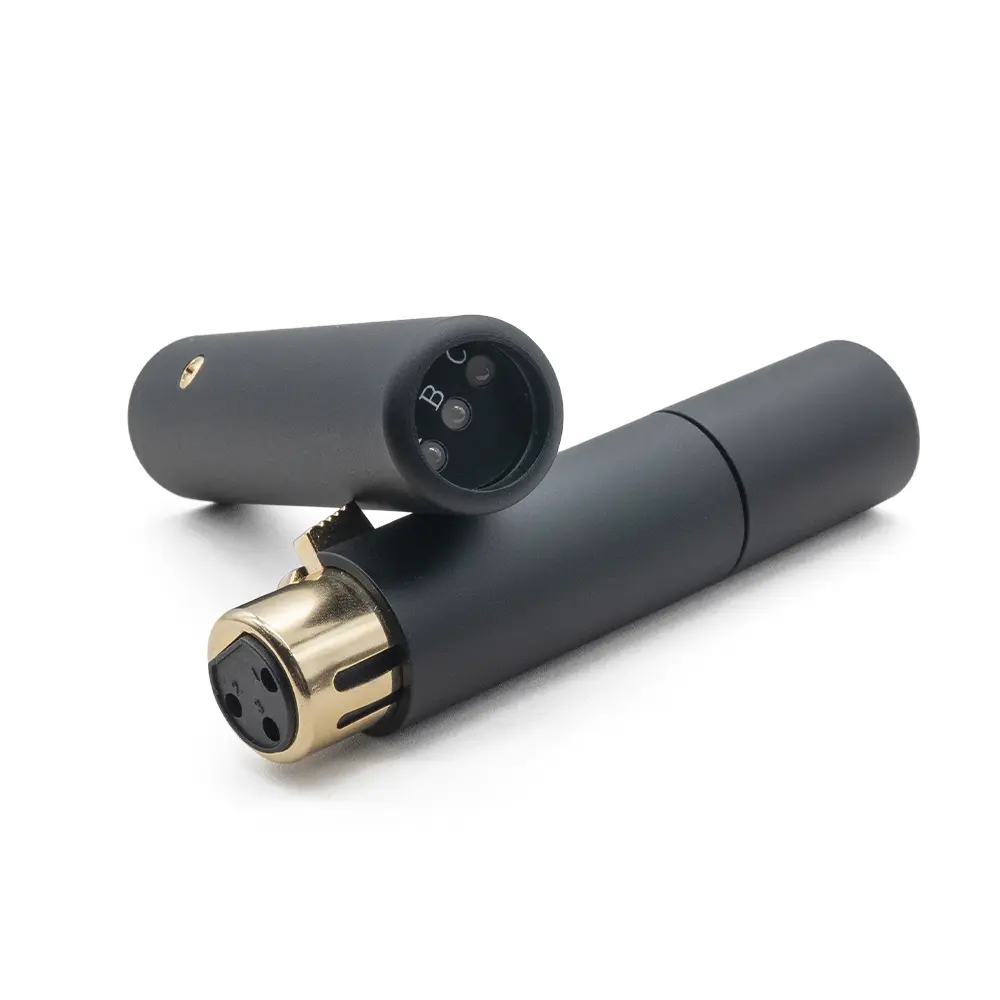
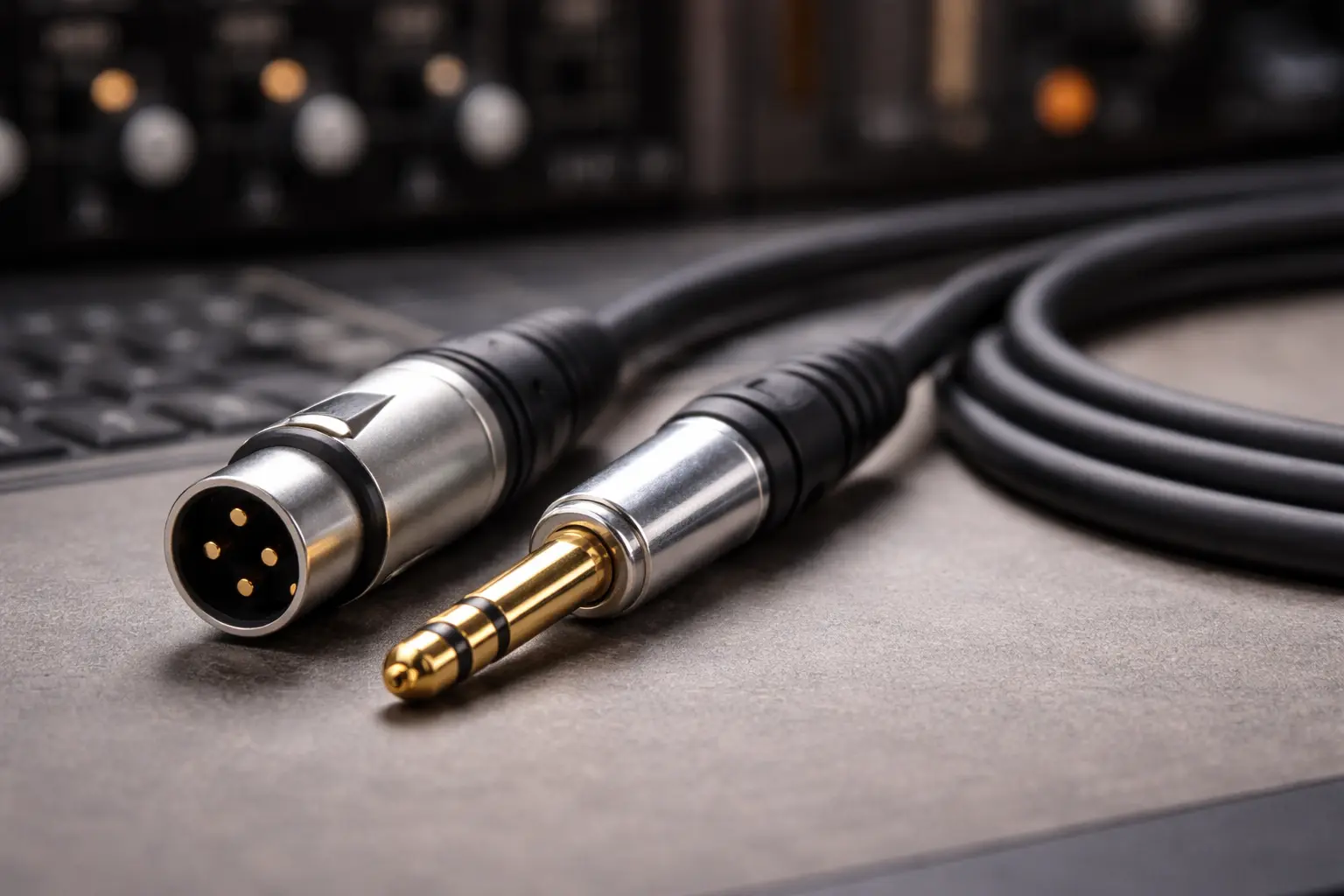
The XLR 3-P Audio Connector redefines audio quality by ensuring balanced signal transmission, reducing noise, and offering unmatched durability. Its design minimizes electromagnetic interference and preserves audio integrity during long-distance transmission. Reliable and versatile, it connects seamlessly with various devices like an XLR to XLR cable or an XLR to type C audio cable.
Key Takeaways
- The XLR 3-P Audio Connector sends balanced signals to cut noise.
- Its strong build and shield block unwanted signals, keeping sound clear.
- Good cables with the XLR 3-P Connector lower noise and improve sound.
Balanced Signal Transmission with XLR 3-P Audio Connector
How Balanced Transmission Works
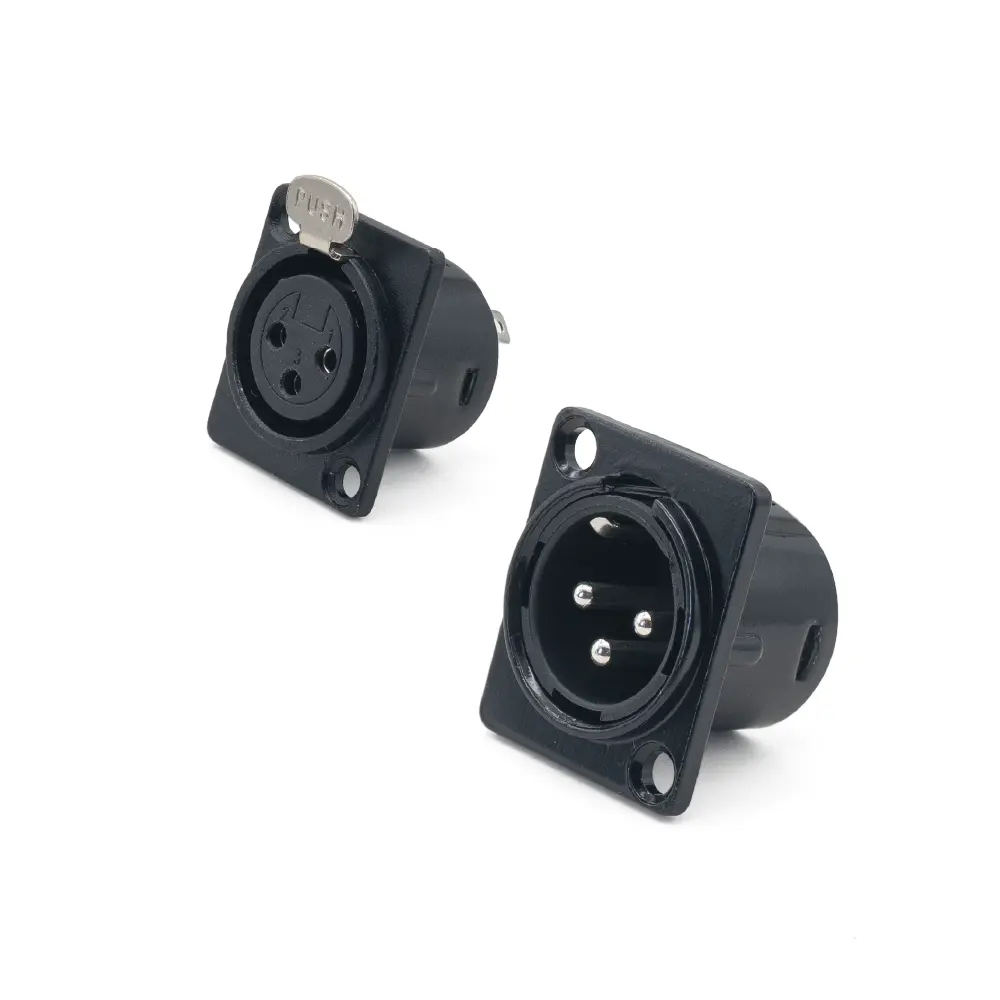
Balanced signal transmission is a sophisticated method that ensures audio signals remain clear and free from interference. The XLR 3-P Audio Connector achieves this by utilizing three distinct pins, each serving a specific purpose. Pin 1 connects to the chassis ground, which shields the cable from external noise. Pin 2 carries the positive polarity signal, while Pin 3 transmits the negative polarity signal. This configuration allows the connector to transmit two identical signals with opposite polarities.
When the signals reach the receiving end, the negative polarity signal is inverted and combined with the positive signal. This process cancels out any noise or interference picked up during transmission, as the noise affects both polarities equally. The result is a clean, high-quality audio signal that remains consistent even over long distances.
| Pin | Function |
|---|---|
| 1 | Chassis ground (cable shield) |
| 2 | Positive polarity terminal (hot) |
| 3 | Negative polarity terminal (cold) |
This balanced design is particularly effective in professional audio environments, where maintaining signal integrity is critical. The XLR 3-P Audio Connector, such as the JYS54&JYS55 models from Ningbo Jingyi Electronic, exemplifies this technology by delivering exceptional performance in both live and studio settings.
Advantages Over Unbalanced Connectors
Balanced connectors, like the XLR 3-P Audio Connector, offer several advantages over their unbalanced counterparts. One of the most significant benefits is their ability to reduce electromagnetic noise, especially over long cable runs. This makes them ideal for professional audio setups, where cables often span considerable distances.
Another advantage lies in their superior signal-to-noise ratio (SNR). Balanced interfaces can achieve an SNR of up to 135 dB in professional-grade systems, compared to the limited SNR of unbalanced connectors. Additionally, balanced connectors feature a high common-mode rejection ratio (CMRR), which minimizes interference from external sources.
| Metric | Unbalanced Interfaces | Balanced Interfaces |
|---|---|---|
| SNR (Consumer-grade) | Up to 100 dB | Up to 125 dB |
| SNR (Professional-grade) | Limited to CD-quality | Up to 135 dB |
| CMRR | Low | 70 to 100 dB |
| Signal Level | +2 Vrms | +24 dBu |
Balanced connectors also maintain signal integrity for low-level signals, such as those from condenser microphones. By separating the signal ground from the earth ground, they minimize noise caused by power sources. This feature is particularly beneficial in environments with multiple electronic devices, where ground loops can introduce unwanted hums or buzzes.
- Key advantages of balanced connectors include:
- Reduction of electromagnetic noise over long distances.
- Preservation of signal integrity for low-level audio signals.
- Separation of signal ground from earth ground to minimize power-related noise.
The XLR 3-P Audio Connector stands out as a reliable choice for achieving these benefits. Its robust design and advanced technology make it indispensable for audio professionals seeking high-quality sound transmission.
Noise Reduction in XLR 3-P Audio Connector
Electromagnetic Interference Prevention
Electromagnetic interference (EMI) and radio frequency interference (RFI) can significantly degrade audio quality. The XLR 3-P Audio Connector effectively prevents these issues through its advanced design. Its balanced signal transmission and shielding mechanisms work together to block external noise. This ensures that audio signals remain clear and consistent, even in environments with high levels of interference.
The connector's shielding evenly distributes and blocks unwanted noise. This feature makes it suitable for use in areas with heavy EMI or RFI, such as near broadcasting equipment or power lines. The balanced design further enhances noise reduction by canceling out interference that affects both signal polarities equally. These attributes contribute to the production of high-quality audio recordings, free from distortion or unwanted hums.
- Key features of the XLR 3-P Audio Connector for noise prevention:
- Balanced signal transmission cancels out interference.
- Shielding blocks external noise effectively.
- Reliable performance in EMI and RFI-prone environments.
By incorporating these features, the XLR 3-P Audio Connector ensures that audio professionals and enthusiasts can achieve superior sound quality without compromise.
Applications in Live and Studio Audio
The XLR 3-P Audio Connector plays a vital role in both live and studio audio setups. Its ability to reduce noise makes it indispensable for environments where sound clarity is critical. In live performances, it ensures that microphones and instruments deliver clean signals to the sound system, even in venues with complex electrical setups. This reliability minimizes disruptions and enhances the overall listening experience for the audience.
In studio environments, the connector's noise reduction capabilities are equally valuable. Recording sessions often involve sensitive equipment, such as condenser microphones, which require pristine signal transmission. The XLR 3-P Audio Connector maintains the integrity of these signals, allowing audio engineers to capture every detail with precision. Its compatibility with long cable runs further supports its use in professional studios, where equipment is often spread across large spaces.
Tip: For optimal results, pair the XLR 3-P Audio Connector with high-quality cables to maximize noise reduction and signal clarity.
Whether used in a live concert or a recording studio, the XLR 3-P Audio Connector ensures consistent performance. Its robust design and advanced technology make it a trusted choice for professionals seeking reliable audio solutions.
Durability and Reliability of XLR 3-P Audio Connector
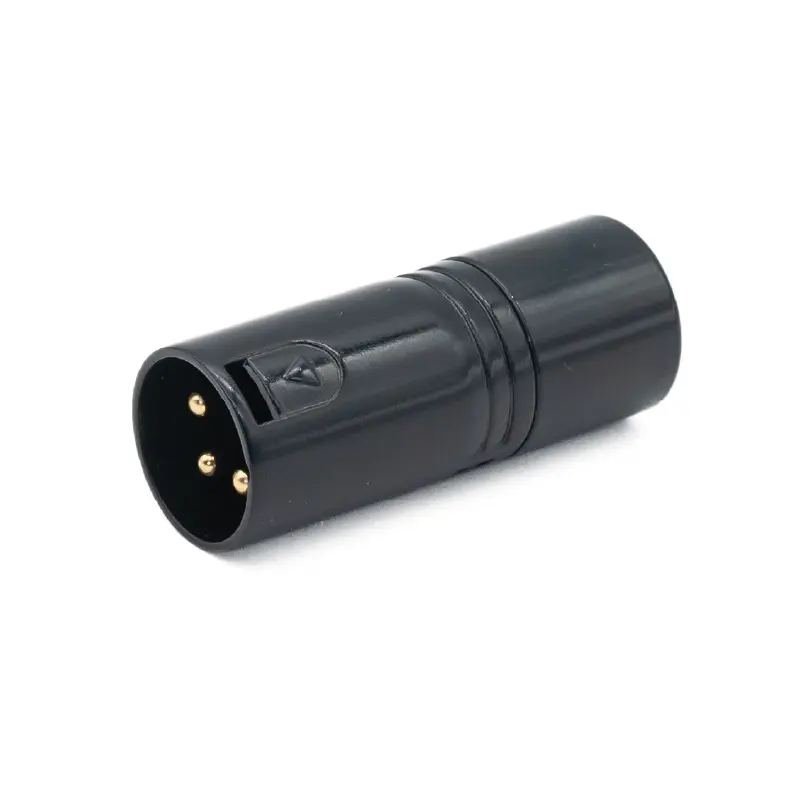
Robust Design for Long-Term Use
The XLR 3-P Audio Connector exemplifies durability through its robust construction and ability to withstand demanding conditions. Its design incorporates high-quality materials that resist wear and tear, ensuring consistent performance over time. Environmental simulation tests further validate its longevity by subjecting it to rigorous conditions. These tests assess the connector's resilience against temperature extremes, humidity, and mechanical stress.
| Test Type | Purpose |
|---|---|
| Climatic Aging | Assesses performance under temperature extremes, humidity, and solar radiation. |
| Corrosion | Evaluates insulation and contact resistance under pollution and salt conditions. |
| Vibration, Shocks and Falls | Tests for premature wear and mechanical disengagement due to vibratory stresses. |
| Protection Indices and Tightness | Checks for water penetration and mechanical impact resistance. |
| Mechanical Resistance | Measures abrasion, tensile strength, and fatigue in connectors and wires. |
| Connector and Press-fit Qualification | Validates connectors against automotive specifications and custom requirements. |
| HALT and HASS | Identifies design weaknesses and ensures production quality assurance. |
These tests highlight the connector's ability to maintain functionality under challenging conditions, making it a reliable choice for both professional and personal audio setups.
Professional Applications in Audio Engineering
The XLR 3-P Audio Connector is a cornerstone in professional audio engineering due to its reliability and consistent performance. Comparative studies emphasize that sound quality remains unaffected by the connector itself, provided it is well-constructed and undamaged. This underscores the importance of the connector's design and build quality in maintaining audio fidelity.
Renowned connectors like Neutrik demonstrate the effectiveness of balanced line systems in preventing cable influence on sound quality. Features such as gold or silver contacts and excellent dielectric properties enhance their reliability. While some exotic connectors boast superior materials, standard tin-plated connectors often outperform them in durability and frequent use scenarios. Historical recordings using similar technology further validate the connector's reliability in professional settings.
The XLR 3-P Audio Connector ensures seamless integration into audio systems, whether in live performances or studio environments. Its robust design and advanced features make it indispensable for audio engineers seeking precision and clarity in their work.
The XLR 3-P Audio Connector enhances audio setups by combining balanced signal transmission, noise reduction, and durability. Its balanced design achieves up to 70 dB of common mode rejection, ensuring interference-free sound. Noise reduction improves signal-to-noise ratios by nearly 16 dB, making it ideal for professional-grade applications.
| Statistic/Metric | Value/Description |
|---|---|
| Common Mode Rejection Ratio (CMRR) | Up to 70 dB for balanced connections, indicating significant noise reduction. |
| Reduction in TCL | A 10 dB reduction can increase channel length by up to 10 meters for 500-MHz applications. |
| Improvement in Category 7A connectors | More than 15 dB improvement in comparison to Category 6A at frequencies above 500 MHz. |
- Key benefits of the connector include:
- Balanced interfaces reduce noise by 50 to 100 dB, making interference inaudible.
- Enhanced durability ensures long-term reliability in demanding environments.
Its versatility makes it indispensable for both professional studios and personal audio systems, delivering consistent performance across diverse applications.
FAQ
What makes the XLR 3-P Audio Connector ideal for professional audio setups?
Its balanced signal transmission minimizes noise and interference. Durable construction ensures reliability during long-term use, even in demanding environments.
Can the XLR 3-P Audio Connector be used with condenser microphones?
Yes, it supports condenser microphones effectively. Its balanced design preserves signal clarity, making it suitable for sensitive audio equipment.
Tip: Pair it with high-quality cables for optimal performance.
How does the XLR 3-P Audio Connector handle long-distance cable transmission?
It cancels out noise through balanced polarity signals. This ensures audio signals remain clear and consistent over extended cable runs.
Note: Ningbo Jingyi Electronic’s JYS54&JYS55 models excel in long-distance applications.