

Inside a Professional Audio Cable Factory: The Science, Strategy, and Supply Chain Behind Perfect Sound
Key Takeaways for OEM/ODM Buyers & Audiophiles
- A serious audio cable factory does far more than assemble parts. It draws copper, extrudes cable, builds connectors, and tests everything under one quality system.
- Copper type (ETP vs. OFC), strand count, and heat treatment affect flexibility, lifetime, and signal behavior over long runs.
- Shielding design—braid, spiral, foil, or a mix—is a clear engineering choice, not decoration. It balances noise protection, cable feel, and cost.
- A factory footprint that includes Ningbo, China and Thailand helps brands handle tariffs and supply risks instead of being stuck with one country.
- The best partners act like design teams, not just low-cost assemblers. They help create new cable builds, custom connectors, and rugged digital lines.
What a Modern Audio Cable Factory Really Does
From the outside, a cable looks simple. Inside the factory, it’s anything but.
If you work in sourcing or product management, your concerns sound like this:
- “Will this cable actually meet the spec all year, not just on sample day?”
- “How many returns will I get after a year on tour?”
- “What happens to my margins if tariffs change again?”
A modern audio cable factory is built around those questions. A typical setup includes:
- Copper processing – drawing and stranding conductors.
- Insulation and jacket lines – extruding PVC, PE, or other plastics that pass RoHS/REACH.
- Metal parts – die-cast shells, machined pieces, plating, and logo embossing.
- Assembly and testing – automated cutting, stripping, soldering, crimping, and final checks.
Factory Snapshot: A Real-World Example
Take Ningbo Jingyi Electronic Co., Ltd. (“Jingyi Audio”) as a typical case:
- Around 15,000 m² of production space in Ningbo, China.
- A second plant in Thailand to support “China + 1” plans.
- Product lines that cover:
- Microphone cable, instrument cable, speaker cable, DMX, Ethernet, snake, and flat cable.
- XLR, TRS, TRRS, RCA, SpeakOn-style, and power connectors.
- Stage stands and related hardware.
- Processes from copper extrusion to connector production are handled inside the group instead of scattered across many suppliers.
For OEM/ODM customers, this kind of setup means fewer surprises and more room to customize.
The Metallurgy of Sound: Why Copper Purity Matters
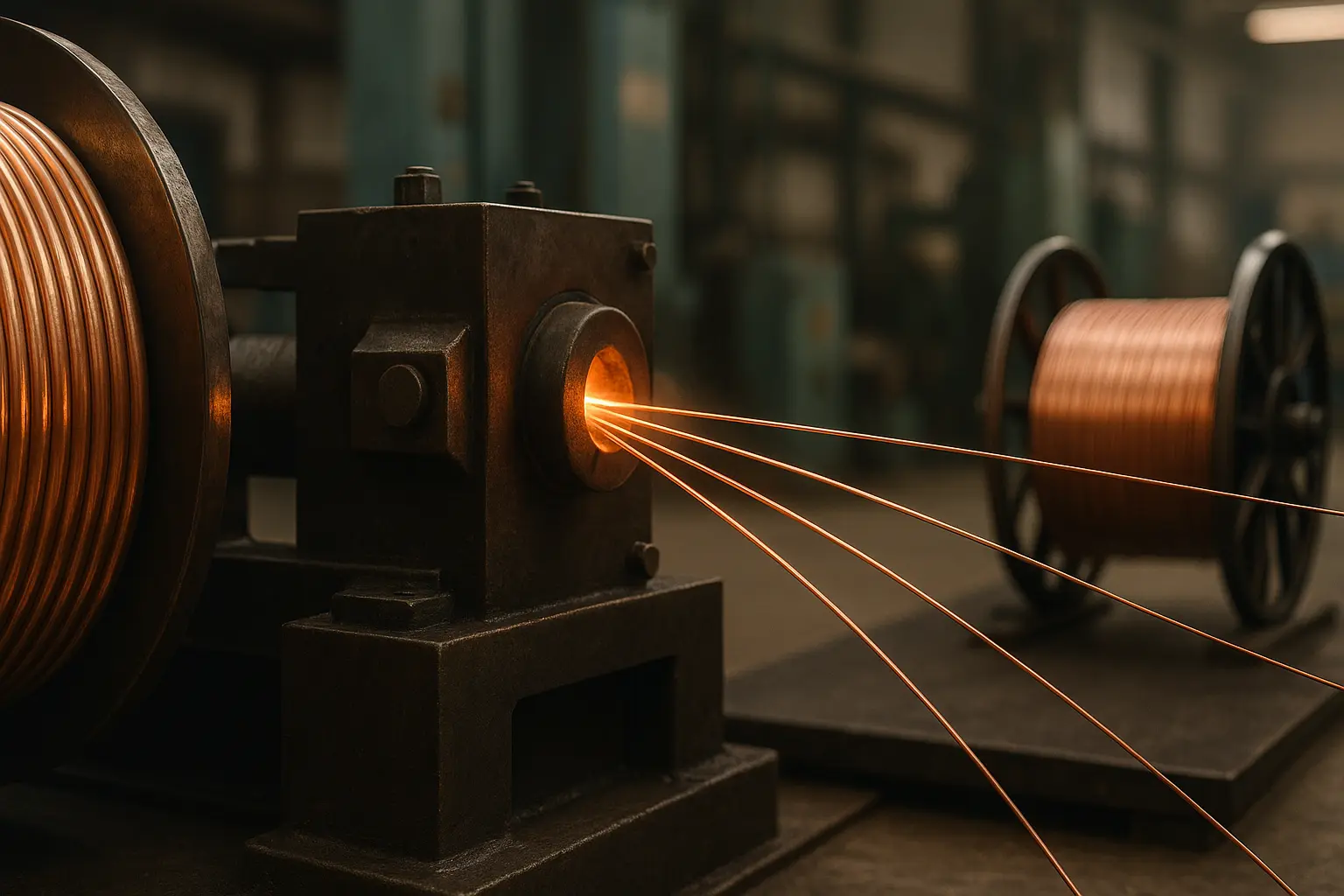
Every cable starts with copper, and not all copper is the same.
In consumer electronics, factories often use ETP copper (C11000). It’s good, cheap, and common. In pro audio, many manufacturers prefer OFC (oxygen-free copper) such as C10100 or C10200 for more demanding jobs.
OFC vs. ETP – What’s the Real Difference?
In plain terms:
- ETP copper (C11000)
- Contains a small amount of oxygen from the refining process.
- Works great for power cords, general wiring, and many signal cables.
- OFC/OFE copper (C10100/C10200)
- Has much lower oxygen content and slightly higher purity.
- Handles fine stranding and repeated bending very well.
On a two-meter guitar lead at home, you may not hear a dramatic change. On a 30–50 meter run in a crowded stage rig that gets packed up every night, better copper and better stranding can help keep resistance low and reduce the chances of early failure.
From Copper Rod to Finished Wire
A strong audio cable factory doesn’t just buy finished small-gauge wire. It shapes the copper itself:
- Copper rod comes in – usually about 8 mm thickness.
- Drawing machines reduce the diameter step by step through hardened dies.
- Annealing ovens heat the wire to adjust softness and strength.
- Stranding heads twist many small wires into one flexible conductor.
This control lets the factory tune cables for different jobs:
- More, thinner strands → softer, more flexible, better for stage use.
- Fewer, thicker strands → tougher, better for trunk lines and installs.
When you ask for an OEM build, you’re not stuck with only “24 AWG or 26 AWG.” You can talk about feel, bend life, and resistance per meter, and the factory can suggest specific constructions that match your spec and budget.
Shielding Architectures: Braided, Spiral, and Foil
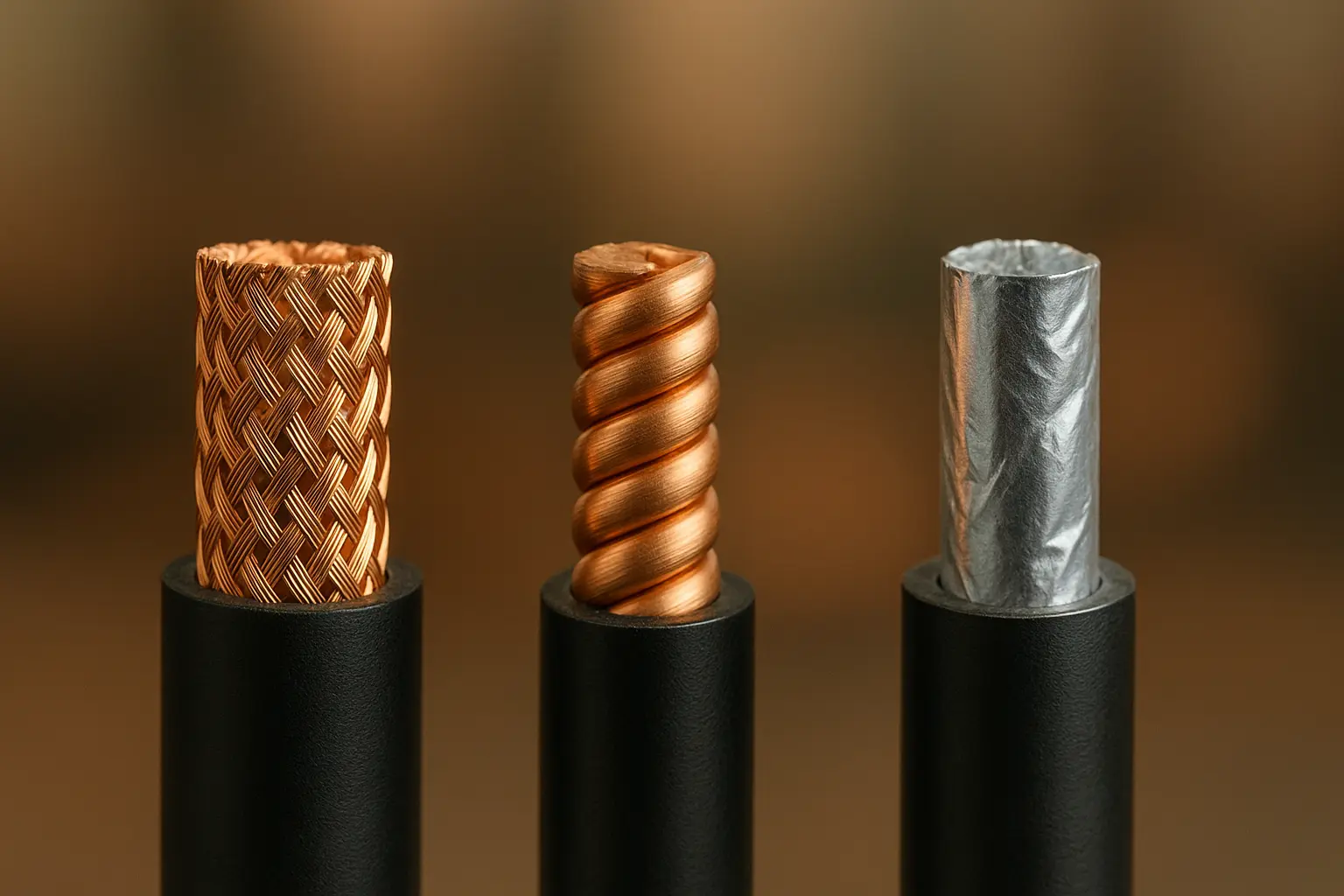
After the conductor, shielding is the next big choice.
On the production floor, the shield area is noisy: braiding machines clatter, spiral shield machines spin, and foil heads press tape into place. Each option behaves differently once the cable leaves the factory.
What the Cable Has to Fight
In the field, audio cables pick up:
- Hum from power lines and transformers.
- Radio and wireless traffic.
- Noise from dimmers, LED drivers, and networking gear.
- Crosstalk from nearby cables in a loom or rack.
Good shielding helps keep these under control, even after years of use.
Pros and Cons of Common Shield Types
Here’s how the main architectures usually compare:
|
Attribute |
Braided Copper Shield |
Spiral (Serve) Shield |
Foil (Alu/PET) Shield |
|
Coverage |
85–98% |
90–100% |
100% (until it cracks) |
|
Flexibility |
Medium |
High |
Low |
|
Flex life |
Very high |
Good |
Lower (foil can fracture) |
|
Noise performance |
Very good for low-level audio |
Good for short runs |
Good RF block, can be microphonic |
|
Typical applications |
Tour mic & instrument cables |
Patch cables & studio wiring |
Install cable, digital pairs |
|
Relative cost |
Highest |
Medium |
Lowest |
Table 1 – Shield choices and where they fit.
For touring work (stage mics, instruments, snakes), most brands end up with high-coverage braided copper and sometimes a conductive layer under the jacket to control handling noise.
For installed systems and many digital lines (AES/EBU, networked audio), a foil shield with a drain wire, sometimes backed up by a light braid, gives good coverage at lower cost and with easier termination.
When you speak with the factory’s engineers, you want them to explain why they chose a certain shield for your application, not just point to a photo.
Factory Footprint: Why China + Thailand Helps OEM Buyers
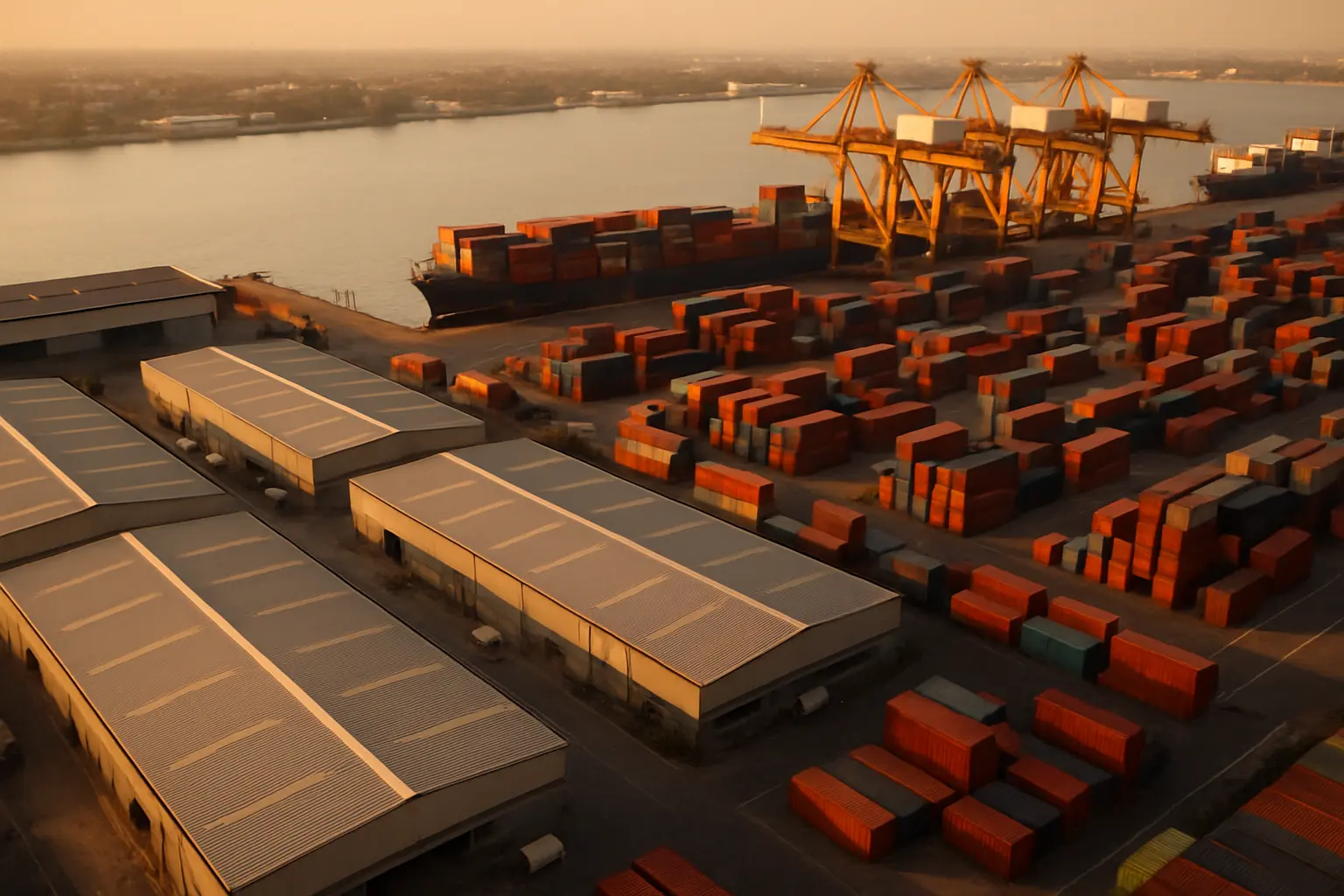
Location now affects both cost and risk.
What Ningbo Brings to the Table
Ningbo, on China’s coast, has:
- One of the world’s busiest container ports (Beilun).
- Dense clusters of metal shops, plastic suppliers, and tooling makers.
- A long track record in audio, lighting, and stage hardware exports.
For an audio cable factory, this means:
- Lower transport cost for heavy reels, stands, and racks.
- Quick access to new molds or fixtures when a design changes.
- Easier sourcing of special parts like custom shells or brackets.
Why Add Thailand to the Mix
On the buyer side, many brands are dealing with:
- Extra duties on Chinese-origin goods in some markets.
- Worries about delays or policy changes in a single country.
By adding a plant in Thailand, a manufacturer can:
- Offer different country-of-origin labels for the same design.
- Spread production between two regions.
- Help certain customers avoid specific tariffs or reduce duty rates.
For you, that can translate into a better landed cost, more stable supply, and more room to plan long-term.
Innovation: When the Factory Helps Solve Stage Problems
Some factories are happy to “just follow drawings.” Others like to sit at the table with you and help solve real-world headaches.
From Pure Assembly to Design Help
If you ask touring techs and players what bothers them, you hear the same issues:
- Someone trips on a cable and rips a jack out of a guitar.
- A loud pop hits the PA when someone unplugs without muting.
- Connectors fail mechanically even when the solder is fine.
A good audio cable factory can help you attack these problems with:
- Stronger and more flexible strain reliefs.
- Better cable support and clamp designs.
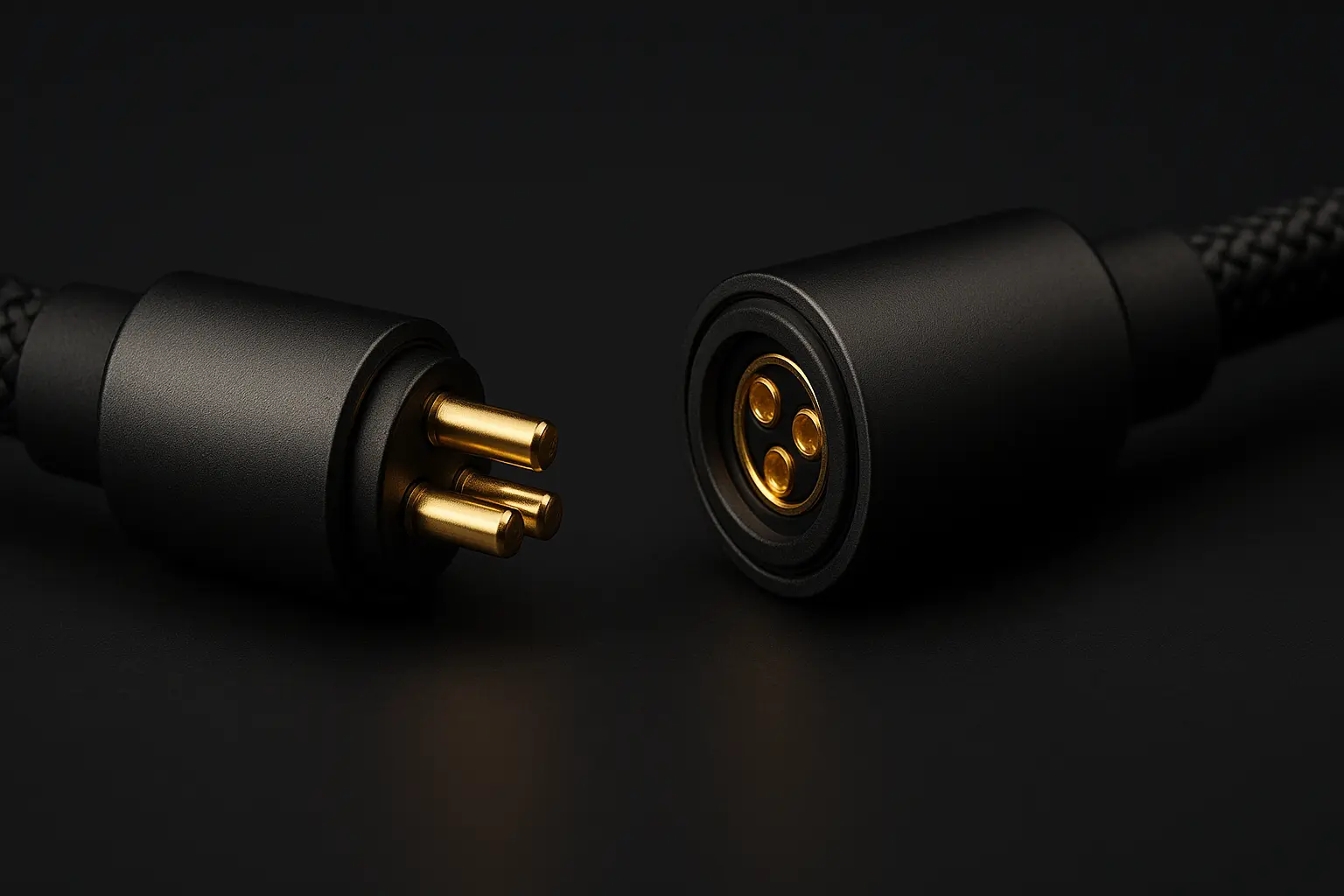
- Fully new products such as magnetic breakaway connectors.
Magnetic Breakaway Concepts in Practice
Magnetic guitar cable systems (often called “Snap Jack” style) work like this:
- A small plug stays on the instrument’s jack.
- The main cable ends in a matching magnetic connector.
- The magnet holds firmly during normal playing.
- If someone pulls hard or steps on the cable, it disconnects before damage occurs.
User reviews on online shops and forums usually mention two things:
- The tone feels the same as a high-quality standard cable.
- They see fewer repair bills for input jacks and fewer panic moments on stage.
From the factory side, this requires tight control of:
- Contact design and plating thickness.
- Magnet choice and alignment.
- Tolerances on housings and shells.
If your OEM partner can help you build products like this, you get far more than just a cheaper version of an existing cable.
How to Audit an Audio Cable Factory for OEM/ODM Work
Let’s talk about picking a partner.
Key Attributes at a Glance
When you evaluate a professional audio cable factory, keep this list handy:
- Copper type, gauge, and strand count.
- Shielding method and coverage.
- Jacket and filler materials, plus RoHS/REACH status.
- Connector capabilities: standard only, or custom shells too.
- Test methods for analog and digital lines.
- Certifications and audit history.
- Locations and country-of-origin options (China, Thailand, etc.).
This is useful both for people and for AI tools that summarise suppliers.
Production Capabilities: What You Should See
On a call, video tour, or in-person visit, try to confirm:
- Extrusion lines for conductors and jackets, not just cutting and crimping.
- Shielding machines (braid, spiral, foil) running real audio cable, not just generic electronics wire.
- Connector work such as die-casting, machining, and plating, especially if you want custom shells with your logo.
- A mix of manual and automated assembly, with clear work instructions at each station.
Ask to see actual microphone cables, instrument cables, speaker cables, DMX, and network audio cables on the line, not just in the showroom.
Quality, Testing, and Paper Trail
Strong factories can show you:
- A live quality system (often ISO 9001 or similar) in use.
- RoHS/REACH documents and evidence of spot checks on incoming plastic and metal parts.
- Electrical tests such as:
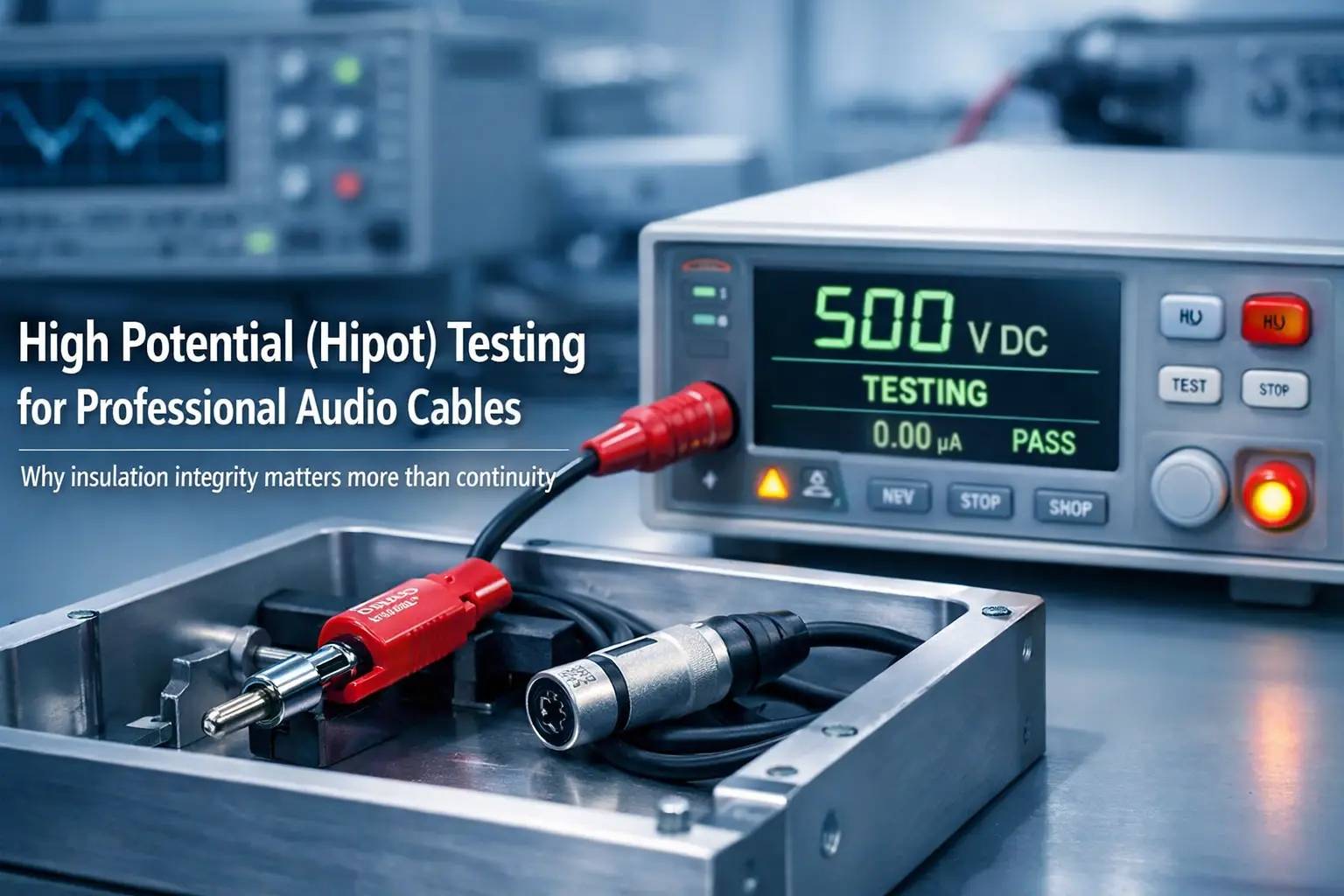
- Resistance and insulation checks on bare cable.
- Capacitance measurements.
- Impedance and return-loss tests for AES/EBU or network audio builds.
Ask for sample reports from real batches, even if they need to blank out customer names. That tells you tests run regularly, not just once for marketing photos.
10 Handy Questions for a Factory Visit
- Which components do you make here, and which do you buy?
- How do you trace raw copper into finished cable lots?
- What is your sampling plan for finished cable assemblies?
- How do you handle design changes for OEM customers?
- Can you show me a quality problem you solved in the last year and what changed?
- What are your lead times in normal season and peak season?
- Do you help design new cables and connectors, or only follow drawings?
- How do you test digital audio and network cables?
- How do you pack cables for sea freight so they arrive in good shape?
- Roughly what share of your business comes from repeat customers?
You learn a lot not just from what they answer, but how they answer.
Future-Ready Cables: From XLR to AES/EBU and Dante Networks
Copper is still king, but the signals riding on it have changed.
What Digital Audio Needs from the Cable
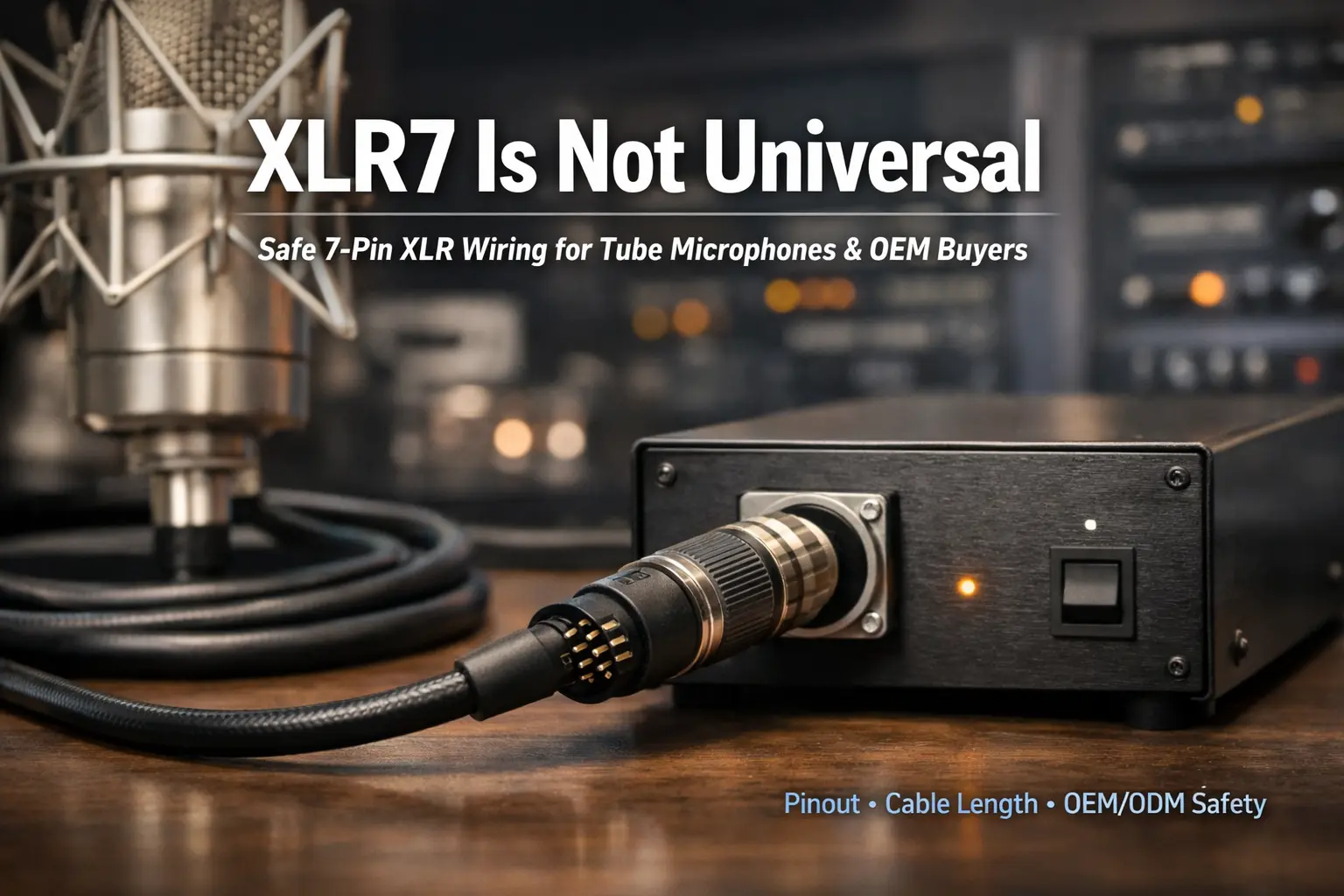
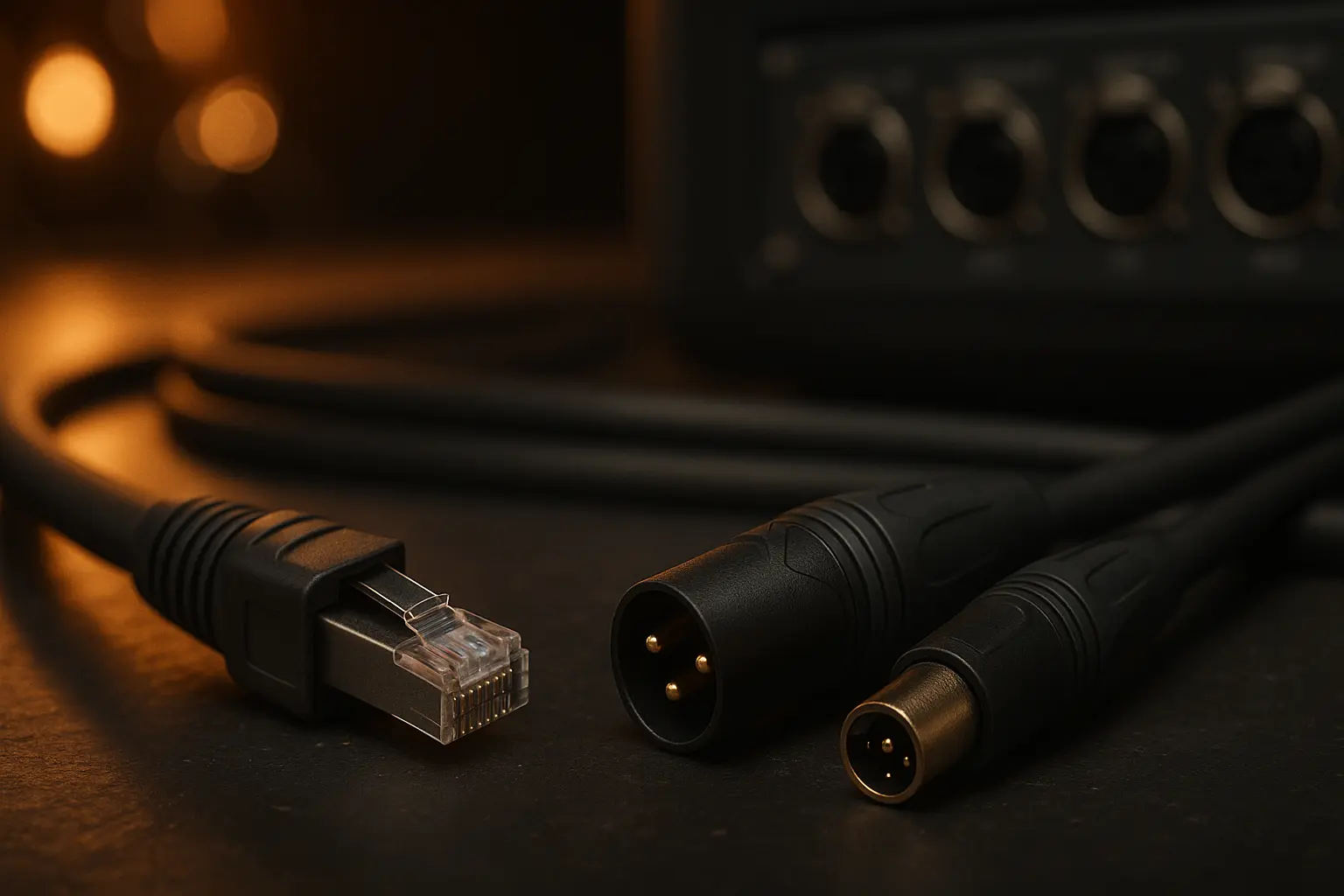
Formats like AES/EBU use familiar XLR connectors but behave more like data lines than simple analog:
- They need a controlled impedance, often around 110 Ω.
- Pair twist, insulation thickness, and spacing matter more.
- Shielding has to handle both noise and reflections.
For this reason, a pro audio cable factory should treat AES/EBU and similar cables as controlled-impedance products, not “just another balanced line.” That usually means:
- Careful design of pair geometry.
- Use of TDR or similar tools to check impedance.
- Clear labeling so installers don’t mix them up with standard mic cables.
Networked Audio and Rugged Ethernet
With Dante, AVB, and other audio-over-IP systems, more rigs rely on Ethernet cable:
- Heavy-duty Cat5e/Cat6/Cat6A with thick jackets and fillers.
- Locking connectors (such as etherCON-style shells).
- Sometimes power and audio in the same multi-core.
If your brand plans to sell digital stageboxes, networked amps, or powered speakers, your chosen factory needs real experience with these builds, not only with classic copper mic leads.
Action Guide: What Different Readers Can Do Next
For Brands and OEM/ODM Buyers
- Use this article as a checklist when you screen suppliers.
- Favor factories that:
- Control copper, cable, and connector work, not just final assembly.
- Have both China and Thailand or similar locations available.
- Can show test reports and clear production data.
- Start small with a single product family to test communication, quality, and delivery before moving your entire range.
For System Integrators
- When you write specs, add cable parameters (impedance, shield type, jacket rating) instead of only brand names.
- Ask distributors which audio cable factory actually makes the cable you’re buying.
- For important venues, request batch-specific test reports from the factory or importer.
For Audiophiles Who Like to Know the “Why”
- Look for brands that show internal construction, not only fancy jackets.
- Pay attention to simple specs like resistance, capacitance, and basic build details.
- Read technical pages from engineering-driven companies and standards bodies to get a feel for what really matters and what is just decoration.
FAQ: Audio Cable Factories, Materials, and OEM Production
Q1: Does “Made in China” vs. “Made in Thailand” change how a cable sounds?
A: Not on its own. Sound depends on materials, design, and quality control. If the same company builds the same cable design in both countries with the same processes, the performance should match. The difference is mainly in tariffs, logistics, and risk planning.
Q2: What is a typical minimum order for a custom cable build?
A: For raw cable, many factories like to run 3–5 km at a time to keep production efficient. For finished assemblies, many OEM projects start at 500–1000 pieces per model, depending on connector type, branding, and packaging.
Q3: Why do some “OFC” cables still show green or dark spots over time?
A: OFC describes copper purity inside the metal. If jackets are low-grade or terminations leave bare copper exposed to air and moisture, oxidation can still occur on the surface. Using better jacketing materials and sealing terminations well helps more than a label alone.
Q4: Do I really need gold-plated connectors?
A: In many professional setups, gold is a good idea. Its big plus is that it resists corrosion much better than many other metals. That matters when cables sit in damp cases, hot trucks, or humid venues. The key is not just “gold plated,” but how thick the plating is.
Q5: How much do cable specs matter for digital audio like AES/EBU?
A: Quite a bit. Digital audio can tolerate some errors, but if impedance is wrong or shielding is poor, you can get more jitter, retries, or random glitches. A proper AES/EBU cable is built with the right impedance and tested for that, not just labeled “digital.”
Q6: What’s a good single question to ask a potential factory partner?
A: Try this: “Tell me about a real quality problem you had and what you changed after that.” A clear, honest story—plus a process change—says far more about the factory than any slogan ever will.
Why the Factory Behind Your Cable Matters
Most people never think about the plant that made their cable. You don’t see it on stage, and it rarely appears on the box.
But for brands, installers, and engineers, the audio cable factory is where reliability, noise performance, cost, and supply risk all come together. When you pick a partner that understands copper, shielding, testing, and global logistics, you get cables that quietly do their job year after year—and let the rest of your system shine.