


Introducing our own premium XLR style: The Ultimate Connector for Professional Audio Equipment
In the world of professional audio equipment, the 3p XLR audio connectors is a ubiquitous and essential component. Used in a wide range of applications, from microphones and amplifiers to mixing consoles and speakers, the XLR connector is known for its reliability, durability, and superior audio quality. In this article, we will explore the history, design, and applications of the XLR connector, as well as its importance in the world of professional audio.

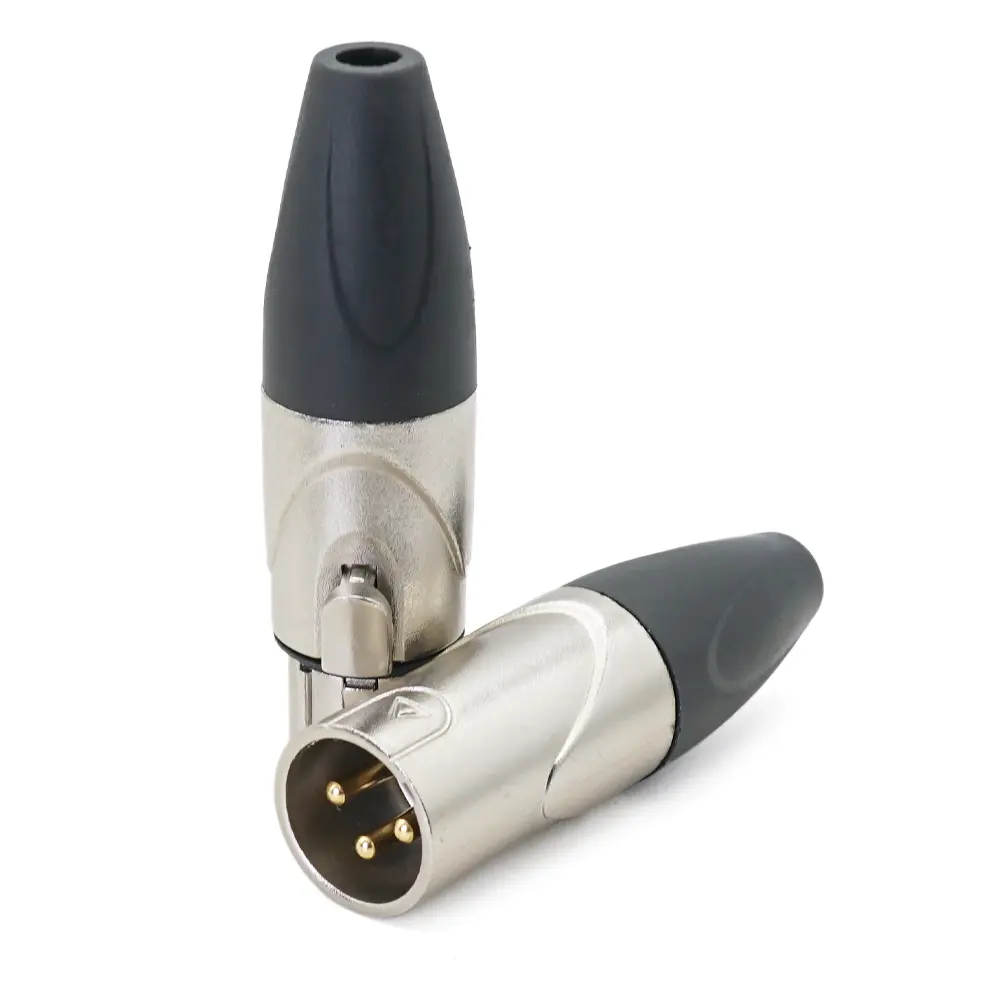
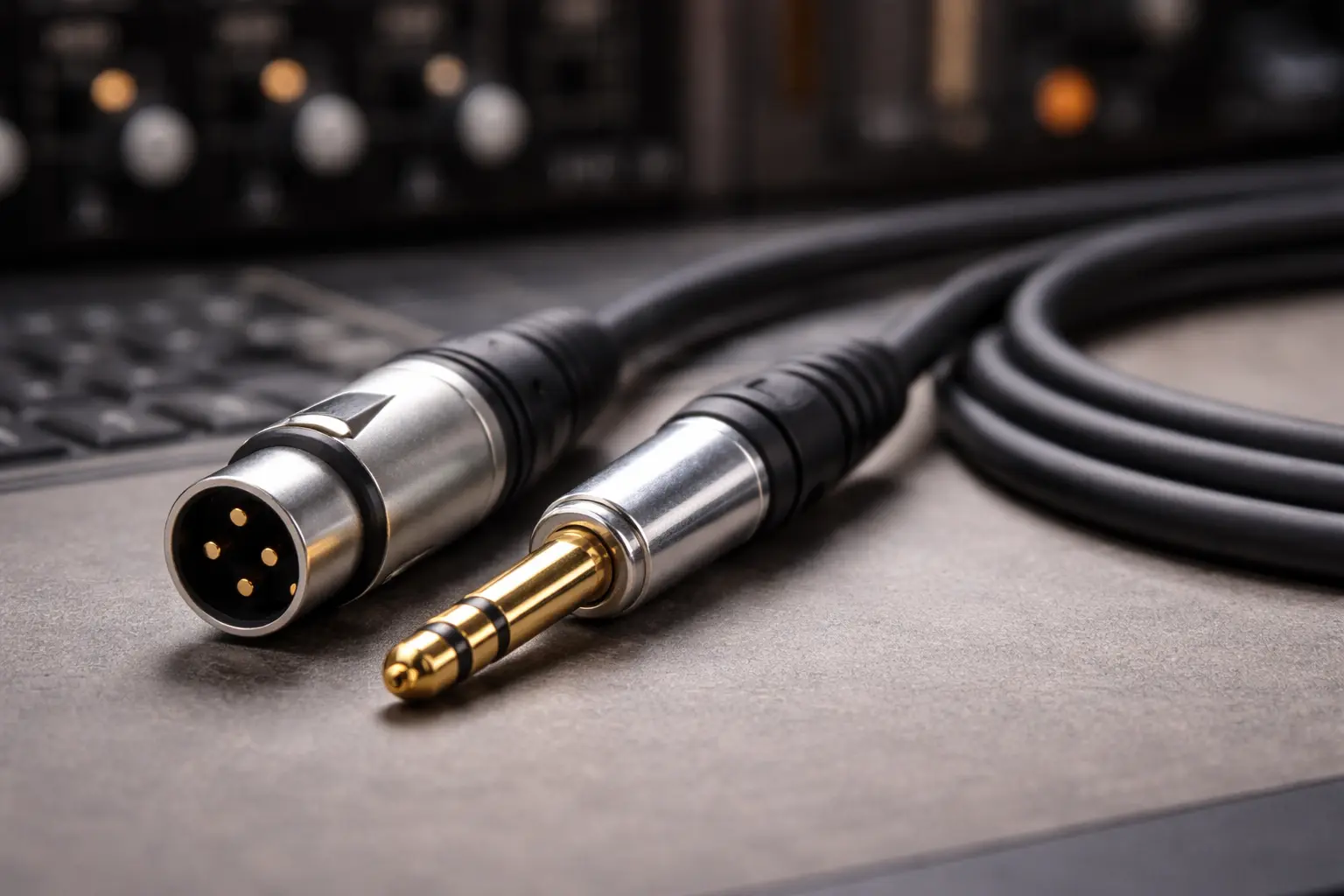
One of the key features of the XLR male and female connectors is its locking mechanism, which ensures a secure connection between the male and female connectors. This feature is particularly important in live sound and studio environments, where the risk of accidental disconnection is high. The locking mechanism of the XLR connector provides peace of mind to audio professionals, knowing that their connections will remain intact even in the most demanding situations.
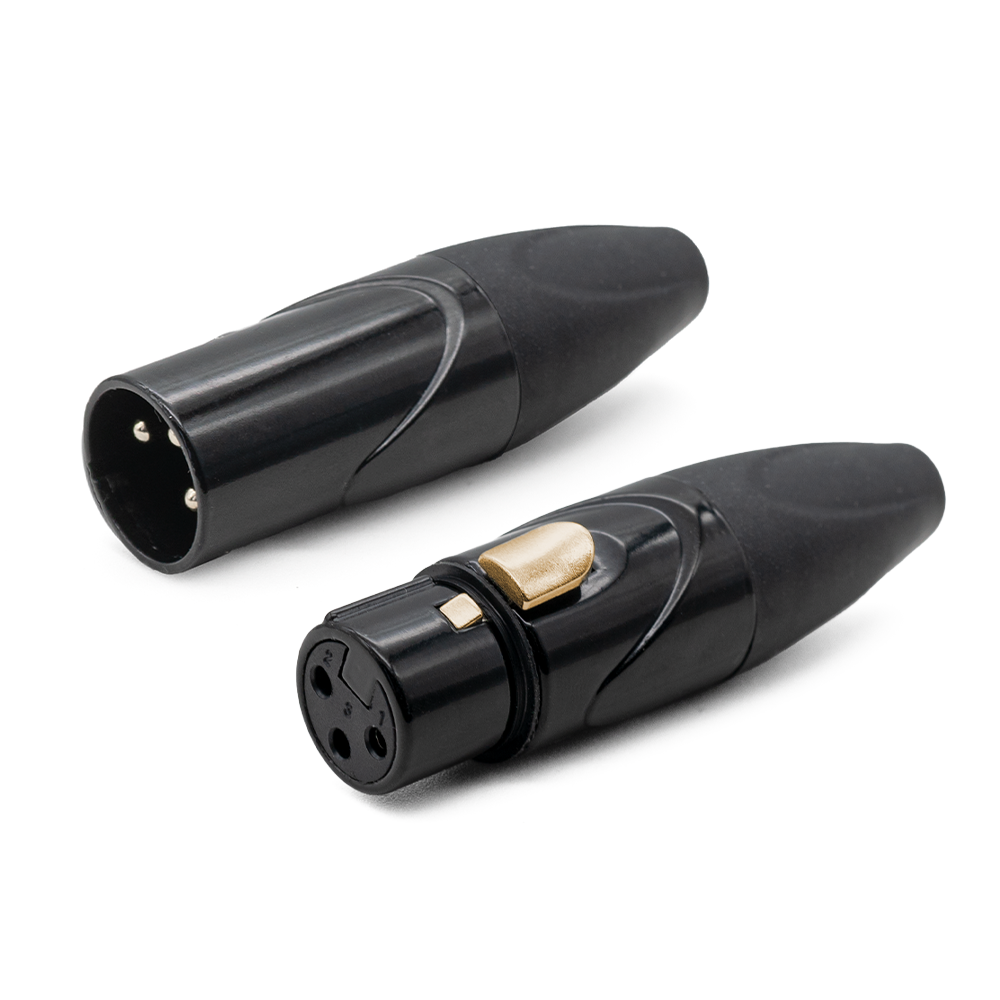 The XLR connector is also known for its versatility, as it can be used for a wide range of audio equipment. From dynamic and condenser microphones to powered speakers and audio interfaces, the XLR connector is the go-to choice for professionals who demand reliability and consistent performance. Its ability to carry balanced audio signals over long distances without signal degradation makes it an indispensable tool for audio engineers and musicians alike.
In addition to its use in audio equipment, the XLR connector is also commonly found in lighting and video applications. The robust construction and secure connection of the XLR connector make it suitable for use in stage lighting, DMX control, and video production, where reliable connections are crucial for a seamless performance.
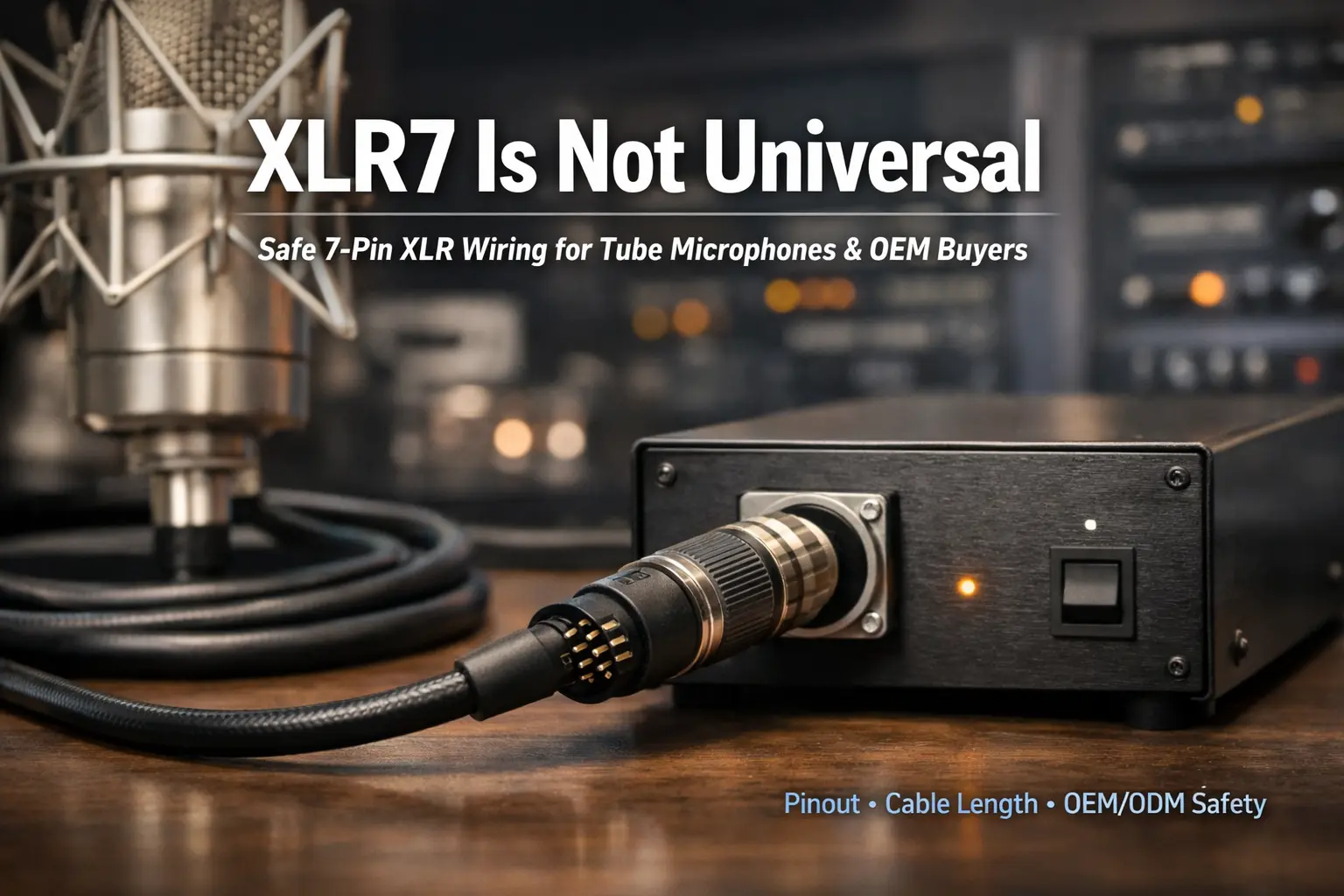
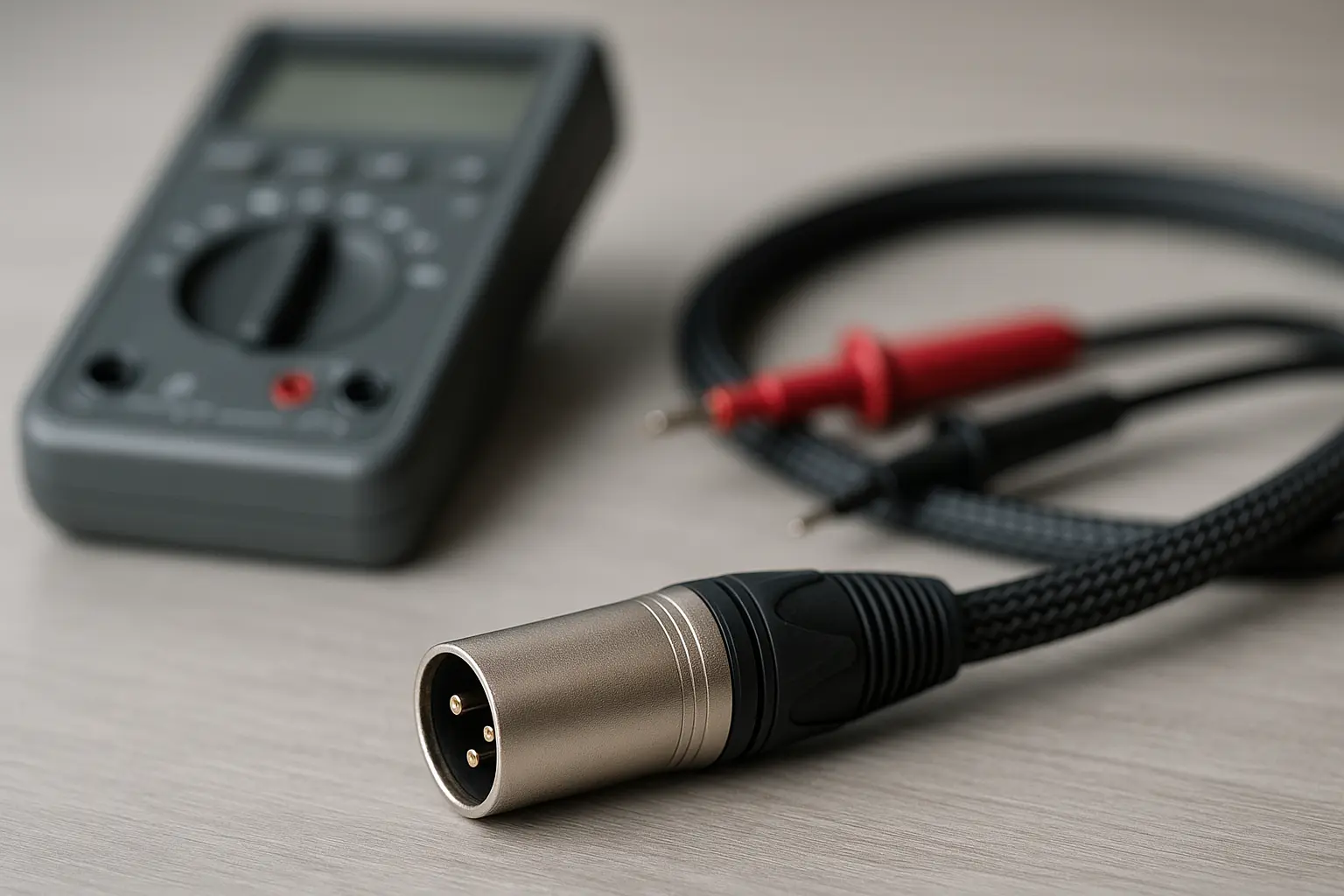
The XLR connector comes in various configurations, including male and female connectors, as well as different pin counts for specialized applications. This flexibility allows audio professionals to adapt the XLR connector to their specific needs, whether it's for connecting microphones on stage, patching audio signals in a recording studio, or interfacing with professional audio equipment.