




Is an RCA Cable Right for Your Setup in 2025
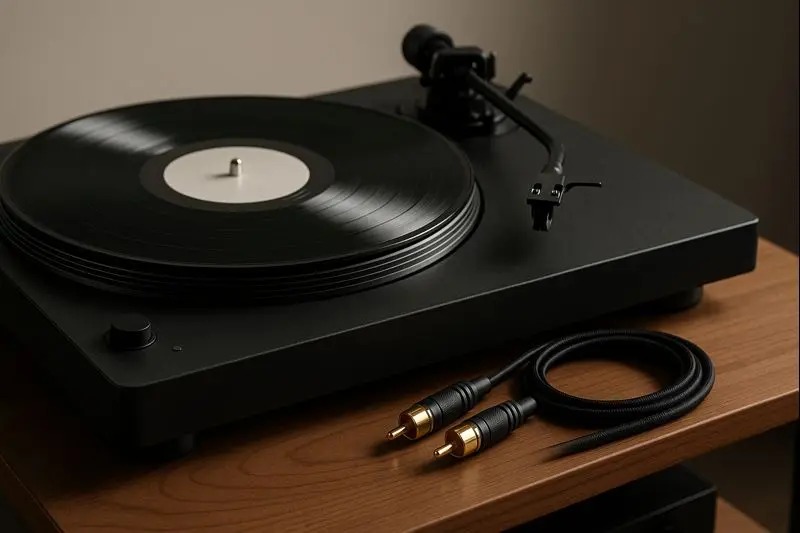
Many setups in 2025 still use an RCA cable for audio or video needs. Users often choose an Rca Plug for its easy fit with legacy devices. A standard Rca Jack works with most home systems. Rca Connectors offer simple installation, but users should consider both benefits and possible drawbacks.
Key Takeaways
- RCA cables remain popular for connecting older devices because they are simple, affordable, and easy to use without special tools.
- While RCA cables offer reliable, low-latency connections, they cannot deliver the high-quality audio and video that modern digital cables provide.
- Users should check their equipment’s ports and consider their quality needs before choosing RCA cables, especially if they plan to upgrade to newer devices in the future.
RCA Cable Basics in 2025
RCA Cable Design and How It Works
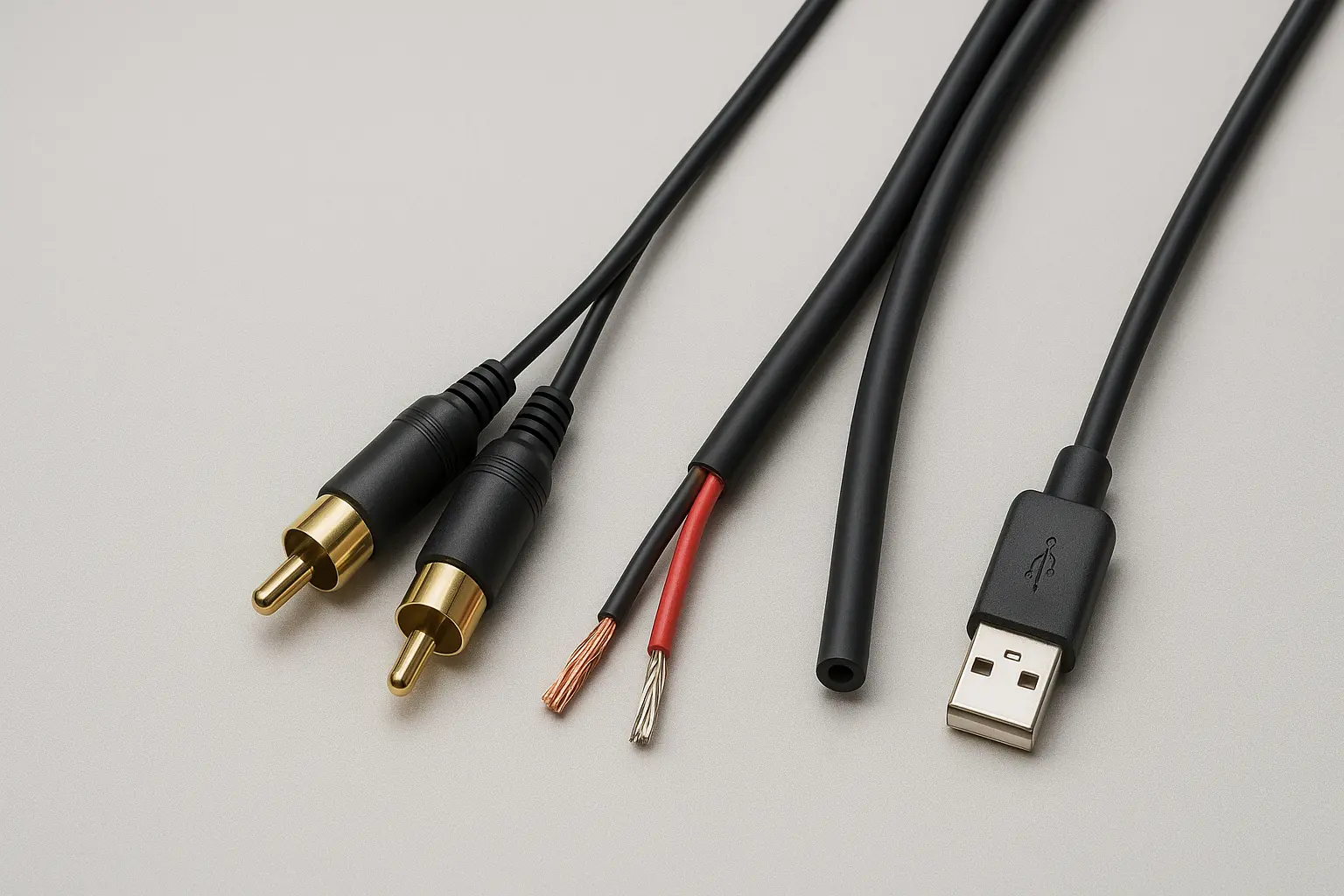
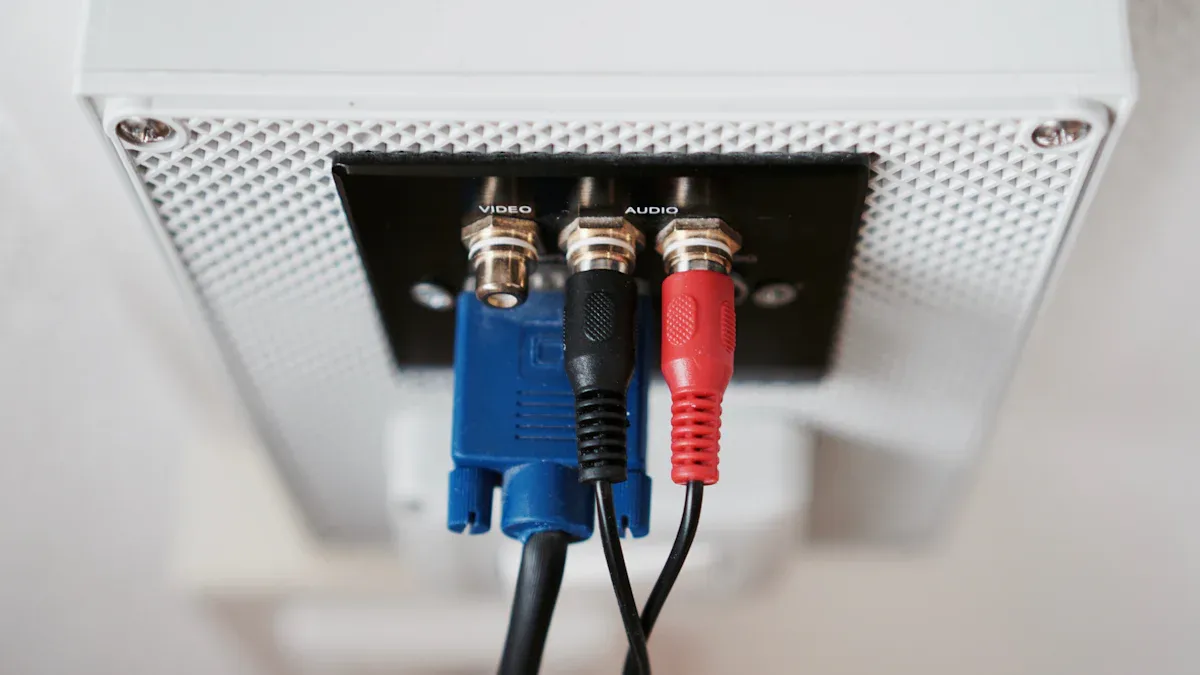
An RCA cable uses a simple design that has stood the test of time. Each cable has two or three color-coded plugs—usually red, white, and yellow. The red and white plugs carry right and left audio signals. The yellow plug transmits composite video. Inside, a central wire carries the signal, while an outer shield protects against some interference. This analog connection does not require complex setup or software. Users can plug the cable into matching colored ports on devices. The design remains popular because it is easy to use and affordable.
RCA Cable Uses in Modern Audio and Video Setups
Many people still use an RCA cable in 2025, especially with legacy audio-visual equipment. Home theater systems, older gaming consoles, and some stereo receivers rely on RCA connections. Retro-tech enthusiasts and users with vintage gear often prefer RCA for its compatibility. The market for RCA cables remains strong, with Asia Pacific leading both manufacturing and consumption. North America and Europe also hold significant shares.
| Region | Market Size 2025 (Million USD) | Market Share 2025 (%) |
|---|---|---|
| Asia Pacific | 426.9 | 37.74 |
| North America | 314.9 | 27.84 |
| Europe | 237.7 | 21.01 |
| South America | 94.4 | 8.35 |
| Middle East | 57.3 | 5.07 |
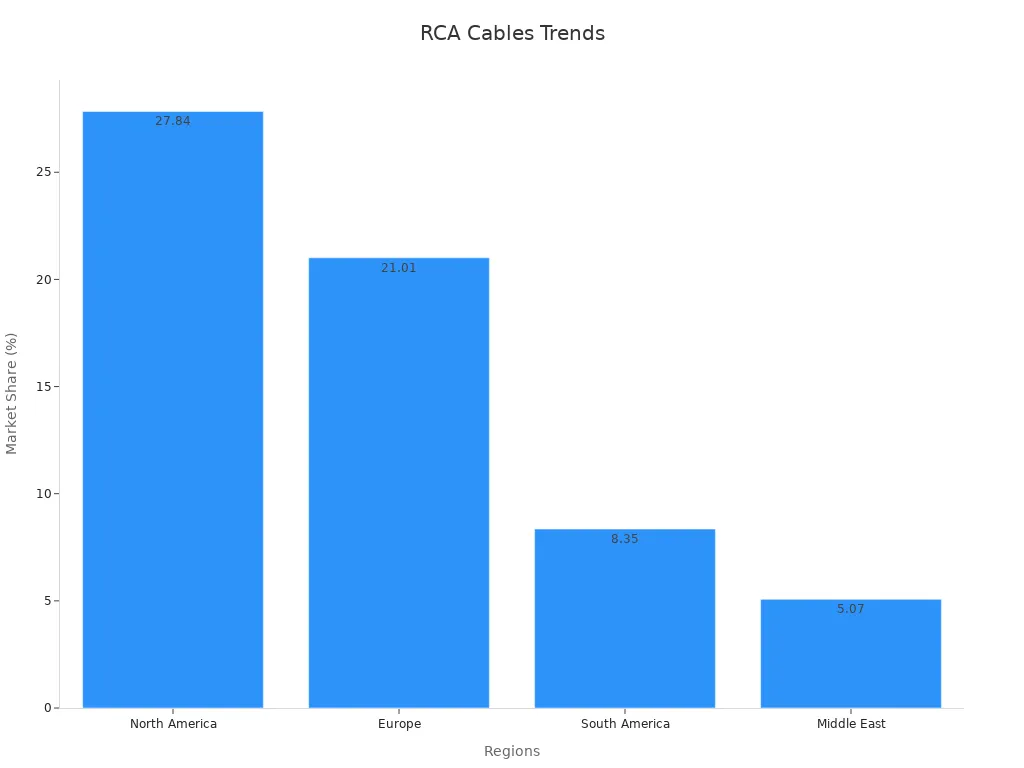
Note: RCA cables remain cost-effective and easy to replace, which helps maintain steady demand despite competition from digital interfaces.
RCA Cable Advantages for Today’s Setups
Wide Compatibility with Older Devices
Many households and businesses still use equipment that relies on analog connections. An RCA cable connects easily to older televisions, DVD players, VCRs, and stereo receivers. This compatibility ensures that users can keep using their favorite legacy devices without needing adapters or upgrades. NINGBO JINGYI ELECTRONIC Co., LTD. continues to supply high-quality RCA cables that fit a wide range of audio and video products, supporting both vintage and modern setups. For collectors and retro-tech enthusiasts, RCA cables remain a reliable choice.
Simple, Affordable, and Easy to Use
RCA cables stand out for their straightforward design and cost-effectiveness. Most people recognize the red, white, and yellow color-coded plugs, which make installation simple and reduce confusion. Users do not need special tools or technical knowledge to connect devices. The cables are widely available at major retailers, including Home Depot, which keeps prices competitive and access easy.
- RCA cables can be installed without professional help, saving money on setup.
- The simple design allows users to troubleshoot and maintain their systems independently.
- Quick replacement and easy returns add to the convenience.
Some specialized RCA cables, such as the Burson Audio Cable+, offer improved sound quality through active amplification. These products provide an upgrade path for users who want better audio without buying extra equipment like DACs or amplifiers. The familiar RCA interface remains, so users enjoy better performance without added complexity.
No Latency or Wireless Interference Issues
RCA cables transmit analog signals directly between devices. This direct connection means there is no noticeable delay, or latency, in audio or video playback. Unlike wireless solutions, RCA cables do not suffer from signal drops or interference caused by other electronic devices. Gamers, musicians, and home theater fans appreciate this reliability, especially when timing and synchronization matter.
Tip: For users who value consistent performance and minimal signal delay, a wired RCA cable connection offers peace of mind.
Readily Available and Easy to Replace
RCA cables remain one of the most accessible connection types on the market. Stores like Home Depot and electronics retailers keep them in stock, so users can find replacements quickly. The standardized design ensures that a new cable will fit most devices without compatibility issues. NINGBO JINGYI ELECTRONIC Co., LTD. supplies RCA cables in various lengths and qualities, making it easy for consumers to find the right product for their needs. This availability reduces downtime and keeps entertainment systems running smoothly.
RCA Cable Disadvantages in 2025
Limited Audio and Video Quality
RCA cables transmit analog signals, which limits the maximum quality of both audio and video. Digital connections like HDMI and optical cables support higher resolutions and clearer sound. RCA cables cannot deliver true surround sound or high-definition video. Many users notice a difference when they compare the output from an RCA cable to a modern digital connection. For those who want the best possible experience with 4K video or lossless audio, RCA cables fall short.
Analog Signal Vulnerability to Interference
Analog signals are sensitive to outside interference. Devices such as microwaves, routers, and power cables can cause humming, static, or signal loss. The quality of the RCA cable affects how much interference reaches the signal. High-quality cables use better materials and shielding, but regular cables often let in more noise. The following table shows how different cable qualities impact performance:
| Aspect | High Quality RCA Cables | Regular RCA Cables |
|---|---|---|
| Conductor Material | Oxygen Free Copper for minimal signal loss and clarity | Copper Clad Aluminum causing signal degradation |
| Shielding | Multiple layers (braided copper, foil) to block EMI/RFI | Minimal shielding, prone to hums, static, interference |
| Noise Reduction | Effective at preventing electromagnetic interference | Susceptible to humming, static noise |
| Signal Loss Over Distance | Maintains signal integrity over longer cable lengths | Signal degradation over distance |
| Connector Quality | Gold plated, corrosion resistant, secure fit | Substandard connectors, prone to corrosion and damage |
| Compatibility | Handles high voltage signals for powerful amplifiers | May cause distortion in high-powered setups |
Note: Longer cables and poor installation increase the risk of interference. Keeping RCA cables away from power wires helps reduce noise.
Bulky Design and Less Convenience
RCA cables use separate plugs for each audio and video channel. This design leads to more cables behind entertainment centers and workstations. Users often find it hard to manage the clutter. Modern digital cables combine multiple signals into one slim connector, making setup and cable management easier. RCA cables also lack features like locking connectors, which can result in loose connections over time.
- RCA cables take up more space than digital alternatives.
- Users may need to buy extra adapters for newer devices.
Decreasing Support in New Devices
Device manufacturers now focus on digital connections such as HDMI, DisplayPort, and USB-C. These interfaces offer higher bandwidth, better quality, and more features. RCA connectors, once common on TVs and audio receivers, are now rare on new products. Manufacturers still produce RCA cables for legacy and professional analog uses, but most new devices do not include RCA ports. This trend means users may need adapters or new equipment to connect older devices.
Industry experts note that RCA cables serve a niche market for legacy systems. However, the shift toward digital technology continues. Modern electronics favor digital connectors for their simplicity and performance. As a result, RCA cable support keeps declining in the latest consumer devices.
RCA Cable vs. Modern Connection Alternatives

RCA Cable vs. HDMI
HDMI has become the standard for modern home entertainment. It transmits both audio and video in digital form, supporting high-definition and even 8K content. RCA cable, by contrast, uses analog signals and separates audio and video. This difference affects quality and convenience. The table below highlights key differences:
| Feature | Analog Connection (RCA) | Digital Connection (HDMI) |
|---|---|---|
| Signal Type | Analog | Digital |
| Audio & Video | Separate, lower quality (max 480i) | Combined, up to 8K, HDR, Dolby Atmos |
| Interference | Prone to interference | Near-zero interference |
| Bandwidth | ~100 Mbps | Up to 48 Gbps |
| Durability | Often rugged | Flexible, premium options |
| Cost & Setup | Affordable, multiple cables | Higher cost, single cable |
Many consumers choose HDMI for its superior quality and single-cable simplicity. RCA cable remains popular for legacy devices and basic setups.
RCA Cable vs. Optical (Toslink)
Optical (Toslink) cables use light to transmit digital audio. This method avoids electromagnetic interference and ground loops. RCA cables, especially coaxial types, can support higher sample rates but are more vulnerable to noise. The table below compares both:
| Metric | RCA (Coaxial SPDIF) | Optical (Toslink) |
|---|---|---|
| Jitter | Lower, better for sensitive devices | Higher, can affect performance |
| Bandwidth / Sample Rate | Higher, beyond 96kHz | Reliable up to 96kHz |
| EMI Susceptibility | Yes | No |
| Durability | Robust | Sensitive to bending |
Optical cables suit environments with high interference, while RCA cables work well in controlled settings.
RCA Cable vs. Bluetooth and Wireless Options
Bluetooth and wireless connections offer convenience by removing cables. However, they face signal range limits and interference from other devices. RCA cables use physical wiring and shielding, which ensures reliable signal transmission with minimal loss. High-quality RCA cables further reduce interference, making them dependable for stable audio and video.
Tip: For users who value reliability over convenience, wired connections like RCA cables often provide better results than wireless options.
When an RCA Cable Still Makes Sense
RCA cables remain relevant for short cable runs, standard-definition signals, and devices with analog connections. They offer simplicity, cost-effectiveness, and wide compatibility. In typical home or desktop setups with short cables, signal loss is negligible. RCA cables suit home theater systems, audio receivers, and gaming consoles that do not require high-definition or digital audio.
Should You Use an RCA Cable? Practical Decision Guide
Checking Your Equipment’s Inputs and Outputs
Users should first examine the available ports on their devices. Many older televisions, DVD players, and gaming consoles feature RCA jacks, while newer models often support HDMI or optical connections. RCA cables come in composite and component types, each with unique color coding. Component RCA cables can deliver higher resolutions than composite ones. The best approach involves testing which cable type works with the equipment and provides the desired quality. Compatibility and signal type guide the selection process, especially when connecting legacy devices.
Evaluating Your Audio/Video Quality Needs
Assessing audio and video requirements helps determine if an RCA cable meets expectations. Users often rely on subjective factors such as clarity, fullness, and balance of sound. Capacitance serves as a measurable parameter for comparing cable performance. For basic setups, RCA cables can deliver satisfactory results. However, those seeking high-definition video or advanced surround sound may need to consider digital alternatives.
Considering Budget and Simplicity
- RCA cables offer a cost-effective solution for many users.
- Their standardized plugs make setup straightforward.
- Widespread availability ensures easy replacement and minimal planning.
These factors make RCA cables attractive for those who value affordability and ease of use.
Planning for Future-Proofing
Technology continues to evolve, and device manufacturers increasingly favor digital connections. Users planning to upgrade equipment should consider whether future devices will support RCA cables. Choosing a connection type that aligns with long-term needs can prevent compatibility issues and reduce the need for adapters.
- RCA cable offers easy use, wide compatibility, and low cost.
- It cannot match the quality or features of digital options.
By: LynnFor legacy devices or simple setups, RCA cable works well. Users should review their equipment and needs before choosing a connection.
Tel: +86 574 86100572#8816
Whatsapp: +86 15168592711
E-mail: sales@jingyiaudio.com
Youtube: JINGYI
Facebook: JINGYI